How Snakebite Deaths In America Fell To Five A Year
The number of Americans killed by snakebite has never been enormous. A federal study of death certificates from 1950 to 1954 found about 14 a year. Today it is five. What collapsed was not the body count but the odds: estimated mortality from venomous bites ran between 5 and 25 percent in the 19th century, and for patients treated with antivenom in a hospital it is now under 1 percent and probably under 0.1.
Fourteen A Year In The Early Fifties

The oldest reliable American count came from pulling death certificates rather than estimating.
A study of mortality from snakebite between 1950 and 1954 analyzed 71 certificates listing poisonous snakebite as cause of death, arriving at approximately 14 deaths per year and an average rate of 0.09 per million population.
That study also noted a basic data problem: the international classification lumped snakebite in with centipedes, scorpions, bees and wasps, which is why clean historical figures are so hard to find.
The Rate Was The Real Problem

Counting deaths understates how dangerous a bite used to be, because far fewer people were bitten and reported.
Mortality rates from pit viper bites were estimated at 5 to 25 percent in the 19th century. One account puts untreated death rates in the 1900s as high as 40 to 50 percent, and another gives pre-antivenom US mortality at about 10 percent.
Modern estimates put the rate at less than 1 percent, and probably less than 0.1 percent for patients treated with antivenom in a healthcare facility.
Wyeth Introduced Antivenom In 1954

One product and one decade account for most of the change.
Antivenin (Crotalidae) Polyvalent was introduced by Wyeth Laboratories in 1954, a whole IgG antivenom obtained by fractionating blood from horses injected with venom from four snake species.
Emergency departments and critical care units arrived in the decade that followed. Researchers credit each of these developments with the remarkable decrease in mortality over the past century.
Supportive Care Did Half The Work

Attributing the fall entirely to antivenom overstates the case, and the literature is careful about this.
General improvements in supportive care accompanied the reduction in mortality, and no prospective randomized investigation of the original polyvalent antivenom was ever performed.
Fluids, airway management, wound care and simply having a hospital within reach all contributed. The antivenom arrived alongside modern emergency medicine rather than instead of it.
The Numbers Kept Sliding

The decline continued well after the 1950s, in steps rather than a single drop.
A 1992 review stated that deaths do not exceed 10 to 12 per year. Later figures settled around 5 to 10, and death certificate data for 2018 to 2023 records 30 deaths over six years, an average of five.
That is one death per roughly 65 million people a year, against 7,000 to 8,000 venomous bites, most of them in warm weather near water.
A New Antivenom Arrived In 2000

The Wyeth product was eventually replaced, and the effect was not what you might expect.
Production of Wyeth polyvalent antivenom ceased in 2000. Its replacement produced a dramatic and consistent increase in the number of snakebite patients treated with antivenom, particularly in categories previously treated less often.
There was no change in the rate of death or serious outcomes. More people got the drug; the same number survived. The mortality problem had already been solved.
Every Recent Death Was In The South

The remaining deaths are concentrated geographically in a way the bites are not.
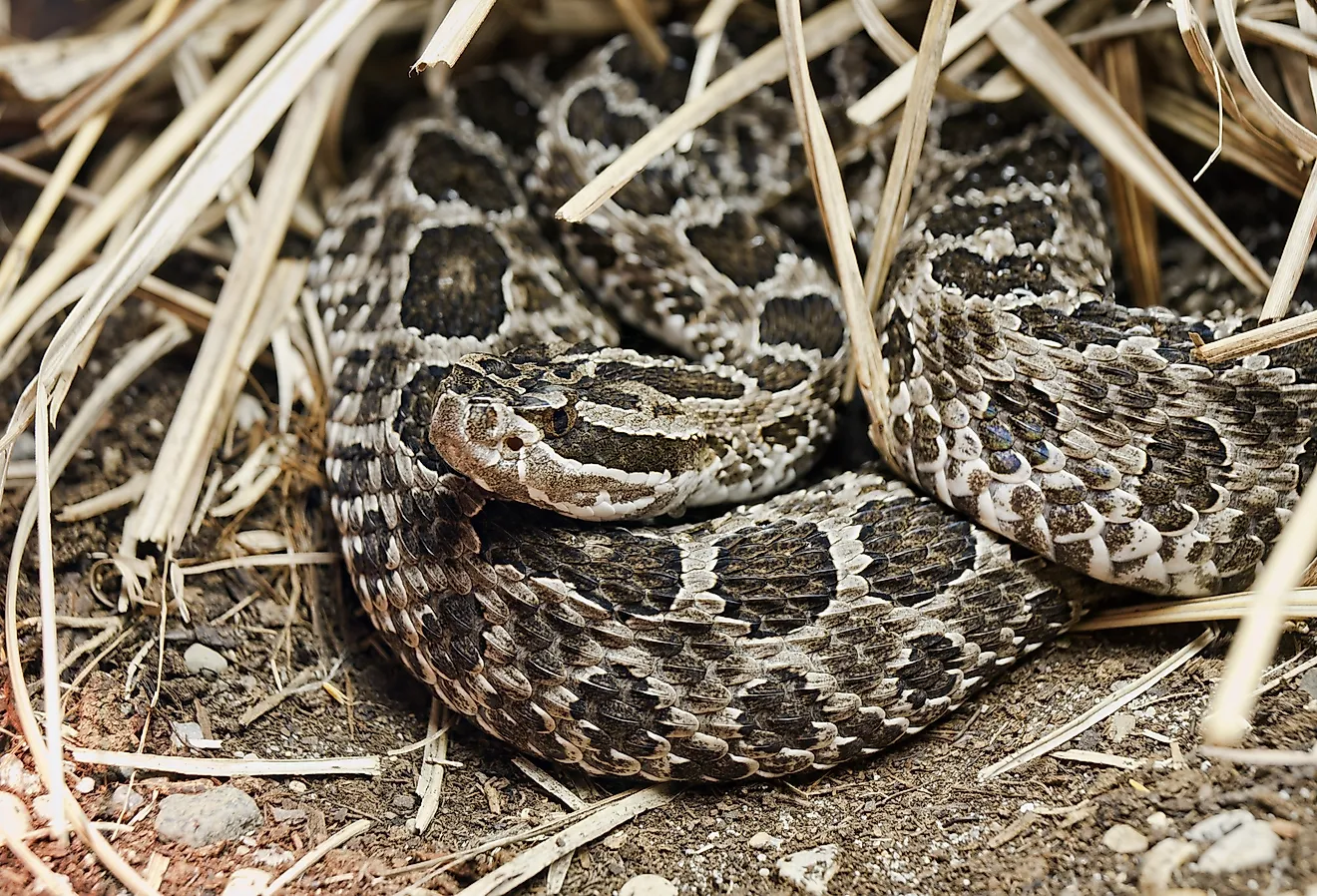
All 30 deaths recorded between 2018 and 2023 happened in the South. Most American snakebite deaths are attributed to eastern and western diamondback rattlesnakes, and the eastern diamondback delivers the largest venom yield of any North American snake.
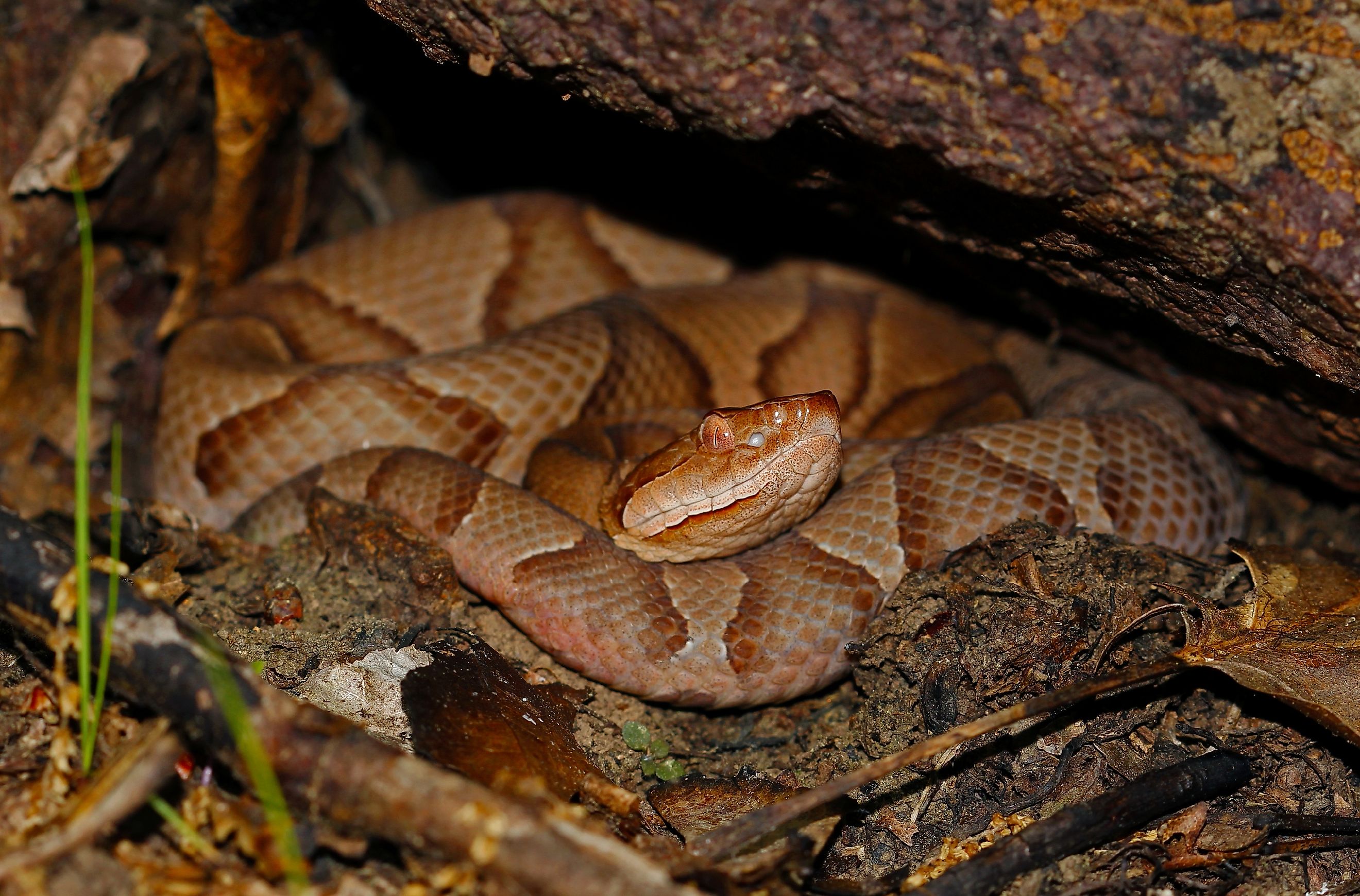
North Carolina records the highest bite frequency at roughly 19 per 100,000 against a national average near 4, largely from copperheads rather than rattlesnakes.
Distance To A Hospital Is The Variable

What separates the United States from countries with high snakebite mortality is logistics rather than biology.
Death from bites in the US is rare because of proximity to healthcare professionals and targeted availability of antivenoms. In remote parts of Africa, Asia and South America a patient may travel 12 hours or more to reach a hospital that stocks it.
India recorded approximately 51,100 snakebite deaths in 2019. The US accounts for less than 0.01 percent of global snakebite deaths.
Survival Is Not The Same As Recovery

The death figure hides a burden that has not improved nearly as much.
More than 30 percent of US patients report persistent pain, swelling or functional impairment three months after envenoming. Disability following rattlesnake bites runs between 10 and 44 percent of those envenomated.
Antivenom has little effect on the tissue damage around the bite itself. It prevents death rather than injury.
Antivenom Has Its Own Risks

The treatment that drove mortality down is not without cost.
Reports suggest between 6 and 59 percent of those treated with antivenom experience early onset reactions to animal-based plasma. Cost is a recognized concern for patients and physicians alike.
Pharmaceutical companies have also been reluctant to invest, because antivenom is a single-use product with limited returns rather than a recurring prescription.
Most Bites Never Needed It

A final factor keeps the death figure low before any treatment is given.
Roughly 20 to 45 percent of snakebites actually envenomate the victim. The remainder are dry bites delivering no venom at all.
So of 7,000 to 8,000 venomous bites a year, only a portion involve envenomation, and of those a tiny fraction prove fatal.
The Short Answer

American snakebite deaths went from about 14 a year in the early 1950s to 10 or 12 by the 1990s and five today, out of 7,000 to 8,000 venomous bites. The fall in the count is modest. The fall in the odds is not.
Nineteenth-century mortality from a venomous bite ran as high as 25 percent. Today a patient reaching a hospital and receiving antivenom faces something under 0.1. Wyeth's 1954 antivenom, the arrival of emergency medicine and the simple fact that most Americans live within reach of a hospital account for nearly all of it.