The Longest Road Tunnel In America
Alaska's Department of Transportation lists the Anton Anderson Memorial Tunnel at 13,300 feet, or 2.5 miles, and calls it the longest highway tunnel in North America. It is one lane wide, shared by cars and freight trains traveling in both directions, and it is the only way to reach the town of Whittier by road. Whether it is actually the longest depends on how you count, because Boston's Big Dig produced a longer one.
Thirteen Thousand Three Hundred Feet

The headline figure comes from the agency that operates it.
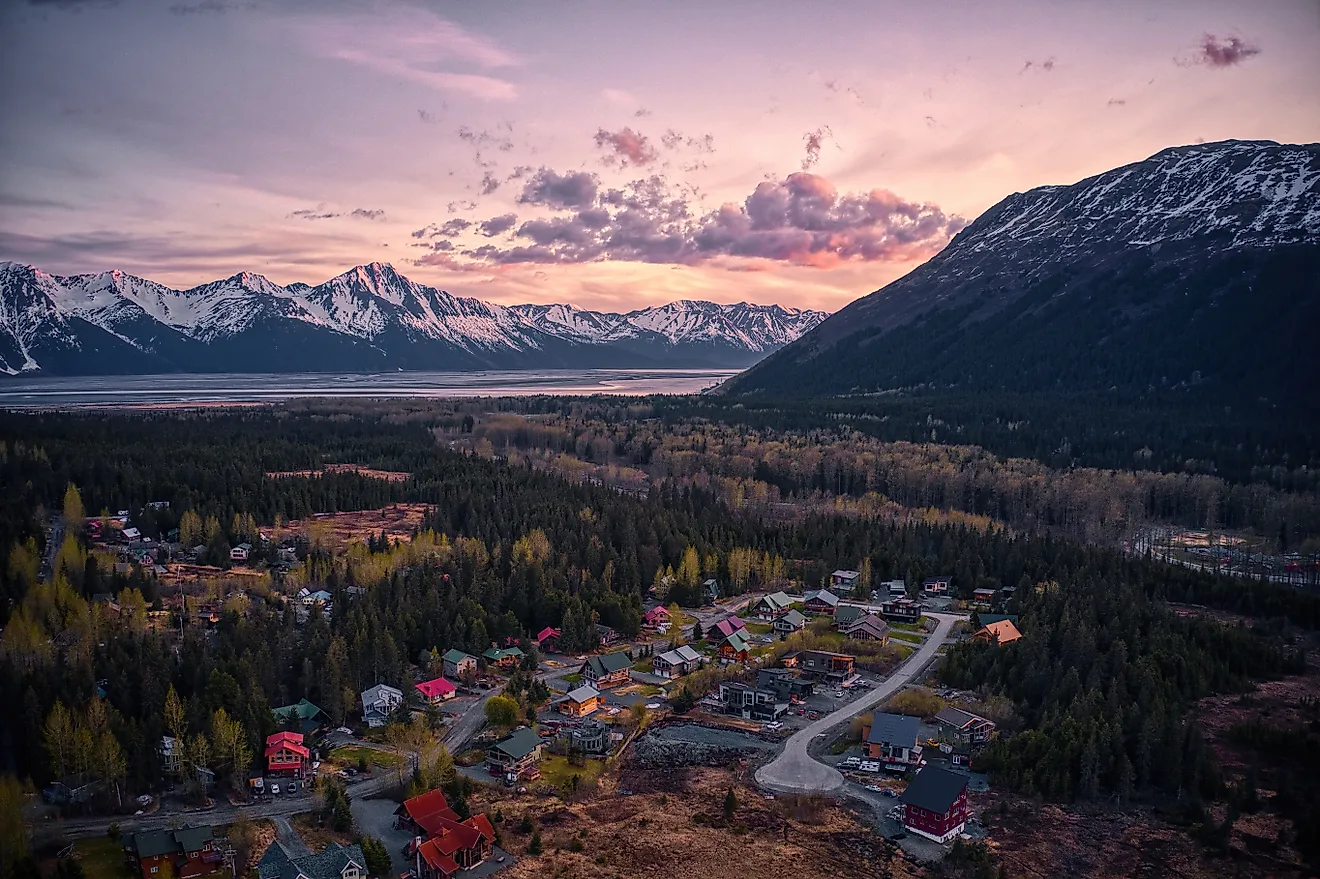
Alaska DOT lists the tunnel's landmark accomplishments starting with longest highway tunnel in North America at 13,300 feet, or 2.5 miles. It runs beneath Maynard Mountain in the Chugach Range, about 50 miles southeast of Anchorage.
It opened to vehicle traffic on 7 June 2000 after extensive conversion from a World War Two railroad tunnel.
Boston Has A Longer One

The superlative is contested and worth stating plainly.
Anton Anderson held the title of longest road tunnel in North America until the completion of the 3.5-mile Interstate 93 tunnel built as part of Boston's Big Dig. By raw length, the Boston tunnel is a mile longer.
What Anton Anderson unambiguously retains is the title of longest combined road and rail tunnel in North America, and the longest single-lane highway tunnel. Alaska DOT still uses the broader claim.
One Lane, Both Directions, Plus Trains

The operating arrangement is what makes it genuinely unusual rather than merely long.
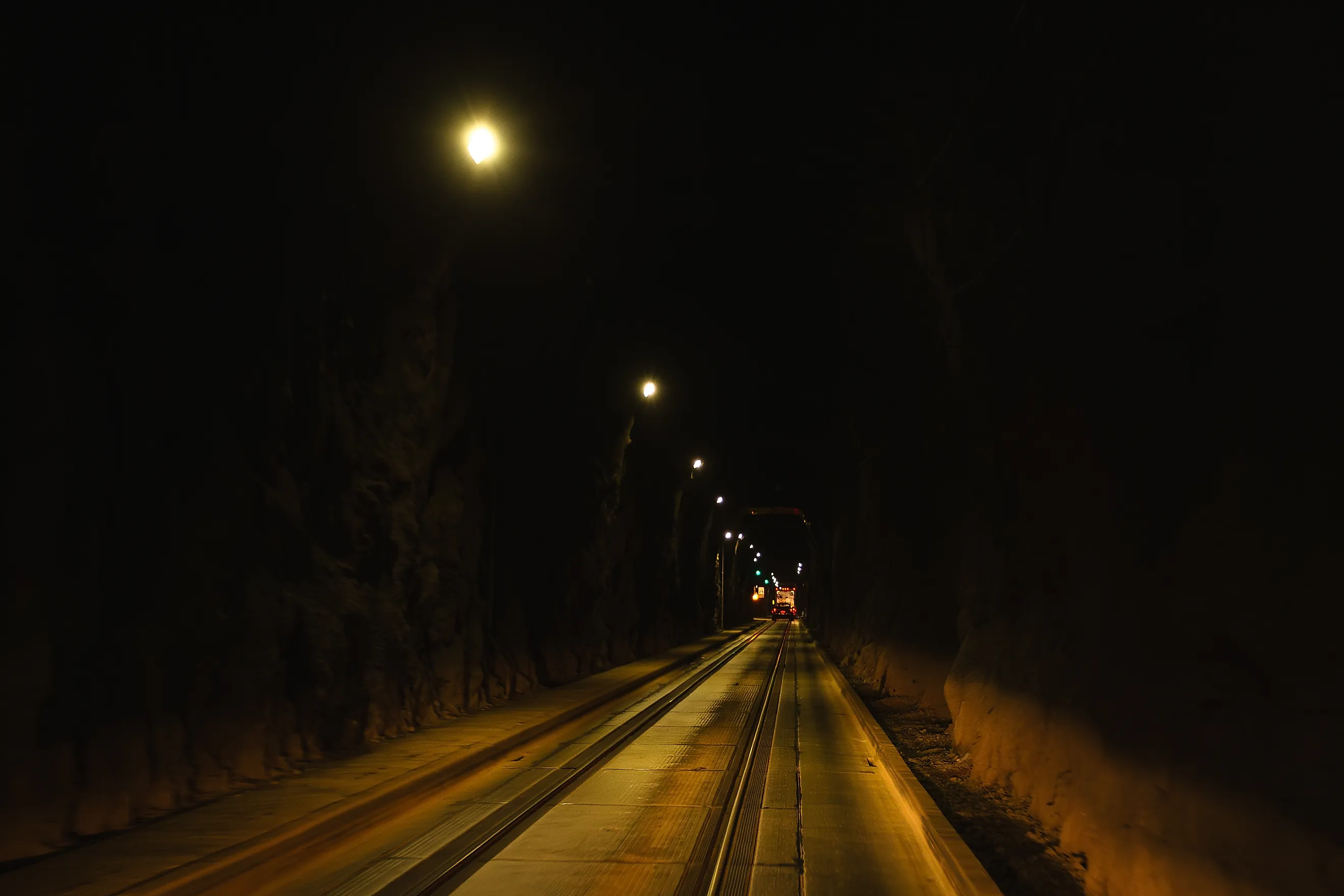
A single bore carries one lane of road traffic over a railroad track sunk into the roadway. Cars going one way, cars going the other, and Alaska Railroad trains all take turns on the same strip of ground.
Traffic alternates on a published schedule, with ventilation cycles between. Nothing else in North America works this way.
A Computer Runs The Timetable

Coordinating three traffic streams through one tube required a first.
The tunnel was the first in the world to use computerized regulation of both rail and highway traffic. It was also the first US tunnel with jet turbine and portal fan ventilation.
The turbines clear exhaust between cycles, which is necessary because vehicles cannot pass each other and a stalled car would otherwise fill the bore.
Built For Forty Below

The design specification reads like a list of local hazards, because it is.
It was the first tunnel designed for minus 40 degrees Fahrenheit and 150 mile per hour winds. The portals are built in a distinctive A-frame shape to shed avalanches.
Fire equipment and firefighters are stationed on site. A one-lane tunnel two and a half miles long has no good options if something goes wrong inside it.
The Army Dug It In The War

The tunnel is eighty years old and the road part is only twenty-five.
The military built it between 1941 and 1943 as a rail-only tunnel, creating a supply route from the ice-free port of Whittier to inland Alaska. The strategic logic was a harbor the enemy could not easily find or reach.
It was named for Anton Anderson, chief engineer on the rail access project. Conversion to combined use ran from 1998 to 2000.
Conversion Beat Building New
The decision to share one bore rather than bore a second was financial.
Running a single lane of traffic directly over the existing railroad track saved tens of millions against the cost of constructing a new tunnel. The roadway was built from 1,800 texturized concrete panels with the rails sunk into it.
Before the late 1990s there was no road to the tunnel at all. The approach had to be built as well.
It Won Engineering's Top Award
The profession's judgment on the result was emphatic.
The project took the American Society of Civil Engineers' 2001 Outstanding Civil Engineering Achievement Award, the society's highest honor, along with a Grand Award from the American Council of Engineering Consultants.
It also collected awards for environmental protection and design-build delivery in the same period.
It Serves About Two Hundred People

The population at the far end is smaller than most people expect for infrastructure on this scale.
Whittier has around 250 residents, most of whom live in a single building. The town sits on Prince William Sound with no road access except through the tunnel.
It is also a working port handling cruise passengers, freight and the Alaska Railroad, which is what justifies the engineering rather than the resident count.
The Tunnel Closes At Night
Living behind a scheduled tunnel imposes a rhythm on the town.
Access runs on fixed openings rather than continuously, and travelers heading for a cruise departure are advised to allow at least an hour to drive from Anchorage to the tunnel terminus at Bear Valley.
Miss the last cycle and you wait. The road is open on a timetable rather than a map.
The Short Answer
Alaska's Anton Anderson Memorial Tunnel at 2.5 miles is the longest single-lane highway tunnel and the longest combined road and rail tunnel in North America, and Alaska DOT calls it the longest highway tunnel outright. Boston's 3.5-mile Interstate 93 tunnel is longer by raw length.
What makes the Alaska tunnel worth the argument is everything else about it: one lane shared by cars both ways and freight trains, computer-timed cycles, jet turbine ventilation, a design rated for minus 40 and 150 mile per hour winds, and a WWII rail bore underneath all of it.