The US Towns Where Rattlesnakes Show Up In Backyards
In Scottsdale, a woman and her dog both stepped right over a coiled rattlesnake on the back patio before it started to rattle. In Cave Creek, another turned up under a trash can in December. In much of the West, a rattlesnake in the yard is not a freak event but a regular part of life. These are the towns where new neighborhoods press up against desert, foothills, and canyons, and where homeowners keep a snake removal number handy.
Cave Creek, Arizona

Cave Creek, in the foothills north of the Phoenix area, is built right into rattlesnake country, with homes scattered among saguaros, boulders, and dry washes. Snake removal crews are called to the town again and again, finding rattlesnakes coiled by yucca plants, tucked under trash cans, and resting on tables by the front door.

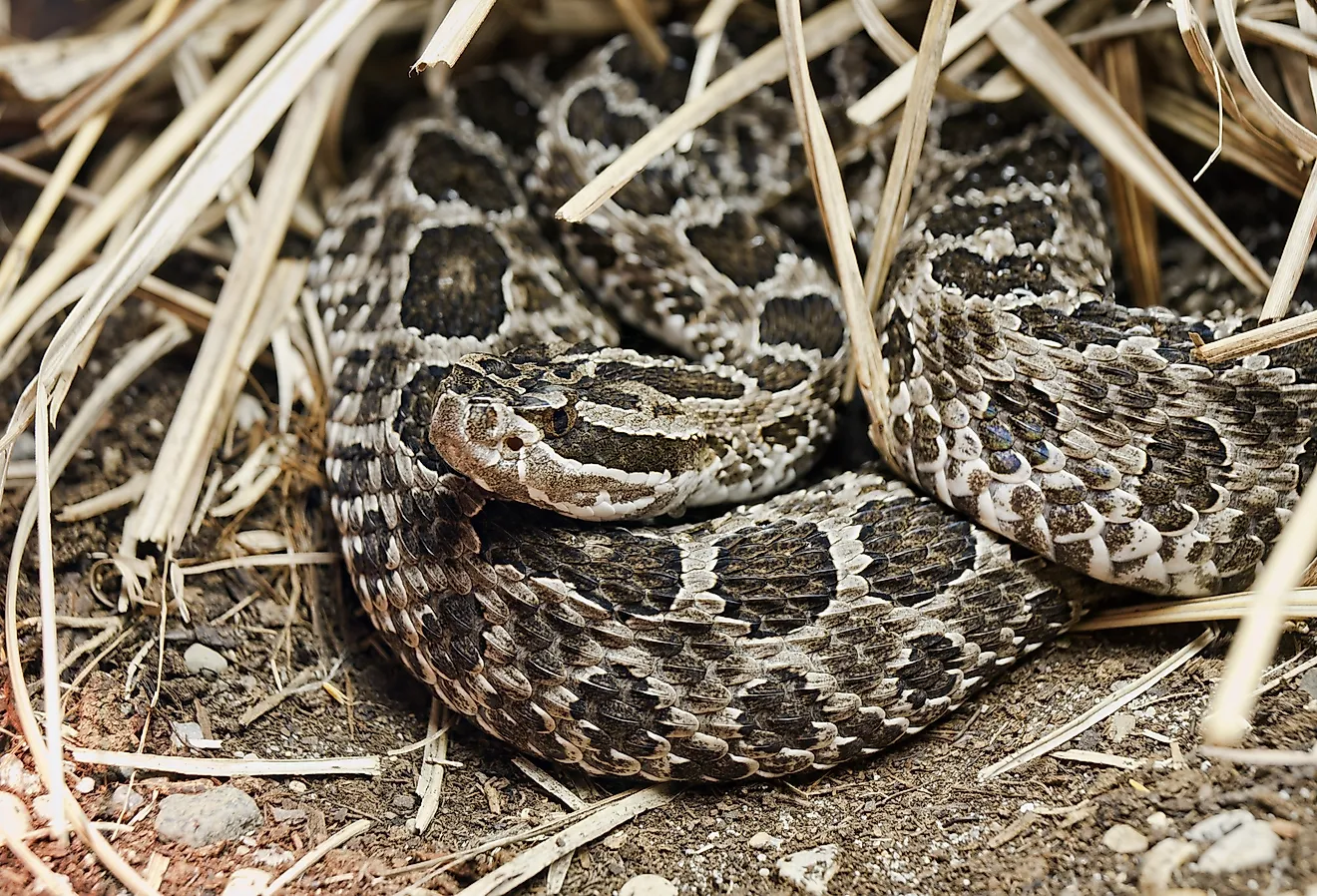
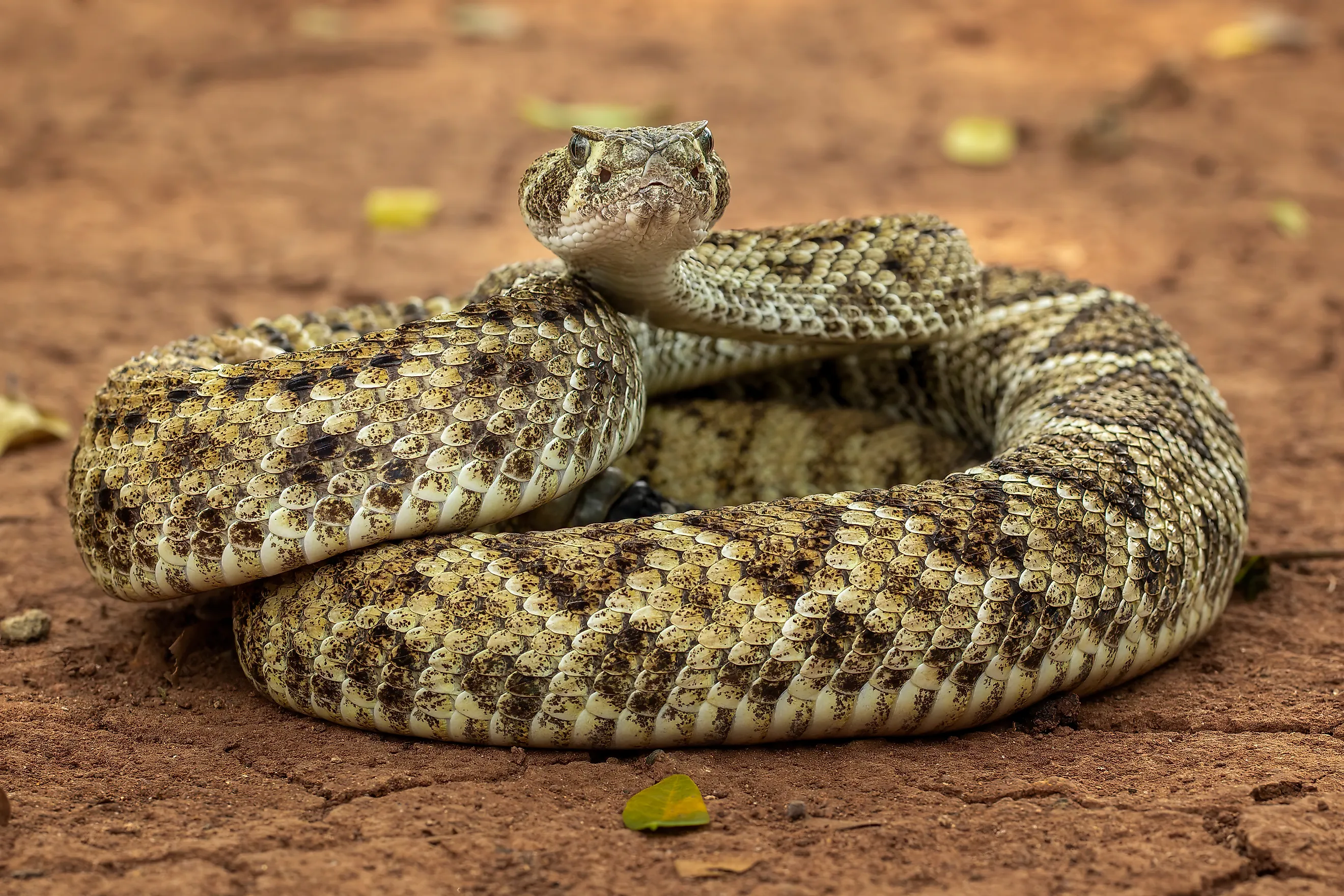
Many of the encounters happen at the edges of town, where yards back up to golf courses and desert preserves. The town is home to several species, including the western diamondback, blacktail, and speckled rattlesnakes, and their activity can pick up even on unusually warm winter days.
Fountain Hills, Arizona

Rattlesnakes are such a regular sight in Fountain Hills that the town offers its own removal service. When a rattlesnake turns up in a resident's immediate area, near a door or a car or inside a garage, crews will come move it, usually just over the back fence, since snakes taken too far from home often die.

The town sits against the McDowell Mountains and open desert, and its winding streets bring homes and rattlesnake habitat side by side. Removal crews report snakes in backyard courtyards and leaf piles, and the town encourages residents to learn which harmless snakes, like kingsnakes, help keep rattlesnakes away.
Oro Valley, Arizona

Oro Valley, at the foot of the Santa Catalina Mountains north of Tucson, sees regular rattlesnake visits to homes on the edge of the desert. In 2026, removal crews were called to Oro Valley yards to remove western diamondbacks, including one sitting outside a rodent hole in a home's front courtyard.

The town's neighborhoods are laced with washes and natural desert, which serve as corridors for snakes hunting rodents. Encounters spike in the warm months and after summer monsoon storms, when snakes are most active and often seek shelter in garages, under patio furniture, and in shaded entryways.
Murrieta, California

In Murrieta, in Southern California's Inland Empire, the fire department will come remove rattlesnakes from homes, a service many residents do not know exists. Most of the calls come from backyards, especially in neighborhoods that border open land along Murrieta Creek.

The city's fire chief has noted that many of these tract homes did not exist a decade earlier, and the rattlesnakes were there first. Firefighters train each year to handle the snakes, then relocate them nearby. Residents are urged to be careful when moving plywood, woodpiles, or branches, which snakes use for shade on hot days.
Folsom, California

Folsom, in the Sierra foothills east of Sacramento, mixes suburban neighborhoods with oak woodland, grassland, and lakeshore, all prime habitat for the northern Pacific rattlesnake. Local snake removal services report rattlesnakes on back patios, by sliding doors, and curled up in entryways.

In one case, a couple opening their sliding door for their dog heard what sounded like a sprinkler, only to discover a rattlesnake on the patio. Regional removal companies say they relocate hundreds of rattlesnakes each year across the Sacramento foothills, many of them from yards in towns like Folsom, El Dorado Hills, and Granite Bay.
Colorado Springs, Colorado

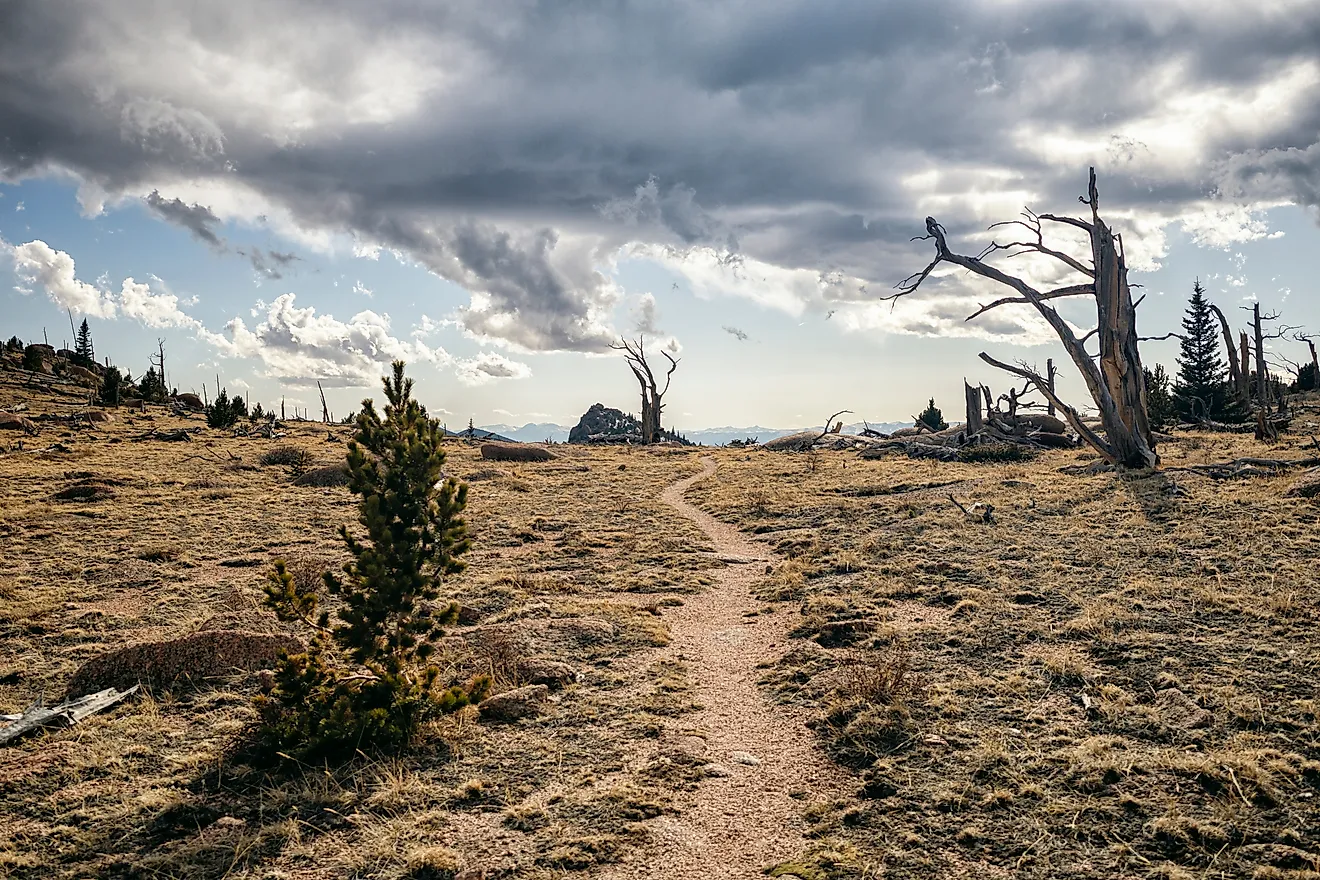
Along Colorado's Front Range, the prairie rattlesnake is the species homeowners are most likely to meet. In Colorado Springs, neighborhoods near the Cheyenne Mountain foothills and open spaces like Palmer Park regularly see snakes moving between natural habitat and residential yards.

The city's many open-space trails bring people and snakes together too. In 2022, a 6-year-old boy was bitten while riding his bike with his family in a city open space and later died, a rare and tragic case. Colorado wildlife officials remind residents that prairie rattlesnakes are protected as small game and should be left to professionals to remove.
Keeping Rattlesnakes Out Of The Yard
Rattlesnakes come into yards looking for food, shade, and water, so the best defense is removing what attracts them. Clear woodpiles, rock piles, and dense brush near the house, seal gaps under doors and garages, and control rodents. Some homeowners install snake fencing along the bottom of walls. If a rattlesnake does appear, keep people and pets back, watch where it goes, and call your local fire department or a professional removal service rather than trying to kill or move it yourself, since many bites happen that way. Teaching children to recognize rattlesnakes and back away slowly is one of the simplest safety steps a family can take.