The Retirement Towns Retirees Are Now Leaving
America's famous retirement towns are not emptying out. The Villages, Punta Gorda, and Cape Coral in Florida, and Fairhope in Alabama, are still adding older residents at a brisk pace, according to the Census Bureau. But look a little closer, and a different pattern appears. In a handful of long-popular retirement spots, the number of residents aged 65 and older has actually fallen in recent years. Storms, soaring insurance bills, rising home values, and vacation rentals are reshaping these places. Here is where retirees are leaving, and what seems to be pushing them out.
Sanibel, Florida

For decades, Sanibel's quiet beaches, shelling, and wildlife refuge made it one of Florida's most beloved retirement islands. But Census estimates show its population of older residents falling by close to 9% in recent years, a notable shift for a town where retirees have long been the majority.
In September 2022, Hurricane Ian slammed into Sanibel, washing out the causeway that links it to the mainland and damaging or destroying many homes. Some longtime residents chose not to rebuild, selling instead or moving closer to family and medical care. Rising flood insurance costs and stricter building rules for rebuilding have also made it harder for retirees on fixed incomes to stay.
Hutchinson Island South, Florida

Hutchinson Island South, a stretch of beachfront condominiums on Florida's Treasure Coast, has long attracted retirees looking for ocean views and low-maintenance living. Recently, its population of residents aged 65 and older has fallen by about 13%.
Condo life in Florida has become much more expensive. After the deadly 2021 collapse of a condominium tower in Surfside, the state passed new laws requiring older buildings to complete safety inspections and build up repair reserves. For many condo owners, that has meant large special assessments and higher monthly fees, on top of rising insurance costs. Some retirees have sold rather than absorb the bills.
Leisure Village, New Jersey

Ocean County, New Jersey, is filled with age-restricted adult communities, many built in the 1960s and 1970s for retirees leaving New York and North Jersey. Two of the oldest, Leisure Village and Leisure Village East in Lakewood Township, have each lost more than 12% of their older residents in recent years.
As the original generation of residents ages, fewer new retirees are replacing them, and many younger retirees now prefer newer communities with larger homes and more amenities, or warmer states altogether. The result is turnover in communities that once had waiting lists, a quiet shift in one of the Northeast's best-known retirement regions.
Ocean City, Maryland

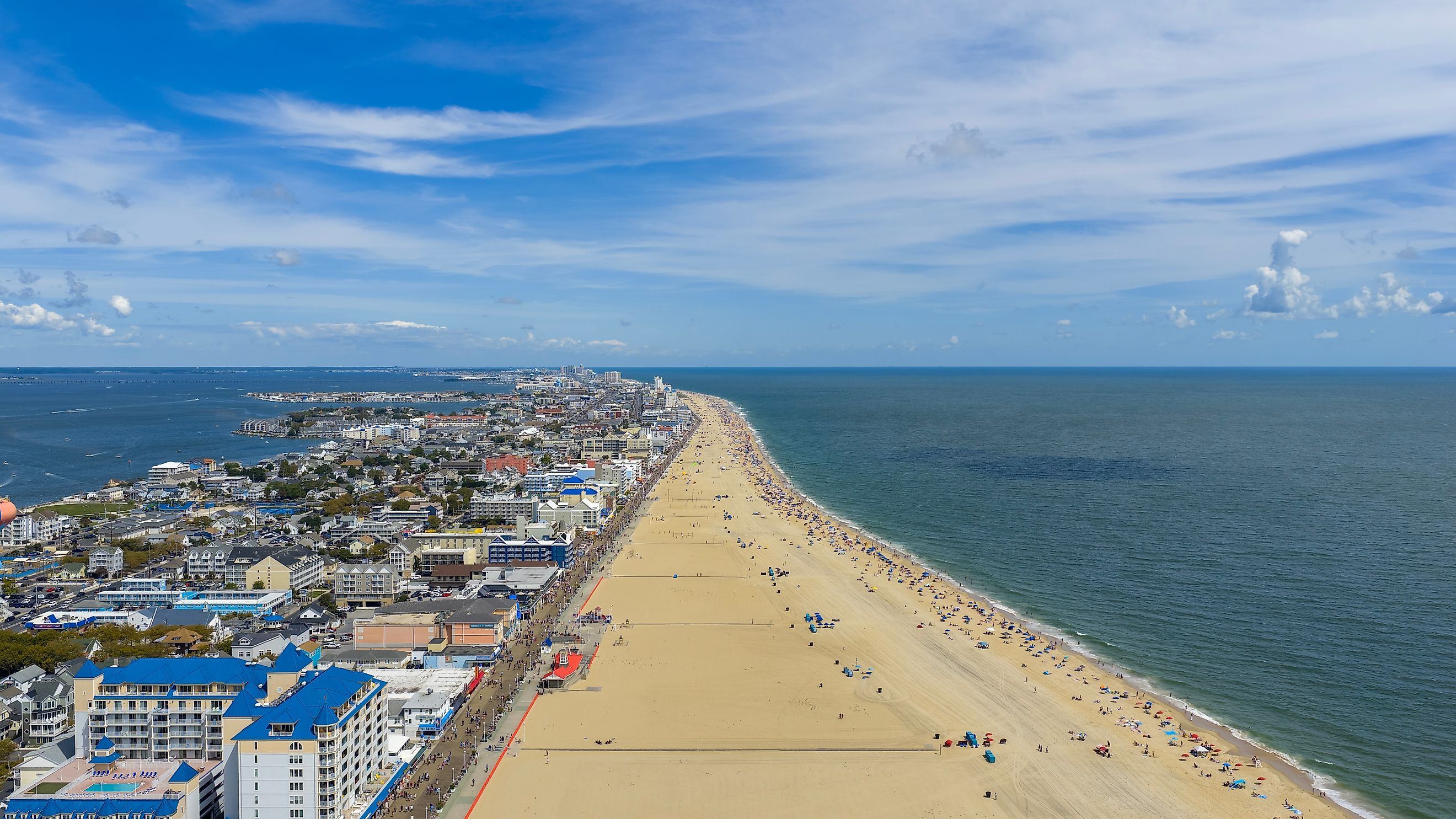
Ocean City, Maryland, is best known as a summer beach resort, but its year-round population has long included many retirees, drawn by the boardwalk, the beach, and quiet off-season months. Census estimates show its population aged 65 and older falling by about 13% in recent years.
Rising property values have given many longtime owners a strong incentive to sell, and some condos and homes have shifted toward vacation rentals, which bring in more money than year-round residents. Older residents also face long drives for specialized medical care. Together, those pressures appear to be thinning out the town's year-round retiree community.
Orange Beach, Alabama

Orange Beach, on Alabama's Gulf Coast, has been a favorite for retirees seeking white-sand beaches at lower prices than Florida. Its older population has fallen by about 13%, even as the town as a whole has grown.
The town has seen a boom in condo towers and vacation rentals, and rising home insurance costs along the Gulf Coast have hit retirees on fixed incomes especially hard. Hurricane Sally, which struck the area in 2020, reminded residents of the risks of beachfront living. Many retirees appear to be moving inland, to nearby towns with lower costs, where the coast is still a short drive away.
Healdsburg, California

Healdsburg, in Sonoma County's wine country, combines a charming town plaza with vineyards and the Russian River, making it a longtime draw for retirees. In recent years, its population of residents aged 65 and older has fallen by about 15%.
Home prices in Healdsburg have climbed among the highest in the region, giving longtime owners a strong reason to cash out and move somewhere more affordable. Wildfire risk and rising insurance premiums in Sonoma County have added to the pressure. Newcomers tend to be wealthier buyers, often as second-home owners, rather than full-time retirees.
Kahaluu-Keauhou, Hawaii

Kahaluu-Keauhou, on the sunny Kona Coast of Hawaii's Big Island, has long attracted retirees from the mainland with its warm weather, snorkeling bays, and condo communities. Its population aged 65 and older fell by more than a fifth in recent years, one of the steepest declines among retirement destinations.
High living costs, expensive health care, and long flights to see family can make retirement in Hawaii difficult over time. Many condos in the area have also shifted toward vacation rentals. As older residents move back to the mainland, they are often replaced by visitors rather than new year-round retirees.
What's Driving The Shift
The towns losing retirees share a few pressures. Many sit on vulnerable coastlines, where hurricanes and rising insurance costs have changed the math of retirement. Others have become so expensive that longtime owners are cashing out, while vacation rentals replace year-round neighbors. Older adult communities face simple turnover as their original residents age. Meanwhile, newer, more affordable retirement towns continue to grow, suggesting that retirees are not giving up on the dream, just looking for it in different places. For retirees weighing a move, the lesson is to look beyond the view and consider insurance, storm risk, and long-term costs before buying.