The State Parks Where Alligators Roam Free
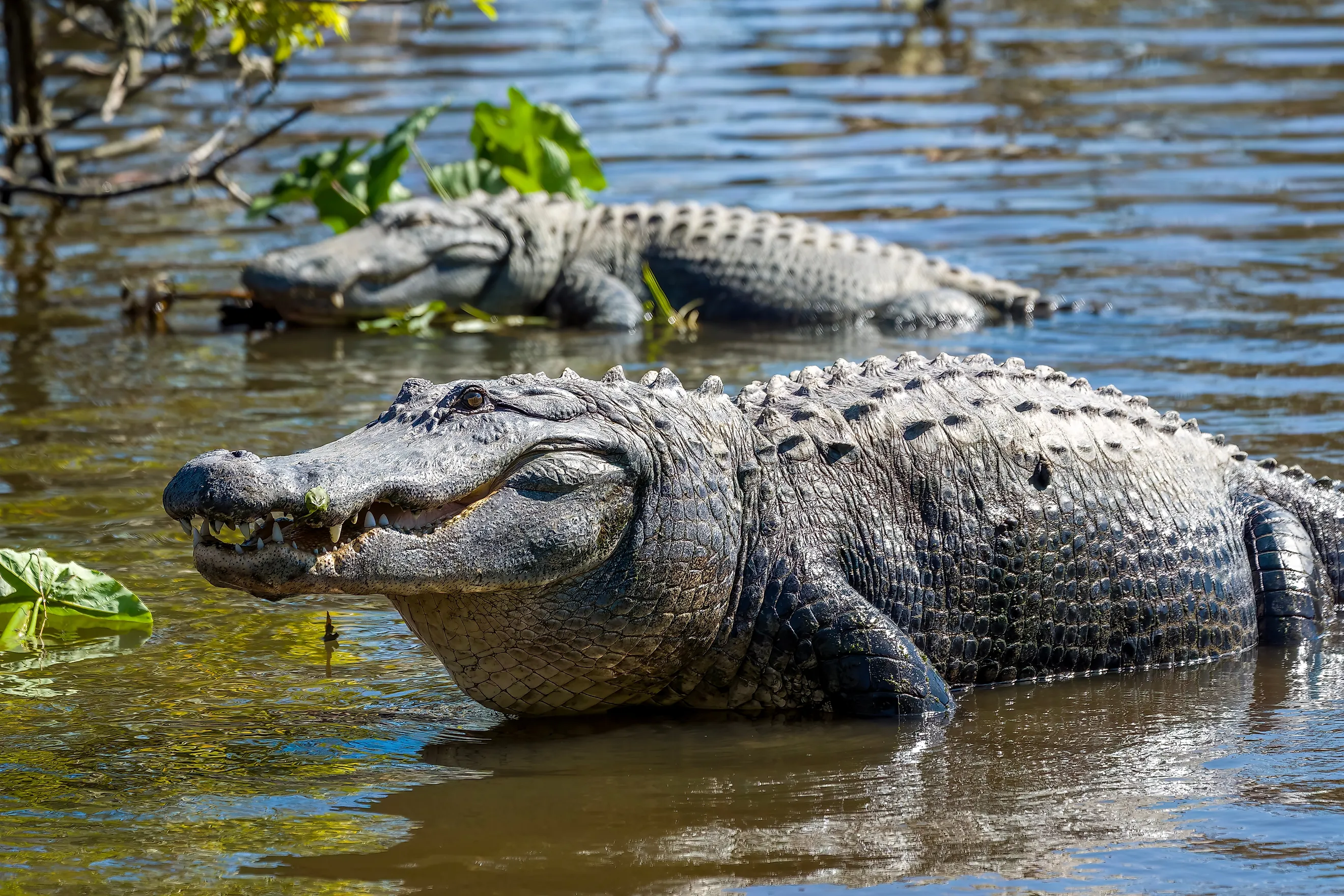
Anywhere in the Southeastern United States. That is where American alligators roam freely through many state parks. Reaching a maximum length of 15 feet and weighing as much as 1,000 pounds, Alligator mississippiensis is one of the largest reptiles in North America. They inhabit slow-moving rivers and swamps as well as marshes and lakes where they can disappear beneath the surface and even tolerate salinity for short periods of time. With over five million alligators across the Southeastern United States there is no need to travel all the way to Everglades National Park to observe them in the wild. These state parks have healthy alligator populations of their own that visitors can view with fewer crowds and lower entrance fees.
Myakka River State Park, Florida

There is a saying in Florida. If there's water, there's a gator in it. This adage is perhaps most true at Myakka River State Park, one of Florida's oldest and largest state parks. Myakka River State Park spans over 37,000 acres. The best time to view alligators in Myakka River State Park is in early spring, between late March and April, as this coincides with their breeding season. The park's most popular alligator viewing location is Deep Hole, a sinkhole where more than 100 alligators have been observed at one time. The sinkhole measures 295 feet wide and 130 feet deep. Lower Myakka Lake fills Deep Hole in the summer, but during the winter months when other wetlands dry up, Deep Hole is all that remains, concentrating fish in the water. Alligators gather in large groups to feed, creating a wildlife spectacle for visitors.
Paynes Prairie Preserve State Park, Florida

Paynes Prairie Preserve State Park is known for its herds of wild horses and bison roaming the prairie, but they are not the only large animal inhabiting the park's more than 21,000 acres. The preserve also supports a healthy population of American alligators. Alligators can be observed on some of the park's eight trails totaling over 30 miles. This includes the La Chua Trail, which features a boardwalk that passes through open prairie, dry land, and even over water where alligators are frequently seen. When the sun comes out, alligators are often observed basking along the canal to Alachua Sink. During drought conditions, alligator viewing opportunities along the La Chua Trail may be limited. As water levels fall, alligators are pushed into smaller areas where competition for territory and food intensifies. Under these conditions, larger alligators have been known to cannibalize smaller individuals.
Fakahatchee Strand Preserve State Park, Florida

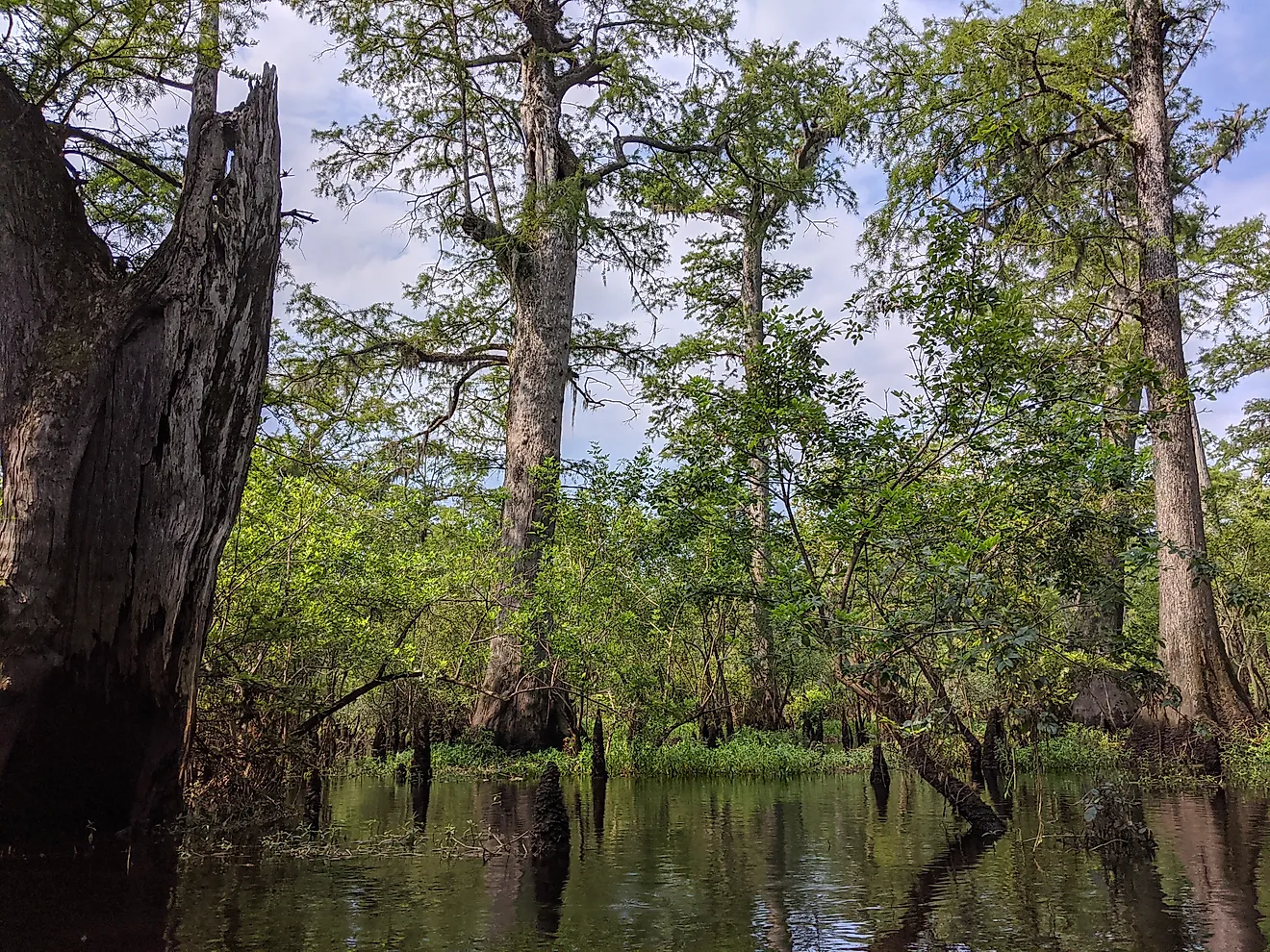
As Florida's largest state park, Fakahatchee Strand Preserve State Park spans over 80,000 acres of wilderness that is home to the largest strand swamp in the world. Strand swamps are shallow, forested, elongated depressions or channels that occur within flat limestone plains. During the wet season, they often support surface water flow. Understandably, its slow-moving fresh waters are optimal alligator habitat. The park is divided into four main use areas. Big Cypress Bend Boardwalk winds deep into the cypress forest, through an untouched section of the Fakahatchee Strand Swamp for 2,500 feet. The swamps and strands within the preserve create nursery habitat for young alligators. Although the boardwalk provides a safe vantage point from protective mother alligators, there are a couple of sections where the trail deviates from the boardwalk, and alligators could potentially be lingering in the trees.
Highlands Hammock State Park, Florida

Highlands Hammock State Park may support a delicate ecosystem home to many rare species, but it is also home to one of Florida's most familiar species, the alligator. The park encompasses over 9,000 acres and is known for its old-growth hammock, cypress swamps, marshes, and wetlands. The Alligators Tram Tour is one of the safest and easiest ways to observe alligators in their natural habitat. Alligators are often seen in high numbers basking along the banks of South Canal in the mornings. Visitors wanting a closer look can continue exploring on foot while hiking the Cypress Swamp Trail, which lets visitors walk through the swamp on an elevated boardwalk to an open vista where alligators can be seen. The Fern Garden Trail also has a boardwalk which runs through the marsh and allows for yet more chances to view alligators.
Brazos Bend State Park, Texas

Brazos Bend State Park covers close to 5,000 acres in Texas. Out of that, about 1,000 acres is water. There are around 250 alligators over six feet long in the park. That is roughly one alligator per four acres of water. They are most commonly seen during the spring and fall in Elm Lake and 40-Acre Lake. As long as the temperatures and geological conditions have allowed, alligators have inhabited the area that is now Brazos Bend State Park for the last 65 million years. The park's largest alligators are estimated to reach 15 or even 16 feet in length. Designated swimming areas in the park close at sunset as alligators are more likely to be active at dusk and dawn. If visitors see an alligator in or near the swimming area, they are advised to notify park staff promptly.
Hunting Island State Park, South Carolina

Hunting Island State Park is South Carolina's most popular state park, drawing in over a million visitors annually. The 5,000-acre barrier island is known for maritime forests, five miles of beaches fronting the Atlantic Ocean, and on occasion, alligators riding through the surf. Although alligators primarily inhabit freshwater habitats, they are capable of tolerating saltwater for several hours. Most sightings, however, occur in the park's freshwater ponds, such as Mullet Pond, where they are commonly spotted feeding, basking, and gliding along the surface of the water. Alligators can potentially be encountered upon arrival in the several small ponds between the parking lot and the Hunting Island Visitor Center. The visitor center has an outdoor deck where alligators can be seen amongst large patches of duckweed.
Stephen C. Foster State Park, Georgia

Stephen C. Foster State Park occupies just 120 acres. However, it serves as one of the primary gateways to the 402,000-acre Okefenokee Swamp. Stephen C. Foster State Park is one of three main entrances to the swamp. Okefenokee Swamp is the largest blackwater swamp in the United States, straddling the boundary between Georgia and Florida. The Okefenokee Swamp is home to an estimated 15,000 alligators, making it one of the densest alligator habitats in North America. The Trembling Earth Trail features a long stretch of elevated boardwalk that is ideal for getting a closer look at the swamp and its inhabitants, including alligators. Guided pontoon boat excursions, as well as canoe and kayak tours, allow visitors to venture deep into Okefenokee Swamp with experienced guides to visit areas like Minnie's Run, Minnie's Lake, Billy's Island, Big Water, and even sunset tours of the swamp, when alligators are most active.
Tickfaw State Park, Louisiana

There are 5 million alligators roaming free in the United States. Over 3 million of them live in Louisiana. They are a common sight to behold in Tickfaw State Park, which occupies 1,200 acres of Louisiana bayous, swamps, and hardwood forests. More than six miles of elevated boardwalks and hiking trails wind through the wetlands, permitting visitors to safely explore prime alligator habitat while viewing other aquatic animals like beavers. Anglers can fish directly on the Tickfaw River, or alternatively, the park's fishing pond, which has a pier designated for casting a line. Fishing in the shaded shallows is common among locals, however, alligators occupy the edges of the pond. Although they are relocated once they reach over six feet, appropriate caution still needs to be taken when close to the water's edge.
Healthy Alligator Populations in State Parks
The American alligator was once on the brink of extinction, but thanks to strict conservation measures, they have made a significant recovery. Today, millions of alligators inhabit swamps, marshes, rivers, and wetlands inside state parks scattered across the Southeastern United States. The infrastructure of these state parks, such as elevated boardwalks that extend over the water, allows visitors to safely observe alligators in their natural habitat.