The National Forests With The Most Lynx
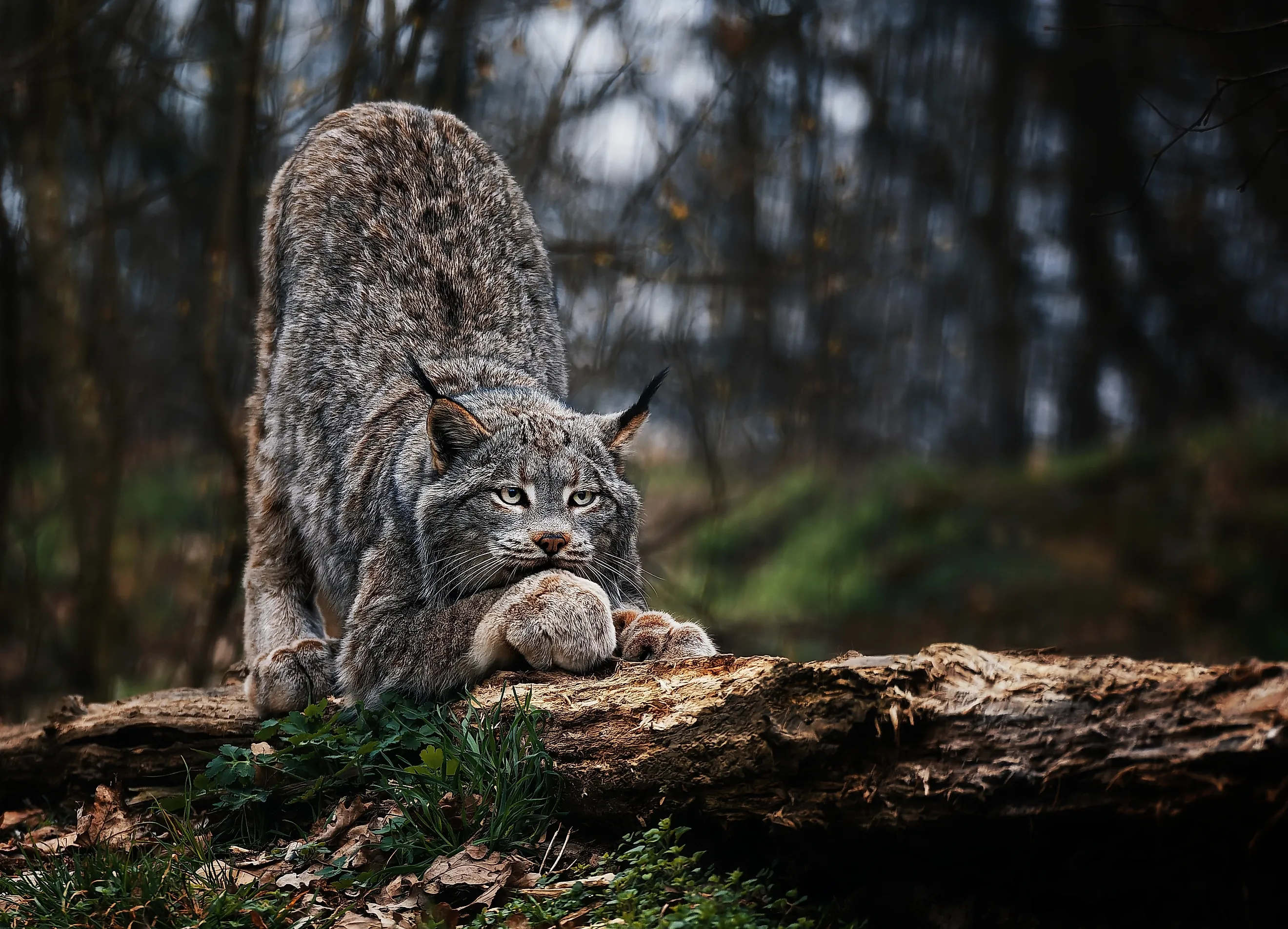
Deep in the woods of Colorado, a long-lost predator has returned and thrived: the Canadian lynx. Known for their long tufts on the top of their ears that make them resemble a slightly wilder version of a house cat, Canadian lynx are a hidden predator, growing up to 36 inches long and up to 35 pounds. They hide amid high-altitude areas, feeding on snowshoe hare, while using their large paws to navigate snowy mountains.
Although named after Canada, its range extends up into Alaska and south towards several northern states in the U.S., although they were reintroduced to Colorado in the early 2000s. National forests have played a crucial role in providing protected environments for these big cats, both for reintroduction and to protect existing populations.
Okanogan-Wenatchee National Forest

This 3.8 million-acre national forest is located on the eastern slopes of the Cascade Mountain Range in the state of Washington. It has wet mountain tops that receive 70 inches of rain a year, along with a drier steppe country that has less than 10 inches of rain. The Okanogan-Wenatchee National Forest also has the largest population of Canadian lynx still existing in Washington.
Due to habitat loss, there are now only around 100 lynx left in the state. Of these, just under 50 are estimated to live in the higher elevation forests in the western half of Okanogan county, which is part of the Okanogan-Wenatchee National Forest.
However, there have been efforts to restore the native lynx population elsewhere in Washington, such as on the Colville Reservation in the Kettle Range, which extends into the Colville National Forest. Since 2021, 36 lynx have been sucessfully released, and kittens were confirmed in 2025. A year later, trail cameras captured footage of some of those kittens had made it through the winter and were still living in the Kettle Range.
White River National Forest

The lynx that today live in the White River National Forest in Colorado are descendants of a group that was initially released in the San Juan Mountains. The population had nearly collapsed in the 1970s due to trapping and destruction of their native environment. In response, the Division of Wildlife brought in 218 lynx from 1999 to 2006. By 2010, populations had reached self-sustaining levels.
One such national forest they have recorded as entering is the 2.3 million-acre White River National Forest, which sits between Aspen to the south and Avon to the north, with 10 peaks that are part of the fourteeners (over 14,000 feet tall). Lynx have been spotted around Copper Mountain, which is a major ski resort in the national forest. They are particularly known to congregate in the higher elevation forests between Copper Mountain and Vail Pass. One of the best ways to spot them is to look out for snowshoe hares, which are a preferred prey for these cats.
San Juan National Forest

The San Juan National Forest covers 1.8 million acres of the San Juan Mountains, with elevations ranging from 5,000 feet to 14,000 feet, along with high mountain peaks and the headwaters of the Rio Grande and San Juan River. It is one of the older national forests in the nation, first protected by Theodore Roosevelt in 1905.
In the past, it was home to Pueblos and prospectors, but today it serves as a preserve for Canadian lynx, as this national forest sits squarely within the San Juan Mountains, where the lynx were first released.
One piece of evidence for the success of this program was the spotting of two Canadian lynx in 2013 by a retired National Park Service employee who spotted them on Molas Pass within the San Juan National Forest. There are several reasons lynx are so difficult to spot. For one, they typically hide in heavily forested environments, and they tend to be most active at night.
Rio Grande National Forest

The United States Department of Agriculture stated in a bulletin report that the Rio Grande National Forest in Colorado was the first place that lynx were released in 1999. This national forest borders the San Juan National Forest to the east and is the core territory of Canadian lynx in the state today.
Authorities were concerned that an outbreak of beetles destroying trees would impact the lynx, but they were still able to find comfortable living spaces, particularly in subalpine forests. In addition, they were able to find large numbers of snowshoe hares to eat. In the winter, the lynx would move to areas with large numbers of understory from spruce and fir trees.
Researchers note that the primary impact of the beetle infestation is on red squirrels, which make up about 28% of a lynx's winter diet. One potential source of competition is climate change and bobcats. Climate change is leading to earlier spring snowmelts, which give the Canadian lynx an edge over generalist predators like bobcats. Bobcats can be more aggressive than their Canadian relatives and push them out of hunting areas, and with less deep snow, lynx lose their advantage.
Superior National Forest

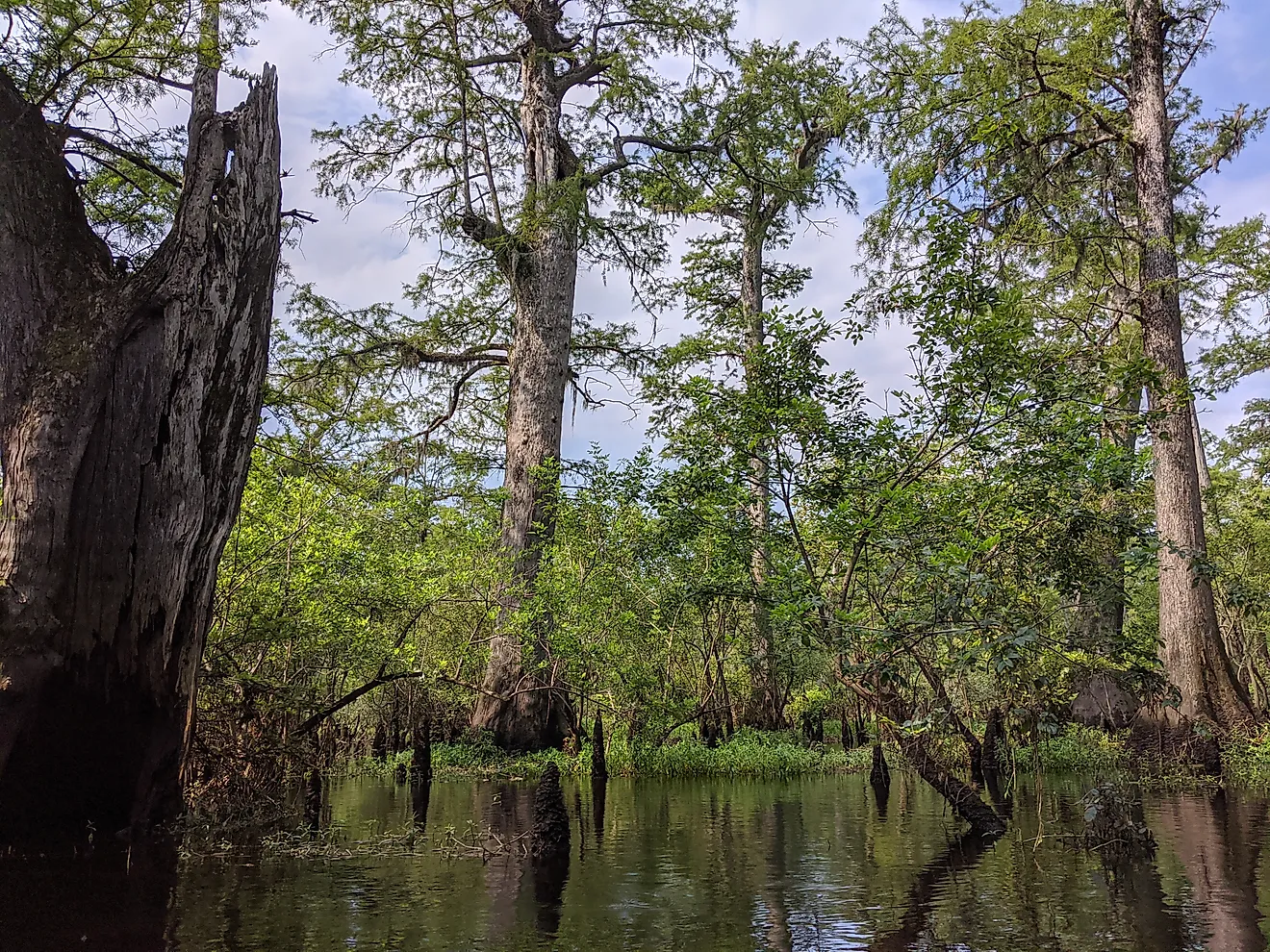
Located in Minnesota, Superior National Forest sits at the junction of Lake Superior, Voyageurs National Park, and Canada. It consists upwards of 3 million acres of boreal forests and lakes. In fact, more than 445,000 acres of the land is made up of water. It's also one of the biggest hotspots in the lower 48 states for Canadian lynx.
Lynx were first designated as a federally threatened species in March 2000 in Minnesota, and their population has been closely monitored. Although their population hit a major low of an estimated 40 members in 2016, in 2023, their numbers rebounded to 136, out of 200 in total in the Superior Nartional Forest.
Forest authorities use DNA mark-recapture analysis and snow tracking to estimate the number of Canadian lynx present in the forest. The Superior National Forest has a database of confirmed lynx and recommends that all sightings be reported to the Minnesota Department of Natural Resources. Although the vast majority have been confirmed in northeastern Minnesota, some have been found as far south as Steele County.
Spotting a Canadian Lynx
Maine is the biggest state for lynx populations, with about 1,000 living within the state, through a mixture of private and state-run property, as most of Maine's lynx habitat is on private and state land. Alaska also has large numbers of lynx, although their numbers are not tracked, and they are more prevalent in central Alaska than in the national forests to the south.
In Alaska in particular, it is legal to trap lynx for furs. They can often be lured in with catnip or aluminum foil.
National forests in the lynx territory help serve areas that historically did have lynxes but either eliminated them or have such reduced numbers that they need protected habitats to continue to flourish. Some of these efforts are beginning to be fruitful, with self-sustaining populations returning to Colorado. Lastly, if one does see a Canadian lynx in these forests, they need not worry, as lynx are not dangerous to humans.