The National Parks Overrun By Feral Hogs
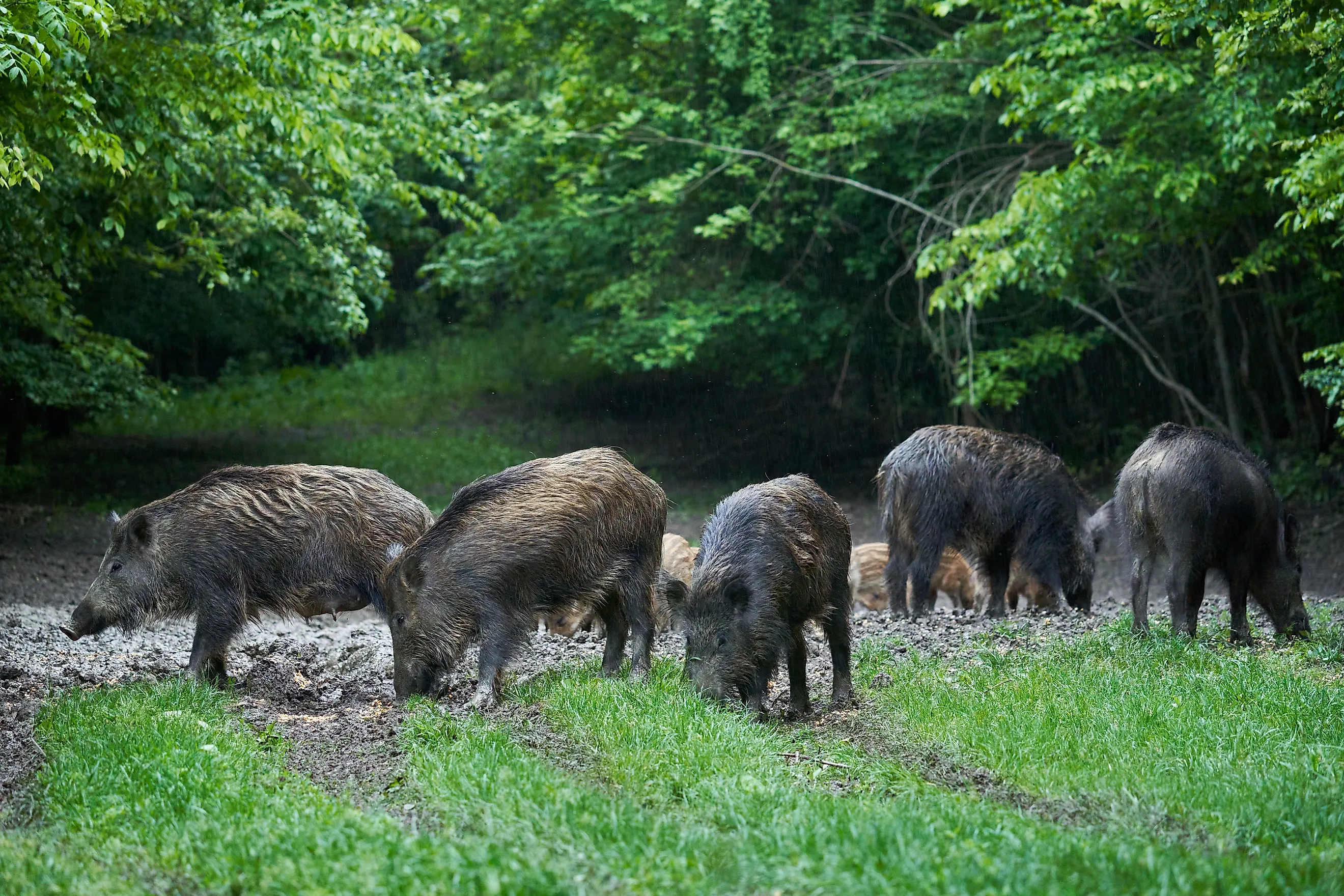
Teams of greedy hogs are causing a lot of damage in national parks across the United States. Since their introduction to North America in the early 1500s, feral hogs have impacted agriculture and natural environments, trampling soil, taking up valuable sources of water, and targeting native wildlife. These hogs came over in two waves, first from early colonists and later in the late 1800s with the introduction of wild Eurasian boars in game preserves for hunters.
Feral hogs come with many threats, such as introducing diseases like brucellosis to people and livestock, and they can also overrun natural landmarks, including several national parks. In fact, feral hogs cause an estimated $2.5 billion in agriculture damages in the U.S. every year. These highly invasive species can quickly reproduce and spread across important national parks. Below are some of the national parks that have been overrun by feral hogs and what is being done to control and remove these creatures.
Great Smoky Mountains National Park

The Great Smoky Mountains National Park is the most visited national park in the country, seeing 11.5 million visitors in 2025. It protects several crucial Appalachian environments, including the third-highest peak in the Appalachian Mountains: the 6,643-foot-tall Mount Kuwohi. Unfortunately, the park has unwelcome guests in the form of feral hogs.
The National Park Service notes that feral hogs will trample on native plants and destroy native wetlands and spruce-fir forest. They feed on large numbers of native animals as well, such as snakes and salamanders. Feral hogs can also impact historic grounds as they tear up historic cemeteries that were used by pioneers in the region. One of their worst attributes is the diseases they spread, such as pseudorabies, which is fatal to wild canines (like coyotes and foxes), and dogs, bears, and other mammals.
Feral hogs were first introduced to the region in April 1912 by George Gordon Moore, and had spread throughout the national park by the 1970s. Over time, they have interbred with other pigs, making them larger and more skittish.
Today, park staff have to regularly capture and kill feral hogs to keep the population under control, which is estimated to be 1,200 to 1,500 feral hogs. In 2025, park staff killed 503 hogs. This work is done by a small number of permanent staff, along with temporary employees.
Congaree National Park

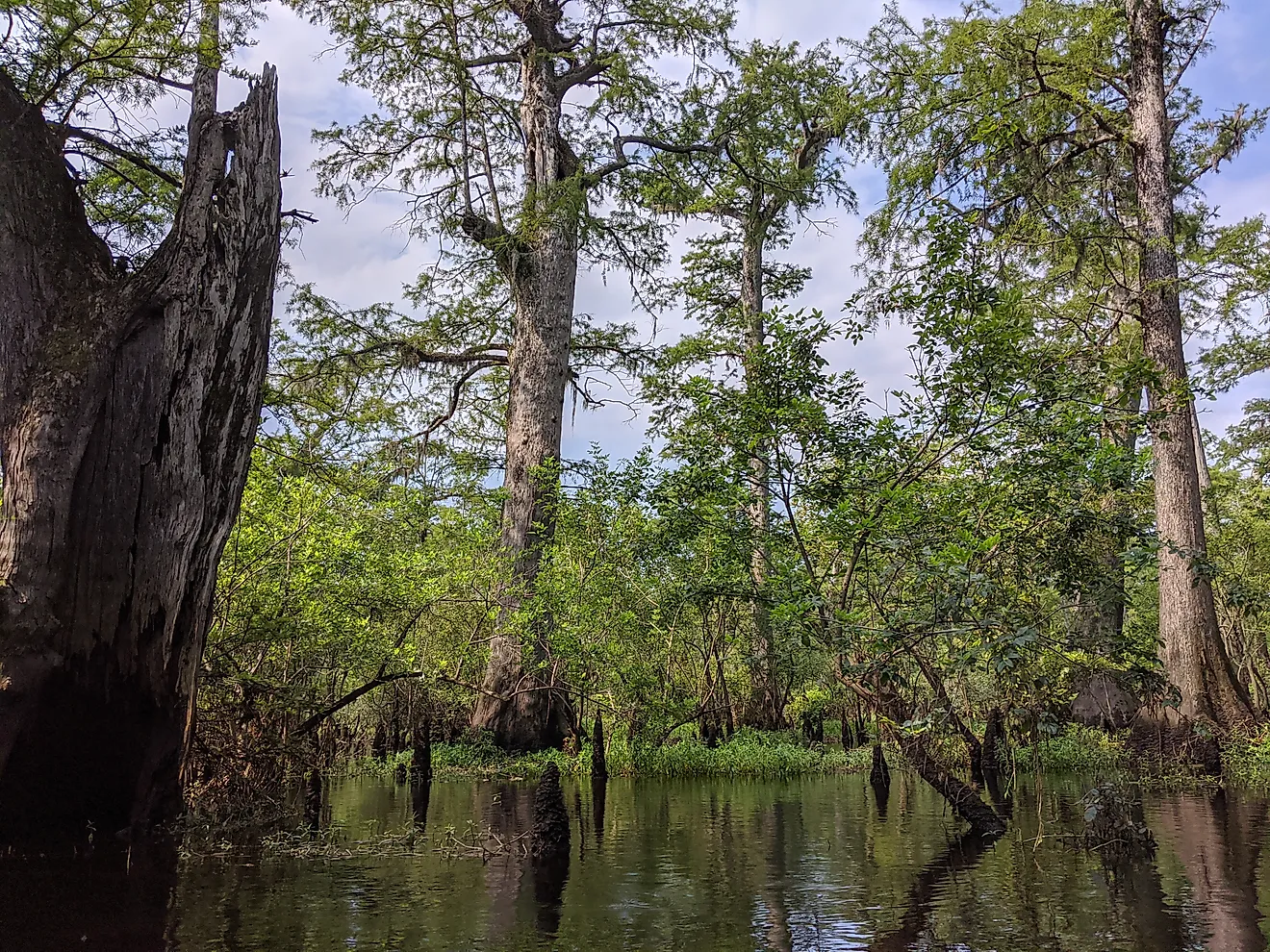
Congaree National Park is South Carolina's only national park. It was established for having the largest old-growth bottomland hardwood forest still extant in the southeastern U.S., with trees such as bald cypress, tupelo, and pine. The Congaree and Wateree Rivers regularly flood the forest, allowing river otters and alligators to swim through it. In this rare environment, feral hogs are a major threat.
Feral hogs can root up the forest floor and consume all manner of animals and plant life. As voracious omnivores, they will at times ram into trees to eat fruit, and can compete with wild turkeys and white-tailed deer for resources. Shallower waters can be damaged by their rooting behavior and by bacteria from feral hog waste. Rare plants are also under threat from feral hogs, such as the Carolina bogmint.
To counter these hogs, the park has utilized several methods, such as tracking and radio telemetry to see where the biggest concentration of feral hogs was located. The National Park Service also regularly shuts down areas of the park for hog culling operations, when hunters are sent out to eliminate hogs.
Pinnacles National Park

Located in California, Pinnacles National Park sits on the remnants of a volcanic field, which erupted 23 million years ago. It is most well known for its rock spires and talus caves, with elevations from 824 feet to 3,304. Other environments include canyons and oak woodlands, where feral pigs are known to run wild.
Domestic pigs were first brought over by the Spanish to California in 1769, and some would escape and become feral. Much later on, European boars were introduced to Monterey County, California, in 1925. These boars interbred with other feral pigs and made their way into the Pinnacles in the 1960s.
These hogs typically stay close to shaded areas as they are not tolerant of high heat. During the summer, they will retreat to oak woodlands to forage and wallow in the waters. They cause immense damage in this environment by preying on smaller animals such as baby deer and uprooting plants, which allows invasive plant species to take the place of native plants, further disrupting the ecosystem.
In order to contain the hogs, in 2003, the NPS constructed a fence enclosing 14,000 acres that stretches for 24 miles. This fence was built to prevent hogs from digging under it. The NPS then carried out a three-year-long elimination program to kill every hog in the fence.
In 2010, the park added nine more miles of fencing, especially to protect wetlands and riparian ecosystems. Park authorities continue to monitor the situation and eliminate hogs that enter fenced-off areas, with an overall goal of making the park completely hog-free.
The USDA's role in hog elimination

The U.S. Department of Agriculture created a Feral Swine Damage Management Program in 2014 with the goal of destroying feral hogs completely in some states and managing them in others.
Since the introduction of the program, it has been able to eliminate hogs in Colorado, Idaho, Iowa, Indiana, Maryland, Michigan, Minnesota, New Jersey, New York, Vermont, Washington and Wisconsin. It has rated states based on Levels 1 to 5. With the first three levels, the hog population is low enough to make eradication possible, which includes Tennessee. With Levels 4 through 5, their numbers are too large to completely destroy and should instead be controlled. This includes North and South Carolina and California.
The USDA uses a combination of trapping and aerial shooting. It also maintains a Squeal on Pigs app for hunters, landowners, and citizens to report on feral hog sightings.
National parks can't afford these greedy pigs
Pigs are often referred to as greedy due to how much food they can eat at once. Their vast appetite makes them unsuited for national parks, along with their digging and wallowing habits. They also showcase classic invasive species behavior of reproducing quickly, with one female hog producing up to 12 piglets in a litter. It isn't just the NPS that wants these hogs gone; the U.S. Department of Agriculture also wants these feral hogs gone to protect agricultural land and natural resources. Hunters and hikers alike can help with this effort by reporting any sightings to the right authorities for data collection on hogs' habits and ranges.