Wisconsin’s Most Snake-Filled Rivers
Wisconsin's rivers are home to a surprising variety of snakes, from harmless water snakes that swim along the water to rare rattlesnakes that inhabit the rocky bluffs overlooking the water. Among the state's most notable snake-filled rivers are the Wisconsin River, Wolf River, Fox River, and the Mississippi River. Across these areas are a variety of wetlands, wooded banks, rocky shorelines, and floodplains that make up the ideal shelter for numerous slithering species. Wisconsin is home to 21 snake species. Only two of those are venomous, both being rattlesnakes that inhabit specific areas across the state. Some of the native snakes spend much of their time in or around river water, while others use surrounding corridors for things like hunting, basking, and shelter.
Wisconsin River

Stretching across 430 miles, the Wisconsin River is the state's longest, beginning at the border with Michigan. It has one of the most significant wildlife habitats due to its diverse landscape of rugged limestone bluffs, wetlands, and sandy areas. This creates suitable habitats for several snake species. Among the snakes associated with the Wisconsin River corridor are the common watersnake, common gartersnake, northern ring-necked snake, North American racer, and the timber rattlesnake.
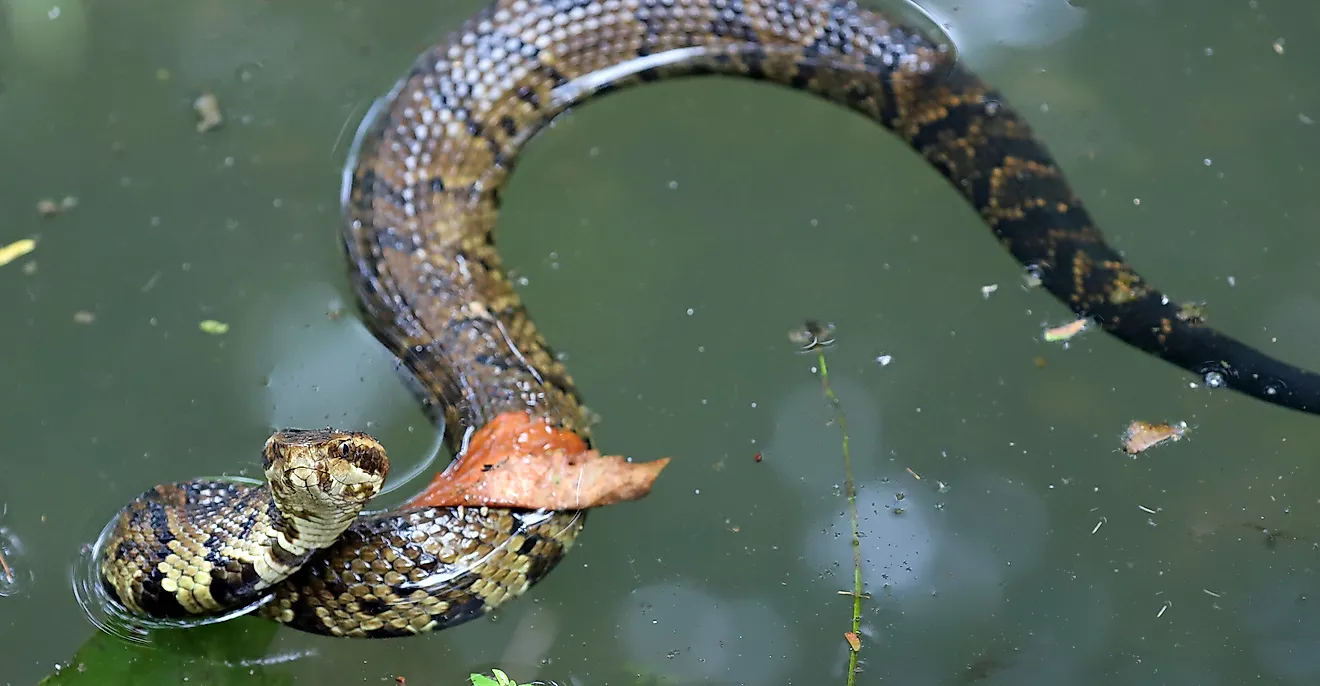
The common watersnake (Nerodia sipedon) is one of the most likely species to encounter near the river itself. The nonvenomous, heavy-bodied snake typically measures between two and three feet in length, although some can grow larger. Its coloring ranges from gray to brown to tan, with darker bands or blotches running along its back. It's often found swimming near the shore or hunting in shallow water, or occasionally basking on rocks.
Another species found throughout the Wisconsin River is the common garter snake (Thamnophis sirtalis). Considered Wisconsin's most abundant snake, it occurs in every county and occupies a wide range of environments. The common garter snake is not only spotted along riverbanks, but also at the edge of woods, wetlands, and in meadows. It feeds on amphibians, fish, and insects. Although it isn't technically a water species, it can thrive in moist environments, making the Wisconsin River a suitable place to witness one.
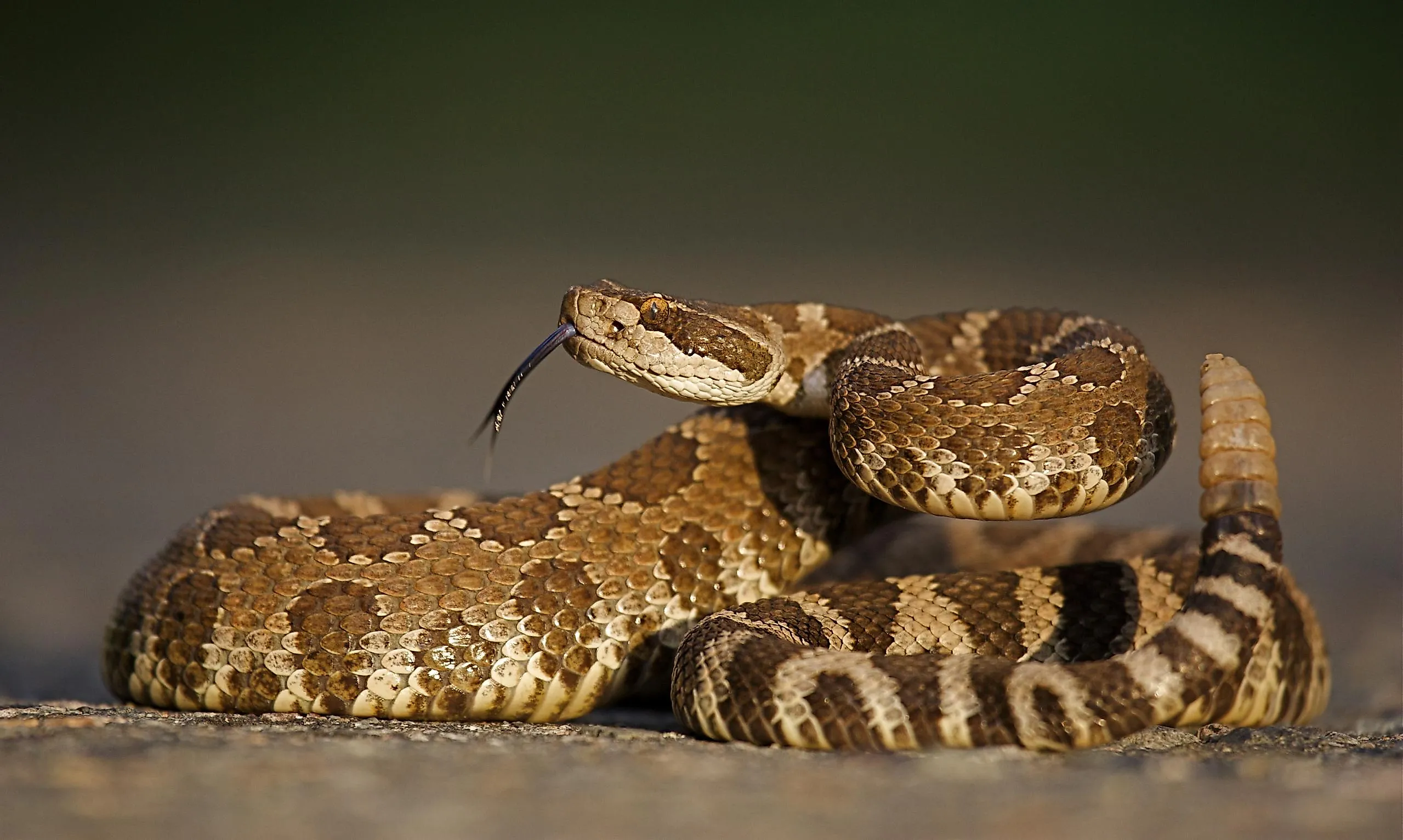
The Wisconsin River is also associated with the timber rattlesnake (Crotalus horridus), one of only two venomous snake species that reside in Wisconsin. Unlike the watersnake, the timber rattlesnake does not inhabit the river itself. Instead, it favors the rugged bluffs, rocky outcroppings, and steep hillsides found along parts of the Wisconsin River and its tributaries, particularly in southwestern Wisconsin. It is a large, heavy-bodied snake that can reach around five and a half feet in length. Its yellowish to brownish body features dark crossbands, while its tail is black and ends in a rattle.
Despite its intimidating appearance, the timber rattlesnake is generally more scared of humans than we are of them. It is a somewhat secretive species, preferring to retreat or remain concealed rather than confront people. It is also considered a protected species in Wisconsin, making it important to leave it undisturbed. Also, as they are venomous, one should avoid going close enough to get bitten.
Fox River

The Fox River is an important waterway that supports snake populations. Its water flows through eastern Wisconsin before emptying into Green Bay, passing through a variety of landscapes. Its tributaries and surrounding waterways provide opportunities for several species to thrive. Similar to the Wisconsin River, two of the species associated with the Fox River's aquatic environments are the common watersnake and the common garter snake.
The Fox River region is also relevant to the conservation of the queen snake (Regina septemvittata), an endangered species in Wisconsin. This relatively small, nonvenomous snake has specialized habitat requirements, favoring clear streams with warm water and smaller rivers with moderate to fast currents and rocky bottoms. Unlike many other snakes, queen snakes rely heavily on crayfish as their primary food source. They hunt around rocks and submerged structures and use the shoreline areas for laying in the sun.
The Fox River has a long history of industrial development and pollution, particularly around the heavily developed Fox Valley. Cleanup and restoration efforts have helped improve portions of the watershed, although challenges with water quality remain in some areas.
Wolf River

The Wolf River is located in northern and central Wisconsin and drains 3,690 square miles. It is widely appreciated for its scenic beauty, recreational opportunities, and relatively natural stretches of water. Of the snakes native to Wisconsin, the species one may encounter along the Wolf River are the common garter snake, the Northern watersnake, and the Eastern hognose snake (Heterodon platirhinos).
The eastern hognose snake is a species known for its interesting self-defense tactic. If it feels threatened, an eastern hognose will flatten its neck and raise its head to mimic a cobra. A hognose will loudly hiss and make a mocking strike with its mouth closed, typically avoiding an actual bite. If this display fails to deter a predator, it may even roll over and play dead. This can include a dramatized show of letting its tongue hang out and going limp until the threat passes. While eastern hognoses commonly live near bracken grassland, oak savanna, and sand prairies, they have been spotted around Wisconsin's Wolf River.
The US Fish and Wildlife Service notes the Wolf River as one of the most scenic and rugged rivers in the Midwest. It passes through forests and undeveloped landscapes that provide valuable habitat for wildlife. The Wolf River Wildlife Area is managed land meant to provide public opportunities for fishing, hunting, and other outdoor recreation.
Mississippi River

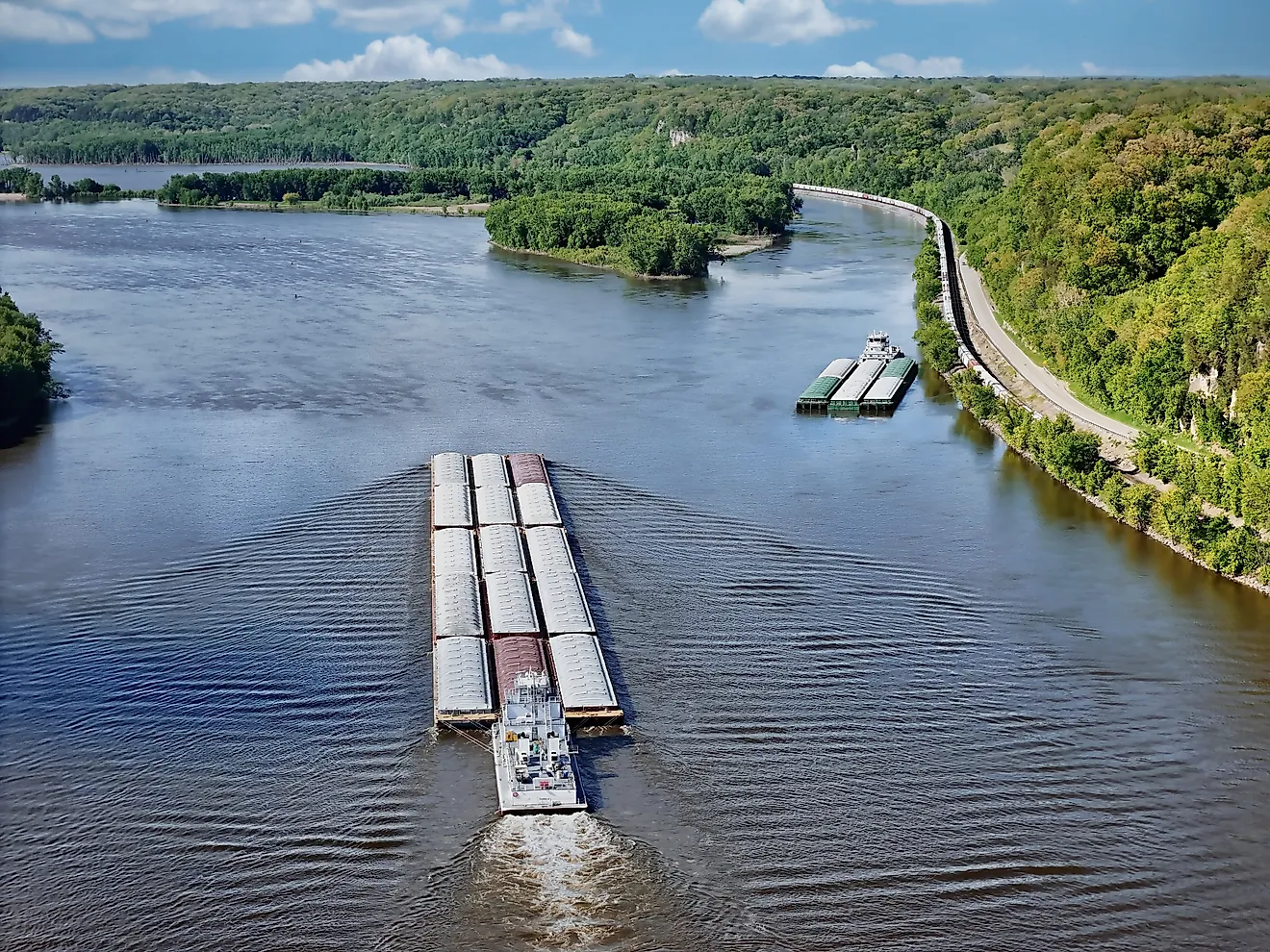
The Mississippi River is one of the most notable waterways in the United States. It spans 2,350 miles from northern Minnesota to the Gulf of Mexico. Along its Wisconsin border, the river supports an extensive network of backwaters, islands, floodplains, and steep bluffs. The varied environment makes it an important habitat for several snake species native to Wisconsin.
The common watersnake, common garter snake, and the timber rattlesnake can all be found in the Mississippi River within Wisconsin. Another species that uses the river is the eastern massasauga (Sistrurus catenatus), Wisconsin's other venomous snake. Also known as the swamp rattler, this relatively small rattlesnake prefers wetlands and marsh habitats rather than direct, open water. It is associated with the wetland environment near river confluences, where suitable marshes and adjacent uplands provide opportunities for shelter and reproduction. The eastern massasauga is both state endangered and federally threatened. Its populations have declined significantly and are now restricted to a small number of isolated areas in Wisconsin.
Other Snakes Found Throughout Wisconsin

Although Wisconsin's rivers are great habitats for some snake species, the state has many others that live in other types of environments like grasslands, prairies, and residential areas. The eastern foxsnake is a large, nonvenomous species commonly found in open habitats like prairies and open fields. It has a yellowish or tan body covered in dark brown blotches and is often mistaken for a rattlesnake because it vibrates its tail when threatened.
The eastern milksnake is another nonvenomous Wisconsin resident. It has distinctive reddish-brown or orange markings against a lighter background and often inhabits wooded areas, fields, and rocky environments. Meanwhile, the North American racer prefers open, sunny habitats in Wisconsin, where it actively searches for small animals to eat. The state is also home to several less commonly encountered species, like the endangered eastern and western ribbonsnakes, and the rare Butler's garter snake.
Wisconsin's Rivers and the Slippery Snakes Within Them

The snakes found along Wisconsin's rivers are more than just occasional wildlife sightings. They are an important part of the state's natural ecosystem. By helping control populations of amphibians, insects, and other small animals, they contribute to the balance of the environments they inhabit. It's important to understand the places in Wisconsin where you may encounter one of these slippery creatures. While they may seem intimidating, it's best to stay calm and stay out of their way.