The Southern Lakes Where Water Moccasins Are Still Swimming In December
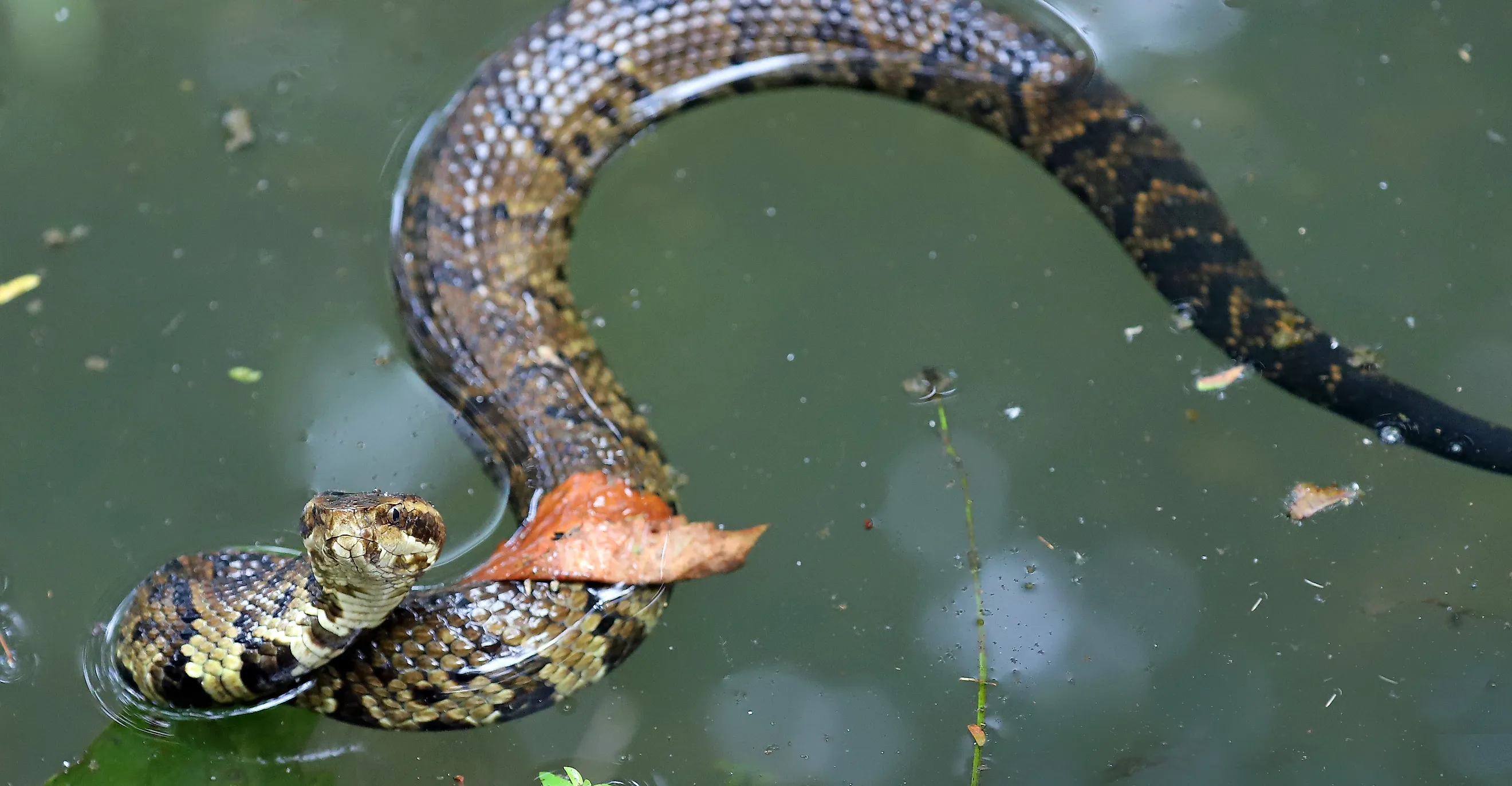
In most of the country, snakes vanish by December, holed up underground to wait out the cold. But the cottonmouth, also known as the water moccasin, clearly did not get that memo in the warmest corners of the South. Across subtropical Florida and the balmy Gulf Coast, winters stay mild enough that these venomous water snakes keep right on basking and swimming through December. On a sunny winter afternoon, you might still spot one gliding across a southern lake. Here are the southern lakes where water moccasins are still swimming in December.
Why December Doesn't Stop Them

Cottonmouths are cold-blooded, so their activity rises and falls with the temperature, and in the cooler parts of their range they spend winter brumating, a sluggish, sleep-like state. But the Deep South rarely gets cold enough to force that for long. Wildlife experts note that in southern Florida and along the Gulf, cottonmouths stay active nearly year-round, basking on logs and banks and swimming whenever a warm spell rolls through. So in these warm-water lakes, December is less an off-season than simply a slow season.
Lake Okeechobee, Florida

The giant heart of South Florida, Lake Okeechobee, is about as cottonmouth-friendly as a lake gets. Its subtropical setting means winter highs routinely reach the 70s, warm enough that the lake's cottonmouths may never truly go underground at all. The Florida cottonmouth is documented in every single county in the state, and Okeechobee's sprawling marshy shores and canals are ideal moccasin habitat. Here, a December swim is just another ordinary day.
Caddo Lake, Texas and Louisiana

Straddling the Texas-Louisiana line, Caddo Lake is a maze of bald cypress, Spanish moss, and winding bayous, and cottonmouths are right at home in it. State wildlife agencies list the western cottonmouth among the snakes along its paddling trails, sharing the water with several harmless water snakes. The Gulf South climate keeps Caddo mild through December, with plenty of warm afternoons between the cold fronts. On those days, a cottonmouth may well be out cruising the shallows.
Lake Martin, Louisiana

Deep in Louisiana's Atchafalaya country near Breaux Bridge, Lake Martin is a classic cypress-tupelo swamp lake, and swamps like this are prime cottonmouth real estate. Louisiana winters bring plenty of mild stretches, and researchers note that the state's cottonmouths readily come out to bask on those warmer afternoons rather than sleeping the whole season away. With its slow, warm water and endless logs and cypress knees to sun on, Lake Martin keeps its moccasins ticking over all winter. December here is far from snake-free.
Lake Apopka, Florida

One of Florida's largest lakes, Apopka sits in the warm central part of the peninsula just northwest of Orlando. Like the rest of central Florida, it enjoys the kind of mild, humid winters that let cottonmouths flourish year-round. Its restored marshes and popular wildlife drive teem with water-loving creatures, snakes very much included. Come December, a warm, sunny day is all it takes to bring a basking moccasin to the water's edge.
Lake Seminole, Georgia and Florida

Down on the Georgia-Florida border, Lake Seminole is a shallow, warm reservoir famous for its fishing and its wildlife. It sits in the same subtropical zone that keeps the Florida cottonmouth active through the winter, and its weedy, stumpy shallows are exactly the slow, warm water that moccasins love. The southern Georgia climate here is far milder than the state's interior, so December sightings are entirely possible. On the water, the line between fall and winter all but disappears.
Lake Istokpoga, Florida

Set into south-central Florida's Highlands County, Lake Istokpoga is a large, shallow lake ringed by marsh and cypress. Its location deep in the warm peninsula means cottonmouths here face essentially no real winter at all. The lake's grassy edges and abundant frogs and fish keep moccasins well fed and active, even in the middle of December. For a cottonmouth, Istokpoga is the kind of place where the seasons barely register at all.
How Warm Is Warm Enough?
The dividing line really comes down to temperature. Cottonmouths generally stay active as long as daytime highs climb into the 60s and beyond, which is routine in winter across south and central Florida and much of the Gulf Coast. Farther north, in places like Tennessee or Kentucky, the very same species shuts down for the season. That is why the Everglades and the subtropical lakes near it stay lively while northern waters go quiet. Geography, not the calendar, is what decides when a cottonmouth sleeps.
Active, but Not Fully Awake

It is worth a quick reality check: even in the warm South, December cottonmouths are not at their summer best. Cooler water slows their metabolism, so they feed less and move more sluggishly than in the heat of July. On a chilly, cloudy day, most will stay hidden, only emerging once the sun warms things back up. So while they are genuinely still out there, they tend to be drowsy and easy to avoid rather than lurking around every corner.
Sharing the Water in Winter

For anyone boating, fishing, or hiking these southern lakes in December, the takeaway is simple awareness, not alarm. Cottonmouths are not aggressive and would far rather slip away than confront you, but a basking one can be easy to overlook on a log or bank. Watch where you step and reach near the water's edge, give any snake you see a wide berth, and never try to handle one. Treat these warm lakes with a little respect, and their year-round residents are genuinely easy to coexist with.