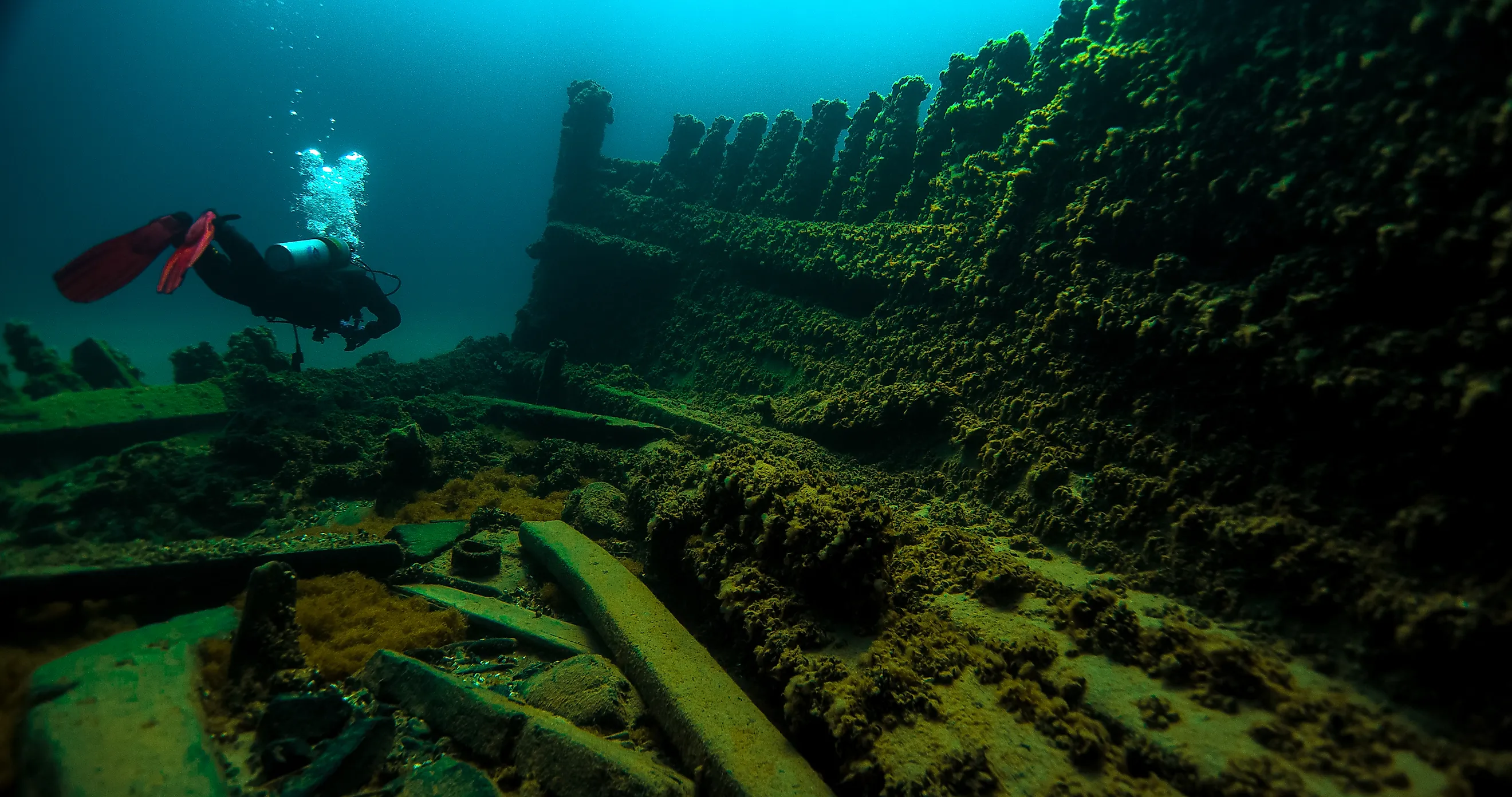
The Shipwreck Alley Hidden Under Lake Huron's Thunder Bay
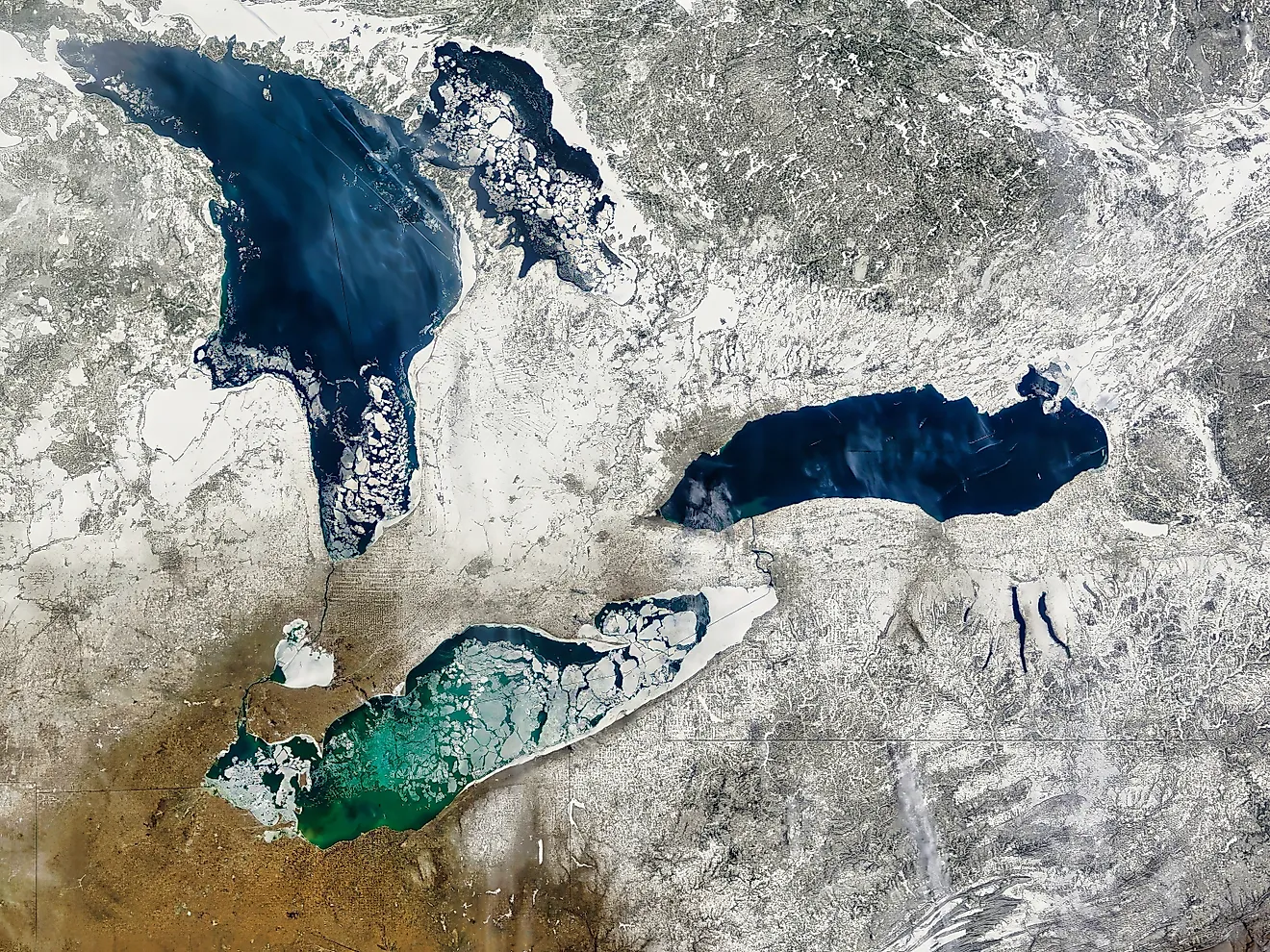
Jeff Gray, who runs the Thunder Bay National Marine Sanctuary, sums up his own site in one sentence: they have located about 100 wrecks and there are still about another hundred to find. The sanctuary covers 4,300 square miles of northwestern Lake Huron off Alpena, Michigan, it is the only freshwater national marine sanctuary in the country, and the wrecks in it date from 1842 to 1966.
The Nickname Is Nineteenth Century

The name predates the sanctuary by well over a century.
Thunder Bay became known as Shipwreck Alley in the 1800s, when it formed part of a major shipping channel in an era with few alternative routes. Unpredictable weather, fog banks, sudden gales and rocky shoals did the rest.
Vessels heading for the lumber port of Alpena had to clear a small island in conditions that frequently made that impossible.
It Grew Nearly Tenfold

The sanctuary that exists now is almost ten times the size of the one originally designated.
NOAA designated Thunder Bay as the nation's 13th national marine sanctuary in October 2000, covering 448 square miles. The original proposal had been 808 square miles, cut back during negotiation, with Michigan committing a million dollars over five years to manage it.
Federal approval to expand it to 4,300 square miles came years later, reaching from Alcona through Alpena and Presque Isle to the maritime border with Canada.
The Expansion Doubled The Wrecks

Enlarging the boundary brought in a great deal more than water.
The original 448-square-mile sanctuary contained 45 known shipwrecks. NOAA's preferred expansion was projected to add 47 more, roughly doubling the count to around 200 estimated.
Superintendent Jeff Gray described the approval as a monumental thing after what he called a long, long effort.
It Is The Only Freshwater One

Thunder Bay occupies a category of one within the national system.
Every other national marine sanctuary protects salt water. Thunder Bay is the only freshwater sanctuary, which is also why its wrecks are in the condition they are.
Cold fresh water with no shipworm and little oxygen at depth preserves wooden hulls for well over a century. Equivalent wrecks in saltwater would have largely disappeared.
Variety Matters More Than Number

NOAA is explicit that the count is not what makes the collection nationally significant.
It is the range of vessel types, spanning wooden schooners, steamers, barges and steel bulk freighters across more than 200 years of lake travel. The sanctuary describes them as a microcosm of Great Lakes commerce and travel.
Wrecks range from an 1842 loss to one in 1966. That is the whole industrial history of the lakes in one stretch of water.
Some Sit In Nine Feet Of Water

You do not need diving qualifications to see several of them.
Seven wrecks lie in shallow water, four of those close to Alpena: the Shamrock, lost in 1905, the Harvey Bissell also in 1905, the Bay City in 1902, and the John F. Warner from 1890, which sits in just nine feet.
A glass-bottom ferry runs over others for visitors who want to see a wreck without getting into the water.
They Are Still Finding Them

The hundred still missing are not a theoretical figure. Discoveries keep happening.
The Ironton was located in March 2023 using 3D scanners after years of searching. She sank in 1894 following a collision with the bulk freighter Ohio.
Students on a project called Shiphunt found the M.K. Merrick, which had sunk on 17 May 1889, exactly 122 years to the day before they discovered her.
The Pewabic Killed A Hundred People

Among the better-known wrecks is one of the worst losses of life on the lakes.
The Pewabic sank shortly after the end of the Civil War, claiming as many as 100 lives along with livestock carried in her holds.
Most of the sanctuary's wrecks are cargo losses. A handful, like this one, were disasters.
The Mapping Does Double Duty

Surveying 4,300 square miles of lakebed produces data nobody expected to need.
Systematic mapping of the lake bottom identifies wrecks and simultaneously generates scientific data on features like fish spawning areas, which the sanctuary shares with fisheries biologists.
A program designed to protect cultural resources has become one of the better sources of bathymetric data on this part of the Great Lakes.
It Started With Local Divers

Federal protection here was not a federal idea.
Alpena residents including the Thunder Bay Diving Club and several civic organizations began lobbying for state protection of the wrecks in the early 1970s. In 1983 a group of local residents proposed national sanctuary status to NOAA.
It took until 2000 for the designation to arrive. The people who found the wrecks spent nearly thirty years getting them protected.
Eighty Thousand People Visit

The sanctuary has become a significant draw for a small Michigan city.
Thunder Bay attracts around 80,000 visitors a year, with the superintendent hoping to reach 100,000. Most of them never put on a wetsuit.
Alpena sits at the center of it, which is a reversal for a town whose shipping history is mostly a record of vessels that did not arrive.
The Short Answer

Shipwreck Alley is a 4,300-square-mile stretch of northwestern Lake Huron off Alpena, protected since 2000 as the only freshwater national marine sanctuary in the United States. Around 100 wrecks have been located, dating from 1842 to 1966, and roughly another hundred are believed to be down there.
Cold fresh water has preserved them far better than any ocean would. Seven sit shallow enough to see from a glass-bottom boat, one in nine feet of water, and new ones are still being found with 3D scanners.