Where Orcas Go In The Winter
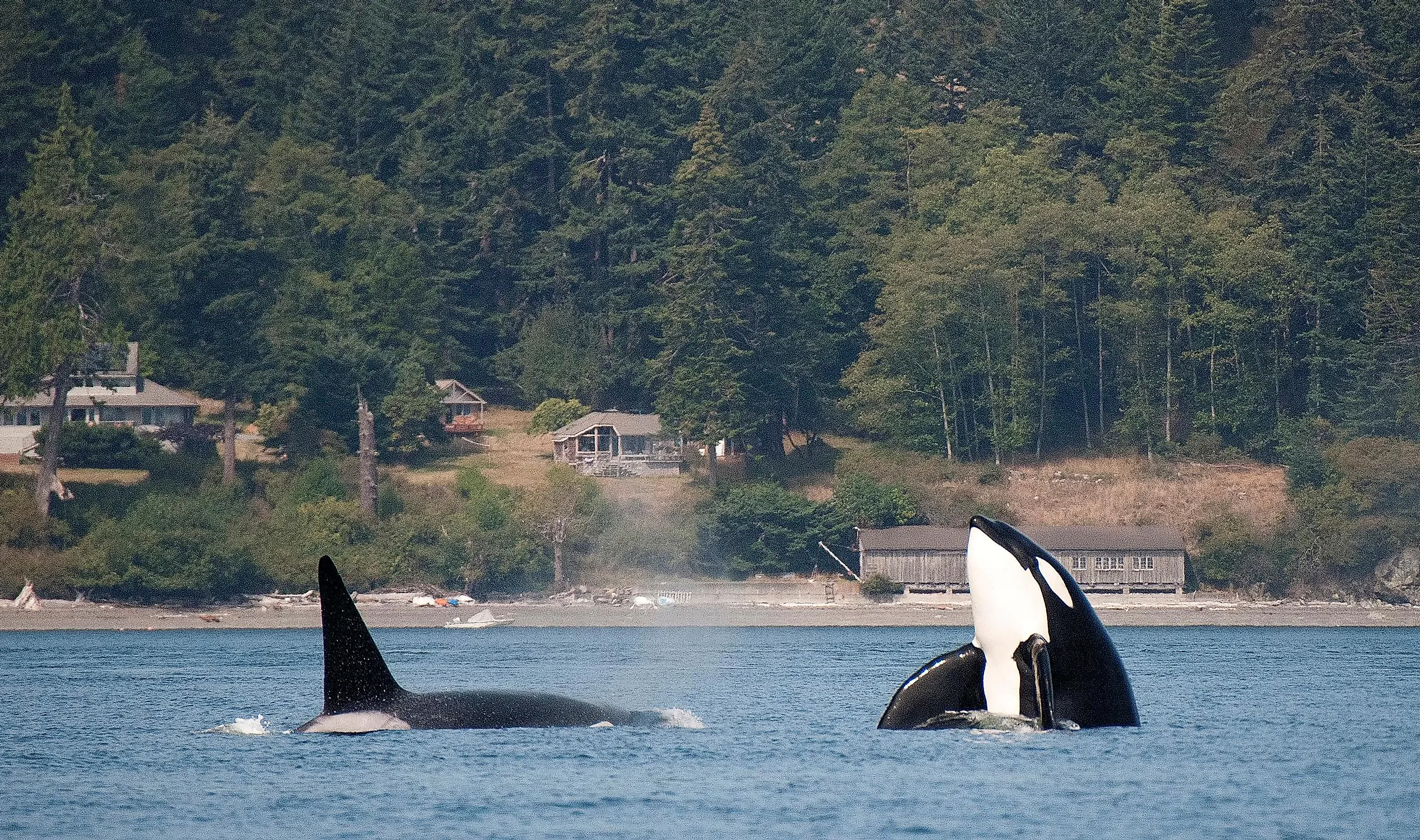
Orcas in American waters have no shared winter address. Some barely move. Some clear out before the sea ice can trap them. Others travel hundreds of miles down the coast and spend December hunting sharks.
Mostly, it comes down to what a killer whale eats. The answers stretch from Alaska's Arctic coast to the Channel Islands off Southern California, and a few of them surprised the scientists listening and watching for them.
Alaska's Arctic Orcas Leave Before The Ice Closes In

The farthest-north orcas in American waters keep a calendar set by sea ice. Mammal-hunting killer whales travel through the Bering Strait once the ice breaks up, and NOAA recorders off Alaska's western and northern coasts have picked up their calls almost entirely in the open-water months, with the most calls in September and October.
Thick ice stops them. A killer whale can break through ice only about 6 inches thick, while a bowhead whale can open breathing holes in ice nearly 2 feet thick. NOAA researchers describe the ice in the Bering Strait as a barrier that keeps the orcas on the Bering Sea side through the frozen months.
That barrier is opening earlier. From 2011 to 2019, the first orca calls of the year along Alaska's North Slope came an average of 50 days earlier, and near the Bering Strait, the first calls followed the retreat of the ice by about 16 days. Between 2009 and 2018, researchers documented 18 bowhead whale carcasses in the U.S. Arctic with signs of killer whale attacks.
In Alaska, Montague Strait Stays Busy All Winter

Farther south, on the Gulf of Alaska, southern Alaska's fish-eating resident orcas, more than 1,000 whales in 33 pods, were long studied almost entirely between May and October. Hydrophones left on the seafloor at the entrances to Prince William Sound and Resurrection Bay from 2016 to 2020 covered the rest of the year. The busiest site was Montague Strait, the western entrance to Prince William Sound. Orcas were heard there on almost 80 percent of December days, and resident whales stayed within range for up to 12 hours a day, longer than they did in summer.
Researchers point to food. Pacific herring return to Montague Strait in the fall to spend the winter, and that herring could draw in the large Chinook salmon the whales eat. Hinchinbrook Entrance, on the eastern side of the sound, goes much quieter at the same time of year, with orcas heard on only about a quarter of December days.
Bigg's Killer Whales Stay In The Salish Sea All Winter

Washington's Salish Sea has its own mammal hunters, Bigg's killer whales, and they have little reason to leave in winter. Their prey, mainly seals, sea lions, and porpoises, is plentiful in Washington's waters all year. In 2025, whale watchers reported Bigg's in the Salish Sea on 342 days, more than any other whale, and the Orca Behavior Institute confirmed a record 1,860 separate sightings.
December, November, and January brought the fewest sightings of 2025, yet some of the year's big gatherings, with 10 or more whales traveling together, happened in those months. Bigg's were present on 28 days in November 2025, the most for any November on record, and one group of 11 whales from several families worked the central and southern Salish Sea from late October into the third week of November.
Southern Residents Detour Into Puget Sound For Chum

The Salish Sea's fish-eating orcas, the endangered Southern Residents most closely tied to Seattle, head deeper into Puget Sound before winter sends them out to sea. They depend on Chinook salmon, and once the Chinook have gone up their home rivers, the whales hunt coho and chum through central and south Puget Sound into the fall. Chum bound for the Nisqually and Puyallup rivers and other south Sound streams are among their targets. On November 2, 2025, almost the entire population gathered in central Puget Sound, with whales surfacing near Vashon Island. The fall before, an unusually large chum run kept the Southern Residents in Puget Sound much longer than normal, and some were seen swimming with dead salmon draped over their heads, something Puget Sound orcas had also done in 1987.
Winter Sends Southern Residents Down The Pacific Coast

As winter sets in, the same whales spend more of their time on the open Pacific. Their winter range still includes the whole Salish Sea, but the outer coast is where they are found most often, especially off Washington between Grays Harbor and the Columbia River. In the winter of 2014, satellite-tagged Southern Residents spent more time off the mouth of the Columbia and near Westport than anywhere else.
K and L pods keep going. A male named K25, tagged on December 29, 2012, made three trips toward Point Reyes, north of San Francisco, over the next few months, and the first one lasted three weeks in January. Researchers following K pod tracked it to Fort Bragg, where the whales appeared to be feeding close to shore, and both pods have been seen as far south as Monterey Bay.
The draw is salmon. Most of the Chinook the whales catch out there come from just four river systems, and the Columbia leads them. In 2021, NOAA Fisheries added 15,910 square miles of this coast to the whales' critical habitat, covering water between 20 and about 650 feet deep from the Canadian border to Point Sur, California.
Offshore Orcas Spend Winter Hunting Sharks Off California
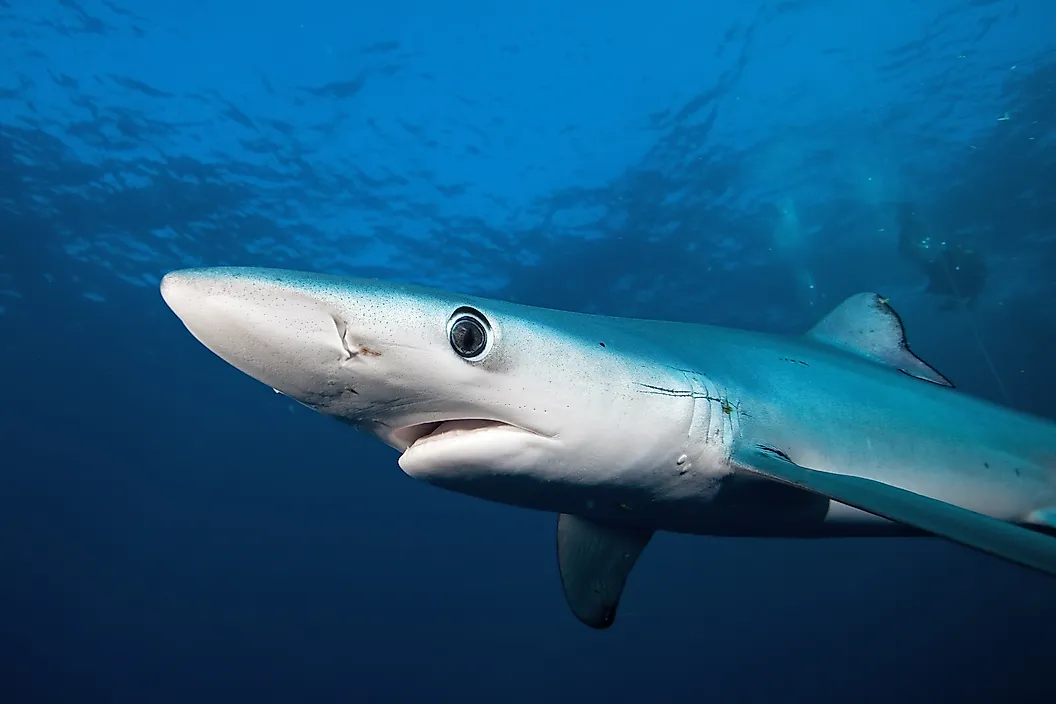
Farther south along the same coast, winter brings the least-encountered of the West Coast's three kinds of orca. Offshore killer whales, a population last estimated at about 300, are usually found off Alaska and British Columbia in spring and summer and move south to California by winter. Sharks and rays make up almost 90 percent of the prey documented for them, and shark skin wears many adults' teeth down to the gums.
Drones have filmed the winter hunts. On December 13, 2016, offshore orcas in Monterey Bay ate a broadnose sevengill shark caught near the head of Monterey Canyon, passing pieces between whales at the surface. On December 29, 2023, off San Miguel Island in the Channel Islands, a group ate four blue sharks and chased a shortfin mako shark that got away. Blue sharks move into Southern California's coastal waters in the fall, and researchers think the orcas' trip south may partly follow them.
The Southern Residents' winter range now carries legal weight. The coastal protection added in 2021 followed satellite tags, hydrophones, and sightings showing two of the three pods ranging as far as central California in winter. What the whales find there depends on rivers far inland, since much of their winter Chinook comes from the Columbia. The Center for Whale Research names the shortage of large, fatty Chinook as the population's most crucial threat, and its count stood at 76 whales on July 1, 2026, up two from the year before. One of the two new calves that survived, K47, was the first birth recorded in K pod since 2022, and researchers first saw it in December.