How Long It Takes A Container Ship To Cross The Pacific
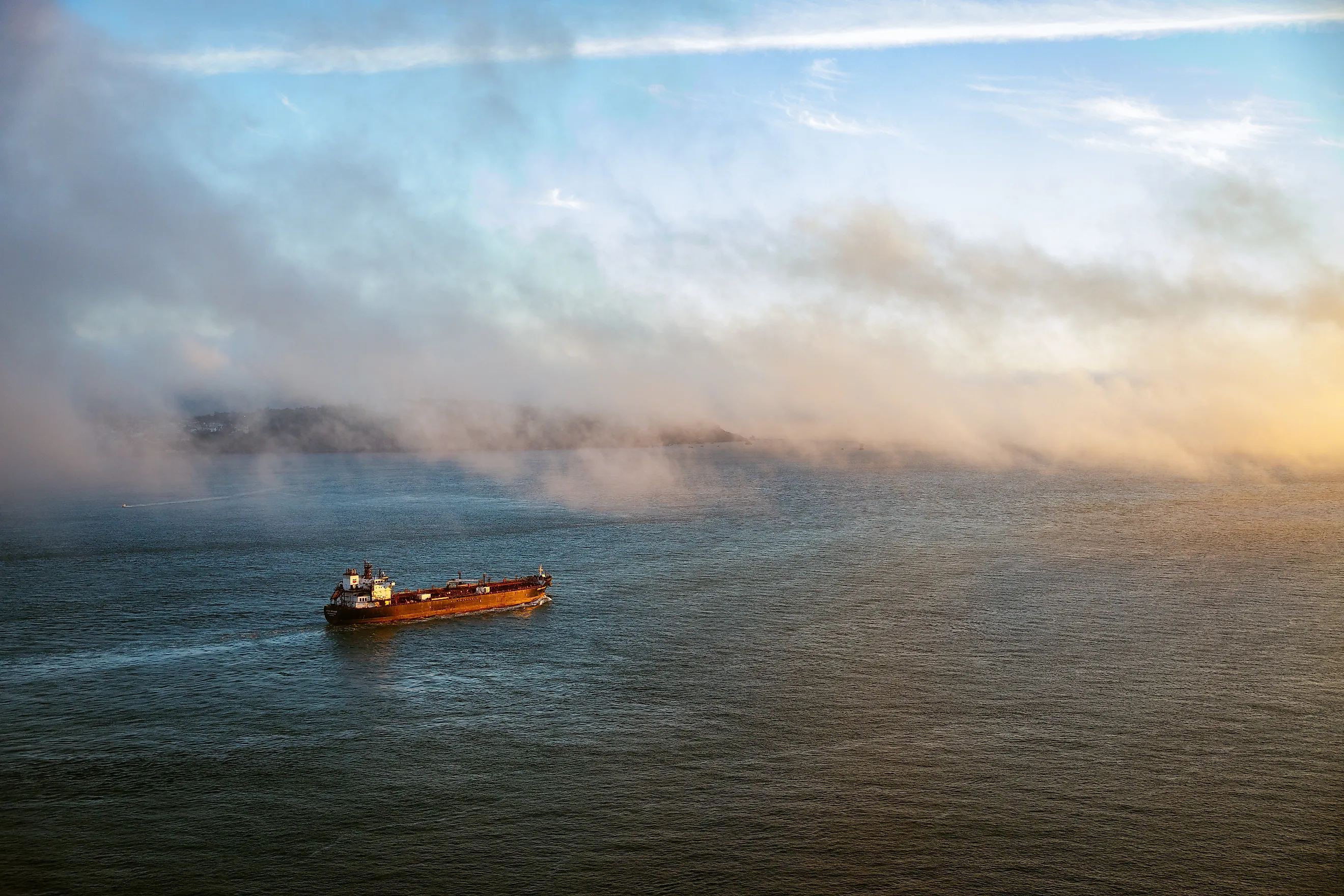
In 1973, a container ship crossed the Pacific from Japan to California in six days. More than 50 years later, no cargo ship has beaten that time. A ship leaving Shanghai for Los Angeles today usually spends about two weeks at sea, more than twice as long, and in the fall of 2021 the average trip dragged on for 36 days. One ship headed for Long Beach in late 2020 never finished the trip. It lost more than 1,800 containers in a Pacific storm and turned back toward Japan. The ocean between the two coasts is the same width it was in 1973, so all those extra days have to come from somewhere else.
A Crossing to Los Angeles Takes 10 to 17 Days, Depending on the Stops

A ship on the ZX2 service of the shipping line ZIM starts loading at Busan, South Korea, and then calls at Shanghai and Ningbo in China before heading for Los Angeles. A container loaded at Ningbo reaches Los Angeles 12.5 days later, while cargo loaded at Busan, the first stop, spends 16.5 days aboard. Booking quotes for a standard container from Shanghai to Los Angeles run 13 to 17 days, and part of that spread comes from how many Asian ports a ship visits before it turns east.
Fewer stops and faster sailing cost more, so the quickest crossings are sold as a premium service. Matson, which bills its expedited service as the industry's fastest, has advertised 10-day runs from Shanghai to Long Beach since 2006. During the 2021 cargo rush, it opened another fast service that sailed from Shanghai to Oakland first, in 12 days, and reached Long Beach, its next stop, in 15.
Ships to Seattle Take 11 to 14 Days on a Route That Curves Past Alaska

On a globe, the shortest path between two ports is a great circle, and between East Asia and North America that arc bends north toward Alaska. The great circle route between Japan and the United States runs through Unimak Pass, a channel in the Aleutian Islands. Puget Sound is the closest major US port area to North Asia, and the Northwest Seaport Alliance, the joint cargo operation of the ports of Seattle and Tacoma, markets its terminals as the end of the shortest great-circle route from that part of the world. Its May 2026 schedule puts Seattle and Tacoma 11 days from Busan and 12 from Tokyo. Shanghai lies farther south, and the run from there to Puget Sound takes 14 days, close to the time to Los Angeles.
Ships Sail Slowly to Save Fuel, Which Adds About Five Days

Container lines began slowing their ships in 2007 and 2008, when bunker fuel, the heavy oil that powers large ships, had climbed to about $700 a ton. Most container ships were designed to cruise at around 24 knots, roughly 28 miles per hour, and fuel use rises steeply with speed. A ship carrying about 8,000 twenty-foot containers burns about 225 tons of fuel a day at 24 knots and 150 tons at 21 knots, a third less for giving up 3 knots.
International Maritime Organization rules that took effect in 2023 require ships to track their carbon intensity, and each ship has received a grade from A to E since 2024. Slowing down is the simplest way for many owners to meet those rules, since a 20 percent cut in speed can lower carbon dioxide emissions by roughly half, according to the US International Trade Commission. By April 2026, the mean speed of the global container fleet had fallen to 15.2 knots.
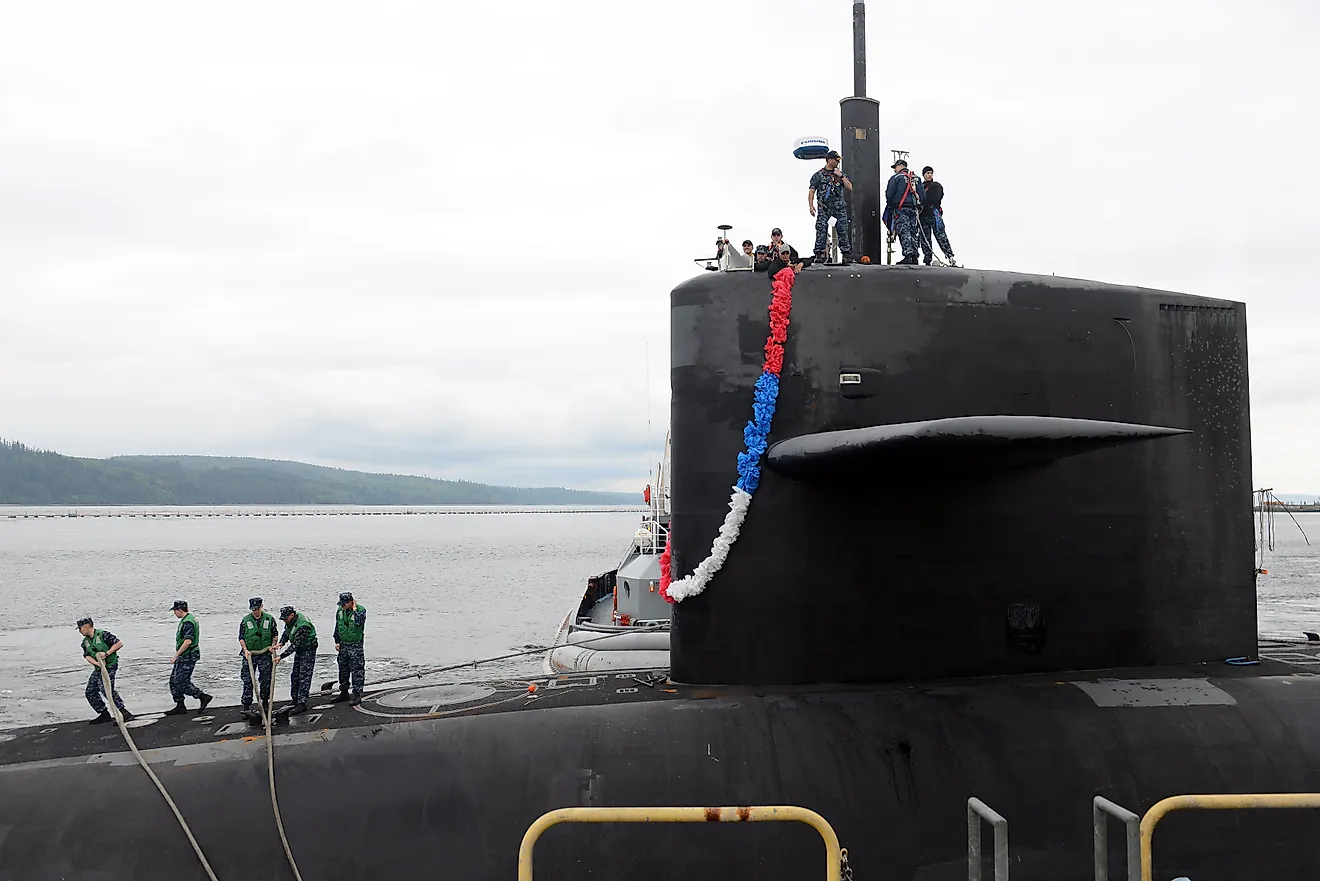
Speed was cheap when Sea-Land ordered the Sea-Land Commerce and its seven SL-7 sisters in the late 1960s. Ship fuel cost about $20 a ton, and the ships were built for a service speed of 33 knots. On the 4,840-nautical-mile run from Yokohama to Long Beach, that pace produced the 6-day record. A ship holding 24 knots would need about eight and a half days for the same distance. At the 2026 fleet average, the same run would take more than 13 days, about five days longer.
Winter Storms Make the Crossing Longer, and Sometimes End It Early

On the northern route, winter weather can change where a ship ends up. On November 30, 2020, the ONE Apus, bound from Yantian, China, to Long Beach, lost an estimated 1,816 containers overboard about 1,600 nautical miles northwest of Hawaii. That is more than the World Shipping Council's 2008 to 2019 average for containers lost worldwide in an entire year. The ship turned back toward Japan and docked in Kobe on December 8.
Container ships crossing the North Pacific in winter are prone to parametric rolling, a motion that can tip a ship 30 to 40 degrees or more. Shipmasters pick their routes with that weather in mind, and winter crossings end up longer than summer ones. Less than seven weeks after the ONE Apus loss, on January 16, 2021, the Maersk Essen lost about 750 containers north of Oahu on a voyage from Xiamen, China, to Los Angeles. The ship had been due in Los Angeles on January 22 and went to Lázaro Cárdenas, Mexico, instead.
Port Backups Once Added Three Weeks to the Trip

The line of container ships waiting outside the ports of Los Angeles and Long Beach reached a record 109 on January 9, 2022. Before COVID-19, it usually held zero or one ship. The wait built through 2021. In September, ships spent an average of 8.5 days at anchor before getting a berth at the Port of Los Angeles, and by October, the average trip from China's major ports to the two Southern California ports had stretched to 36 days. On December 3, a new count that included ships held far offshore put the average wait at 20.8 days, nearly three weeks on top of a two-week crossing.
The backup fell to zero by late 2022. On February 18, 2026, no ships were waiting for a berth at the Port of Los Angeles, so a ship arriving from Asia could go straight to a terminal, where the typical stay at berth over the previous month was 4 days.
Reaching the East Coast Takes a Month or More

Ships bound for New York or Savannah reach the Atlantic either east across the Pacific through the Panama Canal or west across the Indian Ocean through the Suez Canal. In early 2025, CMA CGM, the fastest carrier on the Shanghai to New York lane, averaged 30 days, about twice the run to Los Angeles.
The Panama route narrowed in 2023, when drought dropped Gatun Lake, which supplies the water for the canal's locks, to its lowest level since at least 1965. On November 7, 2023, the Panama Canal Authority cut the number of ships allowed through each day to 24, down from the usual 34 to 36. It also lowered the maximum draft from 50 feet to about 44, which cut the cargo the largest ships could carry through by about 40 percent. The canal raised its daily booking slots back to 35 in August 2024.
The Suez route grew longer at the end of 2023. After attacks on ships in the Red Sea, carriers began avoiding the Suez Canal that December and sending ships around Africa's Cape of Good Hope, which added 7 to 10 days to trips between Asia and the US East Coast.
The ocean crossing is only one part of a shipment's trip from a Chinese factory to an American port. Flexport tracks the full span, from the day cargo is ready at an exporter's factory or warehouse to the day the container leaves the destination port. In the week ending August 10, 2026, that span was 37.6 days from China to the West Coast and 66.1 days to the East Coast. The rest of the time goes to moving cargo from the factory onto a ship and getting the container out of the terminal at the other end. Late arrivals add to it. In July 2026, container ships that missed their schedules reached port about 6 days behind on average, according to Sea-Intelligence. For a shipment from China to the West Coast, the Pacific itself accounted for about two weeks of a trip that ran more than five weeks in August 2026.