5 US Rivers With The Most Timber Rattlesnakes
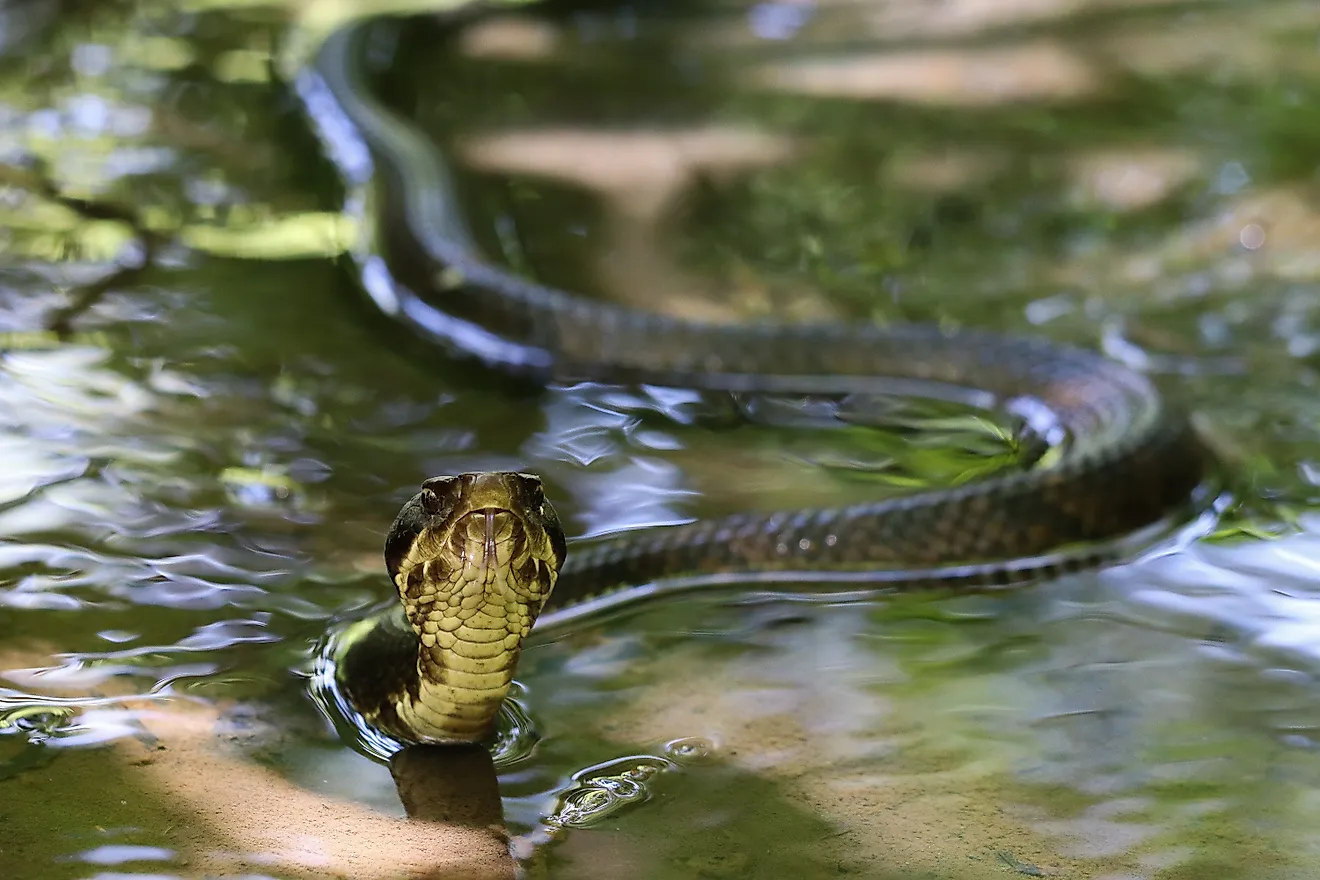
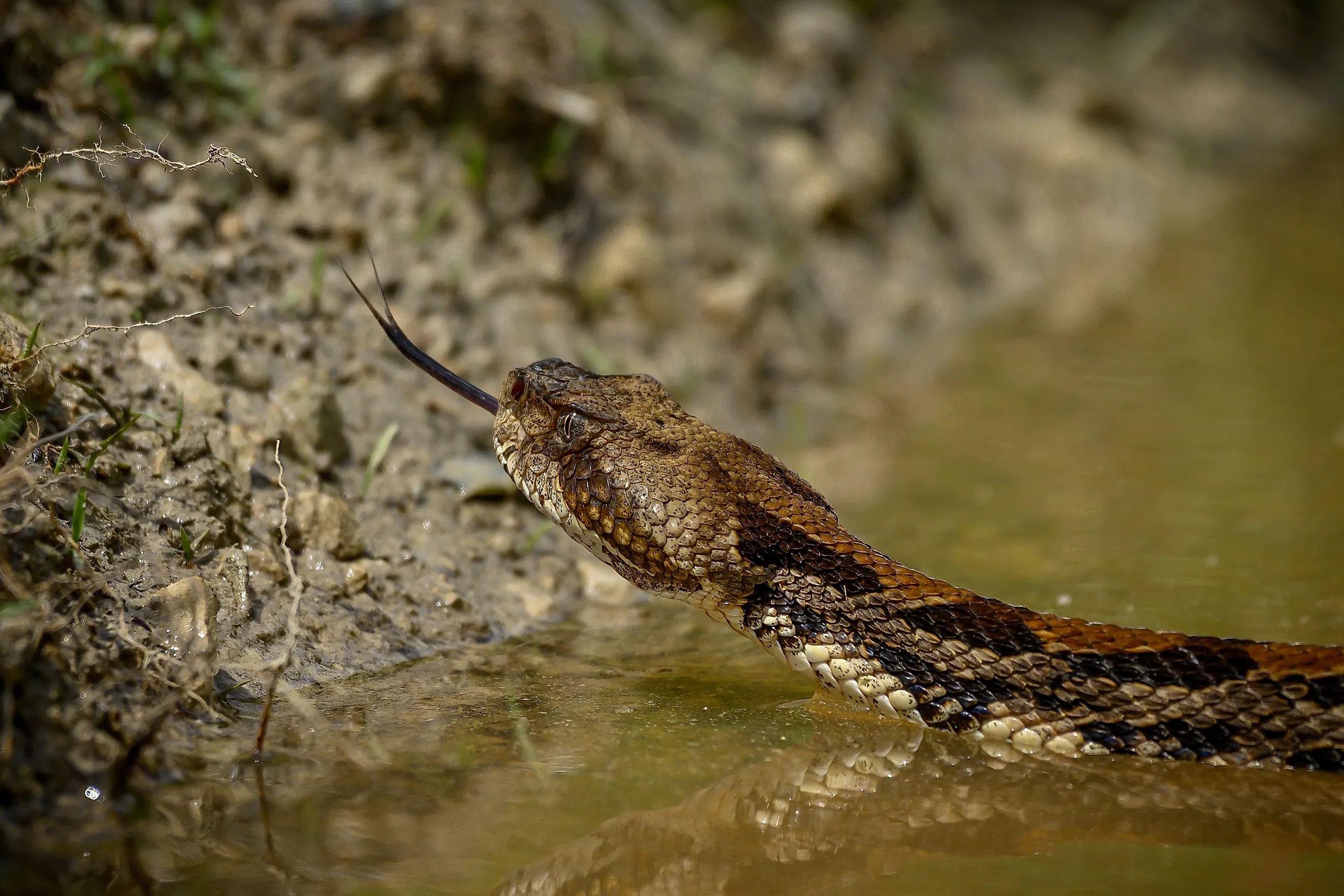
A timber rattlesnake den can stay in use for generations, and on some American rivers, those dens sit in the rock right above the water. New York counted 204 active dens in 2012. Pennsylvania has identified well over 2,000 critical habitats for the snake. In one state it is endangered. In another, it can be legally hunted every summer. Each fall the snakes return to the same den, and each April they come back out onto the ridges and bluff prairies hikers climb for river views. On these five rivers, the snakes and the trails share the same slopes until October.
Hudson River

In the Hudson Highlands, where the river runs between rocky mountains north of New York City, one timber rattlesnake den was worth a court fight. Environmentalists battled to keep a den on Fishkill Ridge, above the east bank of the Hudson River, from being dynamited for a quarry expansion, and the case led to precedent-setting court decisions in 1999. Scenic Hudson later acquired the site and made it part of the Fishkill Ridge Conservation Area. Some dens in the lower Hudson Highlands are now among those where New York's Department of Environmental Conservation says the population has stabilized.
The same mountains hold Hudson Highlands State Park Preserve, more than 8,000 acres with over 70 miles of trail. One of its climbs, Breakneck Ridge, began a two-year closure on April 21, 2025, along with nearby trails and the adjacent Metro-North station. Backcountry rangers and natural resource staff on state parkland in the Highlands have been trained as rattlesnake responders, practicing on captive snakes. West of the river, a Hudson Valley radio station shared a reader's photo of a rattler found in Harriman State Park in July 2021.
Delaware River

Paddlers on the Upper Delaware, where the river forms the border between New York and Pennsylvania, are likely to meet only one venomous snake, the timber rattlesnake, according to the National Park Service, which manages the Upper Delaware Scenic and Recreational River. The Park Service describes it as not aggressive and unlikely to bite unless provoked. Biologists surveying dens in northern New Jersey in late April 2011 saw the same temperament: of the five rattlesnakes they observed, only one ever rattled.
Downstream, the Delaware River cuts through the Kittatinny Ridge at the Delaware Water Gap, and timber rattlesnakes inhabit Delaware Water Gap National Recreation Area. The ridge runs northeast into New Jersey, where the species is listed as endangered and a habitat study placed a hibernaculum on the Kittatinny in Hardwick Township, Warren County. On the Pennsylvania side, the same ridge marks the southern edge of the snake's range in that state, apart from South Mountain.
Pine Creek and the West Branch Susquehanna

Pennsylvania, on the other side of the Delaware, protects the timber rattlesnake by law and also gives it a short hunting season, from the second Saturday in June through July 31. Chris Urban of the Pennsylvania Fish and Boat Commission has called the state's numbers "pretty good," and during spring surveys it is common for commission biologists to find, catch, and assess more than 20 snakes at one site. The species came off the state's candidate list in 2016, and the state's management plan describes Pennsylvania as a possible stronghold for its survival.
Populations are rebounding statewide and most of all in the north-central part of the state, where Pine Creek runs south through Pine Creek Gorge to join the West Branch of the Susquehanna River. Pennsylvania's dens typically sit on forested, rocky hillsides facing southeast to west, and after the snakes emerge in April they bask on trails, roads, and open rock. In Tioga State Forest, the state maintains Pine Creek access areas at Ansonia, Blackwell, and Rattlesnake Rock, and the Pine Creek Rail Trail follows the creek for 62 miles through the gorge.
Allegheny River

Biologists in Allegheny National Forest, which was created to restore and protect the Allegheny River watershed in northwestern Pennsylvania, spent the six years before 2015 finding timber rattlesnake dens no one had recorded. The forest has worked to protect the snake's habitat since 2008, and its method is to implant transmitters in captured snakes and track them. The same forest holds the 12,000-acre Allegheny Reservoir, behind Kinzua Dam, where hiking trails and overlooks follow the shoreline, and the Allegheny itself is designated a wild and scenic river. Over those six years, 35 snakes carried transmitters, and they led biologists to 21 new dens. In the 2014 field season alone, five tracked snakes revealed three den sites that had never been documented.
Upper Mississippi River

Timber rattlesnakes on the Mississippi bluffs of southwestern Wisconsin split up for the summer once they leave their dens. Pregnant females and young snakes stay out on the open bluff prairies, while adult males and females that are not pregnant move into the deciduous forest and woodland edges. In Wisconsin the species is restricted to the state's southwestern corner, along the Mississippi and Wisconsin River corridors, and researchers who began working on high bluffs above the Mississippi in 1999 had tagged more than 100 snakes and located seven dens by 2005.
Open goat prairies of that kind are what hikers climb at Rush Creek State Natural Area in Crawford County, one of three sites in a 2007 and 2008 study that found six major hibernacula. The natural area covers 3,187 acres of steep, southwest-facing bluffs with a two-mile series of dry goat prairies, and the best access is from Rush Creek Road off Highway 35, the Great River Road.
Upriver at Perrot State Park, the Wisconsin Department of Natural Resources says timber rattlesnakes live in the rock cliff areas of the bluffs. Across the river from Crawford County, in northeast Iowa, the snakes are most common along the Mississippi bluffs, though an Iowa DNR officer reported in 2009 that the state's population had fallen by half since the 1980s. In Illinois, where the species is threatened, it turns up in the counties that border the Mississippi.
Followed west, the same snake lives under a different rule on nearly every stretch of these rivers. It is threatened in New York and Illinois and endangered in New Jersey. Pennsylvania protects it and still opens a summer hunting season, and Wisconsin lists it as a species of special concern and a protected wild animal. On each of these rivers the dens sit where the sun reaches them, on ledges and bluffs above the water, and the snakes almost always return to the same one each fall. That habit is why a den on Fishkill Ridge could end up in court, and why five tracked snakes in Allegheny National Forest could put three new dens on the map in one season. By mid-November the snakes on all five rivers are back underground, and they stay there until April.