How Long It Takes To Paddle The Entire Mississippi River
A drop of water falling into Lake Itasca takes about 90 days to reach the Gulf of Mexico, moving at roughly 1.09 miles per hour. In May 2023 a four-man canoe team covered the same distance in 16 days, 20 hours and 16 minutes. They beat the river itself by a factor of more than five. For everybody else the answer is three to four months, which is to say almost exactly as long as the water takes.
Three To Four Months Is Normal

The standard figure appears consistently across guides written by people who have actually done it.
A typical source-to-sea paddle takes about three months for most paddlers, with three to four months the usual range quoted. The river runs roughly 2,300 to 2,350 miles from Lake Itasca in Minnesota to the Gulf.
One solo kayaker who completed a 2,100-mile route in fall 2016 did it in 62 days and estimated over one million paddle strokes along the way.
The Daily Mileage Changes Completely

Averaging the trip hides the fact that it is really three different rivers.
That same kayaker's segment figures tell the story: 23 miles a day from Lake Itasca to Lake Winnibigoshish, rising to 43 miles a day from St Louis to the Gulf. The overall average came to 34.
The headwaters are narrow, weedy and slow. Below St Louis there are no locks and the current does a great deal of the work.
The First 482 Miles Exclude Motors

The upper river is a paddling environment by regulation as well as by nature.
Only kayaks and rowboats are permitted on the first 482 miles below Lake Itasca. That stretch is too shallow and too narrow for anything else.
It also means a paddler has several hundred miles of river essentially to themselves before commercial traffic becomes a factor.
Twenty-Nine Locks Interrupt The Middle

The middle river introduces an obstacle that does not exist at either end.
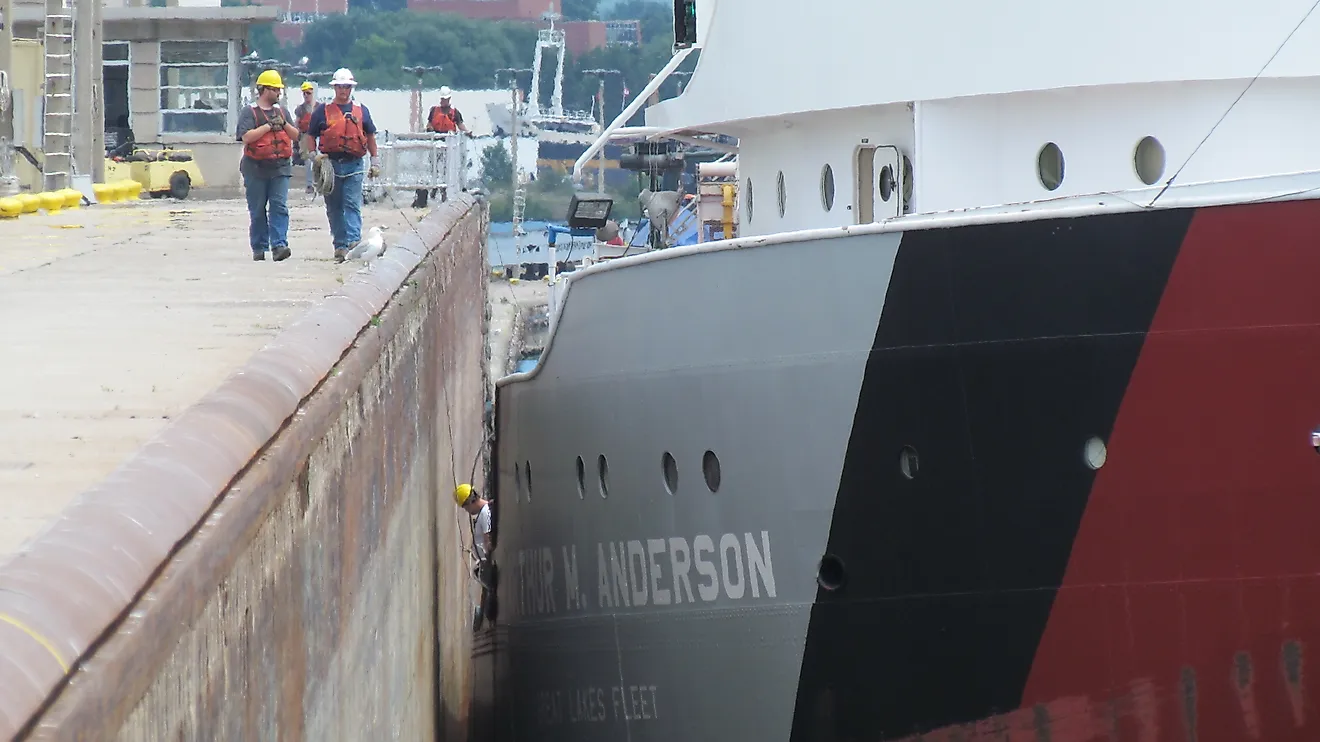
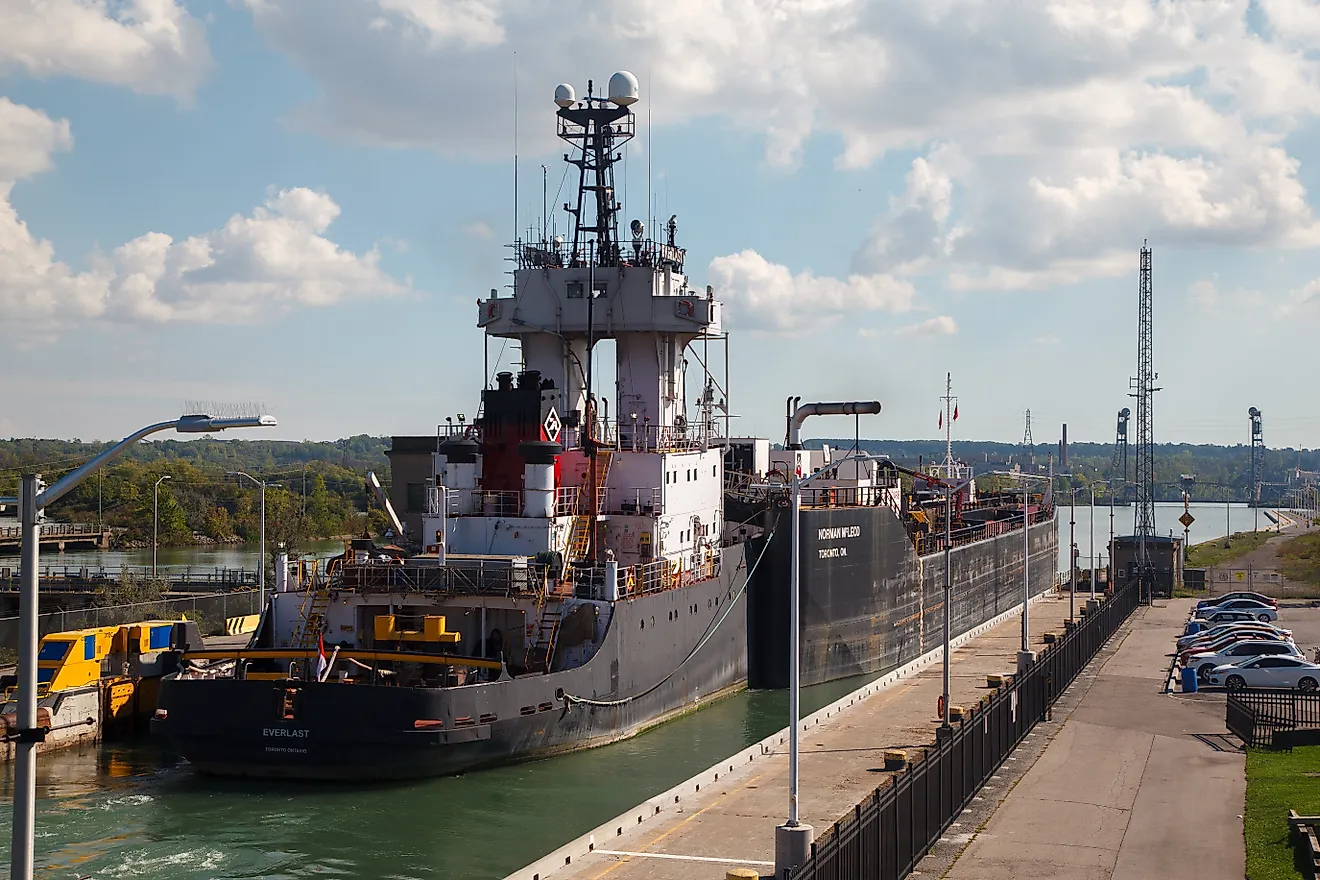
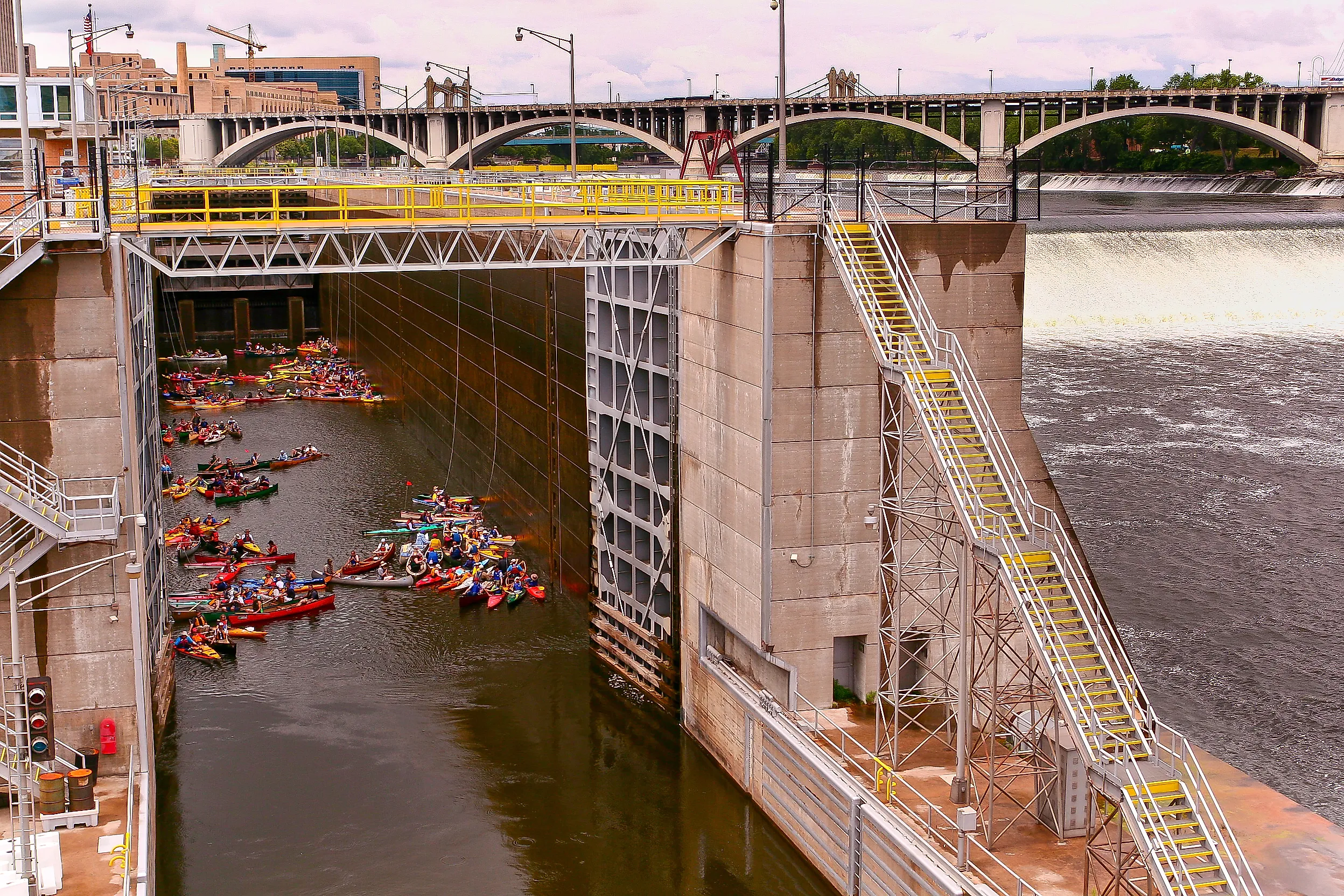
Between Minneapolis and St Louis a paddler passes 29 locks and dams. Each one means approaching a chamber, waiting for a lockage and sharing the space with whatever commercial tow is already in it.
Below St Louis there are none at all, which is why the daily mileage nearly doubles once a paddler clears the last of them.
The Record Is 16 Days And 20 Hours

The team record was set in May 2023 and certified by Guinness later that year.
Scott Miller, Paul Cox, Judson Steinback and Wally Werderich launched from Lake Itasca on 10 May and reached the Gulf on 27 May in 16 days, 20 hours and 16 minutes. They paddled in near-continuous rotating shifts supported by a crew of 20.
They beat the previous mark, set in 2021, by 23 hours and 30 minutes. Miller had attempted it in 2021 and lost his canoe in a storm near the Gulf.
The Solo Record Fell This Year

The solo mark is a separate category and it was broken decisively.
Ilia Smirnov left Lake Itasca on 1 May and reached Mile Zero on 3 June, covering the river in 34 days. That took 22 days off the previous solo benchmark.
He paddled 15 hours a day and slept four to five hours a night. Against the team record of under 17 days, the solo figure shows exactly what a support crew and rotating shifts are worth.
The Record Has Fallen By Forty Days

The progression since the 1930s is one of the steeper improvement curves in endurance sport.
Joe Tagg, Gerald Capers and Charles Saunders set the first recognized mark in 1937 at 56 days, paddling from Itasca to New Orleans. A British Royal Air Force team took it to 42 days in 1978.
Bob Bradford and Clark Eid cut it to 18 days 4 hours 51 minutes in 2003. From 56 days to under 17 in under a century.
Ice Decides The Start Date

The calendar is less flexible at the top of the river than people expect.
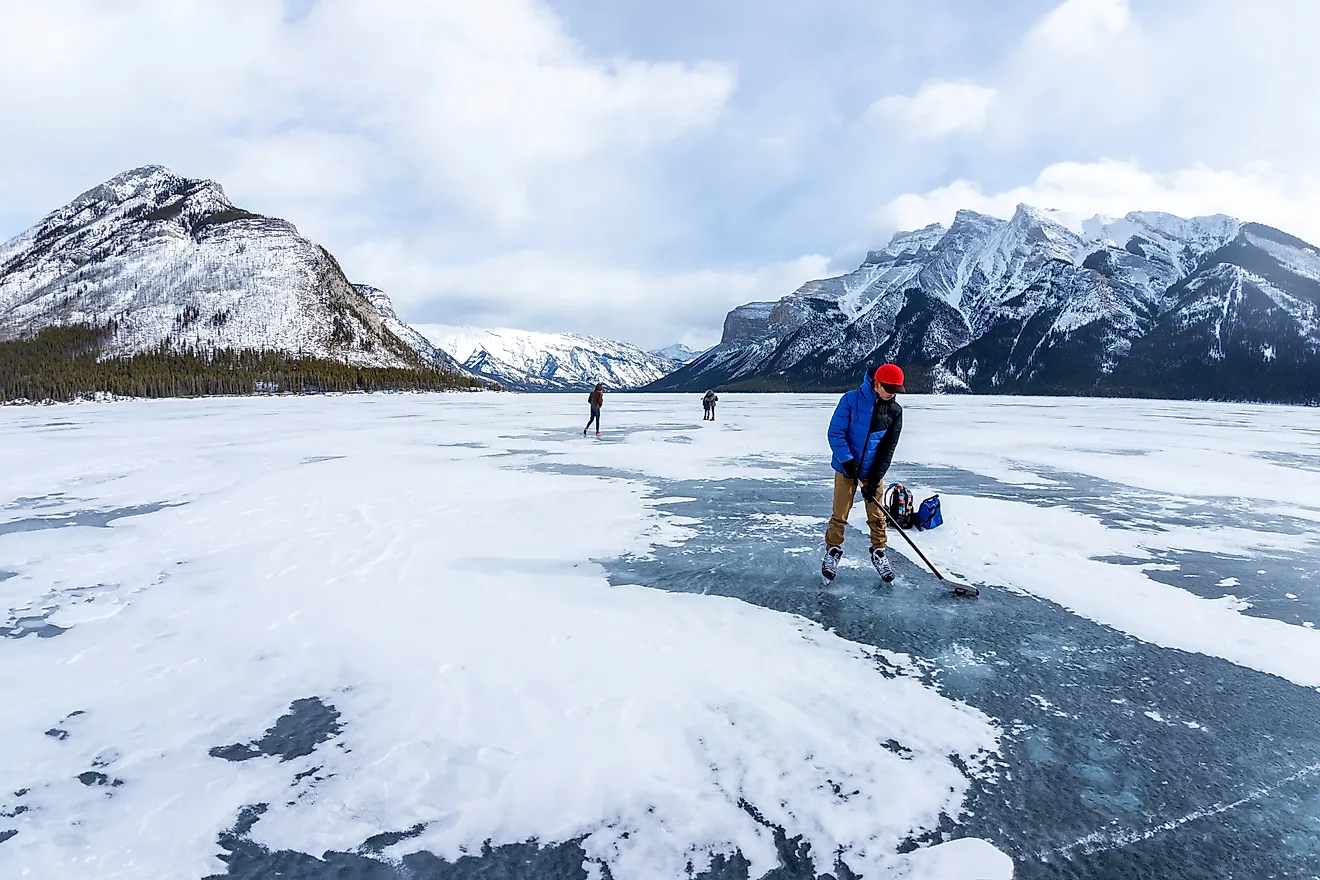
The 2023 record team delayed their 7 May launch waiting for ice-out on Lake Winnibigoshish, then set off anyway after three days and hoped the ice would be breaking up by the time they reached it 33 hours later.
Start too early and the upper lakes are frozen. Start too late and you are paddling the lower river in hurricane season.
A Third Of The River Leaves Early

There is a decision at the bottom of the river that changes the route and the distance.
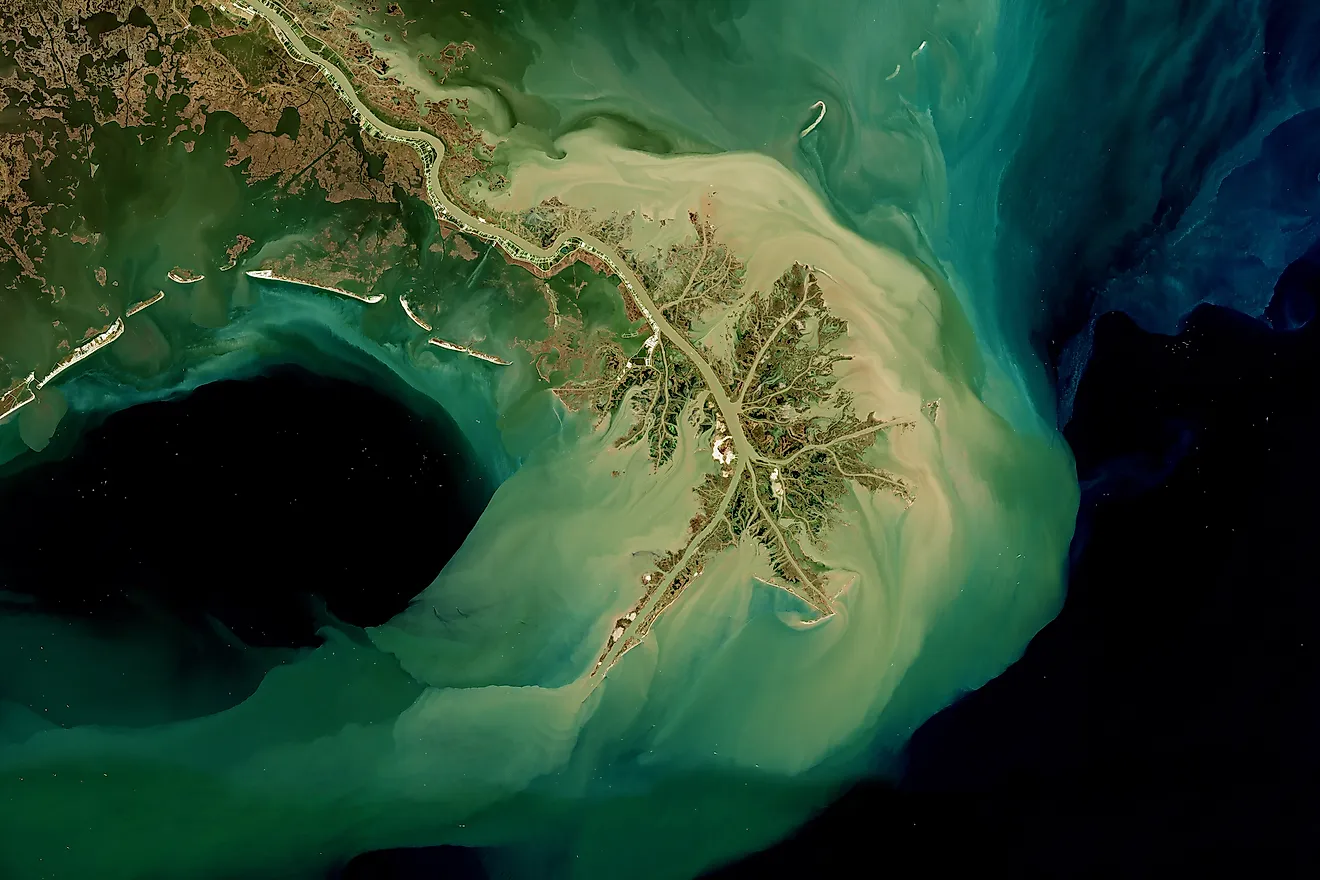
Roughly one third of the Mississippi's water is diverted into the Atchafalaya River, which reaches the Gulf about 100 miles west. Some paddlers take that route instead of continuing past Baton Rouge and New Orleans.
The Atchafalaya avoids the heaviest shipping on the continent. It also means finishing somewhere other than the mouth of the Mississippi.
The Last Stretch Is The Dangerous One

The river speeds up toward the end and so does everything else on it.
Current reaches about 3 miles per hour at New Orleans against 1.2 at the headwaters. The same stretch carries ocean-going ships, and the final run into the Gulf is open water.
Losing a canoe in a storm near the Gulf ended one record attempt outright in 2021. The fast miles at the end are the ones that go wrong.
The Short Answer

Paddling the entire Mississippi takes most people three to four months, covering 2,300-odd miles at a daily average that climbs from about 23 miles in the Minnesota headwaters to over 40 below St Louis, through 29 locks and around a million paddle strokes.
The team record is 16 days, 20 hours and 16 minutes, set in 2023 with rotating shifts and a crew of 20. The solo record is 34 days on 15-hour days and five hours of sleep. And a drop of water, taking its time, does the same trip in 90.