3 US Lakes That Are Drying Up Fast
Lakes around the world are drying up, and the problem runs deeper than a falling waterline. When a lake shrinks, it takes a toll on the environment, on the wildlife that depends on it, and on the people who rely on it for water, work, and recreation.
Here are three lakes in the United States that are shrinking fast, why it is happening, and what is being done about it.
First, Why Are Lakes Drying Up?

Across the western United States, lakes are shrinking thanks to a mix of drought, rising demand for water, and shifting precipitation patterns.
Over the past few decades, hundreds of small lakes and ponds across the United States have dried up entirely, and the trend is expected to continue as the climate warms.
The West has been locked in drought for more than two decades. A study published in 2022 found that the early 2000s onward have been the driest stretch the region has seen in at least 1,200 years, leaving far less water to feed its lakes and reservoirs.
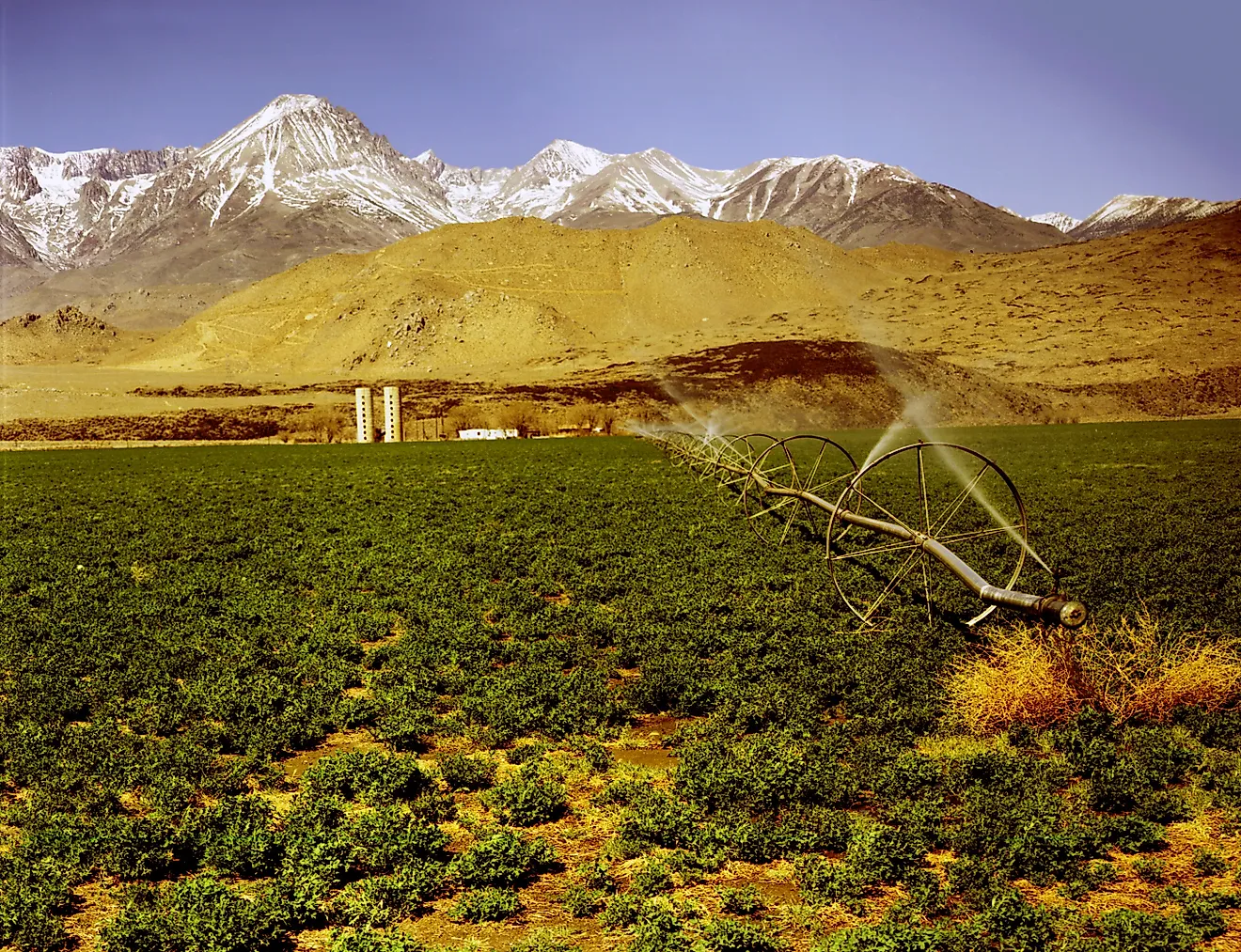
At the same time, growing populations have pushed up demand, so more water is pulled out of rivers and lakes for farms, lawns, and homes.
Warmer temperatures make it worse. More winter precipitation falls as rain instead of snow, and the mountain snowpack that lakes rely on melts earlier and shrinks, so less water reaches them in spring and summer.
Consequences Of Our Lakes Drying Up

The drying of lakes has far-reaching consequences. Lake ecosystems are complex, and they provide many benefits to both people and wildlife. As lakes shrink, those benefits slip away. Fish populations fall as their habitats vanish, and the surrounding wetlands that migrating birds and other animals depend on disappear too.
The loss also hits the people in nearby communities. Lakes offer recreation such as fishing, swimming, and boating, and they draw tourists who help support local economies. And as a lakebed is laid bare, it can turn to windblown dust, sometimes laced with toxic metals, that drifts into nearby towns and fouls the air.
Lakes In The US That Are Drying Up
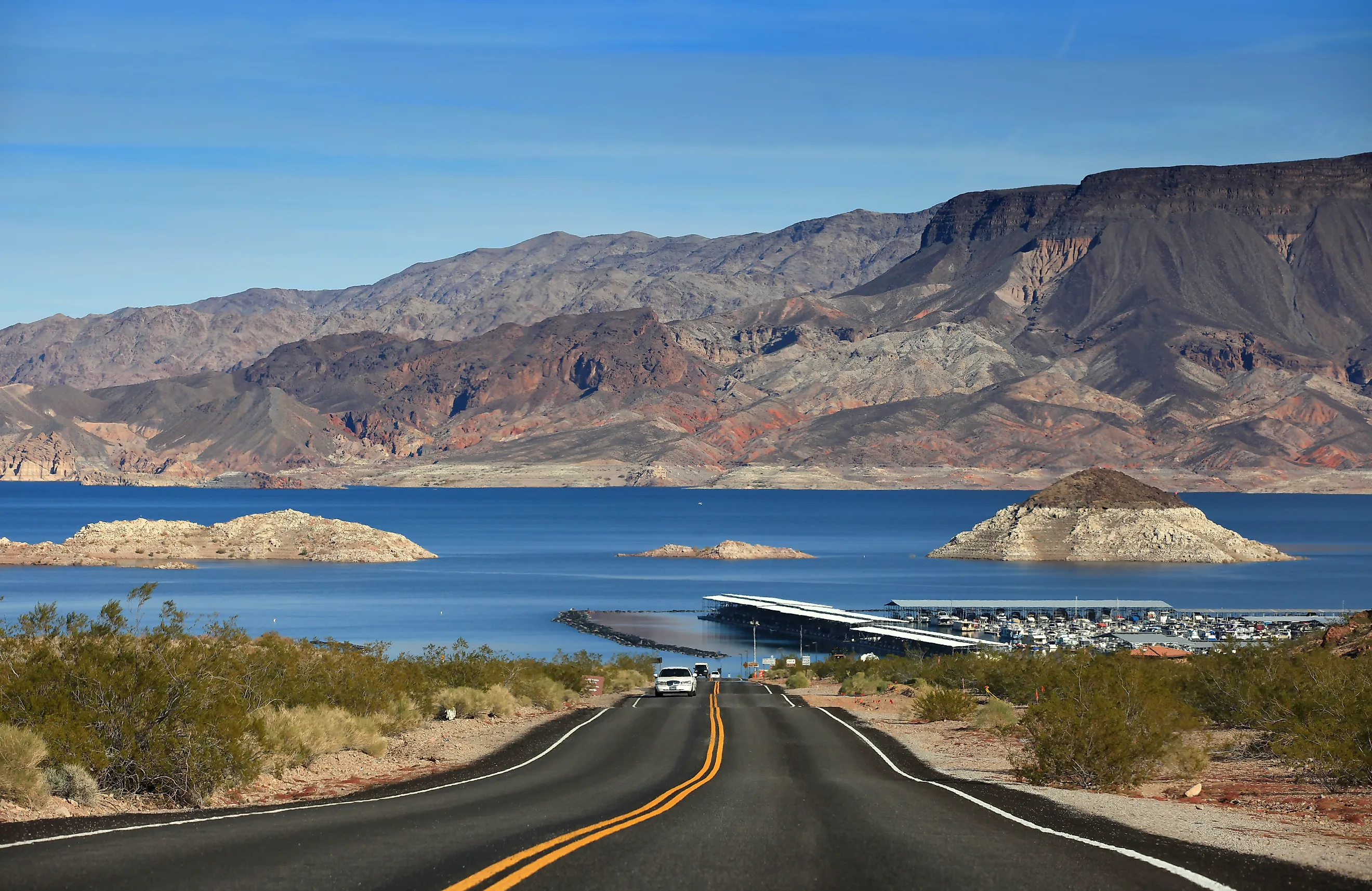
Lake Mead, Nevada and Arizona

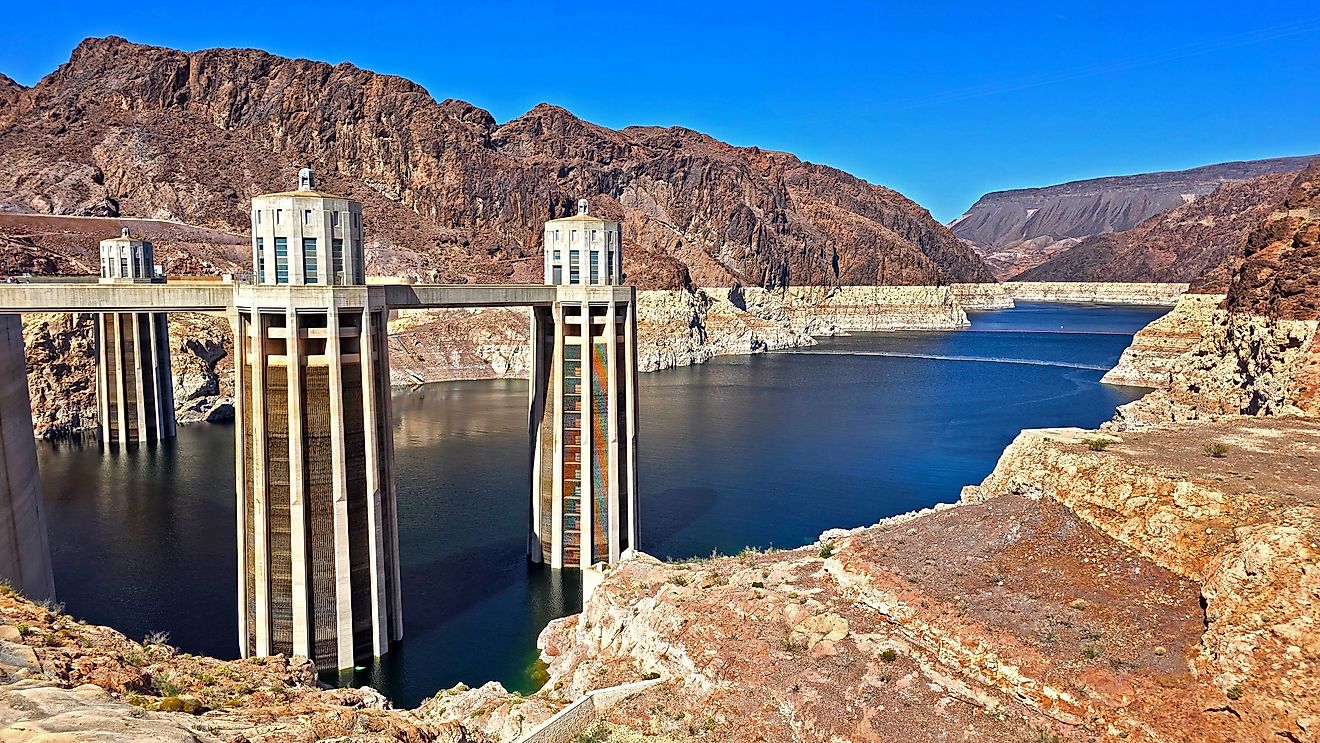
Lake Mead, the largest reservoir in the United States by capacity, has been shrinking for years, and the effects ripple across the entire Southwest. The reservoir supplies water to about 25 million people in Arizona, Nevada, California, and northern Mexico, and the Hoover Dam that holds it back generates hydroelectric power for many more.
The Colorado River that feeds Lake Mead has been gripped by drought since around 2000, and its flows have dropped roughly 20 percent over that time. As of mid-2026, Lake Mead sits at only about 35 percent of capacity, some 180 feet below a full pool, and federal forecasters expect it to slip past its 2022 record low in the months ahead.
The stakes climb as the water drops. Hoover Dam produces less power as the reservoir falls, and below an elevation of about 895 feet, a mark known as dead pool, no water can pass the dam to flow downstream at all. The rules that have governed how the river is shared since 2007 expire in late 2026, and the seven states that depend on it are still negotiating what comes next.
Great Salt Lake, Utah

The Great Salt Lake has been shrinking for decades as the rivers that feed it are tapped upstream for farms, lawns, and cities. In 2022 it fell to an all-time record low of about 4,188 feet, its lowest since record-keeping began in the 1840s, and its surface area shrank to roughly 800 square miles, down from a historical average near 1,700.
Wet winters in 2023 and 2024 brought a partial rebound, but the recovery did not hold. By 2026 the lake's main southern arm had slipped back to around 4,191 feet, among the lowest readings on record and squarely in the range Utah scientists call "serious adverse effects."
A shrinking Great Salt Lake carries heavy consequences. The lake is a critical stop for millions of migrating birds and the foundation of a brine shrimp industry, both of which suffer as the water turns saltier. The bigger danger may be the roughly 800 square miles of exposed lakebed, which can lift into dust storms carrying arsenic and other metals over the millions of people along the Wasatch Front.
There is real effort underway to turn things around. Utah created a Great Salt Lake commissioner in 2023, committed tens of millions of dollars, and has begun leasing water rights so more water can reach the lake, alongside new conservation rules and careful management of a causeway berm that keeps the saltiness within a survivable range.
Walker Lake, Nevada

Once a deep desert lake, Walker Lake is now a fraction of its former size, and scientists warn that without change it could keep sliding toward collapse. Since the 1880s, its surface has fallen more than 150 feet.
The main cause is straightforward: too little water reaches the lake. The Walker River that feeds it is heavily diverted upstream for irrigation, leaving far less to flow in than evaporates off the surface, and as the climate warms, that evaporation only grows.
Walker Lake is also a terminal lake, sitting in a basin with no outlet, so every drop that arrives either stays or evaporates and leaves its dissolved salts and minerals behind. Over the decades, that has pushed the salt content past 21,000 milligrams per liter, more than twenty times that of fresh water.
The result has been hard on wildlife. The Lahontan cutthroat trout, a threatened native fish, can no longer survive in the lake's salty water, and even the tui chub it once fed on is struggling, which in turn hurts the migrating birds that relied on the fish.
It is not all bad news. The Walker Basin Restoration Program, created by Congress in 2009 and now run by the Walker Basin Conservancy, buys and leases water rights from willing upstream farmers to send more water down the river to the lake, with the goal of diluting the salt back to a level fish can survive. Recent years have stabilized the lake, though a lasting recovery will take sustained water and a lot of patience.
A Problem We Can Still Get Ahead Of
Drying lakes are a growing problem across the United States, and the pace has caught many scientists off guard. The encouraging part is that none of these stories is finished. Lake Mead, the Great Salt Lake, and Walker Lake are each the focus of real, active work to slow the loss and claw water back, including interstate negotiations, water-rights deals, conservation rules, and habitat restoration. Whether those efforts move quickly enough is the open question, and it is one worth watching.