The Rivers Where Carp Grow Largest
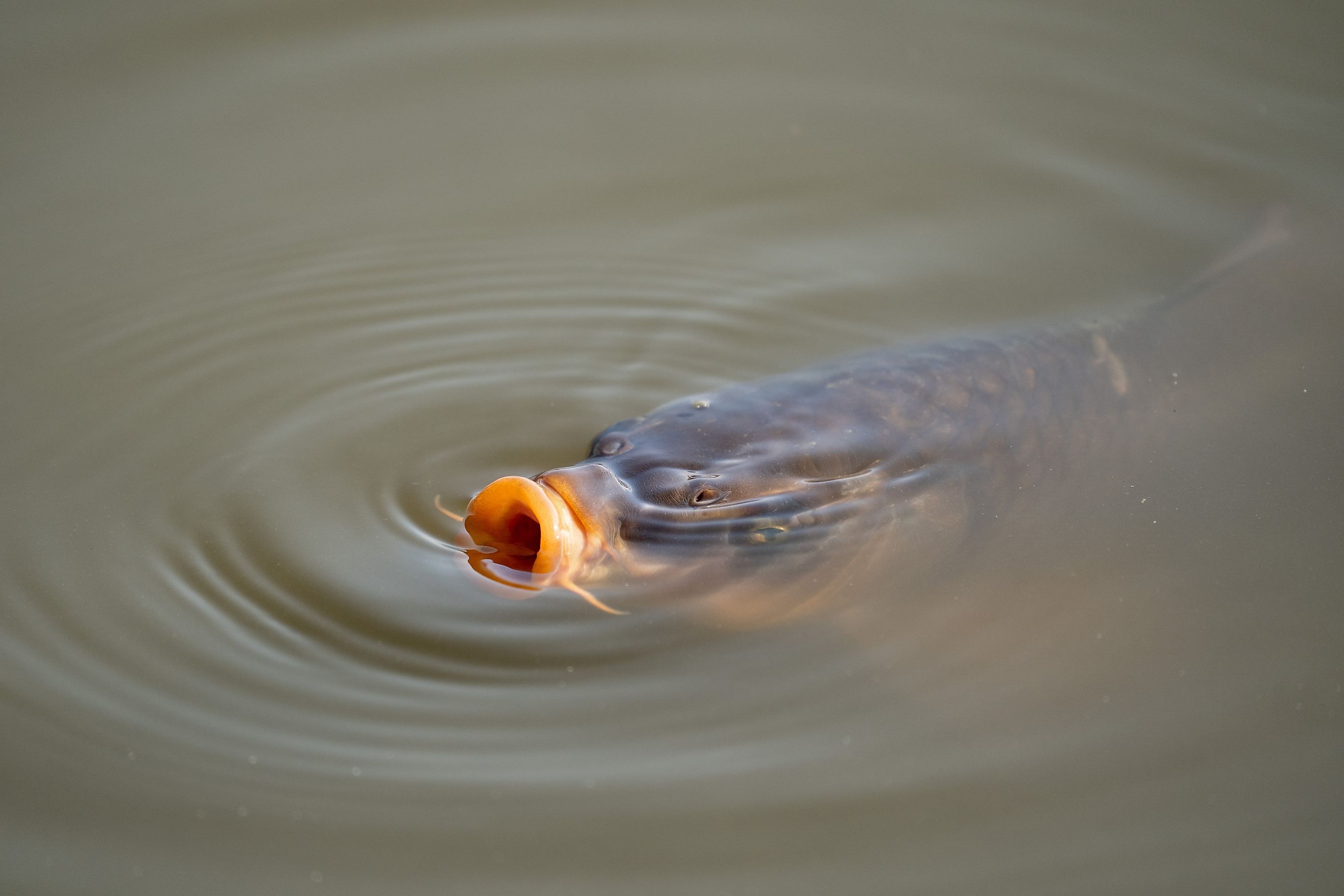
Across America's rivers, there is one fish type that is both revered and hated in equal measure: carp.
In reality, what we call carp are several different species of fish, some of which have been home in America since the 1800s, and others escaped from fish farms and treatment ponds starting in the 1970s and 1980s; they have devastated rivers across the American South and Midwest. For this story, we will examine 7 rivers where carp grow largest, beginning with the common carp rivers of the east and ending in waters that have nearly overrun with invasive Asian carp species.
Charles River

This 80-mile-long river flows through Massachusetts from Hopkinton to Boston, passing through 23 settlements along the way. For fishers in the state of Massachusetts, the Charles River regularly rises to the top for catching common and mirror carp.
In May 2016, a fisher in Boston caught a 26-pound common carp. Although it was a huge find for the angler, the Massachusetts Division of Fisheries and Wildlife said common carp often grow to this size and larger in the river, in part due to efforts from the Boston metro area to keep the Charles River clean.
Mirror carp flourish in the colder waters of the Charles River, named after the gold scales on their sides, which resemble small mirrors. They can grow as large as 50 pounds, although most don't grow much larger than 10 pounds.
Potomac River

The Potomac River flows through the heart of early colonial America, including George Washington's estate at Mt. Vernon and the capital of Washington, D.C. In addition to historical importance, the river also contains large numbers of common carp, which can grow to impressive sizes by feeding on crustaceans, worms, fish eggs, and mussels through the mud.
They were first brought to the state of Virginia and the Potomac River in the 1800s from Europe. Today, these fish are a common sight both in the Potomac River and its tidal waters. In 1983, fisher David Nikolow caught a 57-pound common carp in the Tidal Basin. This trend has continued today, as fishers scouting out deeper sections of the river have pulled out carp topping 20 pounds. Common carp range in size from 6 to more than 40 pounds on average, and can grow more than 36 inches in length. They tend to frequent muddy bodies of water, scavenging for food.
Hudson River

Flowing from the Adirondack Mountains into New York Bay, the Hudson River forms the natural boundary between New York and New Jersey. It also provides plenty of opportunities for fishers in Upstate New York to catch common carp that grow up to 30 pounds, with local fishers reporting catches of 15 pounds. The state record for New York came in at 50.25 pounds and was caught in 1995 at the Tomhannock Reservoir, a manmade reservoir created by damming the Tomhannock Creek, which is a tributary of the Hudson River.
Although fishers can look for these fish with a simple fishing tackle, they can also use more advanced techniques. New York State's official government website recommends chumming by throwing out corn into a fishing area to attract the bottom feeders, and then using a hair rig so the bait is not covered by the point of the hook. Even smaller carp are known to put up a strong fight while being reeled in.
Illinois River

The Illinois River has some of the biggest concentrations of invasive carp in the U.S. This is such an issue that the Illinois River Biological Station has worked to remove them and has caught massive varieties that frequently approach or exceed 100 pounds.
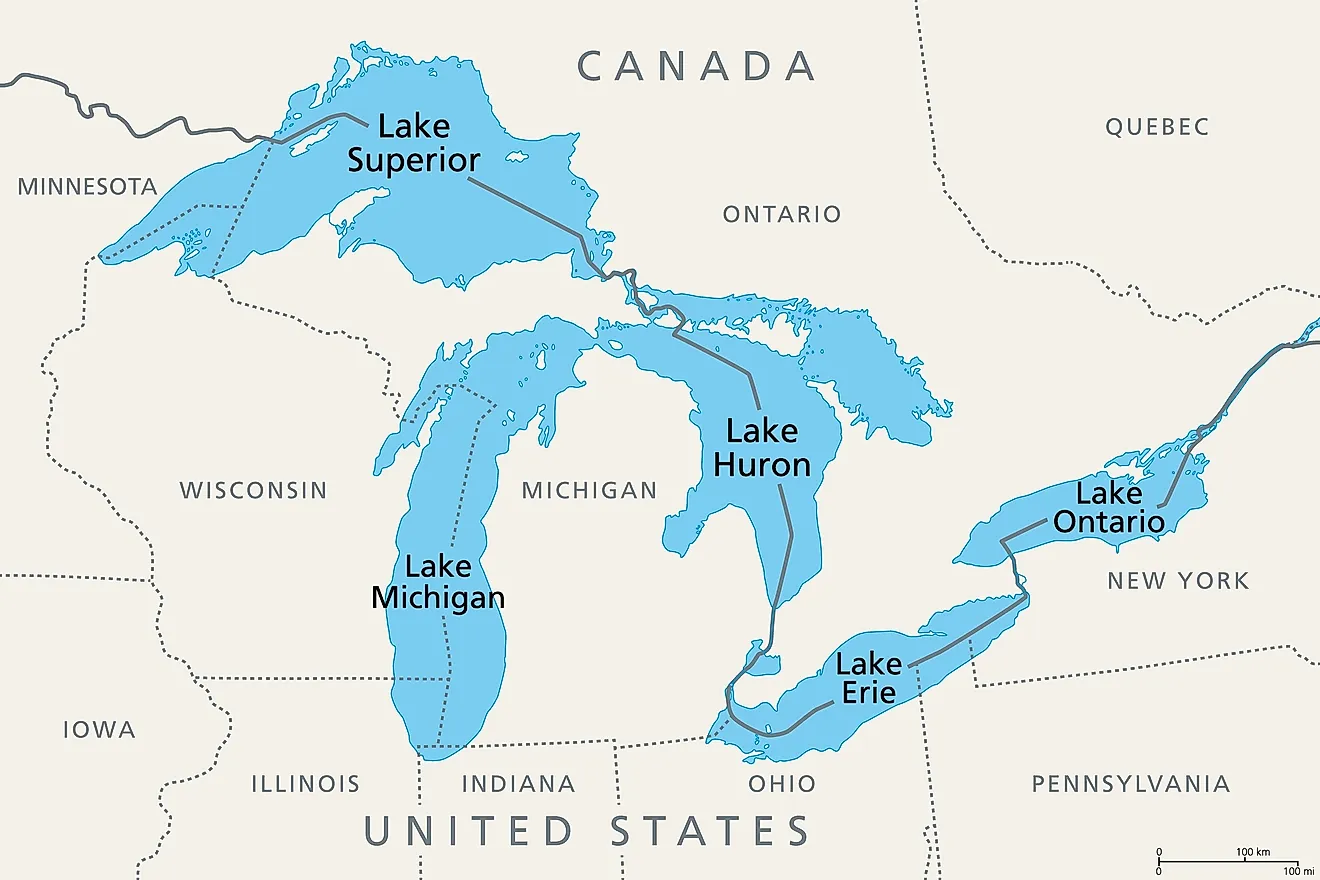
Grass, silver, bighead, and black carp are all present in the Illinois River and can produce vast populations by feeding off mollusks, zooplankton, and other materials on the bottom of the river. Since 2011, officials have harvested and removed 50 million pounds of invasive carp from the river, while also utilizing advanced techniques such as the Electric Dispersal Barrier System 37 miles away from Lake Michigan, which deters the carp from entering the lake.
The primary goal of controlling these carp is keeping them out of Lake Michigan, as scientists worry that these nonnative species could outcompete the native fish in the Great Lakes.
Kentucky River

The Kentucky River is a major tributary of the Ohio River, draining through central and eastern Kentucky for 260 miles. Due to its connection to the Ohio River, it is home to all four of the invasive carp species, along with the common carp. Although the black carp is the largest of these five species, the largest carp ever caught on the river was a 65-pound bighead carp.
Captured in 2020 by a resident of Woodford County, it beat out the previous state record by 1 pound. Bighead carp's eyes point downward to help them find zooplankton to eat. By eating so much zooplankton, the Common Carp removes vital resources for juvenile fish, while also sucking up so much mud that they reduce the overall clarity of the water. In some cases, predator fish can't seem to catch prey due to the muddy waters.
Mississippi River

The Mississippi River has also been impacted by invasive varieties of carp, and in 2024 the Missouri Department of Conservation reported that a man had caught a 97-pound bighead carp. This surpassed a previous state record of an 80-pound carp within the Lake of the Ozarks.
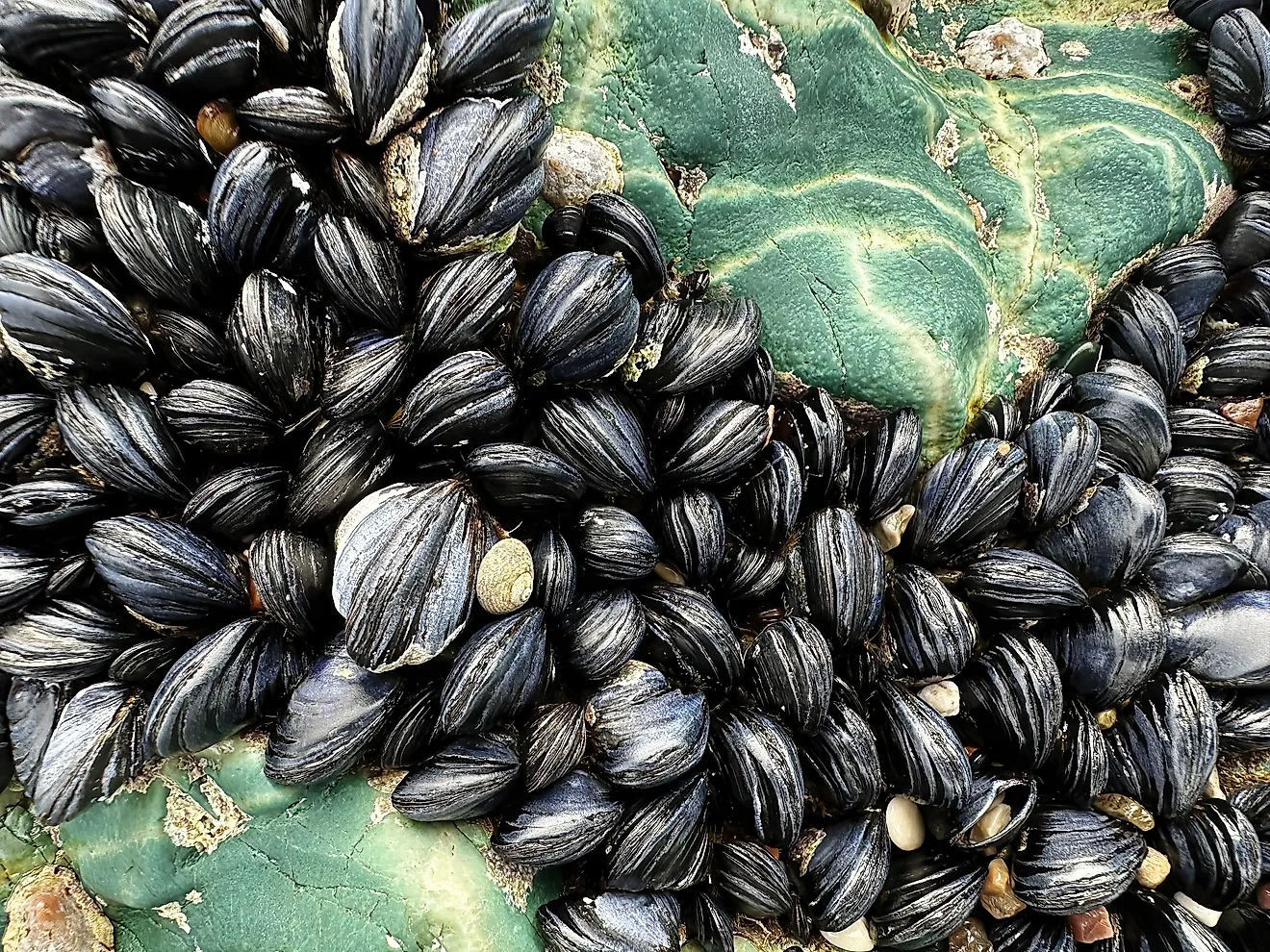
Bighead carp were brought over from Asia for wastewater treatment, as they consume zooplankton. They can eat nearly constantly and consume from 20% to 120% of their body weight a day. They escaped from containment in the 1980s and are considered an invasive species due to their size and how much they can eat. They also lower overall water quality, which can harm freshwater mussels.
There are three other invasive carp species present in the river, including black, grass, and silver carp. They are so prevalent in the river that the Minnesota Department of Natural Resources reported catching 323 silver, grass, and bighead carp in southern Minnesota alone in 2023. Not all carp in the Mississippi River are invasive, as the river also supports common carp.
Osage River

The Osage River is a 500-mile-long tributary that flows through the Ozarks into the Missouri River just outside of Jefferson City, Missouri. The city of St. Louis gets electricity from the Bagnell Dam, impounding water into the Lake of the Ozarks. Multiple varieties of carp have been found in this river, including the silver carp, common carp, and the invasive black carp.
In 2021, angler Jesse Hughes was fishing for catfish when he caught a 112-pound black carp. He at the time had not heard of black carp, which are an invasive species that escaped a fish farm in 1994 and have since spread throughout the Mississippi River system, including the Missouri and Osage Rivers. These fish grow by feeding on native mussels, crushing their shells with their sharp teeth. They are considered an invasive species and are not allowed to be bought, sold, or brought into any Missouri waters. These fish can grow as large as 160 pounds and measure up to 5 feet.
These carp put up a fight
Anglers have often noted that carp are a deceptive species in that smaller ones are easier to catch, but larger ones are typically very intelligent and move slowly through the water, eating as much as they can. If one does get a hook in them, they are known to go for weeds and struggle hard against the reel. While carp are exciting, they can also be quite a nuisance to their environments, as the invasive carp demonstrate.
This is why, for the Illinois River authorities, catching these fish isn't for fun; it's to preserve the delicate ecosystems of Lake Michigan and the Great Lakes more broadly. This is why those who catch an invasive carp should not return it, but instead kill it and report the catch to local wildlife authorities.