The US Rivers With The Most Freshwater Mussels
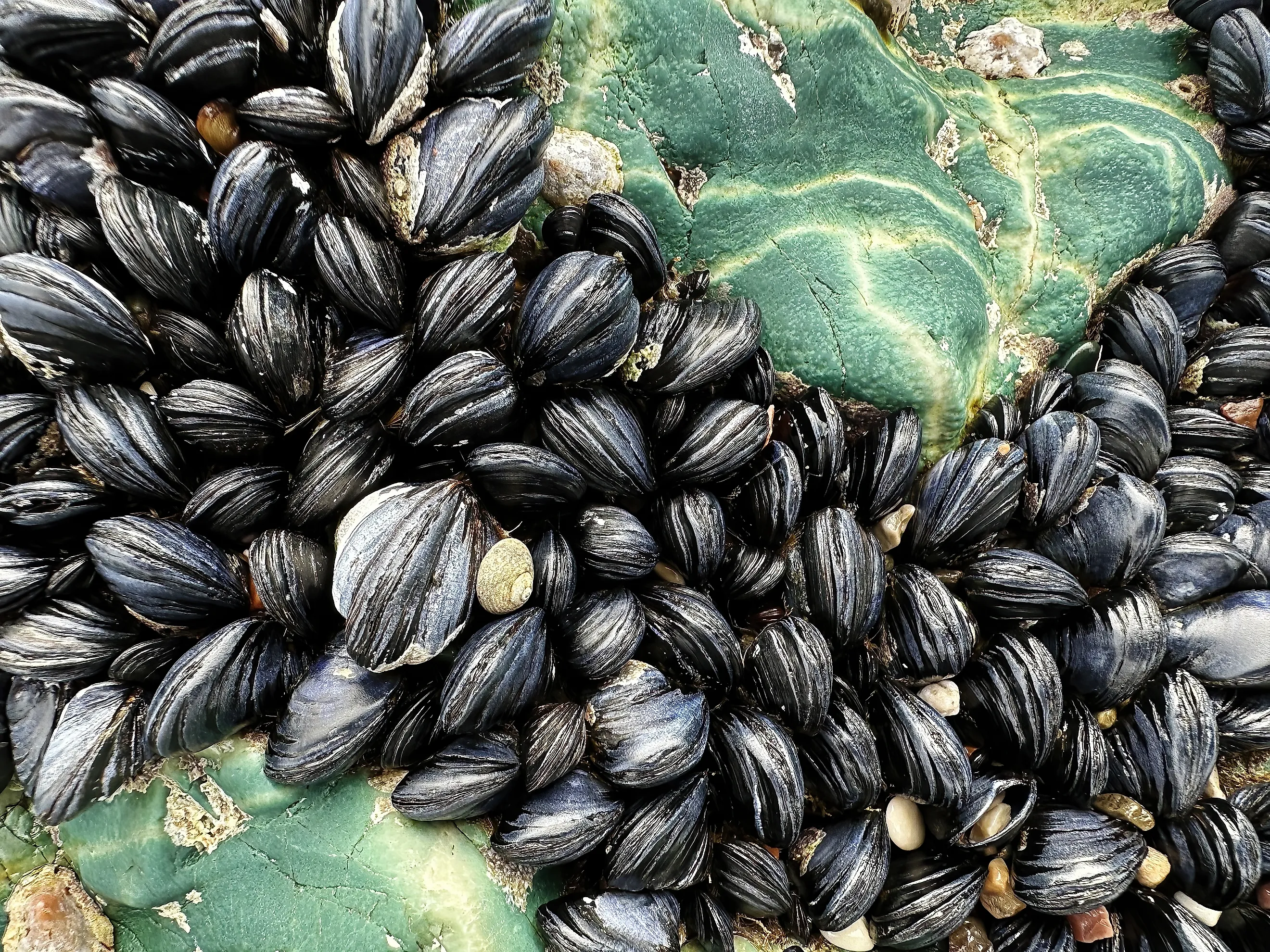
All of Europe has about a dozen species of freshwater mussels. A single river in Virginia, the Clinch, holds more than three times that many. North America is home to roughly 300 species, most of them in the Southeast. A handful of rivers in Tennessee, Kentucky, and Virginia hold the richest collections of all. Freshwater mussels are hard-shelled animals that spend most of their lives half-buried in river gravel, quietly filtering water as they feed. They are also the most endangered group of animals in North America, with about 70% of species at some level of risk.
Duck River, Tennessee

The Duck River winds for about 290 miles across south-central Tennessee, and scientists rank it among the most biologically diverse rivers in North America. According to the Tennessee Wildlife Resources Agency, about 77 native freshwater mussel species are known from the river, and 15 federally endangered or threatened species still survive there. The Duck also supports well over a hundred fish species, which matters for mussels, because young mussels need fish to survive. Improved water releases from the Normandy Dam upstream, which began in the early 1990s, have helped some mussel populations recover. Large stretches of the river are now designated critical habitat for protected species.
Green River, Kentucky

Kentucky's Green River, a major tributary of the Ohio River, flows through Mammoth Cave National Park, and it is one of the richest mussel rivers in the world. Researchers at Western Kentucky University say the river holds about 75 species, nearly 10% of all the freshwater mussel species on Earth. Recent surveys have turned up endangered species such as the fanshell, sheepnose, and pink mucket. To help, conservation groups and federal agencies have been removing old dams on the Green, reopening long stretches of free-flowing river for the fish that mussels depend on.
Clinch River, Virginia And Tennessee

The Clinch River begins in the mountains of southwestern Virginia and flows into Tennessee, and according to the Virginia Department of Wildlife Resources, it holds more endangered mussel species than any other river in North America. About 46 mussel species still live in the river, down from a richer past, after decades of coal mining runoff, farm pollution, and dams. During a recent survey, snorkelers found more than twice as many living species in four days as exist on the entire continent of Europe. The Clinch also holds the only reproducing population of the tan riffleshell, one of the rarest mussels in the world.
Powell River, Virginia And Tennessee

Just west of the Clinch, the Powell River runs parallel through the same mountain valleys before the two rivers meet in Tennessee. Together, the Clinch and the Powell are among the last free-flowing headwater streams of the ancient Tennessee River system, and the Powell is home to several federally endangered mussel species of its own. Its mussel beds have suffered from the same coal-mining runoff and sediment that harm the Clinch, but biologists see the two rivers as a pair. Restoring one helps the other, because fish carrying young mussels can move between them.
Tennessee River, Alabama And Tennessee

The Tennessee River system as a whole, along with the neighboring Cumberland River basin, holds the greatest mussel diversity in North America. The river's most famous stretch tells the story of what has been lost. Muscle Shoals, in northern Alabama, takes its name from the enormous mussel beds that once covered the river's rocky shallows there. When Wilson Dam was completed in the 1920s, it flooded the shoals into a reservoir, and many of the mussels that depended on fast, shallow water disappeared. Today, the free-flowing tributaries that feed the Tennessee, such as the Duck and the Clinch, have become the last strongholds for many of these species.
What Threatens America's Mussel Rivers

Even in these rich rivers, mussels face serious threats. Dams turn fast, gravelly shoals into deep, slow reservoirs and block the fish that young mussels need. Mud washing off farm fields, construction sites, and old mines can smother mussel beds, and chemical spills can wipe out decades of growth in a single day. In Kentucky alone, about 20 mussel species have already disappeared. Invasive zebra mussels, which spread across much of the country after first reaching North America in the Great Lakes, are another danger, because they attach to native mussels and starve them. Hatcheries in Virginia, Tennessee, and Kentucky now raise rare mussels and release them back into these rivers to help rebuild their populations.
Why Mussels Matter
Freshwater mussels are easy to overlook, but they do a remarkable job. A single mussel can filter gallons of water a day, cleaning rivers as it feeds, and mussel beds stabilize the riverbed and provide shelter for insects and fish. Their life cycle is just as unusual. Young mussels hitch a ride on the gills of a host fish before dropping off to settle in the gravel. That makes mussels a strong sign of a river's health. Where they survive in large numbers, the water, the fish, and the riverbed are all in good shape.