The Difference Between A Bay And A Harbor
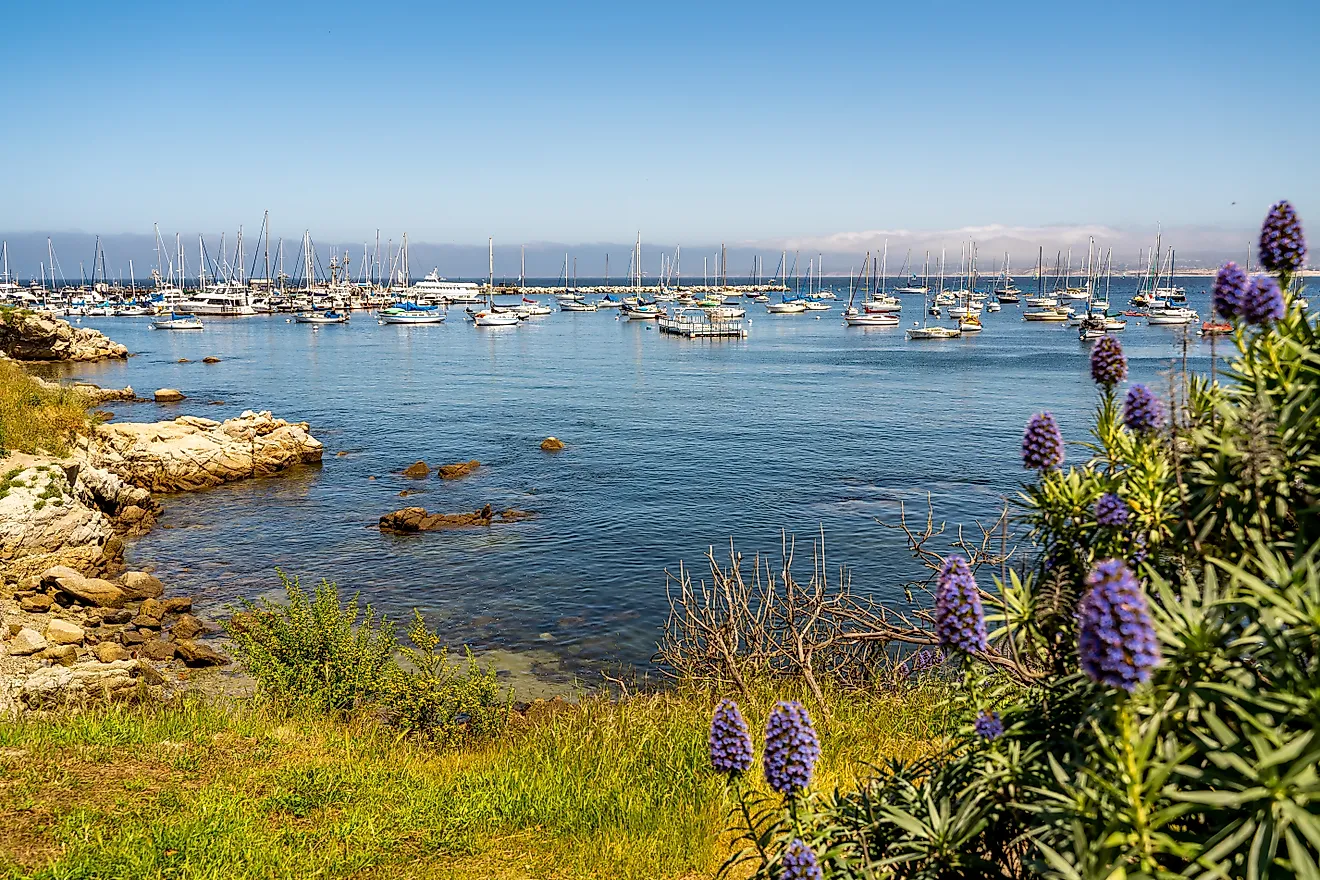
A bay is a coastal body of water that connects to another body of water, like a lake or ocean. A harbor describes a sheltered place where vessels can anchor or berth. Boston Harbor, for example, lies within a series of larger bays along the Massachusetts coast. In Southern California, engineers created Dana Point Harbor by building two breakwaters into the Pacific Ocean. There is some overlap between the terms, but the main difference between a bay and a harbor is function: bays are defined strictly by their geography, but harbors are defined by their shelter for boats and ships.
What Is A Bay?

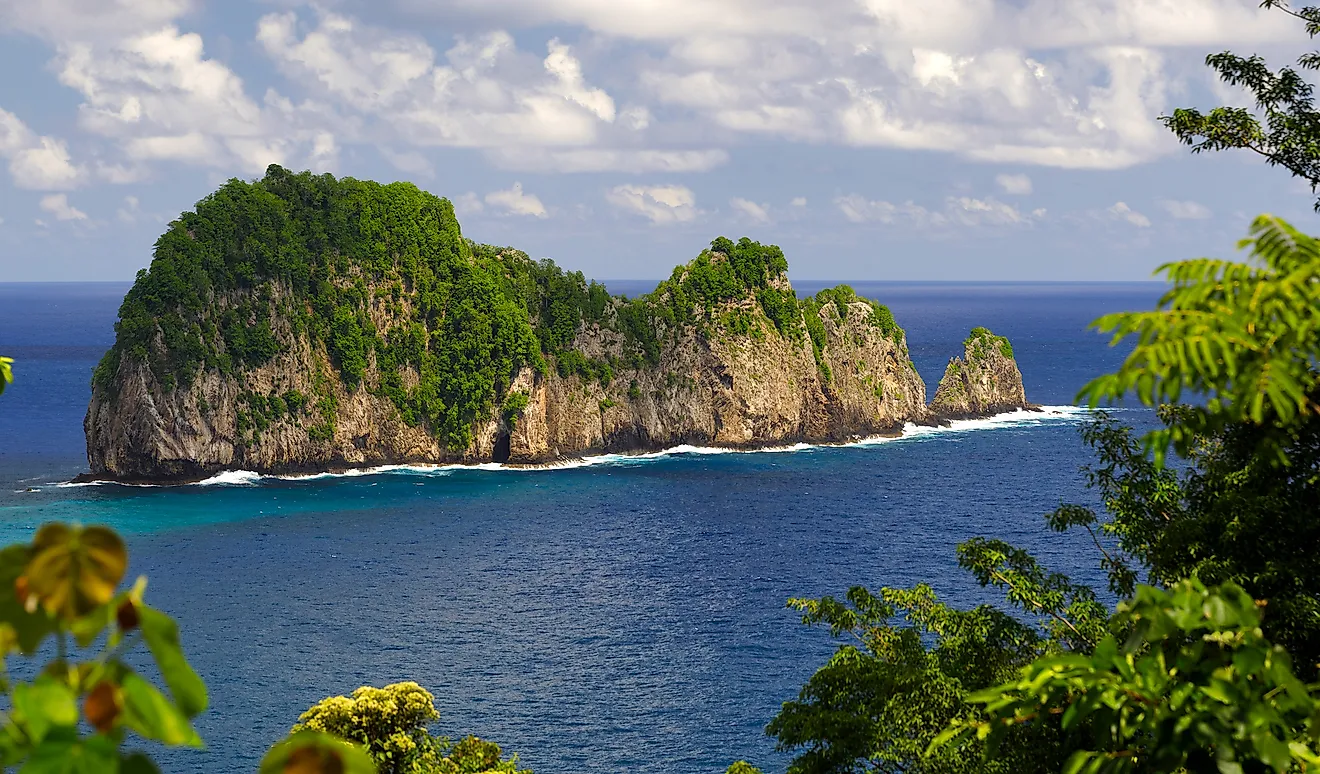
A bay is a body of water partly surrounded by land and connected to a larger body of water, such as an ocean or lake. Its entrance, called the mouth, connects the indentation in the shoreline with the water beyond it. Bays vary widely in size and shape: Some form broad coastal curves, while others extend inland through branching waterways. The defining characteristic is their relationship between water and surrounding land, not necessarily the presence of a waterfront town, docks, or ships.
Chesapeake Bay illustrates how large and complex a bay can be. It stretches about 200 miles from Havre de Grace, Maryland, to Virginia Beach, Virginia. It is also an estuary, meaning fresh water and salt water mix within it. The Chesapeake Bay Program identifies it as the largest estuary in the United States. A bay's identity begins with the coastline and the water it encloses, rather than how people use it.
What Is A Harbor?

A harbor is a sheltered area of water, whether natural or artificially constructed, where vessels can find refuge, anchor, or berth. The protection may come from the surrounding land or from structures built by people. Unlike a bay, the definition of a harbor centers on what the water area does for vessels: reducing their exposure to conditions outside the sheltered area.
Natural harbors depend on the arrangement of the coastline. Headlands, islands, or other land barriers can limit incoming waves. Artificial harbors use structures such as breakwaters to reduce wave action. Many working harbors combine natural protection with engineering, including dredged channels that let deeper vessels pass through shallow water. Harbors need not face the ocean directly, nor are they always suitable for every type of vessel. Water depth, channels, and currents still matter, as the shallow waters and strong currents in parts of Boston Harbor demonstrate.
The Main Differences Between A Bay And A Harbor

The main difference between a bay and a harbor is their purpose. A bay describes the geography of a body of water partly enclosed by land. A harbor is sheltered water where vessels can anchor or berth. Bays typically develop through natural processes that shape coastlines. Harbors may use natural shelter, artificial sea walls, or a combination of the two. Engineers can build breakwaters to reduce incoming waves and dredge channels to accommodate deeper vessels. These improvements make an area more useful for navigation without changing the basic meaning of a bay.
Their definitions aren't dependent on size and depth, either. A harbor is not necessarily smaller than a bay, and sheltered water is not always deep water. Boston Harbor, for example, averages less than 20 feet deep despite supporting commercial shipping. Key navigation areas require routine dredging so larger vessels can pass. The practical distinction comes down to functionality and the shape of the shoreline rather than a fixed measurement.
A Bay Can Also Be A Harbor

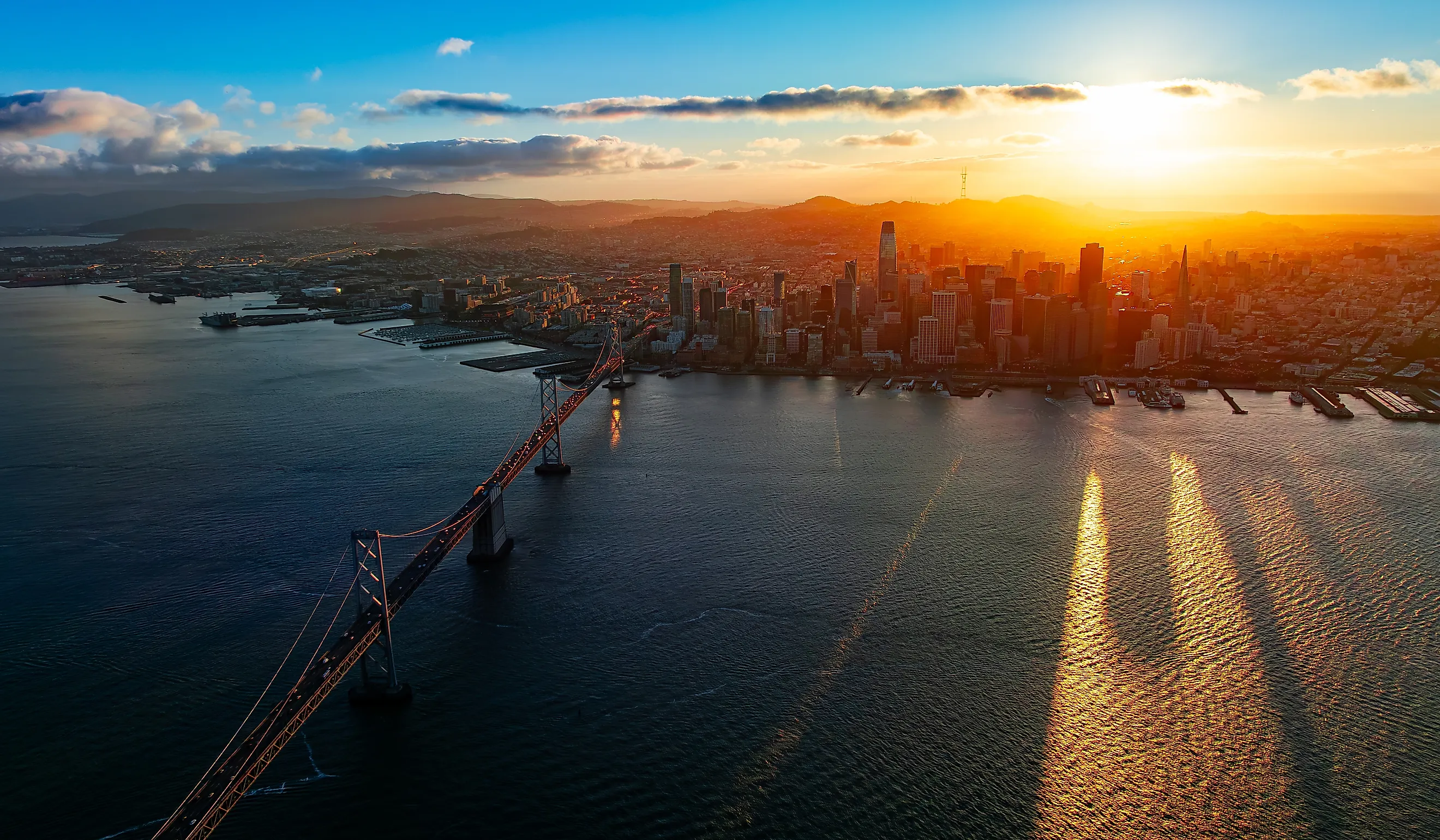
A bay can function as a harbor when its waters have sufficient shelter for vessels, so the two terms are not mutually exclusive. A harbor may occupy only part of a bay rather than all of it. For example, San Francisco Bay is a natural bay as well as a major West Coast harbor. Boston Harbor lies in the interior of Boston Bay, which is also inside of the larger Massachusetts Bay.
This harbor is relatively complicated inside: The National Park Service includes Dorchester Bay, Quincy Bay, and Hingham Bay within Boston's Outer Harbor. A harbor can therefore sit inside a bay while also containing smaller bays. These overlapping names reflect different scales and parts of the coastal landscape.
How Bays Form

Bays can develop through different geological processes, including the flooding of low-lying land as sea level rises. Many estuarine basins occupy former river valleys or valleys carved by glaciers. When seawater enters these depressions, the old landscape helps determine the shape of the new shoreline. This explains why some bays have branching arms rather than a simple semicircular outline.
Chesapeake Bay began forming about 10,000 years ago as melting glaciers raised sea level and flooded the Susquehanna River valley. Its geography preserves part of that earlier drainage system beneath the water. The bay did not appear all at once in its present form; erosion, rising water, and sediment movement continued to reshape it.
San Francisco Bay also reflects major changes in sea level. According to the National Park Service, the bay began forming about 8,000 years ago as rising seas flooded its floor. Earlier, a river flowed through the Golden Gate Bridge area and across land that is now underwater before reaching the Pacific. The modern bay is actually a flooded landscape, not a basin cut into the coast by waves.
How Harbors Form

A natural harbor begins with land that shelters part of a larger body of water. The coastline limits wave exposure, creating favorable conditions for anchoring. An artificial harbor achieves protection through construction. Protection and depth are separate needs, so harbor improvements address both.
Dana Point Harbor in California is a clear example of harbor construction: Two rubble-mound breakwaters created the harbor from 1966 to 1970. Farther north along the coast, Los Angeles and Long Beach demonstrate harbor engineering on a much larger scale. Both occupy San Pedro Bay, where a breakwater system stretches across much of the bay, with openings through which ships enter the harbor areas. The engineered barriers help establish the protected waters used by the ports.
Sheltered Water Is Not Always Hazard Free

A harbor's protection is not guaranteed. Shelter from ocean waves does not remove shallow areas, submerged obstacles, or ocean currents. A vessel needs to have enough water beneath it and enough room to move. The word "harbor" isn't necessarily a promise of safe passage under every condition.
Boston Harbor contains shallow channels, submerged bars, numerous islands, and strong currents in some places. Its average depth is less than 20 feet, despite its long-standing role in commercial navigation, and it relies on routine dredging to maintain suitable depths in key areas used by larger craft. In San Francisco Bay, tides drive strong currents through the Golden Gate, where the National Park Service describes a deeply scoured channel.
Bays And Harbors Are Coastal Ecosystems
The shorelines of bays and harbors can include salt marshes, mudflats, beaches, and other habitats. Some are also estuaries, where river water meets seawater. Boston Harbor contains multiple different features. It lies within a larger bay, is a harbor, and forms an estuary. Its habitats support wildlife and young marine organisms, while its wetlands and other coastal environments contribute to water filtration and flood control.
Its history also shows how human activity can change sheltered coastal waters. A court-ordered cleanup in the 1980s and the development of the Deer Island Wastewater Treatment Plant helped improve Boston Harbor's water quality and ecosystems. Harbors may support shipping and commerce, but they also require careful management as a living coastal environment.