The US Rivers Where Eels Still Migrate
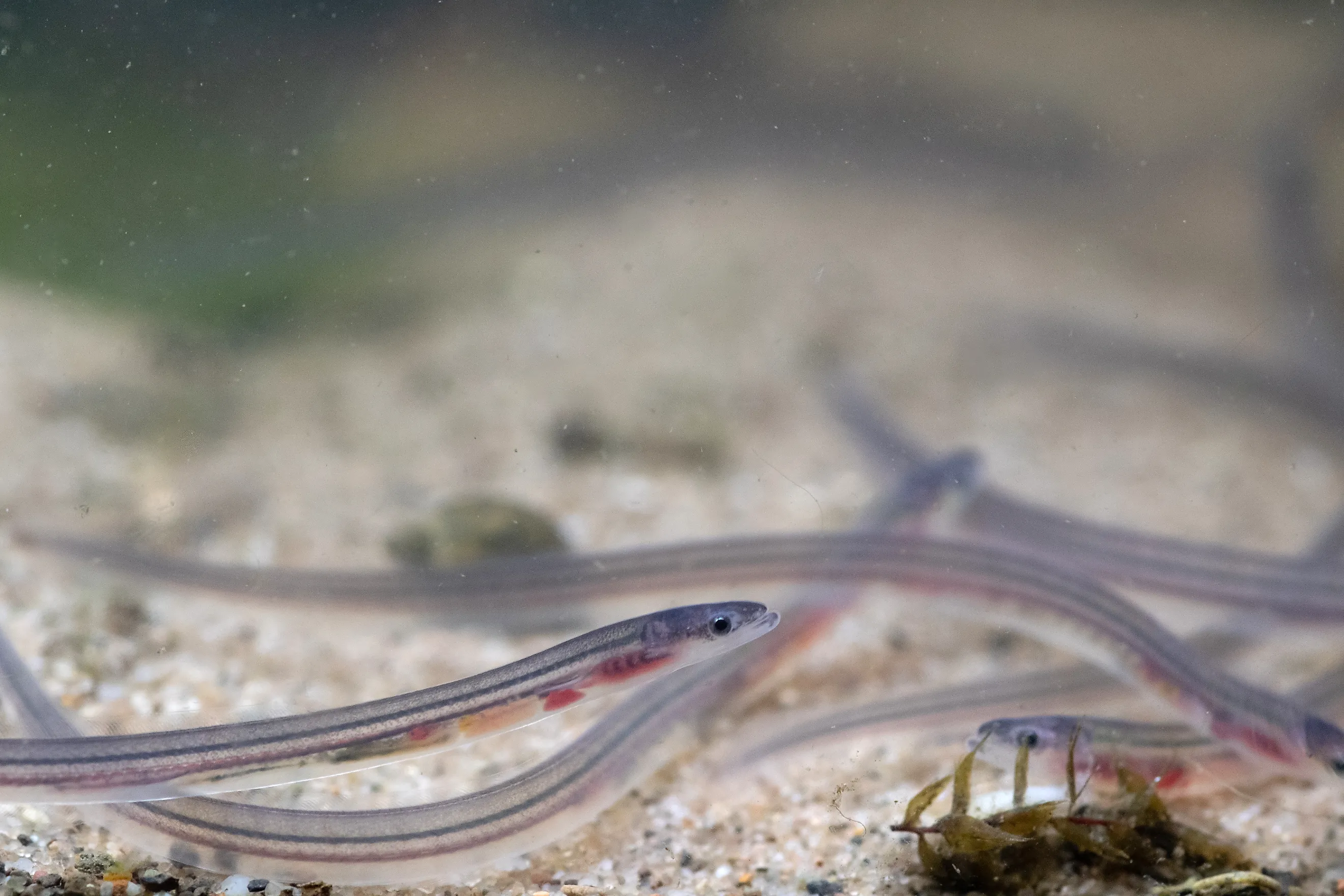
Every spring, tiny, see-through eels about 2 inches long swim out of the Atlantic Ocean and into American rivers. They are finishing a journey of more than 1,000 miles that began when they hatched as larvae in the Sargasso Sea. An eel migration is the reverse of a salmon run, since the American eel is born at sea, spends most of its life in freshwater, then returns to the ocean to spawn and die. Eels once filled rivers along the entire East and Gulf coasts, but dams have cut them off from much of their old habitat, and regional fishery managers consider the population depleted. That makes the rivers where eels still migrate in big numbers an important refuge for the species and a sign of a healthy, connected waterway. Each river here has a state or federal monitoring program tracking large eel runs today.
Hudson River, New York

The Hudson River has the most famous eel count in the country. Each spring since 2008, the New York State Department of Environmental Conservation has run the Hudson River Eel Project, in which roughly 1,000 volunteers, students, and scientists check cone-shaped nets in tributary streams between New York Harbor and the Albany area. They count the young "glass eels" one by one, then release them upstream, often above dams and culverts that would otherwise block their path.
The numbers are impressive. Over its lifetime, the project has caught, counted, and released more than two million glass eels. The data help scientists track the health of the eel population along the entire Atlantic coast, because states up and down the seaboard use the same monitoring methods.
Delaware River, New York to Delaware

The Delaware River may be the best place on the East Coast to be an eel. Its main stem flows for more than 300 miles (480 km) without a single dam, so young eels can travel from Delaware Bay far up into New York. That open path makes the Delaware one of the strongest eel rivers on the Atlantic coast.
The river also keeps alive one of the oldest ways of catching eels in America. On the upper Delaware, a few fishermen still build V-shaped stone weirs in the riverbed to trap adult eels as they head back downstream toward the ocean each fall, a method once used by Native Americans and early settlers.
Susquehanna River, Pennsylvania And Maryland

The Susquehanna is a comeback story. When Conowingo Dam was completed in 1928, just 10 miles (16 km) from the river's mouth, it blocked eels from almost the entire watershed, the largest that drains into the Chesapeake Bay. For decades, eels nearly vanished above the dam.
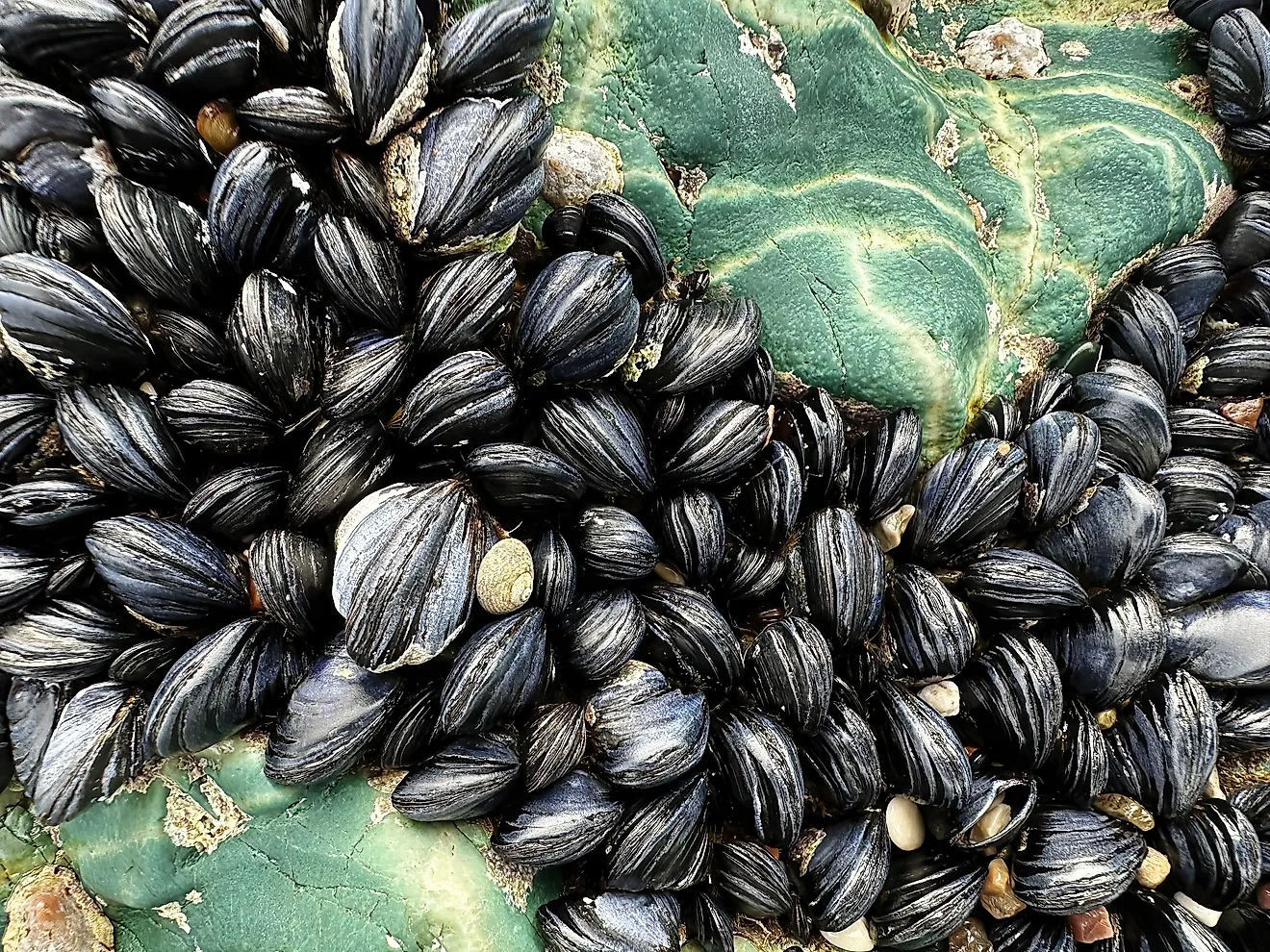
Since 2008, the US Fish and Wildlife Service has been catching young eels at the base of the dam and moving them upstream, and special eel ramps now help them climb past it. According to Maryland officials, more than half a million eels have made it over Conowingo Dam. The effort helps more than eels. They are the main host for the eastern elliptio, a freshwater mussel whose larvae hitch rides on eels' gills. More eels mean more mussels, and mussels filter and clean the river's water.
Kennebec River, Maine

In 1999, the Edwards Dam came down on the Kennebec River in Augusta, freeing a stretch of river that had been blocked for more than 160 years. It was one of the first major dam removals in the country, and when the Fort Halifax Dam on the Kennebec's Sebasticook River tributary followed in 2008, migratory fish poured back in, including American eels.
Maine's rivers support something no other state has, a major commercial fishery for baby eels. Maine is the only state with a significant harvest of glass eels, which are shipped to Asia to be raised for food. The catch is tightly limited to about 9,700 pounds (4,400 kg) a year, and the tiny eels can sell for thousands of dollars per pound, making them among the most valuable fish in the US by weight.
Keeping The Migration Moving
The Hudson, Delaware, Susquehanna, and Kennebec show the different ways eels keep reaching American rivers, by finding an open path, by getting a lift over dams, or by having those dams removed. Each fall, adult eels in these rivers turn silver and head back to the Sargasso Sea to spawn, completing a life cycle that can last decades. As more dams come down and more ramps go up, the rivers where eels still migrate may finally start to grow again.