Why Las Vegas Uses Less Water Today Than It Did 20 Years Ago
Southern Nevada recycles about 99 percent of the water used indoors. Showers, sinks, toilets and laundry are captured, treated and sent back to Lake Mead through the Las Vegas Wash, and the region is credited for every drop returned. Indoor water is therefore close to free in budget terms, and indoor use accounts for roughly 40 percent of what the valley consumes. Which means Las Vegas has spent twenty years attacking the other 60 percent, and almost all of that is grass.
Only Outdoor Water Actually Costs Anything
This is the mechanism that makes everything else make sense, and almost nobody outside the industry knows it.
Water used indoors returns to Lake Mead and earns return-flow credits, so the valley can withdraw it again. Water used outdoors evaporates or is taken up by plants and never comes back. From a water-budget standpoint, outdoor water is enormously more expensive than indoor.
So a longer shower in Las Vegas costs the system almost nothing. A lawn costs it permanently.
Growth And Consumption Came Apart

The headline achievement is that two curves which normally track each other stopped doing so.
Per-capita water use in the Las Vegas Valley has fallen substantially since 2002 while the population grew by roughly 750,000 people. Published figures for the decline vary by source and baseline, ranging from about 40 percent to 58 percent depending on whether the measure is per-capita use, total consumptive use or gallons per capita per day.
Whichever figure is used, the direction is not in dispute. The valley added three-quarters of a million residents and reduced what it takes out of the river.
Cash For Grass Did The Heavy Lifting

The Water Smart Landscapes rebate pays people to remove lawns, and it has run since 1999. The program has funded the conversion of more than 215 million square feet of turf. Rebate rates have changed repeatedly and now vary by property type, running from around $3 per square foot to $5, with additional local top-ups available in some areas.
Removing turf is estimated to save about 55.8 gallons per square foot per year. A 1,000-square-foot front lawn is therefore roughly 55,800 gallons a year that never leaves the lake.
Then They Made It Compulsory

Nevada did something in 2021 that no other state has done, and it followed directly from the arithmetic above.
Assembly Bill 356 prohibits the use of Colorado River water to irrigate nonfunctional turf, meaning decorative grass not used for recreation, at commercial, multifamily, homeowner association and government properties. It takes effect on January 1, 2027.
Roughly 3,900 acres of nonfunctional turf across the valley are affected. Installing new nonfunctional turf is already prohibited, and single-family homes are exempt from the ban entirely, front and back.
The Rules Got Specific Long Before That

The turf ban is the headline, but the valley has legislated landscape detail for two decades.
Turf is prohibited in residential front yards and limited to 50 percent of back yards. It is prohibited in new commercial and industrial development and in streetscapes. Golf courses operate under water budgets rather than open supply.
Watering runs on an assigned group schedule rather than at the resident's discretion, which converts conservation from a request into a timetable.
The Resorts Are Not The Problem

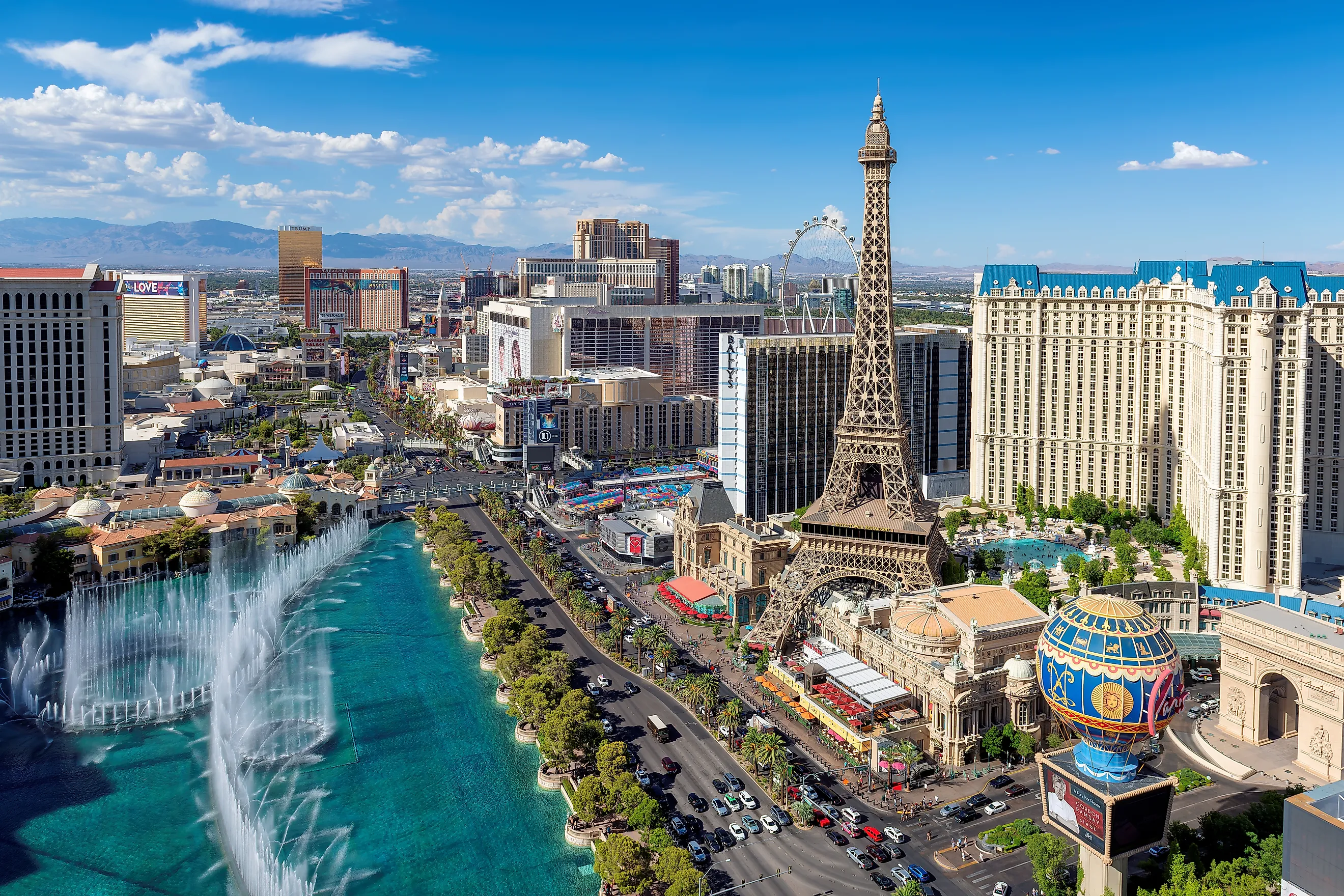
The Strip is the first thing people point at, and it is close to a rounding error. Resort properties concentrate enormous numbers of people onto very little land, which produces low water use per visitor. The fountains are recirculating systems rather than continuous draws.
Southern Nevada's water problem was never the casinos. It was several hundred thousand suburban lawns in a place that receives about four inches of rain a year.
It Now Uses Well Under Its Allocation
The result shows up in the gap between what Nevada may take and what it does take.
Nevada holds a Colorado River entitlement of 300,000 acre-feet a year, the smallest of the three Lower Basin states. Recent reported consumptive use sits well below that, with figures in the 164,000 to 198,000 acre-foot range depending on year and accounting method.
Return flows to Lake Mead were reported at around 245,000 acre-feet in 2025. The region also holds more than 2.2 million acre-feet in banked and stored water.
Ninety Percent From One Source

None of this changes the underlying exposure, which is worth stating alongside the success.
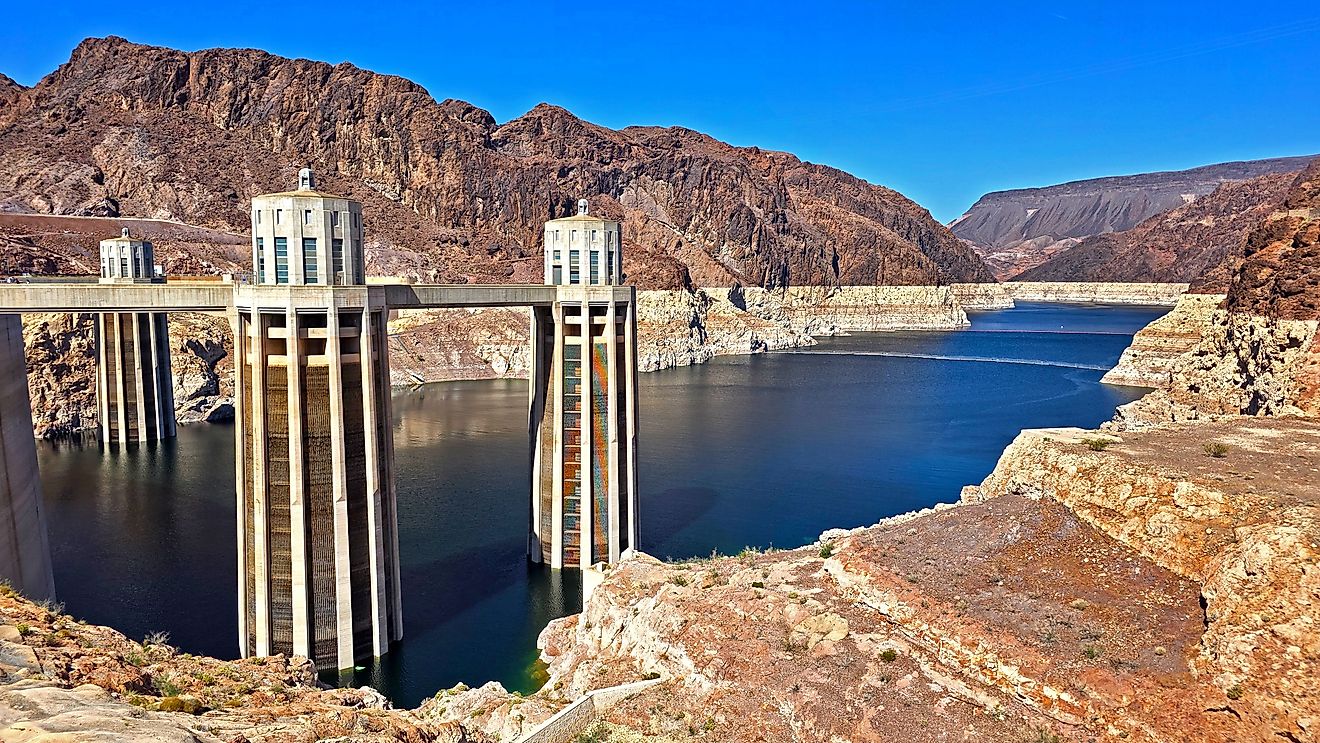
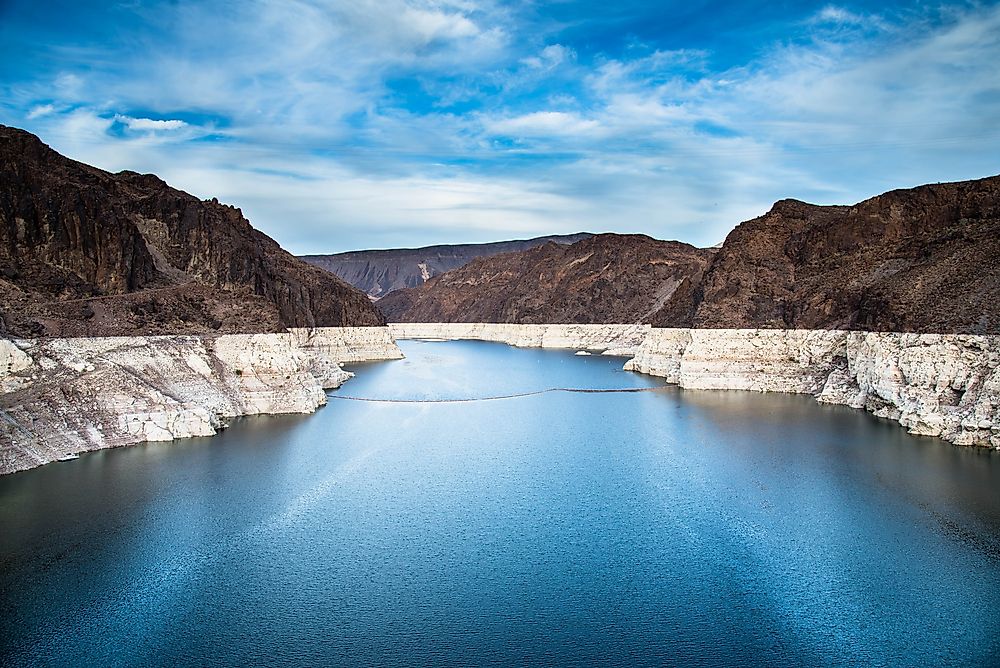
The Colorado River supplies roughly 90 percent of Southern Nevada's water through Lake Mead. That is the highest single-source dependence of any major city on the river, and conservation has not reduced it.
What conservation has done is lower the volume needed and buy time. The engineering did the rest, with an intake at 860 feet, below Lake Mead's 895-foot dead pool.
Why It Worked Here And Not Elsewhere

Las Vegas had a structural advantage most western cities lack, and it explains why the model is hard to copy.
The Southern Nevada Water Authority is a single entity governed by local elected officials that manages the state's entire Colorado River supply and serves more than 70 percent of Nevada's population. One agency could set policy, fund rebates and enforce rules across the whole metropolitan area.
Most western metros are divided among dozens of separate districts with separate boards and separate budgets. Phoenix and Denver cannot legislate a lawn ban across their regions because no single body has the authority.
The Short Answer

Las Vegas uses less water than it did twenty years ago because roughly 99 percent of its indoor water returns to Lake Mead for credit, making outdoor use the only thing that genuinely costs the system anything. The city then spent two decades removing the outdoor use, converting more than 215 million square feet of grass and eventually banning decorative turf outright from 2027.
Per-capita use is down somewhere between 40 and 58 percent depending on the measure, against population growth of about 750,000. The city is still 90 percent dependent on one reservoir. It simply needs less out of it than it used to.