The US Lakes That Turn Deadly In Winter
In February 2009, more than 130 anglers were spread across two feet of Lake Erie ice off Oak Harbor, Ohio, when an offshore wind sheared the whole sheet loose and pushed it out into the lake. Airboats and helicopters worked the floe for hours; nearly everyone came off, but one man went into the water and never left. That is the trap in a sentence: two feet of ice, holding trucks and crowds, and still no guarantee.
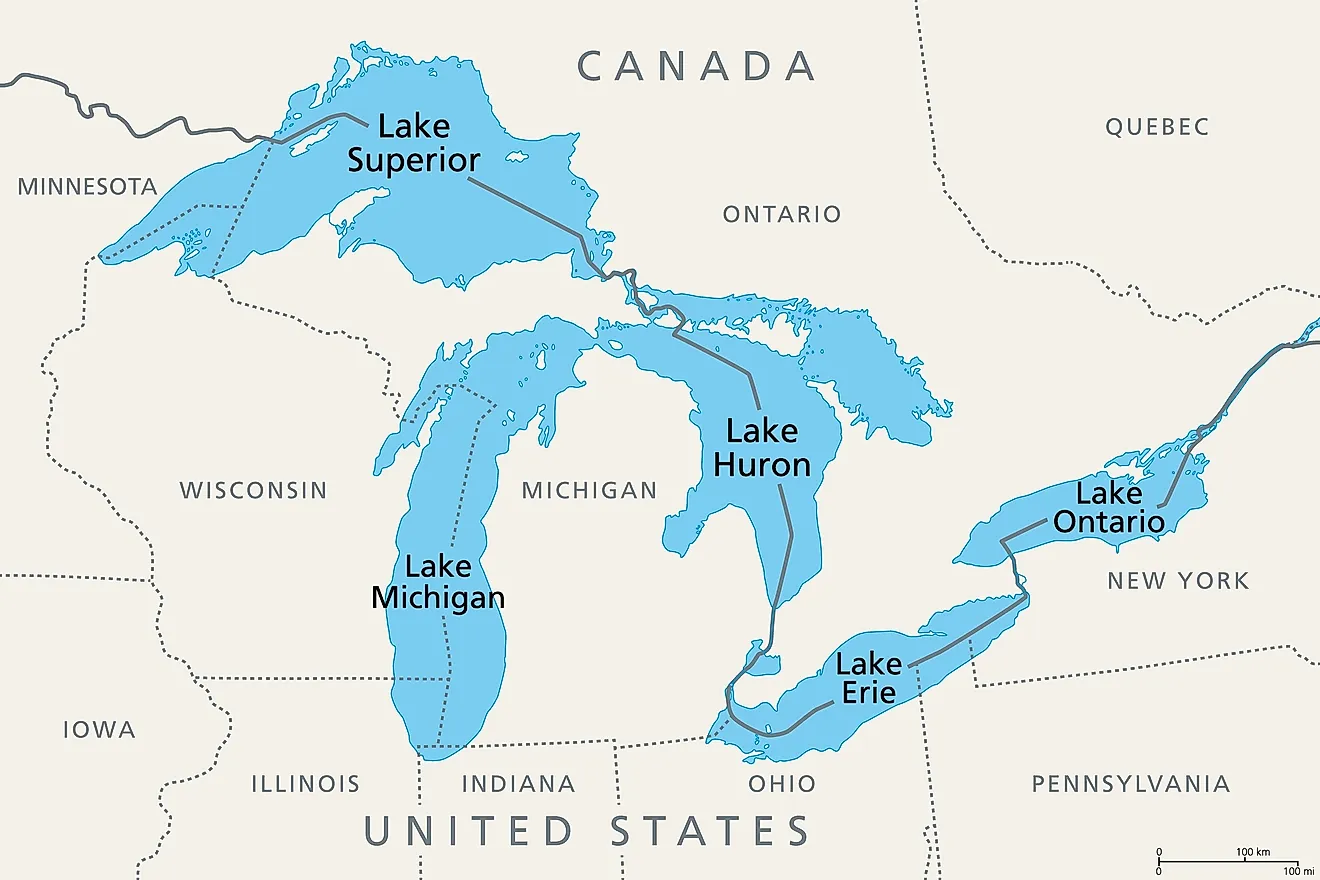
That 2009 floe was not a fluke. The lakes and Great Lakes bays below carry the record: forty-six anglers lifted off a breakaway floe near Catawba Island in 2019, fourteen more off Saginaw Bay in 2023, fatal breakthroughs on all five, and standing warnings from the US Coast Guard, National Park Service, Wisconsin Department of Natural Resources, and Minnesota Department of Natural Resources. The danger rarely shows from shore: ice can be solid underfoot, cracked a few yards on, and already drifting free a little past that.
Lake Erie (Ohio, Pennsylvania, New York, Michigan)
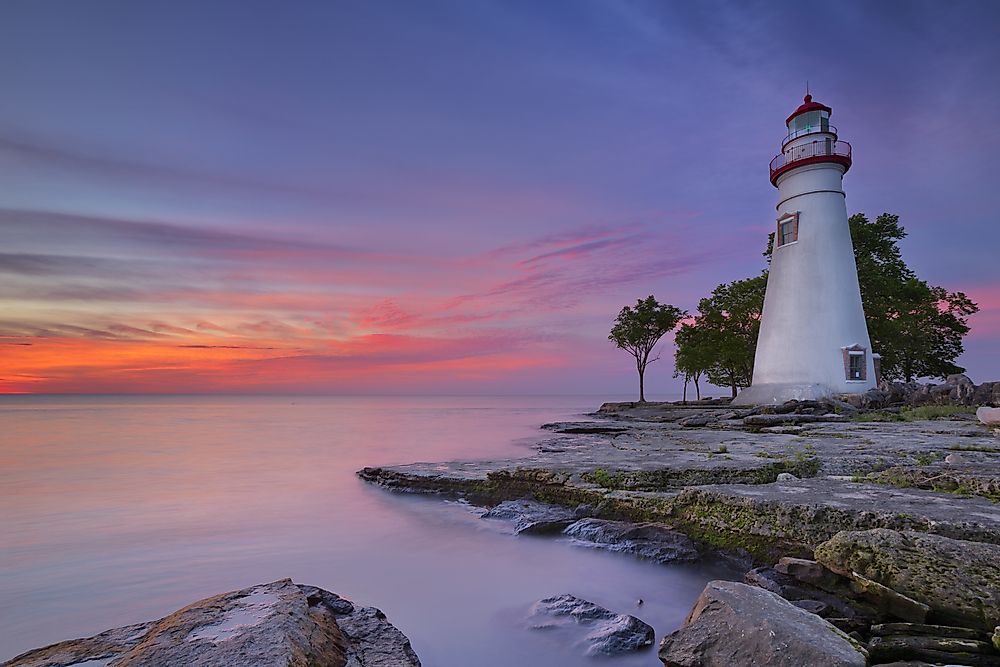
Lake Erie covers 9,910 square miles and averages just 62 feet deep, with a maximum depth of 210 feet. As the shallowest of the Great Lakes, it can freeze widely enough to attract ice anglers, but that same ice can shift when wind, currents, and warming temperatures work against it. A surface that looks strong in the morning can become a floating slab by afternoon.
In February 2009, a miles-wide floe broke away from the Ohio shoreline with more than 130 fishermen on it. Rescuers pulled people from the ice, but one man fell into the water and later died. The frightening part is that the ice was reported to be as much as 2 feet thick in the area. Thickness alone did not save it once the wind and temperature changed.
Lake Erie saw another major rescue in March 2019, when 46 ice fishermen were rescued near Catawba Island after the ice broke free. The water temperature off Toledo was about 33 degrees Fahrenheit, cold enough to make any fall into open water an emergency. That is what makes Erie so dangerous in winter. The lake can look busy, familiar, and fishable, then suddenly become a rescue scene.
Lake Superior (Minnesota, Wisconsin, Michigan)

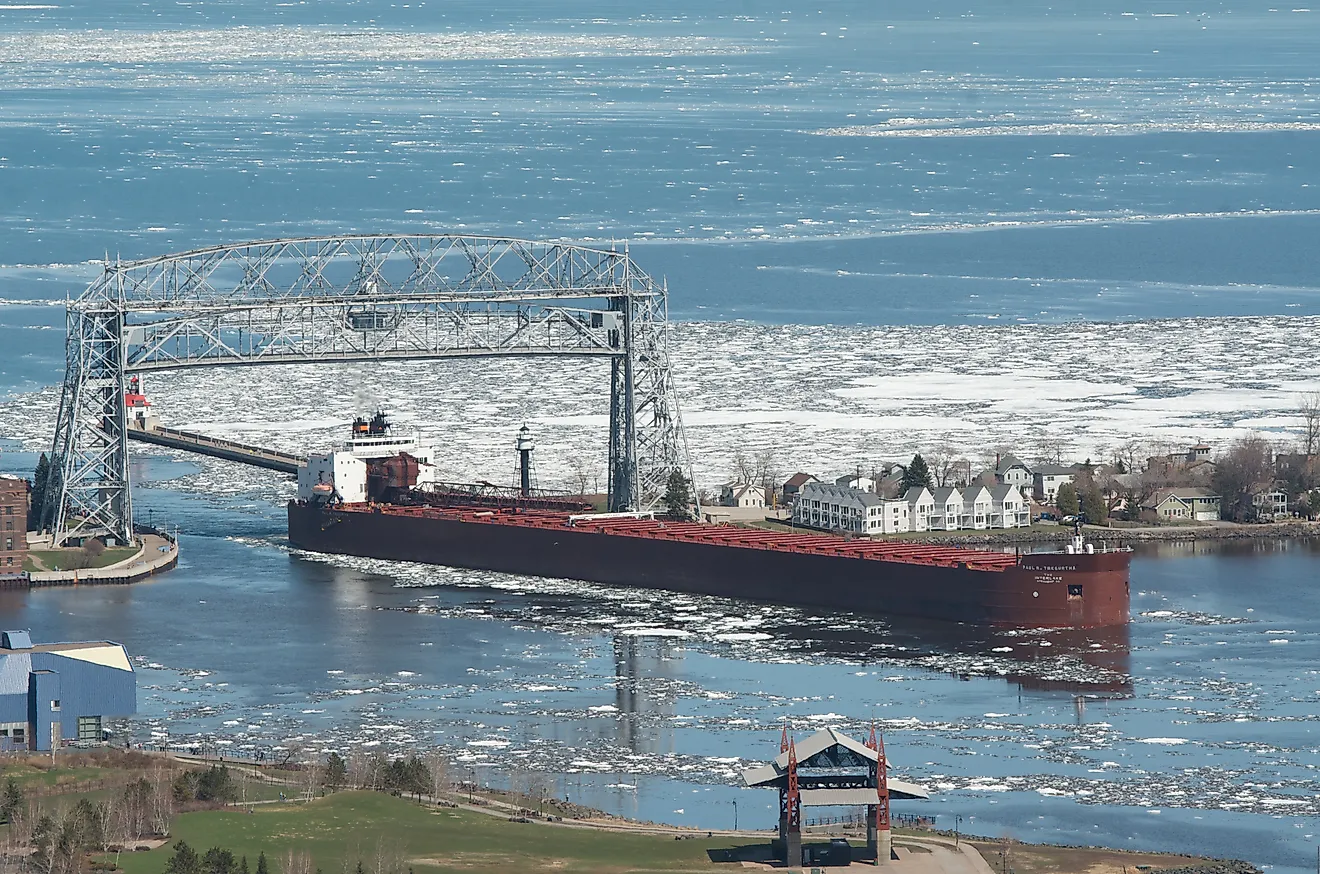
Lake Superior covers 31,700 square miles and reaches 1,333 feet deep, making it the largest and deepest of the Great Lakes. Its winter beauty draws visitors to frozen shorelines, ice caves, and island routes, but Superior is not a dependable frozen pond. Wind, waves, pressure ridges, and open water can all appear around ice that looked safe earlier in the day.
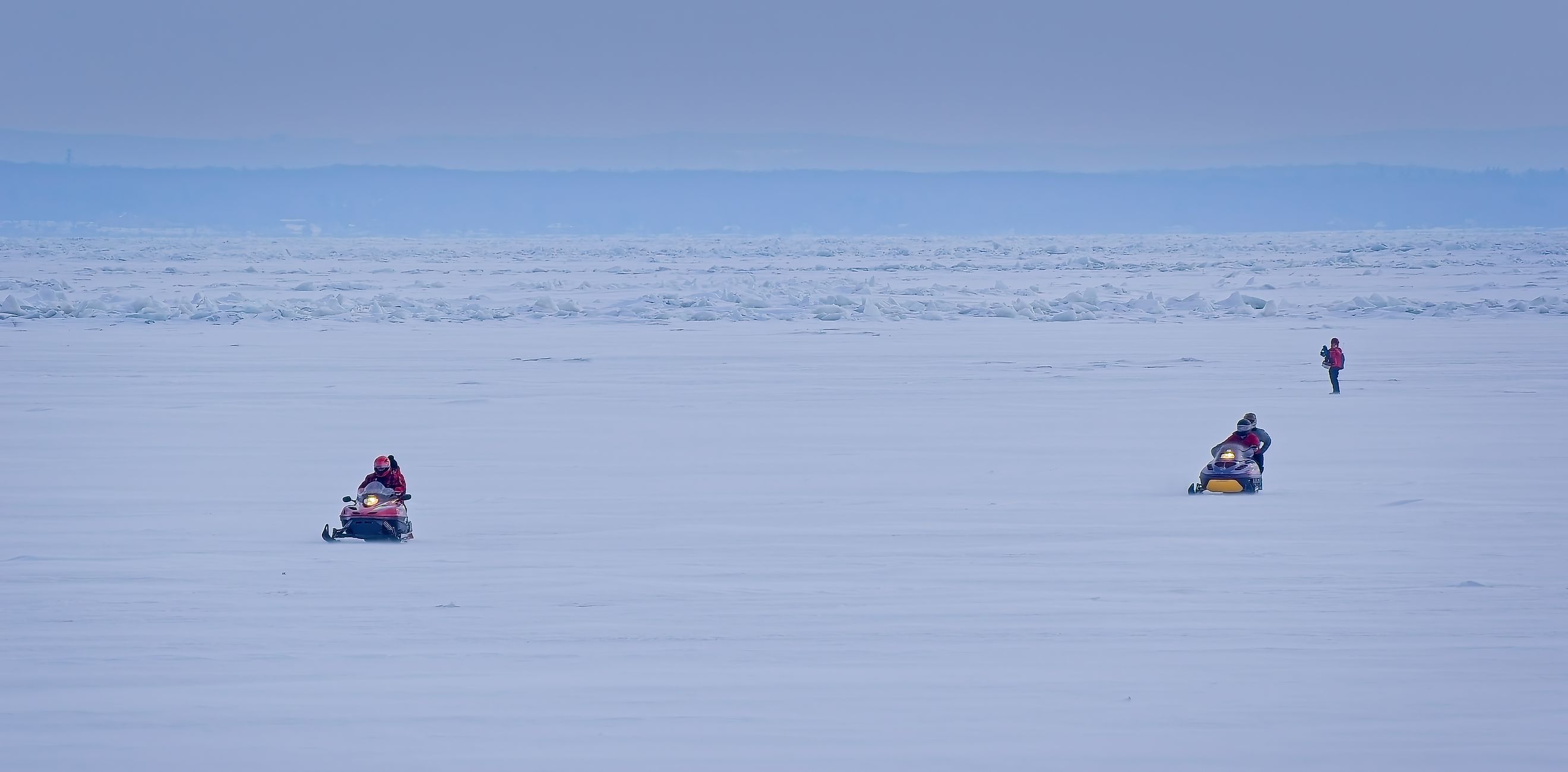
In January 2013, a 34-year-old fishing guide died after his snowmobile broke through Lake Superior ice near Madeline Island. Rescue crews said he was in the near-freezing water for at least 30 minutes. The Apostle Islands shoreline shows the same risk in a more scenic way. The mainland ice caves near Meyers Beach open only when the National Park Service decides conditions are stable enough, and even then, access can change suddenly.
When the Apostle Islands ice caves opened in February 2026, it was their first opening since 2015. Less than a day later, a winter storm broke up the ice shelf near Meyers Beach and access closed again. That short window says a lot about Superior in winter. The lake can create a dazzling walk across ice, then erase the route almost overnight.
Green Bay (Lake Michigan, Wisconsin)

Green Bay is an arm of Lake Michigan, a Great Lake that covers 22,300 square miles and reaches 923 feet deep. The bay itself is famous for winter fishing, but it is also vulnerable to strong winds, commercial navigation channels, and pressure cracks. Wisconsin DNR officials warn that the bay never freezes like a small inland lake, and ice sections break free each year.
That danger has produced large rescues. In February 2021, emergency responders rescued about 66 anglers after pressure cracks opened and left them stranded on free-floating ice. In January 2022, about 40 more anglers were rescued from a drifting sheet of ice on the Bay of Green Bay. Those incidents ended without injuries, but they show how fast a popular fishing day can turn into a mass rescue.
The bay has also turned deadly. In December 2024, an 87-year-old man fell through the ice near Bayside Road in Suamico, was pulled from the icy water unresponsive, and later died. The Suamico Fire Department urged people not to venture onto frozen lakes and bays unless conditions had been thoroughly assessed. On Green Bay, the danger is not only falling through. It is also being carried away on ice that has quietly separated from shore.
Saginaw Bay (Lake Huron, Michigan)

Saginaw Bay is part of Lake Huron, which covers 23,000 square miles and reaches 750 feet deep. The bay is broad, windy, and popular with winter anglers chasing walleye. Those same open stretches can fracture into floes, hide weak patches under snow, and leave people far from shore with few good choices once the ice begins to move.
In January 2024, a 59-year-old man died after falling through the ice on Saginaw Bay off the Pine River State Access area east of Standish. First responders reached him by airboat but could not revive him. In 2018, two fishermen also died after going through the ice on Saginaw Bay near Rose Island. Investigators said strong winds, snow squalls, cold temperatures, and unstable ice all appeared to play a role.
The bay continues to see major rescues as well. In February 2023, 14 people were rescued from an ice floe near Fish Point in Tuscola County, about 3.5 miles offshore. Rescuers used a sheriff's airboat and Coast Guard helicopters, while one angler lost a snowmobile, sled, shanty, and fishing gear to the bay. Saginaw Bay can feel like a winter playground, but once a crack opens, it becomes big water again.
Mille Lacs Lake (Minnesota)

Mille Lacs Lake covers 207 square miles and reaches a maximum depth of about 42 feet. It is one of Minnesota's great ice fishing lakes, with shacks, trucks, ATVs, and snowmobiles appearing across the frozen surface in winter. That popularity is exactly why changing ice matters here. A shallow lake can still hide thin spots, cracks, pressure ridges, and weak ice near currents or springs.
The Minnesota DNR's ice fatality records list Mille Lacs Lake more than once. In January 2024, an 80-year-old man died after his truck went through the ice on Mille Lacs. The same state fatality data also records an 80-year-old man dying on Mille Lacs in 2002 after a snowmobile went through the ice. Those cases make the lake more than a general safety example. It has documented winter deaths tied directly to ice travel.
Minnesota officials warn that ice thickness can vary sharply across the same lake. Ice may be thick enough in one spot and dangerously thin only a short distance away. For new, clear ice, the DNR recommends at least 4 inches for walking and 5 to 7 inches for a snowmobile, while white ice needs twice as much thickness. On Mille Lacs, the safest decision is not just checking the ice once. It is checking again and again as you move.
Why These Lakes Become So Dangerous In Winter
These lakes do not turn deadly simply because they get cold. They become dangerous because winter ice is alive with movement. Wind pushes it, waves work beneath it, temperature swings weaken it, and pressure cracks can separate people from shore. A truck, snowmobile, fishing shelter, or crowd of anglers can be standing on what looks like solid ground while the lake is already changing underneath.
That is why the most important winter rule is also the least dramatic one. Never treat lake ice as guaranteed. Check local warnings, ask about current conditions, bring rescue gear, and be ready to turn around. On these lakes and bays, knowing when not to step onto the ice can matter just as much as knowing where the fish are biting.