The Most Snake Infested Rivers In Oregon
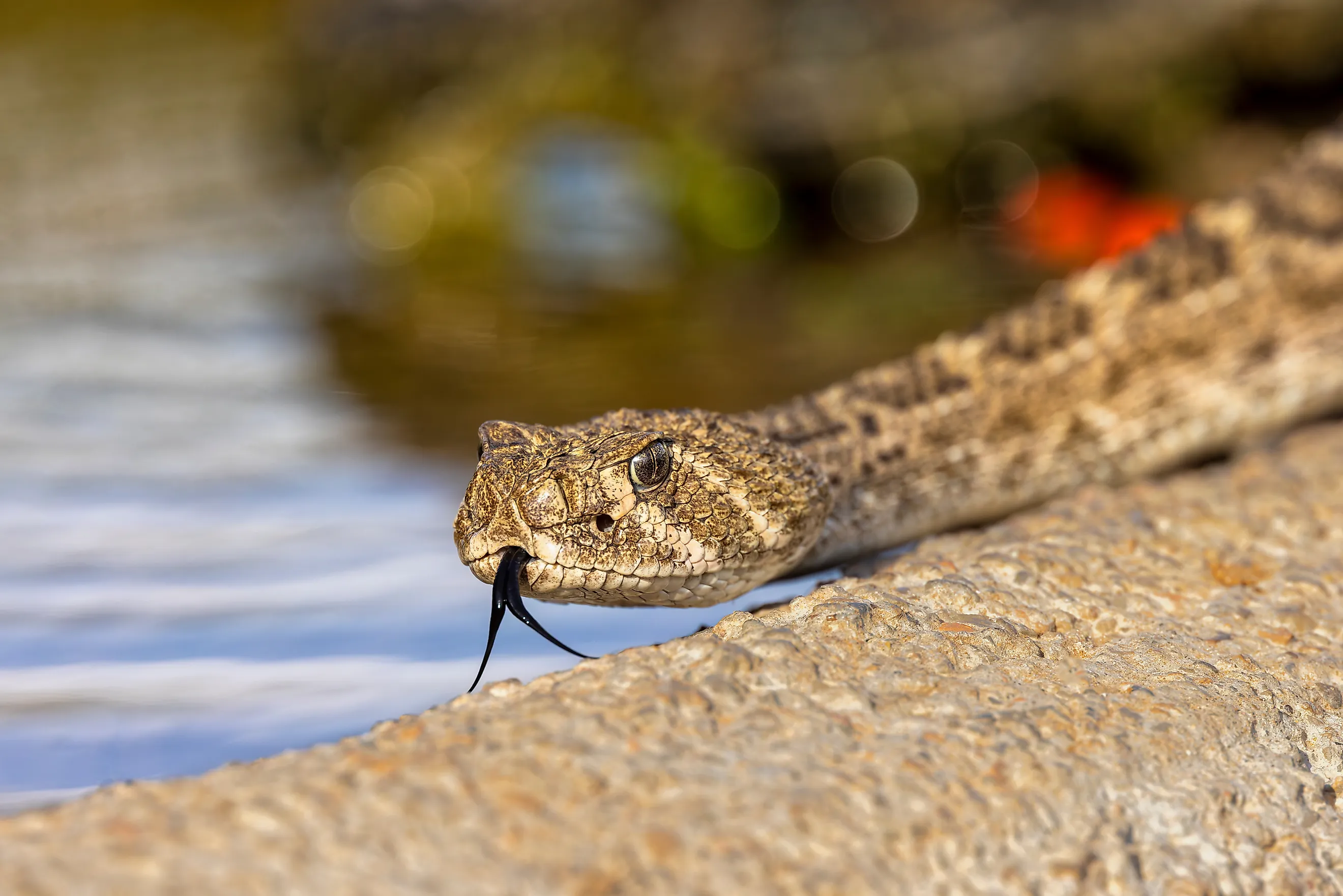
Oregon has 15 native snake species, and several of them make their homes along the state's rivers. Along the Columbia River in the north and the Rogue River in the southwest, wetlands and streamside woodlands support snakes that hunt fish, amphibians, and small mammals. Garter snakes are well adapted to life near the water, while rubber boas, kingsnakes, and rattlesnakes favor the surrounding forests and rocky slopes. Of all the state's native species, only the western rattlesnake has venom dangerous to humans, according to the Oregon Department of Fish and Wildlife. Together, these seven rivers pass through habitats that support many of Oregon's native snakes.
Columbia River

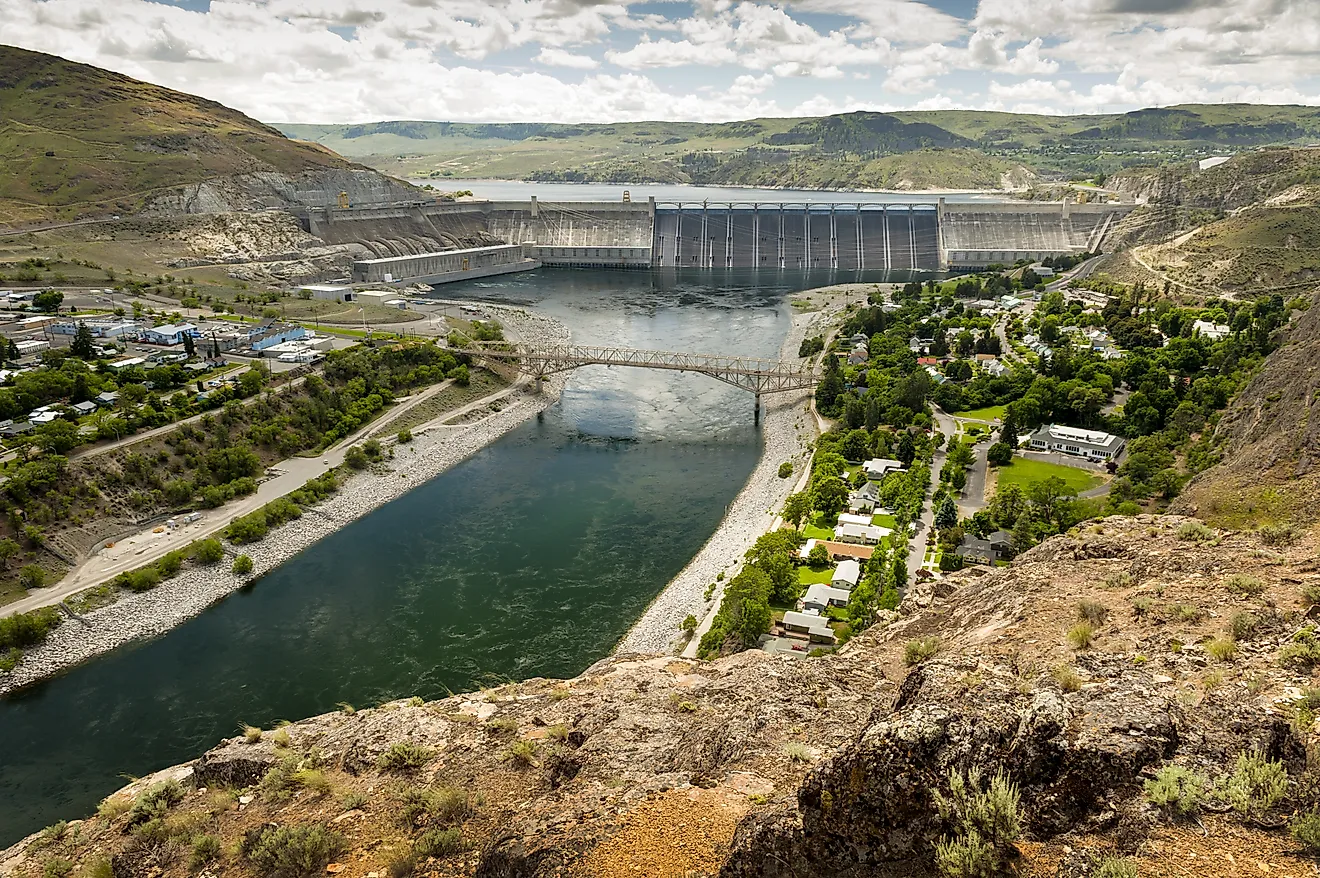
The Columbia River begins in the Canadian Rocky Mountains and travels approximately 1,200 miles through British Columbia and the Pacific Northwest before reaching the Pacific Ocean near Astoria, Oregon. Much of its lower course forms the boundary between Oregon and Washington. The Columbia River Gorge, with its forests, rocky cliffs, and grasslands, provides habitat for several native snake species. Conditions change considerably along the river, from the wetter western gorge to the drier landscapes of eastern Oregon. This variety of habitats supports snakes with different environmental preferences, most often in wooded areas and on rocky slopes near the river.

The northern rubber boa (Charina bottae) inhabits forests and woodlands throughout much of Oregon, often sheltering beneath fallen logs or rocks. This nonvenomous constrictor feeds primarily on small mammals, such as young mice and shrews. Common garter snakes (Thamnophis sirtalis) occupy moist areas and can hunt amphibians or fish along waterways. Farther east, the dry, rocky terrain of the Columbia Plateau provides habitat for western rattlesnakes (Crotalus oreganus) and gopher snakes (Pituophis catenifer). Rattlesnakes frequently shelter near cliffs and rocky outcrops, while gopher snakes use grasslands, open forests, and brushy habitats. These species occupy different portions of the Columbia River corridor rather than occurring uniformly along its entire length.
Willamette River

The Willamette River flows approximately 187 miles northward from the confluence of the Middle Fork and Coast Fork Willamette rivers near Eugene to the Columbia River at Portland. Its drainage basin spans roughly 11,500 square miles and includes much of Oregon's most heavily populated agricultural region. The river and its tributaries support salmon, steelhead, and numerous other aquatic species. Wetlands, wooded floodplains, and riparian vegetation also provide habitat for reptiles. Although extensive agricultural and urban development has altered portions of the valley, remaining natural areas continue to support several native snake species, including those that use moist meadows and forest edges.

The common garter snake (Thamnophis sirtalis) is among the most recognizable snakes in the Willamette Valley. Its coloration varies, but a stripe running down the middle of its back is a useful identifying feature. This species consumes earthworms, amphibians, and fish, frequently searching for prey in damp environments. The western terrestrial garter snake (Thamnophis elegans) also inhabits stream margins and wetlands, although some populations occupy drier habitats. Another local species, the northwestern garter snake (Thamnophis ordinoides), prefers grassy clearings and wooded areas, where it feeds mainly on slugs and earthworms. Ring-necked snakes (Diadophis punctatus) occur in the valley as well, often sheltering beneath rocks or logs.
Rogue River

The Rogue River originates in the Cascade Range near Crater Lake National Park and travels approximately 215 miles westward through southwestern Oregon before reaching the Pacific Ocean at Gold Beach. Its course passes through forested mountains, narrow canyons, and the warmer lowlands of the Rogue Valley. The surrounding region is among Oregon's most biologically diverse areas, with habitats ranging from moist coniferous forests to dry oak woodlands and brush-covered hillsides. The Rogue River and its tributaries support salmon and steelhead, while the surrounding vegetation provides shelter and hunting opportunities for reptiles. Southwestern Oregon has particularly high snake diversity compared with other parts of the state.

One notable species is the common kingsnake, historically classified in Oregon wildlife references as Lampropeltis getula, with western populations recognized as the California kingsnake (Lampropeltis californiae) under current taxonomy. It inhabits brushy areas and oak woodlands in the Rogue Valley, including thick vegetation near water. Kingsnakes eat other reptiles, including rattlesnakes, and possess resistance to rattlesnake venom. The Pacific Coast aquatic garter snake (Thamnophis atratus) is another distinctive southwestern Oregon species. Closely associated with streams, it hunts small fish, tadpoles, and amphibians. The California mountain kingsnake (Lampropeltis zonata) also inhabits parts of the Rogue Valley, including wooded areas near streams, where it shelters beneath decaying logs.
Umpqua River

The Umpqua River forms at the confluence of the North Umpqua and South Umpqua rivers northwest of Roseburg, then flows westward toward the Pacific Ocean near Reedsport. The main river extends approximately 111 miles, although its two major forks originate much farther inland. The surrounding drainage basin includes mountainous forests and the warmer, drier landscapes of the Umpqua Valley. Douglas fir forests dominate many wetter slopes, while oak woodlands and mixed conifer forests occupy other portions of the watershed. The river system supports salmon and steelhead, while its streambanks and neighboring woodlands provide habitat for several snake species documented in southwestern Oregon.

Common kingsnakes inhabit the Umpqua Valley, often in oak savannas, mixed pine-oak woodlands, and brushy areas near water. Their dark bodies typically display contrasting cream or white bands, and adults can approach four feet in length. The California mountain kingsnake also occurs in the valley, where its red, black, and pale bands make it easy to recognize. The Pacific Coast aquatic garter snake inhabits streams and riparian areas in southwestern Oregon, reaching northward into the Umpqua region. Northern Pacific rattlesnakes (Crotalus oreganus oreganus) occupy rocky and wooded habitats where open ground provides opportunities for basking. The Great Basin rattlesnake, associated largely with drier interior portions of Oregon, is not characteristic of the Umpqua Valley.
Klamath River

The Klamath River begins at the outlet of Upper Klamath Lake through Lake Ewauna and the Link River system in southern Oregon. From Klamath Falls, it travels southwest through Oregon and northern California before reaching the Pacific Ocean near Klamath, California. The river extends approximately 257 miles and drains a region characterized by contrasting landscapes. Its upper basin includes extensive wetlands and relatively dry agricultural valleys, while downstream stretches pass through steep forested mountains. These changing environments provide habitats for several native reptiles. Wetland margins support amphibians and aquatic prey, while rocky slopes and open woodlands offer suitable conditions for snakes that spend most of their time on land.

Common garter snakes are among the snakes associated with the Klamath Basin's wetlands and streams. They feed on fish, frogs, salamanders, and other small animals. Populations of common garter snakes in the Pacific Northwest have developed resistance to tetrodotoxin, the powerful defensive toxin produced by rough-skinned newts (Taricha granulosa). Research into this predator-prey relationship has documented reciprocal evolutionary changes in toxin resistance and toxicity. Western terrestrial garter snakes also use wetland margins and nearby terrestrial habitats. In drier sections of the Klamath region, western rattlesnakes occupy rocky slopes, open forests, and brushlands, where they hunt mostly small mammals.
Deschutes River

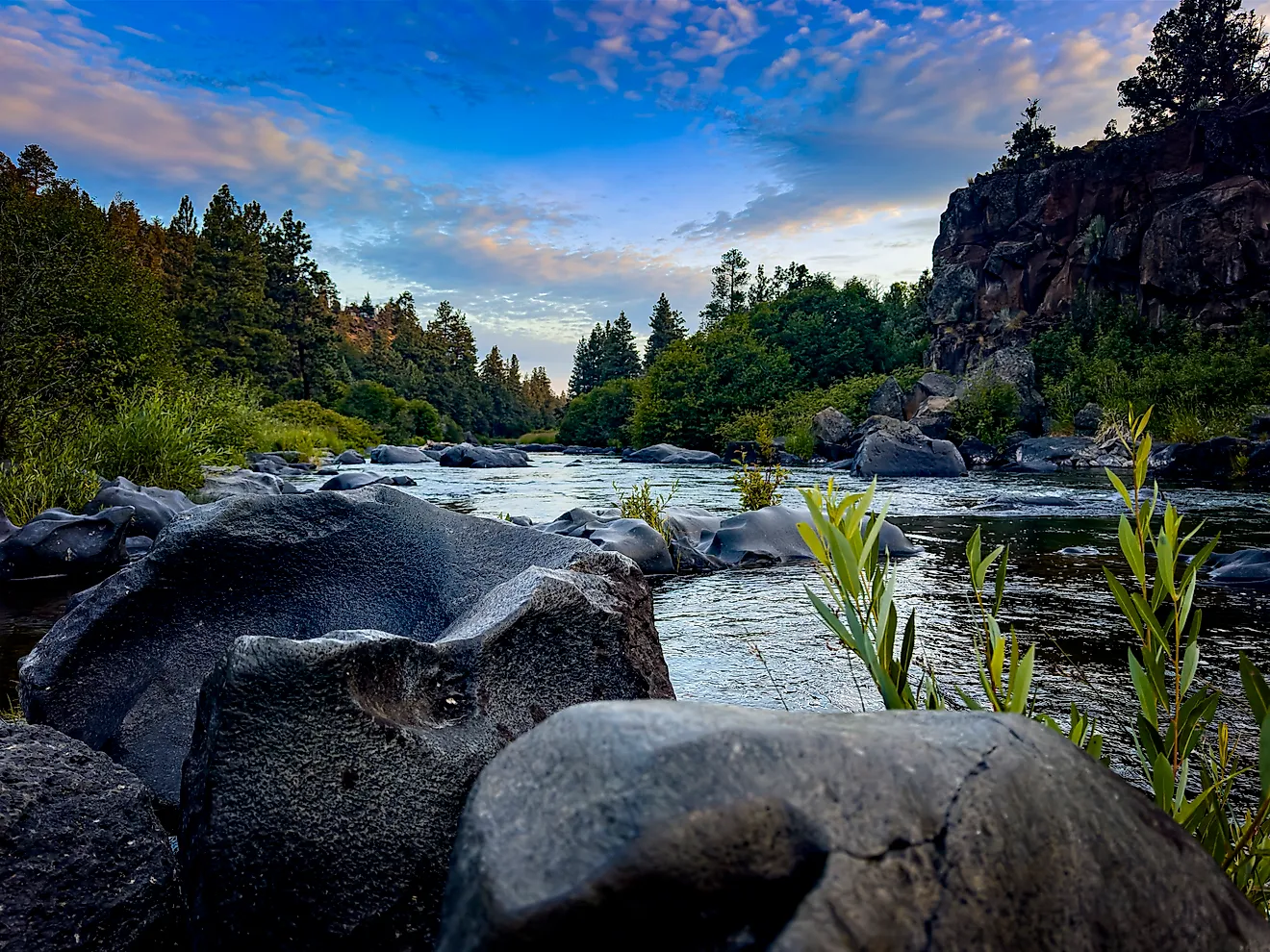
The Deschutes River begins at Little Lava Lake in Oregon's Cascade Range and flows approximately 252 miles northward to join the Columbia River. Along its course, it passes through central Oregon near Bend and continues through high-desert terrain characterized by volcanic rock, juniper woodlands, and broad canyon systems. The upper watershed includes extensive forests, while the lower river cuts through increasingly dry landscapes. This environmental contrast provides habitat for several native snake species. Rocky canyon walls offer shelter and basking sites, while streamside vegetation supports amphibians and small mammals that serve as prey. The lower Deschutes River Valley stands out for its combination of rocky terrain and relatively sheltered habitats.

The ring-necked snake (Diadophis punctatus) has been documented in the lower Deschutes River Valley. This small, secretive species typically has a gray or greenish upper body and a bright yellow, orange, or reddish underside, with a similarly colored ring around its neck. It often shelters beneath rocks, logs, or other debris and feeds on salamanders, small lizards, and other snakes. Western rattlesnakes are also associated with the dry, rocky environments of the Deschutes region. They use rocky slopes for shelter and overwintering sites, emerging during warmer periods to hunt rodents and other prey. Gopher snakes occupy open grasslands, shrublands, and woodlands in central Oregon and may be encountered near rivers.
Snake River

The Snake River originates in northwestern Wyoming and travels more than 1,000 miles through Idaho and along portions of the Idaho-Oregon boundary before joining the Columbia River in Washington. In northeastern Oregon, it passes through Hells Canyon, one of North America's deepest river gorges. This section is characterized by steep rocky slopes, dry grasslands, and scattered shrublands. The surrounding terrain differs considerably from the wetter river valleys of western Oregon, supporting reptile species adapted to warmer and drier conditions. Rocky canyon habitats provide shelter from predators and opportunities for basking, while grasslands and brushy areas support rodents and other prey animals.

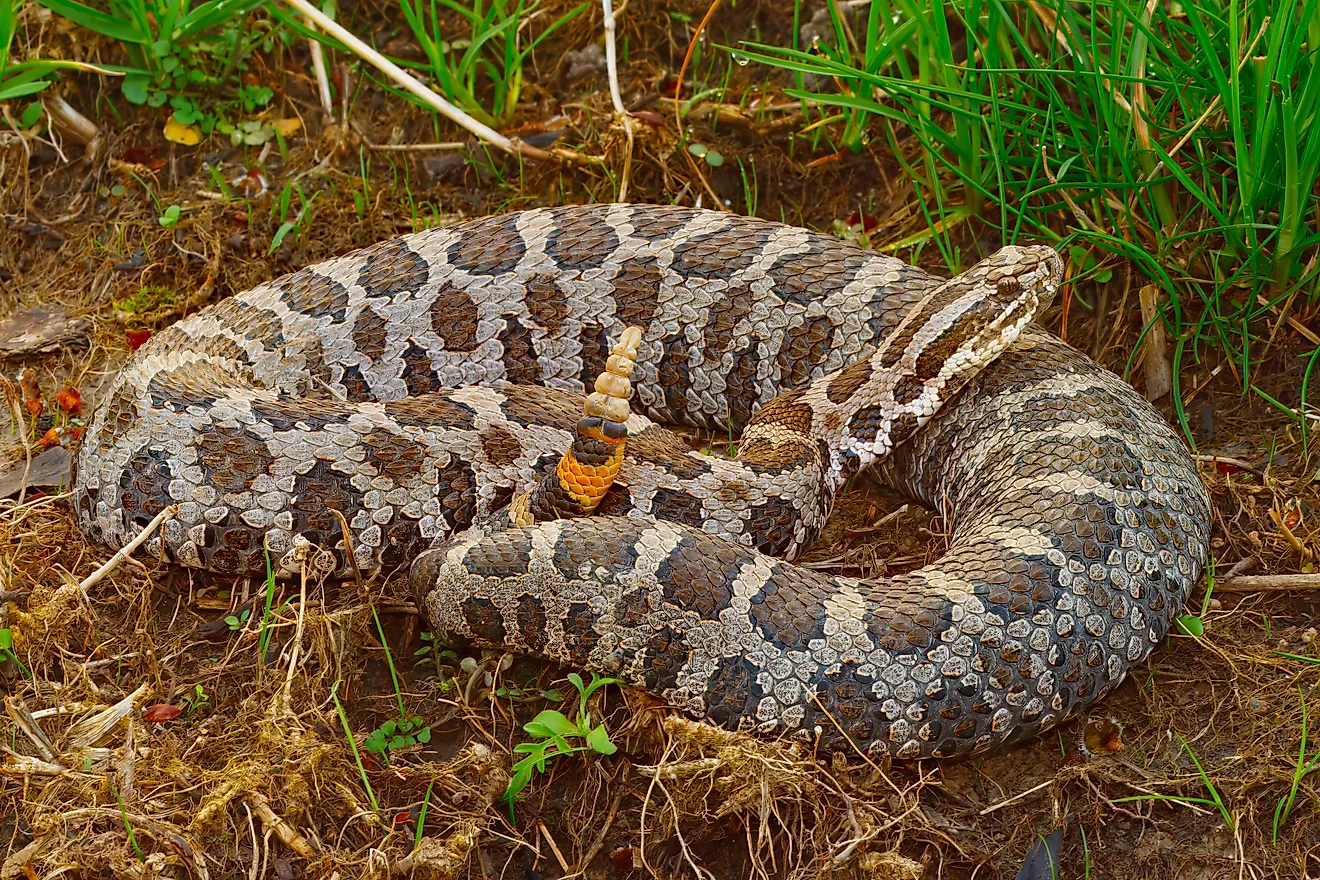
Western rattlesnakes are among the most visible snakes inhabiting the Snake River's rocky canyon environments. They often shelter near cliffs, rock piles, and sun-exposed slopes, feeding primarily on small mammals. Gopher snakes also occur in grasslands and open habitats of northeastern Oregon. These nonvenomous snakes can grow several feet long and are sometimes mistaken for rattlesnakes because of their similar coloration and defensive behavior. Ring-necked snakes have also been recorded in Hells Canyon, although they are much less conspicuous than larger species. The western ground snake (Sonora semiannulata), found in parts of southeastern Oregon, is documented along the Owyhee River and should not be assumed to inhabit the Snake River corridor.
Watching for Snakes Along Oregon's Rivers
Oregon's rivers provide habitats for snakes with different hunting strategies and environmental needs. Garter snakes are likely to be encountered near streams, wetlands, and ponds, and some species actively hunt underwater. The Pacific Coast aquatic garter snake is especially well adapted to aquatic environments, while western terrestrial garter snakes may also catch fish and amphibians in the water. Other species, including kingsnakes, rubber boas, and rattlesnakes, mostly occupy surrounding terrestrial habitats, although snakes outside the aquatic garter snake group can also swim.
Most of Oregon's snakes are harmless to humans, and even the western rattlesnake generally avoids confrontation when given sufficient space. Visitors exploring riverbanks and canyon trails should watch where they step, avoid reaching into concealed rocky areas, and never attempt to handle wild snakes. Observing these reptiles from a distance protects both people and the animals. Oregon's waterways and surrounding habitats, including the wetlands of the Willamette River and the rocky canyons of the Snake River, remain important places for its native snakes.