Where Alligators And Water Moccasins Overlap
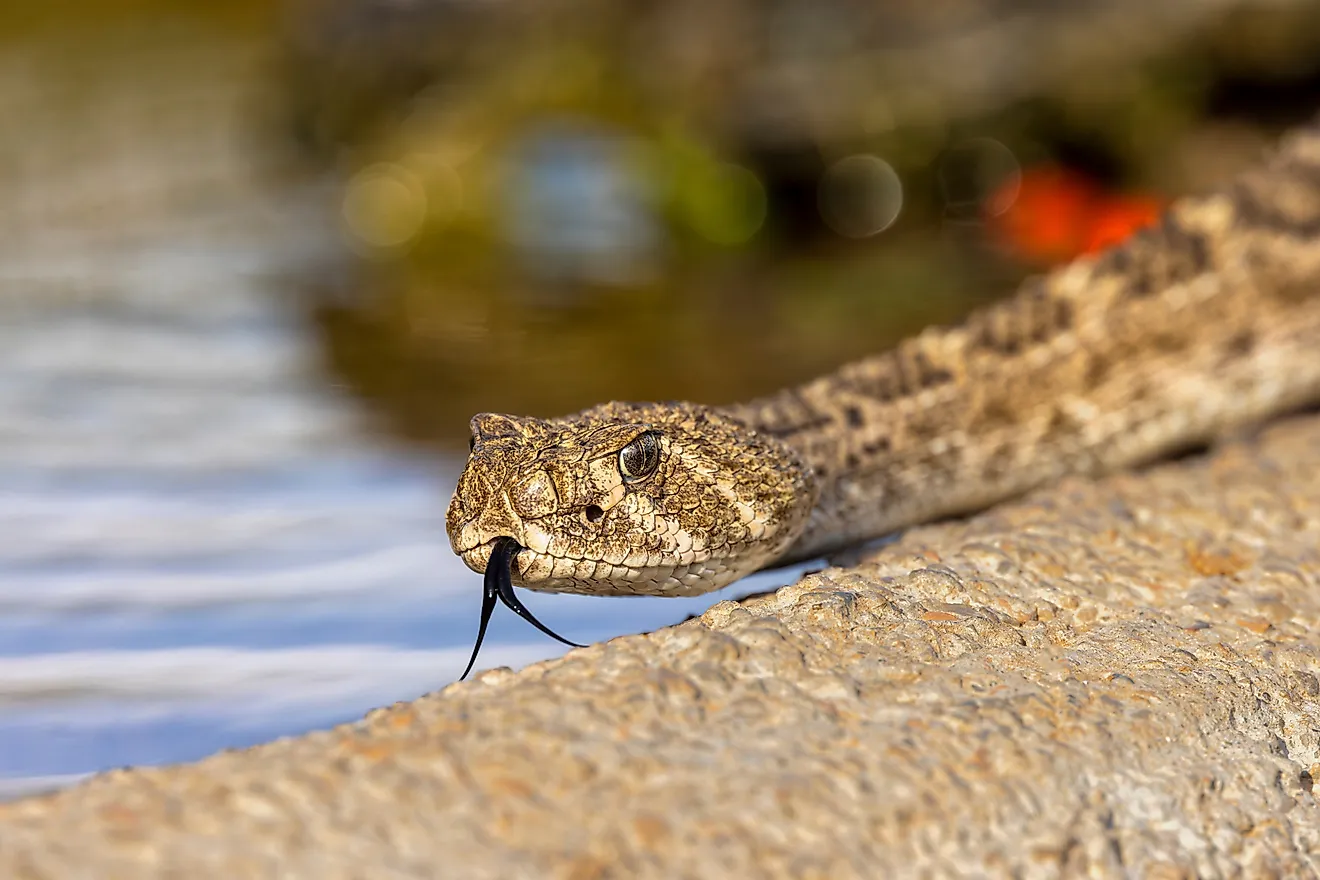
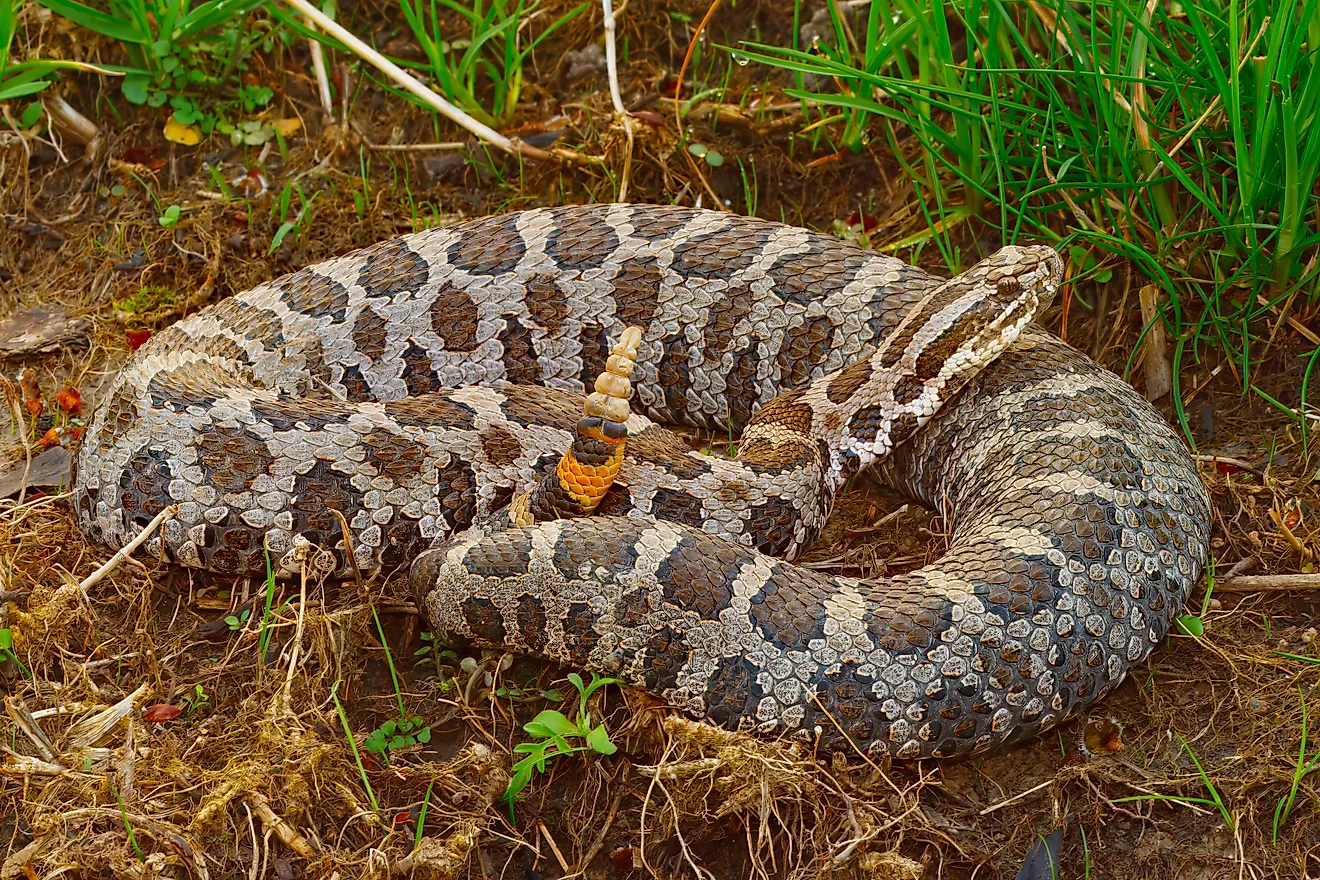
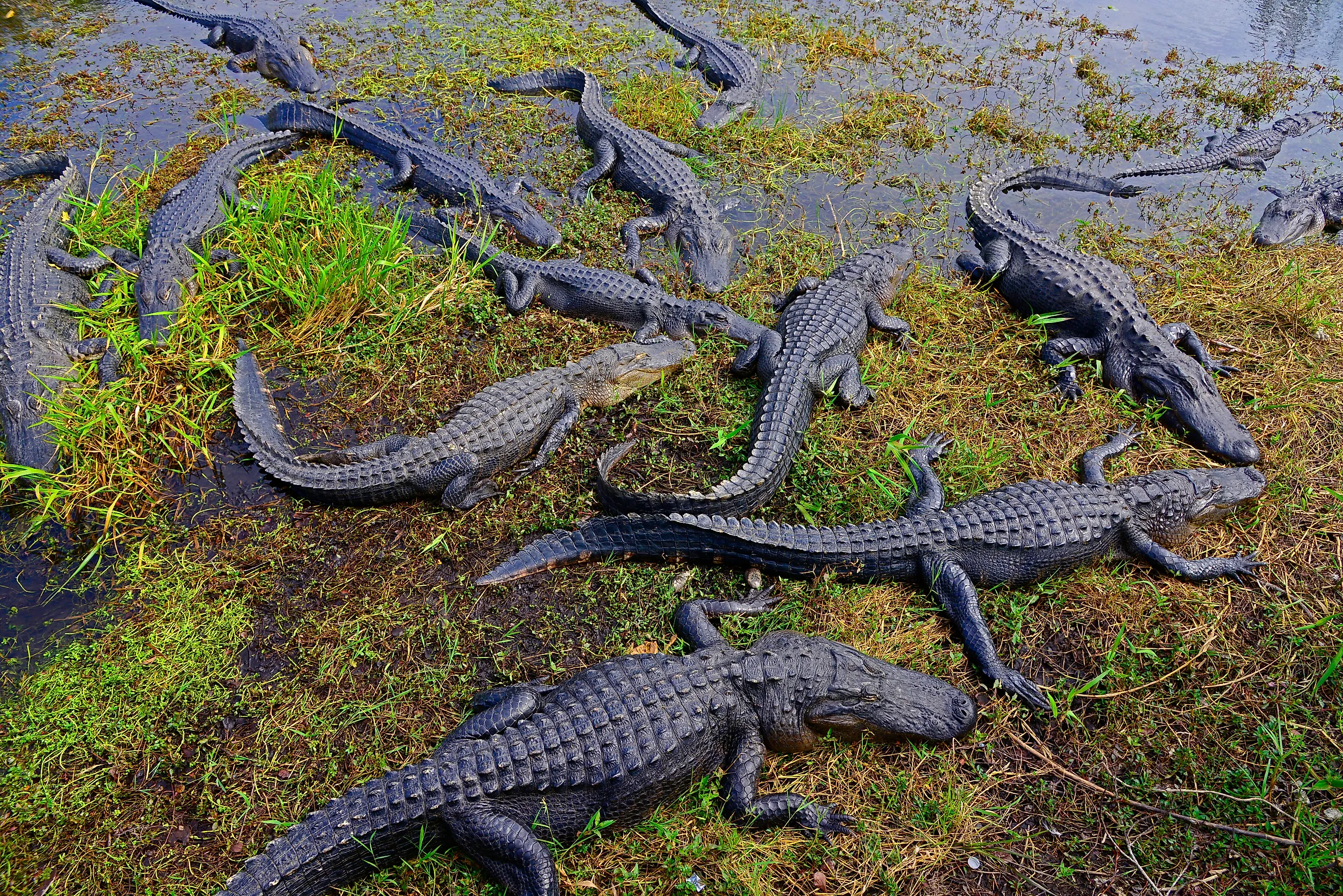
American alligators and cottonmouths share about ten states across the southeastern coastal plain, and in almost all of that territory the relationship is straightforward: the alligator eats the snake. Cottonmouths appear in published lists of documented alligator prey alongside largemouth bass, gar, turtles and feral hogs. There is one exception, and it lasts about a year. A hatchling alligator is small enough that the arrangement runs the other way, which makes this one of the few predator relationships in North America that reverses depending on which animal is older. Where that happens, and where it does not, comes down to two range maps that do not quite match.
The Overlap Is The Coastal Plain
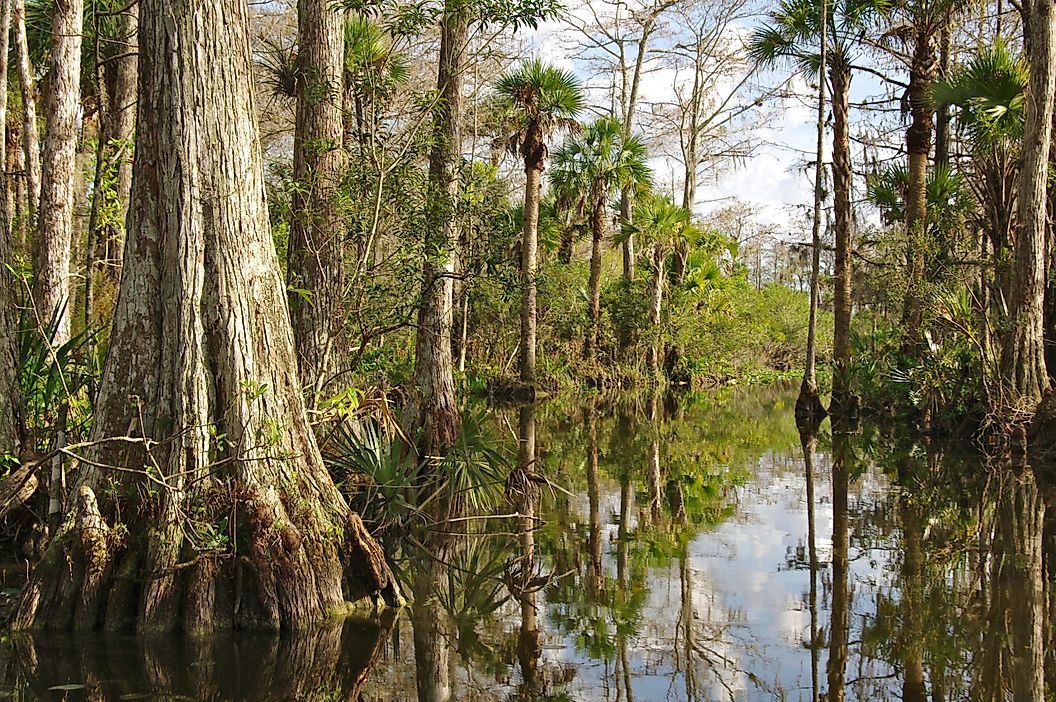
Both animals want the same thing, which is warm, slow, shallow water with heavy cover, and that narrows the map a long way.
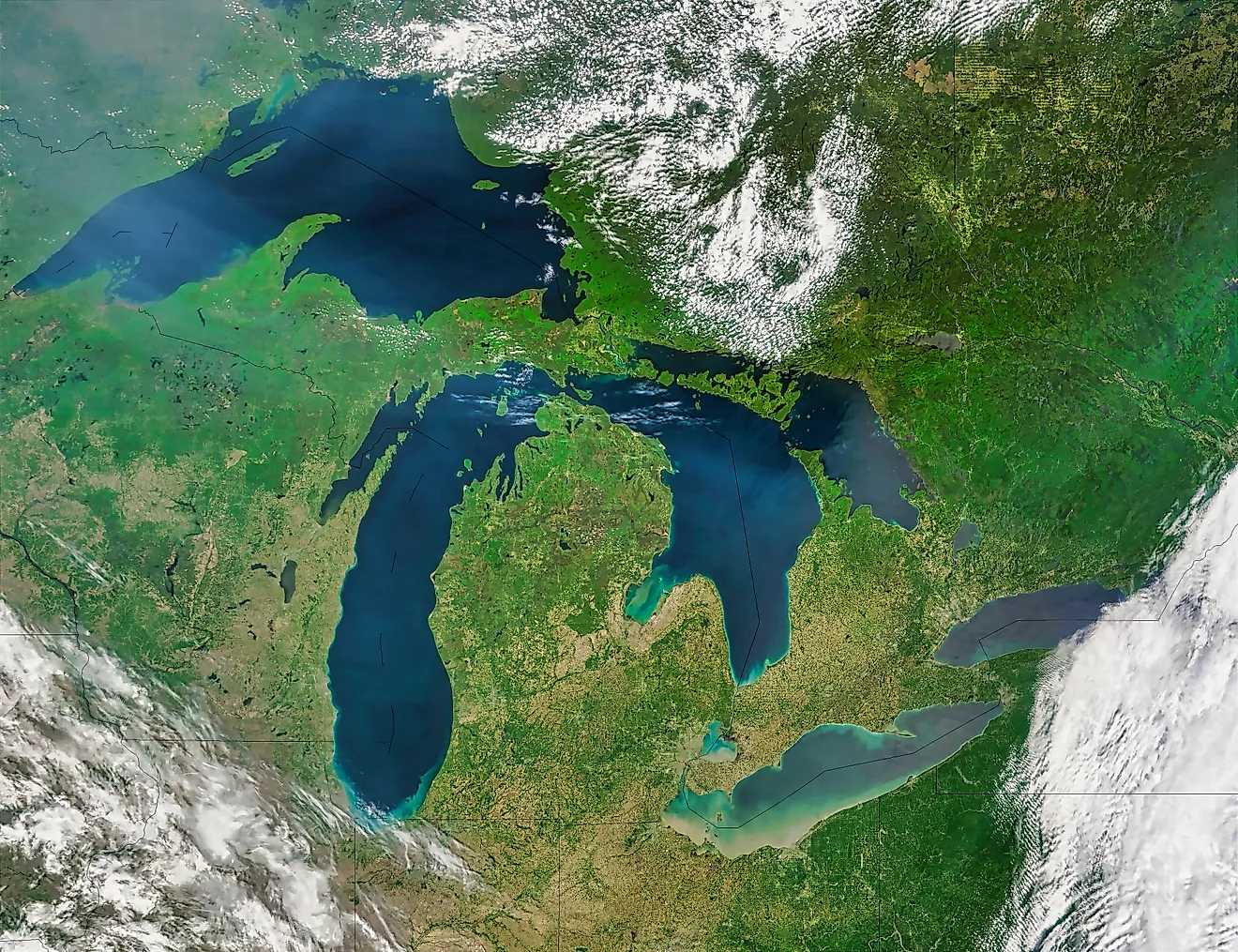
Alligators occur from southeast Oklahoma and east Texas on the western edge of their range to North Carolina and Florida in the east, across roughly ten states. Cottonmouths run from southeastern Virginia to south Florida and west to central Texas.
The shared ground is Florida, Georgia, Alabama, Mississippi, Louisiana, South Carolina, eastern Texas, southern Arkansas and the coastal parts of North Carolina. That is the band where any swamp is likely to contain both.
The Snake Has The Bigger Range
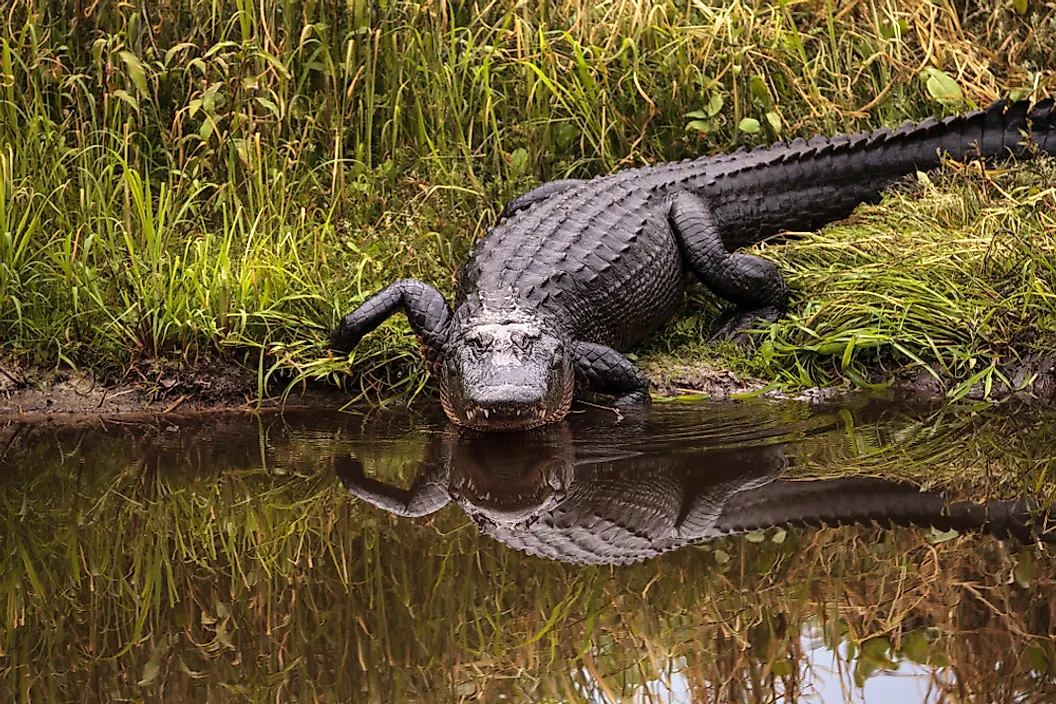
The two ranges are not the same size, and the cottonmouth's is larger in every direction that matters. Cottonmouths extend north into southern Illinois, southeastern Missouri and southeastern Kansas, and west into central Texas, all well beyond where alligators breed. They also reach further up the Atlantic coast into southeastern Virginia.
So the alligator range sits almost entirely inside the cottonmouth range rather than beside it. Anywhere you find a wild alligator, you are near cottonmouth country. The reverse is not true.
Three Swamps Hold Enormous Numbers Of Both

Within the overlap, three places concentrate both species to a degree nothing else matches.
The Atchafalaya Basin in Louisiana is the largest wetland in the country and a major alligator stronghold, with the state holding roughly two million animals. The Okefenokee in Georgia anchors a state population of 200,000 to 250,000. The Everglades sits inside a Florida population of about 1.3 million.
All three are also prime cottonmouth habitat, because cypress knees, log jams and shallow backwater suit both animals equally.
Florida Has Alligators In Every County

The scale of the Florida overlap deserves stating separately, because it is unusual. Alligators occupy every county in Florida, inhabiting everything from the Everglades to suburban retention ponds. The Florida cottonmouth is similarly widespread across the state's wetlands.
Which means in Florida the question of where the two overlap has a short answer: everywhere there is fresh water.
The Alligator Usually Wins
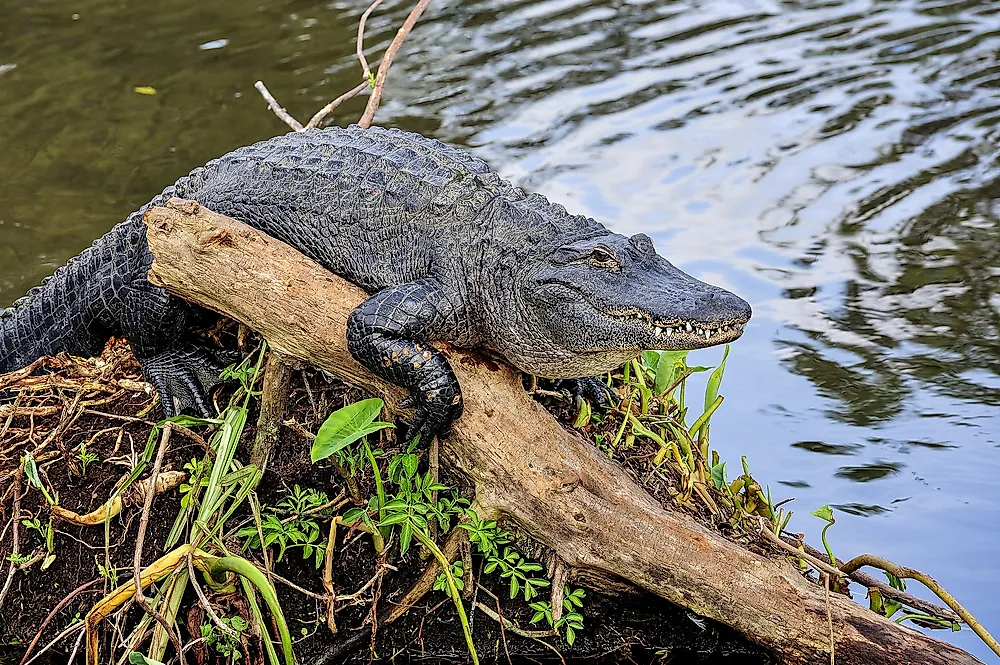
Venom is not much use against an animal this size, and the outcome here is documented rather than theoretical.
Once a full-grown alligator reaches adult size, essentially anything living in the water or coming to the water to drink is potential prey. Published prey lists for the species include cottonmouths explicitly, and video from Florida shows an alligator taking one from the bank.
The snake's defensive sequence of gaping, tail vibration and musk release is designed to deter mammals and birds. It does very little against armored jaws.
Hatchlings Reverse It
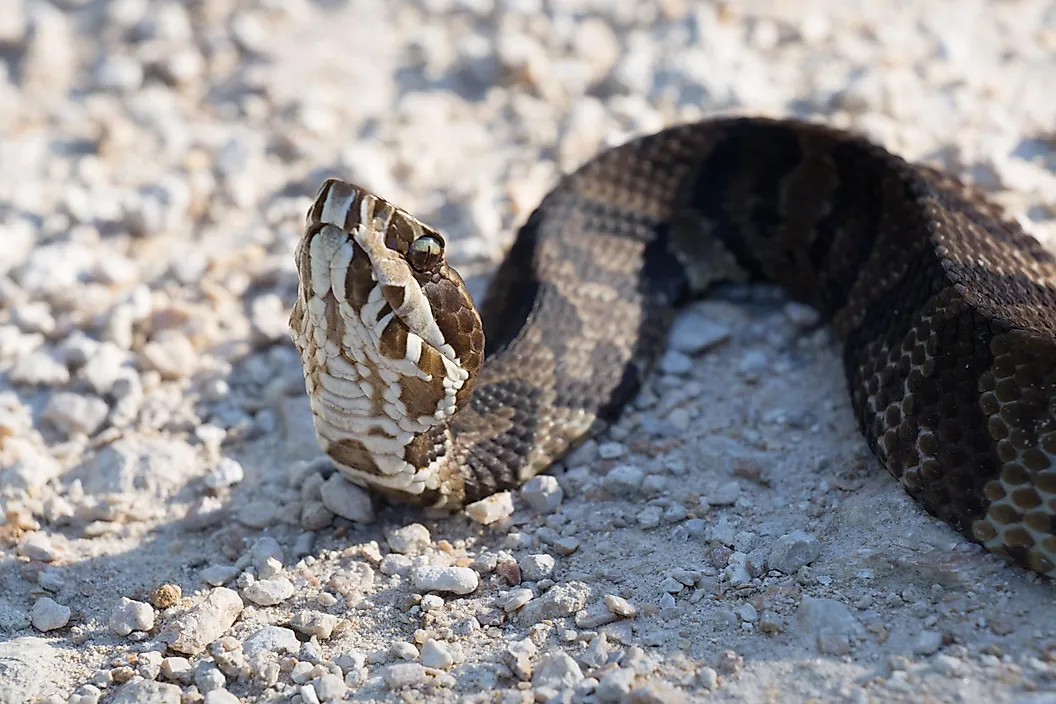
The exception is the first year of an alligator's life, and it is a genuine vulnerability rather than a technicality.
Young alligators are eaten by birds, fish, mammals and snakes, and are usually only safe once they reach about four feet in length. Wading birds, otters and larger alligators all take juveniles, and a large cottonmouth is capable of the same.
So the relationship inverts with size. For roughly twelve months the snake is the threat, and after that the alligator spends the rest of its life being the one.
Both Now Eat Pythons

The newest entry in the overlap is invasive, and both natives have responded to it. Alligators are documented predators of Burmese pythons in Florida. So, it turns out, is the cottonmouth: a 2021 note in Herpetological Review recorded Florida cottonmouth predation on hatchling and juvenile pythons during radiotelemetry work in the Greater Everglades.
Two native predators that normally compete, one of which eats the other, both now take the same invasive snake. It is the rare case where the overlap zone is doing something useful.
They Use The Water Differently

Sharing a swamp does not mean sharing the same part of it, and that separation is what makes coexistence workable.
Alligators use open water, deeper channels and the gator holes they excavate themselves, which hold water through dry seasons. Cottonmouths work the vegetated margins: log jams, cypress knees, undercut banks and floating mats.
Georgia's wildlife agency notes that cottonmouths shy away from large open reservoirs. That is the same water an alligator is perfectly happy in, which keeps the two apart more often than the shared range suggests.
Neither Is The Thing To Worry About

Proportion matters when two headline animals occupy the same places.
Research cited by Georgia's wildlife agency has demonstrated that cottonmouths rarely strike defensively even when handled. Alligator attacks on people are rare and overwhelmingly associated with feeding, which is why every state in the range makes it illegal.
The practical advice for the overlap zone is identical for both species and short: do not feed anything, keep dogs leashed near water, and give whatever you see a wide berth.
The Short Answer

Alligators and water moccasins overlap across about ten southeastern states, with the densest shared ground in the Atchafalaya Basin, the Okefenokee and the Everglades. The cottonmouth's range is the larger of the two and effectively contains the alligator's.
Where they meet, the alligator eats the snake, except during the alligator's first year when a large cottonmouth can turn that around. Both animals now also eat invasive pythons, which is the one thing in the overlap zone that everybody can agree is an improvement.