Why Arizona Loses Its Colorado River Water Before California Does
Arizona is currently taking a 512,000 acre-foot cut to its Colorado River supply. California is taking none. The reason has nothing to do with geography, hydrology or who uses water more carefully. In 1968 Congress agreed to build the Central Arizona Project on one condition, which was that California's 4.4 million acre-feet would outrank anything flowing through the new canal. Arizona accepted. A future general manager of the CAP later described the arrangement plainly: they exacted a price, and that price is what we call the junior priority. Arizona bought the canal with its place in the queue, and it is still paying.
The Lawsuit Came First
The 1968 deal only makes sense alongside what came before it, which was one of the longest legal fights in American history. Arizona sued California in 1952 over Colorado River allocations. Arizona v. California ran eleven years and cost almost five million dollars, making it one of the lengthiest and most expensive cases the Supreme Court has handled.
Arizona won. The 1963 decision fixed Lower Basin apportionments at 4.4 million acre-feet for California, 2.8 million for Arizona and 300,000 for Nevada. What Arizona did not have was any way to move its share to where its people lived.
The Canal Was The Whole Problem

An allocation on paper is worthless without infrastructure, and Arizona's water was in the wrong corner of the state. The Colorado forms Arizona's western border. Phoenix and Tucson are hundreds of miles inland. Getting the state's 2.8 million acre-feet to where it was needed required a federally funded aqueduct, and that required an act of Congress.
California lobbied hard against it. The proposal sat stalled for years, and it was not going to move while California opposed it.
The Price Was Priority

The deal that unlocked it is written into the statute, and it is unusually explicit for a piece of water law.
The Colorado River Basin Project Act of 1968 authorized the CAP on the condition that in shortage conditions, California's 4.4 million acre-feet would have priority over CAP supplies. California withdrew its opposition, and construction began in 1973.
Congressional Research Service puts it directly: Congress authorized the project on the condition that California's and Nevada's deliveries receive priority over Arizona's during times of drought.
What That Means Now

Fifty-eight years later the clause is doing exactly what it was written to do.
Arizona is taking Tier 1 reductions for 2026, a 512,000 acre-foot cut. That represents 30 percent of CAP's normal supply, about 18 percent of Arizona's Colorado River supply, and just under 8 percent of the state's total water use.
Nearly all of the reduction within Arizona is borne by CAP users. California's mandatory cut under the same framework is zero.
Arizona Gets Hit Twice
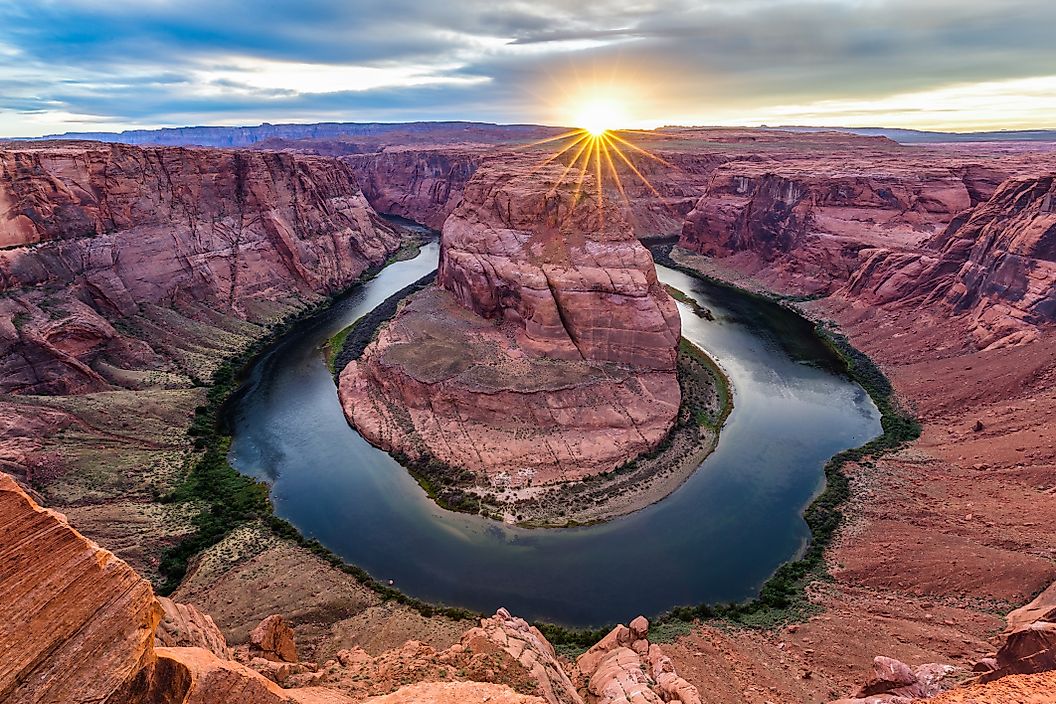
There is a second layer here that most coverage misses entirely. When a shortage lands on the Lower Basin, it lands on Arizona once as a state, because of the 1968 subordination, and again inside the state, because CAP runs its own priority system. Arizona's on-river users along the Colorado hold senior rights. CAP water is junior to them too.
So the cut does not spread evenly across Arizona. It concentrates on the canal, and then concentrates again on the lowest-priority users inside it.
Agriculture Absorbs It First

Within CAP the order of cuts is set out in advance, and the bottom of the list empties first.
The current 512,000 acre-foot reduction has eliminated the Other Excess and Agricultural pools entirely, cut increasingly into the Non-Indian Agricultural pool, and taken only a very small amount from the Municipal and Industrial and Tribal pools.
The practical result is that CAP agricultural users in Pinal County lost their supply years before anyone in Los Angeles noticed any difference at all.
Half Of CAP Belongs To Tribes

A less-known provision of the same 1968 act decides who is protected inside the canal.
Arizona agreed to tribal and non-tribal allocations such that roughly half of CAP's annual allotment would be available to Native American tribes in Arizona, at a higher priority than most other uses.
That is why tribal water sits near the top of the CAP priority stack and has seen only minimal cuts so far, while agricultural pools were emptied.
Arizona Disputes The Framing

Arizona's water officials have pushed back on being described as simply junior, and their argument deserves a hearing.
Arizona's water resources director has pointed out that the 1968 act specifies the junior priority kicks in when there is not 7.5 million acre-feet available to the Secretary for delivery to the three Lower Basin states, rather than being a blanket subordination in all conditions.
He has also noted that Arizona agreed to take the bulk of shortages under the Drought Contingency Plan and the guidelines because it did not want a litigation fight, which is a choice rather than an obligation.
The Upper Basin Takes Nothing
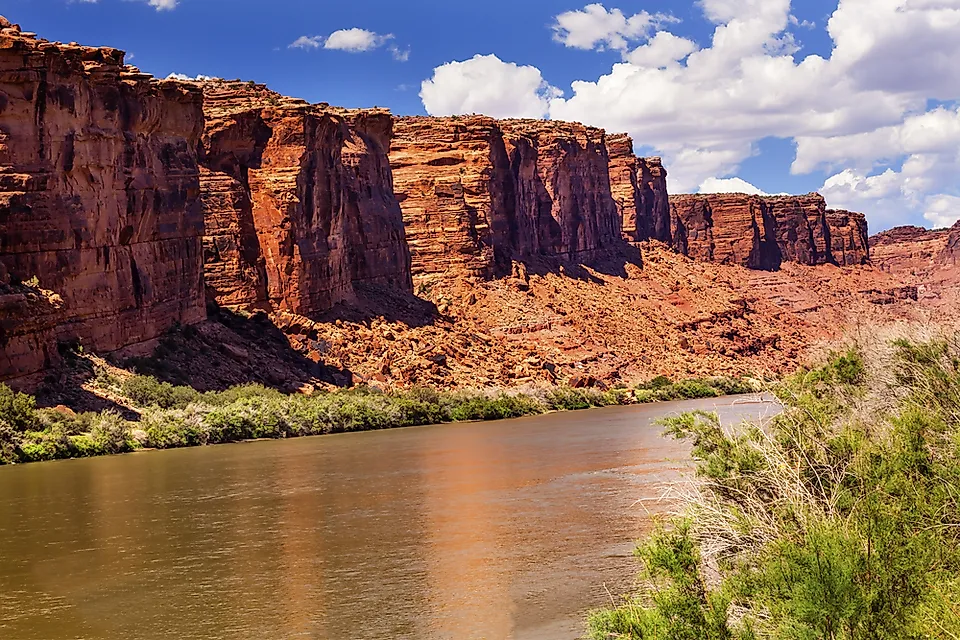
Widening the frame once more produces the comparison Arizona officials make most often. Mandatory reductions under the shortage guidelines fall on the three Lower Basin states. Colorado, Utah, Wyoming and New Mexico face no mandatory cuts at all under the current framework.
So the burden lands on the Lower Basin, then disproportionately on Arizona within it, then disproportionately on CAP within Arizona, then on agriculture within CAP. Each layer concentrates it further.
The Short Answer

Arizona loses water before California because of a condition Congress attached to the Central Arizona Project in 1968. California's 4.4 million acre-feet outrank CAP supplies in a shortage, California dropped its opposition once that was agreed, and the canal got built.
Arizona is taking 512,000 acre-feet of cuts this year and California none. That is not a drought outcome or an accident of geography. It is the invoice for a canal, still being paid fifty-eight years after the deal was signed.