The Snakes You Might See Along Connecticut’s Rivers
The rivers in Connecticut are more than just scenic waterways. They form important wildlife corridors that connect wetlands, forests, and floodplain habitats that support a variety of animal species. Across the entire state, there are 14 snake species that reside in Connecticut. Although these are reptiles that can often go unnoticed, the river systems provide ideal conditions for many of them to find shelter and hunt.
There are three waterways that stand out for their diverse surrounding habitats. The Connecticut River, the Housatonic River, and the Thames River are all common spots for the local snake community. From the northern watersnake and common gartersnake to the more elusive eastern hognose and endangered timber rattlesnake, these rivers are home bases for some of the fascinating reptile population. However, not every species lives directly in the water, and some favor the rocky terrain and wooded hillsides that surround the riverbanks.
The Connecticut River

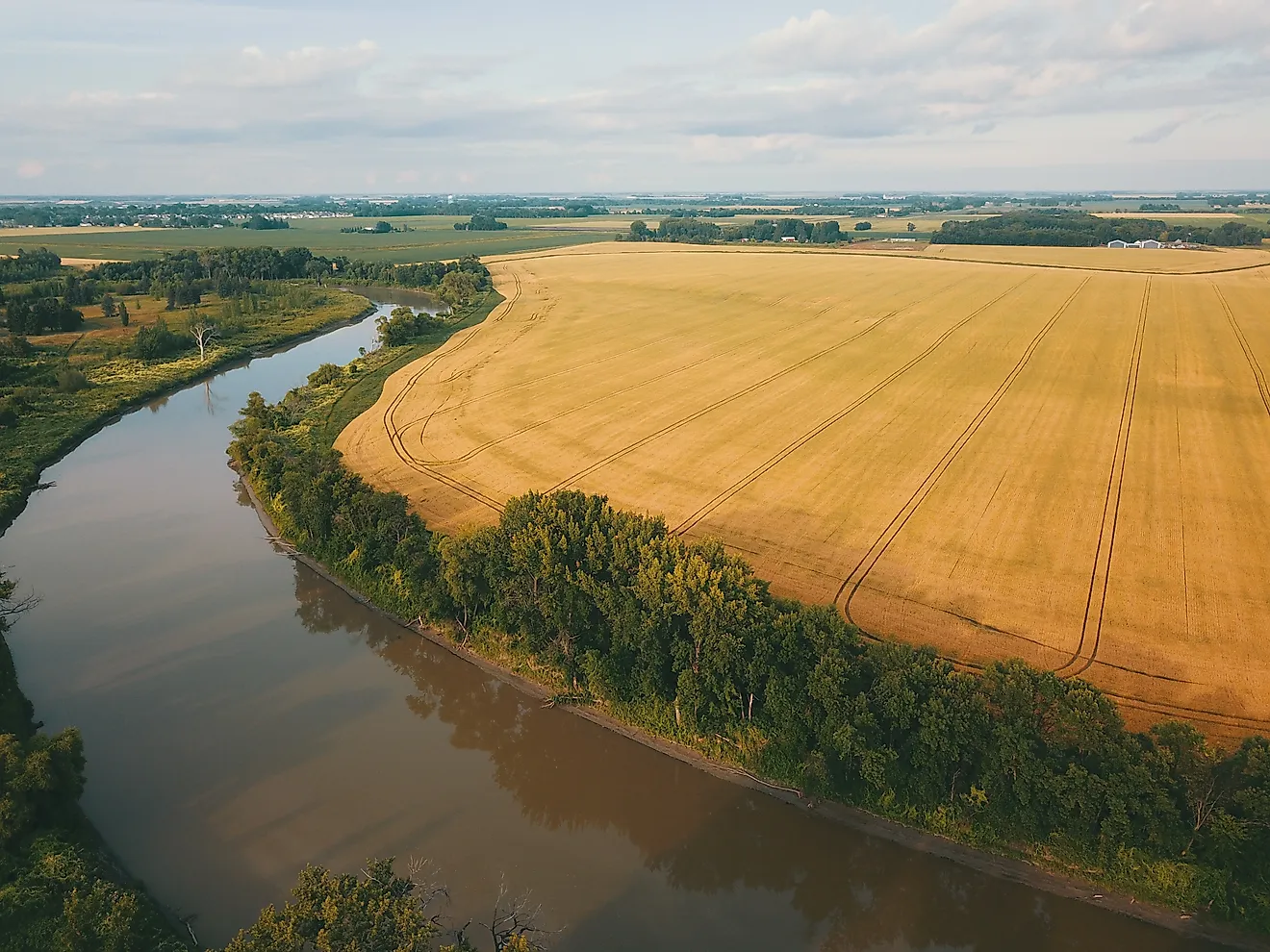
Stretching across more than 400 miles from the Canadian border to the Long Island Sound, the Connecticut River is the longest in all of New England. It hosts an extensive network of tributaries, wetlands, and floodplains. Together, it creates one of the region's important wildlife habitats.

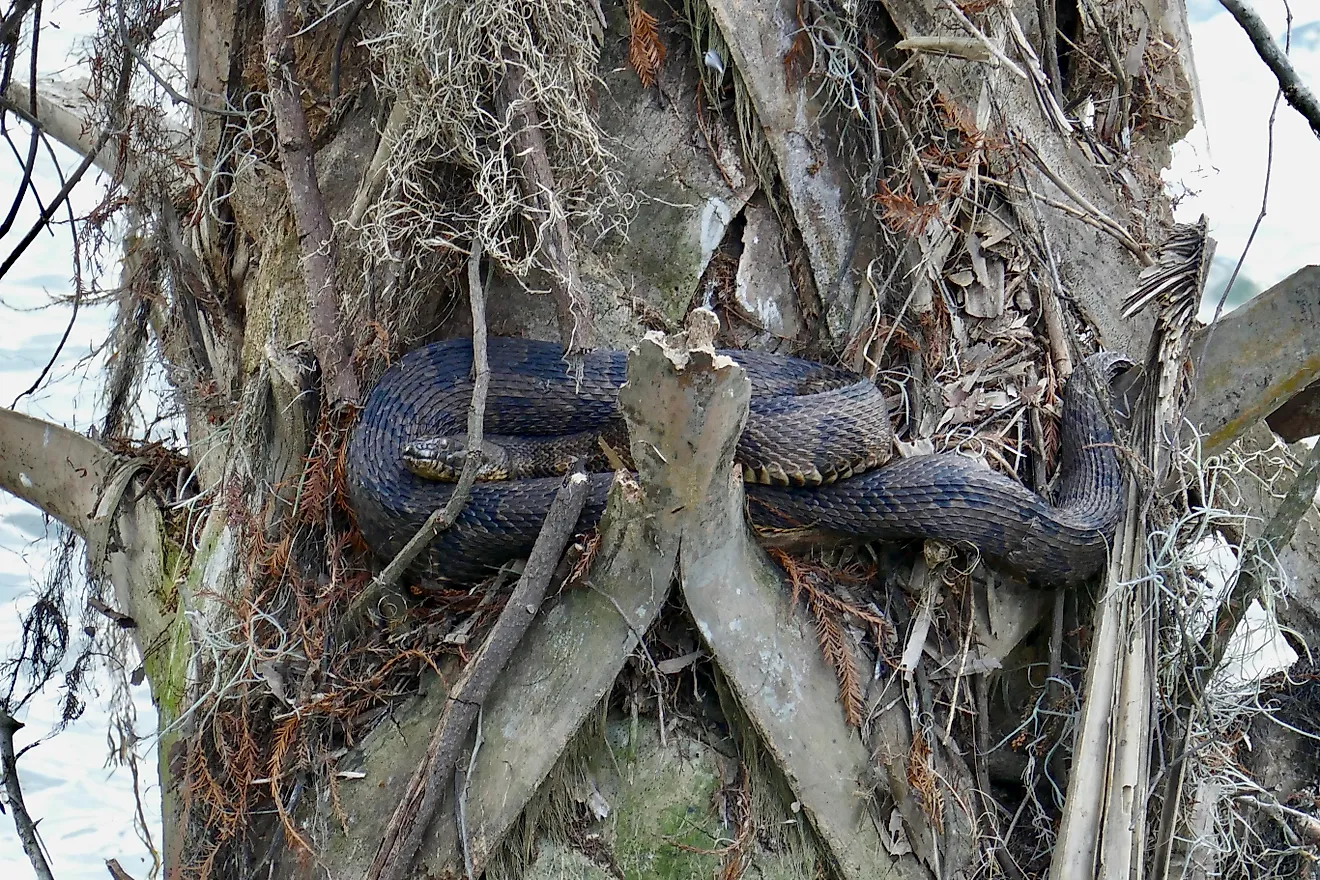
One of the most recognizable residents is the northern watersnake (Nerodia sipedon). This is a nonvenomous species that is common throughout Connecticut's freshwater waterways. The northern watersnake thrives along riverbanks, marshes, ponds, and streams. It has a dark-banded body that helps it to blend in with the vegetation. This snake also has swimming abilities that make it an effective aquatic hunter. Although some may misidentify a northern watersnake as a cottonmouth, rest assured that its venomous doppelganger does not naturally occur in Connecticut.
The nearby woodlands and grassy margins by the Connecticut River can also attract other snake species like the common gartersnake (Thamnophis sirtalis) and eastern ribbonsnake (Thamnophis sauritus). Gartersnakes are adaptable and can occupy spaces like forest edges and meadows down to the marshes and overgrown riverbanks. Meanwhile, the ribbonsnake favors wetter grounds, like the shrubby area that borders ponds or wooded swamps. They have slender bodies with three yellow stripes that are easy to distinguish.

The Housatonic River

The Housatonic River winds through a mixture of landscapes like wooded hills, wetlands, and open floodplains. Its wider watershed extends into the neighboring state of New York, which creates a varied ecological landscape that supports numerous plant and animal species. The combination of undisturbed natural areas makes the Housatonic Valley imperative to the state's snake species found there.

One of the snakes associated with this region is the eastern hognose snake (Heterodon platirhinos), which is easily recognized by its upturned snout. This unusual feature helps it dig through loose soil and uncover its desired dinner of toads. The eastern hognose prefers habitats with sandy or loose soil that is near wetlands. The eastern ribbonsnake also inhabits the Housatonic. Unlike the more adaptable gartersnake, ribbonsnakes tend to stay close to shallow water, where they hunt for frogs and other small prey.

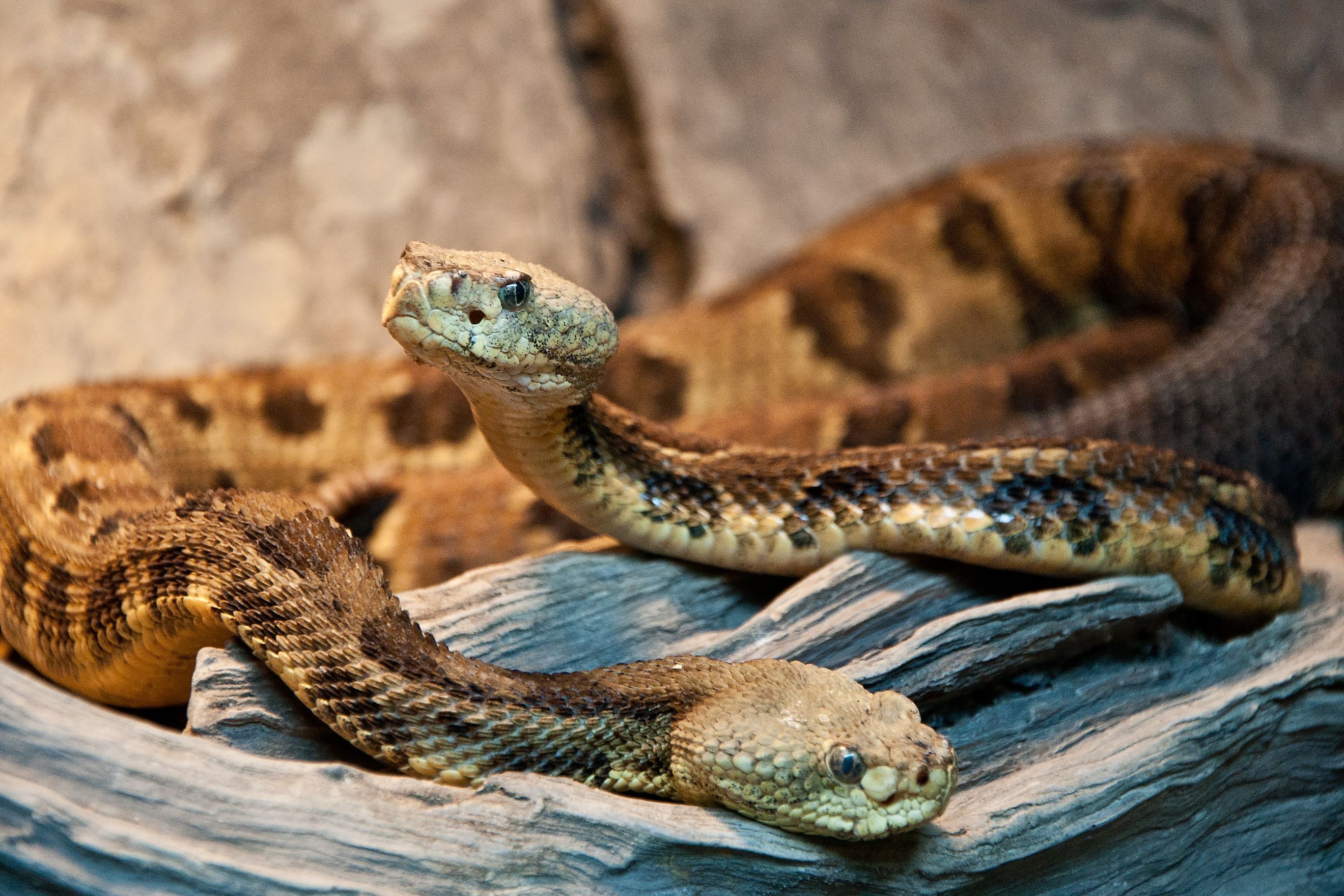
While not very common, Connecticut's other venomous snake could be found slithering its way up from the Housatonic to higher ground. The timber rattlesnake (Crotalus horridus) is a venomous reptile classified as an endangered species. Instead of occupying the riverbanks, this type of rattlesnake prefers rocky ledges, sometimes at elevations over 500 feet.
The Thames River

Although considerably shorter than the Connecticut and Housatonic rivers, the Thames River has its own important role for southeastern Connecticut's coastal ecosystem. It stretches for 15 miles and forms a tidal estuary where both fresh and saltwater environments meet. The Thames shoreline features marshes, tidal coves, and wetlands. There is also the surrounding watershed with the Quinebaug and Shetucket river systems.
One of the reptiles one might encounter by the Thames is the northern watersnake, although the river's brackish sections are less typical for the snake's habitat. This means it would stick to the freshwater environment of the river. Both the common gartersnake and eastern ribbonsnake also make use of this river's watershed and wetland margins.

Further inland from the river itself, the wooded floodplains can support larger terrestrial species like the eastern ratsnake (Pantherophis alleghaniensis) and northern black racer (Coluber constrictor). The eastern ratsnake is Connecticut's largest native snake and is known for its climbing skills, often using mature trees and wooded habitats to search for prey. Meanwhile, northern black racers usually keep to open environments like meadows and woodland edges where they can use their speed to pursue small animals. The venomous northern copperhead could also be found near the Thames River, though closer to the suitable rocky and wooded areas throughout the wider parts of its watershed.
A Closer Look at Connecticut's Slithering Residents
Despite their reputation and common misunderstandings of these reptiles, the snakes in Connecticut play an important role in the natural ecosystem. Aside from the two venomous snakes that are less commonly seen, the majority of the 14 snake species in the state are absolutely harmless. Learning to recognize these reptiles and respect their habitats can help protect the biodiversity that makes these rivers so environmentally beneficial.