How Lake Maracaibo Compares To The Great Lakes
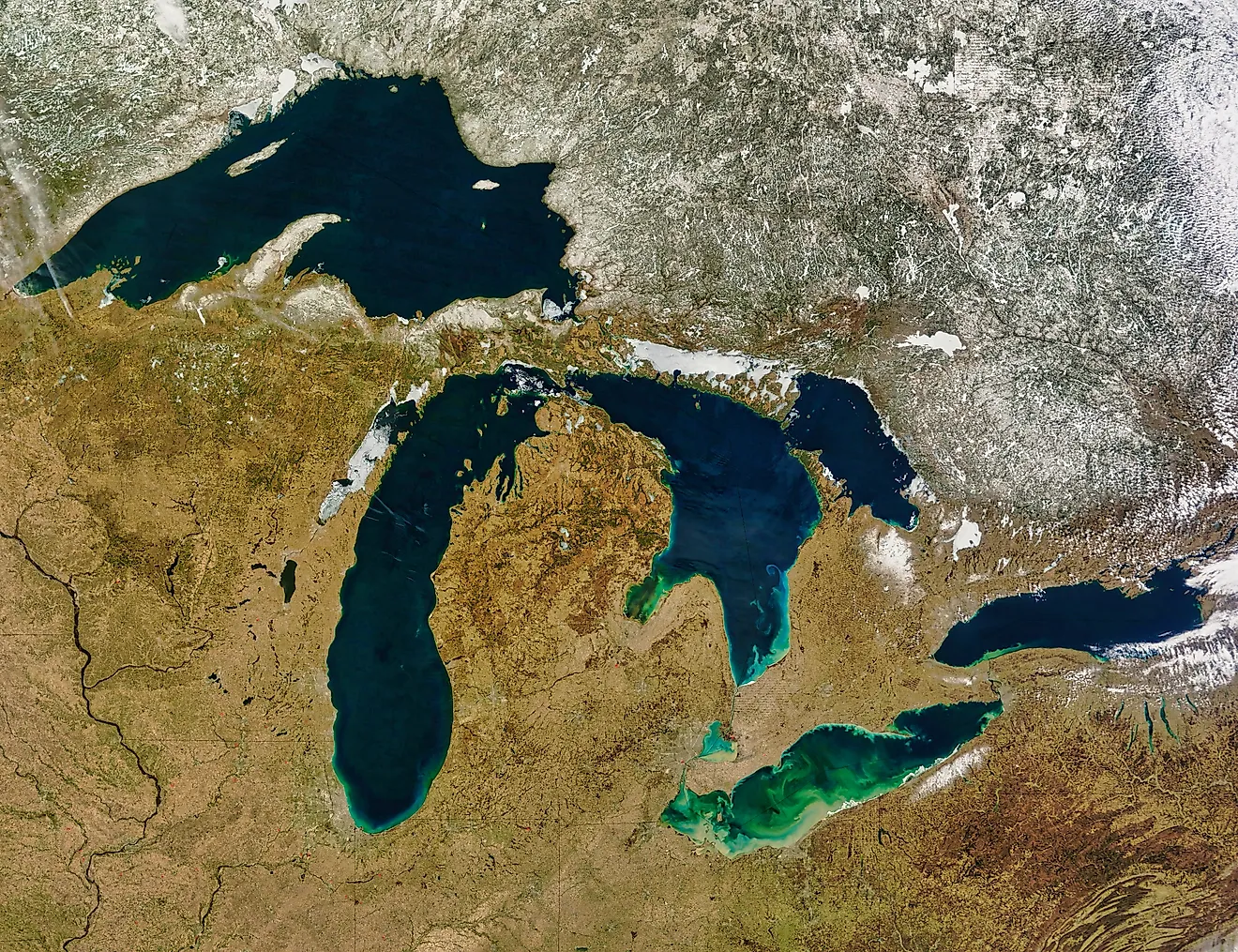
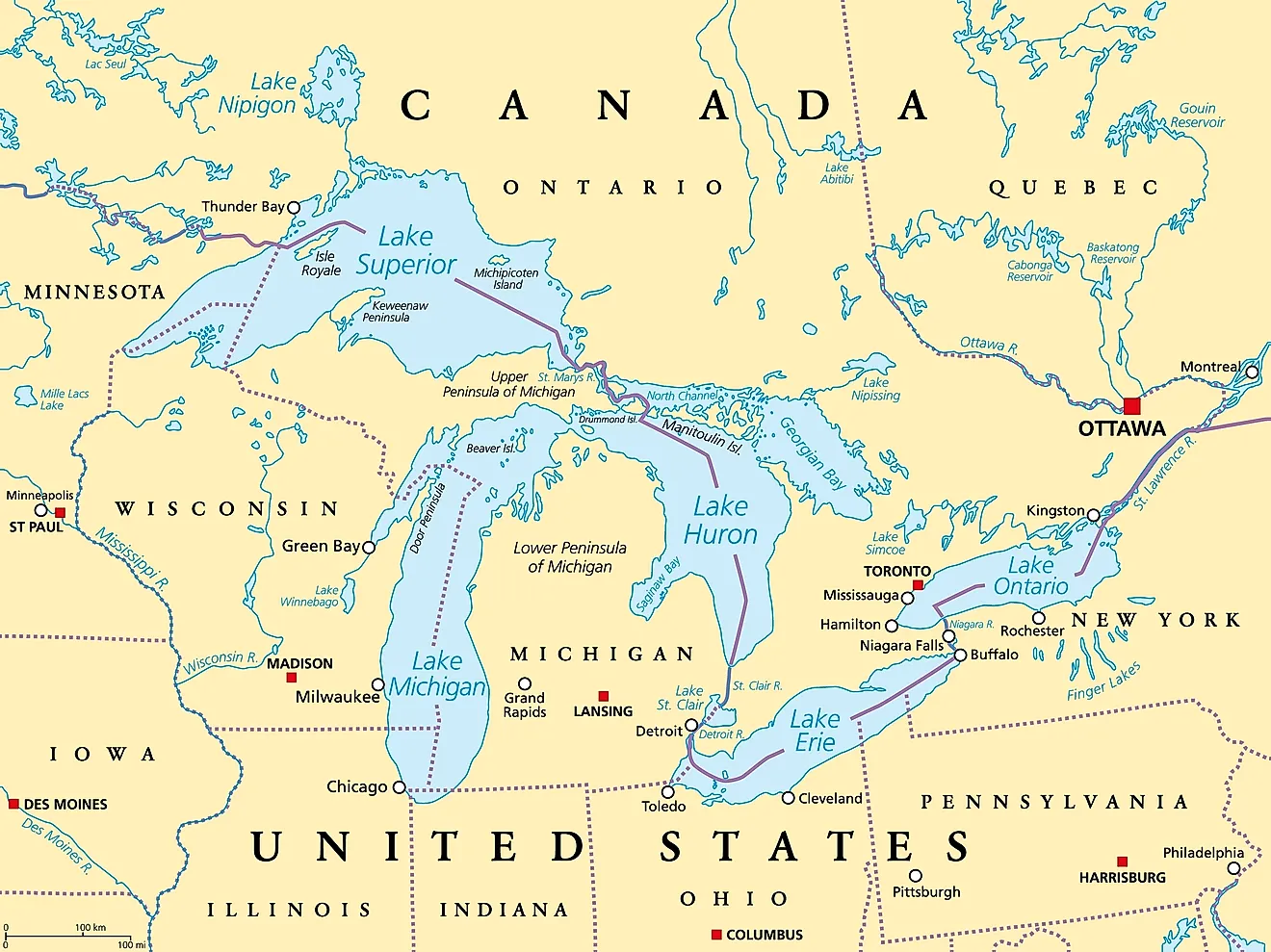
The Great Lakes are the undisputed royalty of fresh water, five colossal lakes that together hold about a fifth of the planet's supply. So when you line them up against Lake Maracaibo, a lone body of water in northwestern Venezuela, you would reasonably expect a total blowout. And on a couple of counts, it absolutely is. But Maracaibo, which is barely even a lake, turns out to have a few jaw-dropping tricks that leave the mighty Great Lakes looking downright ordinary. Here is how Lake Maracaibo stacks up against the Great Lakes, and the one category where it humiliates them completely.
First, Meet Lake Maracaibo

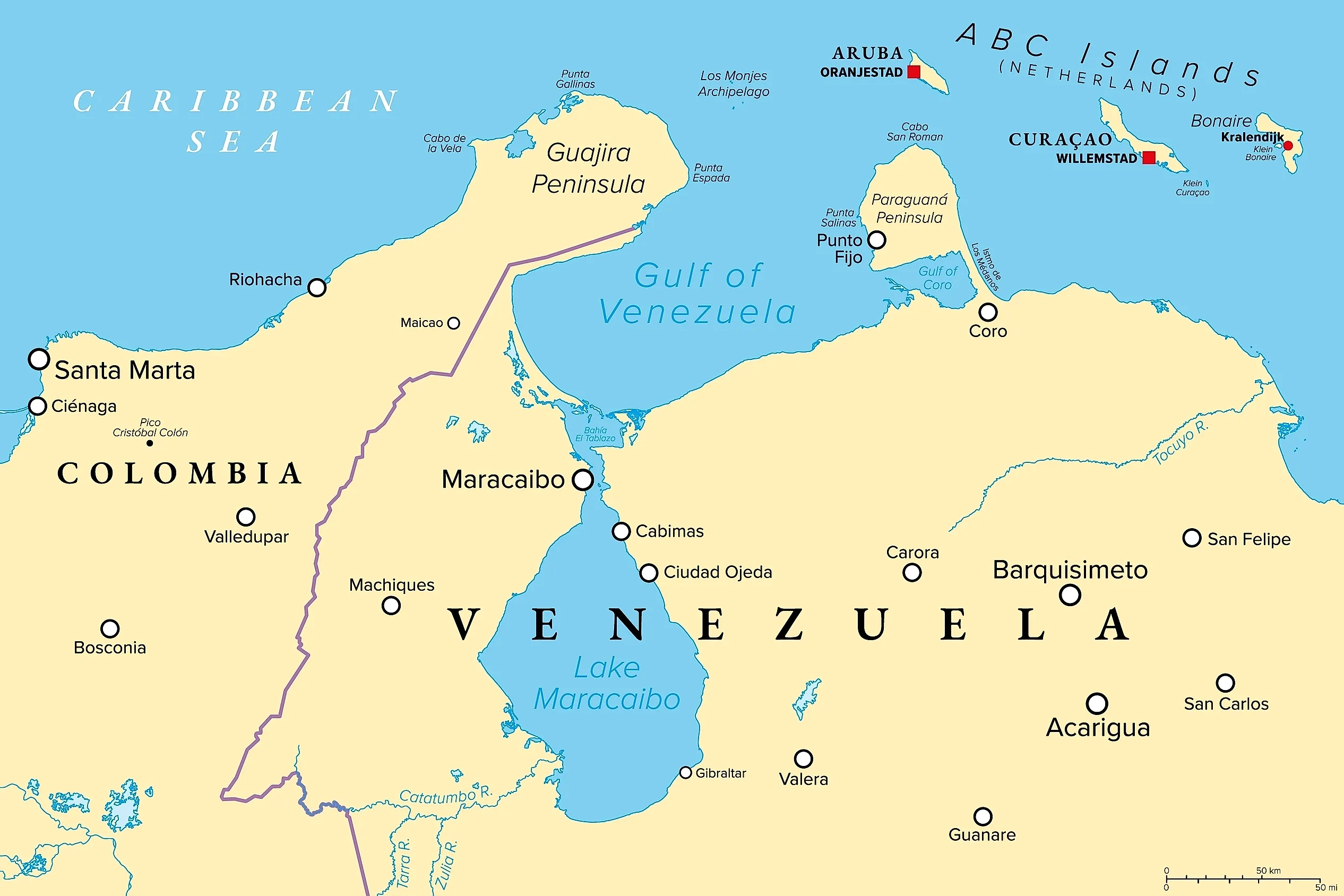
Lake Maracaibo sprawls across about 5,100 square miles of northwestern Venezuela, and it is usually billed as the largest lake in all of South America. There is just one catch: it may not actually be a lake at all. Because it is connected to the Caribbean Sea by a 34-mile strait, seawater flows in and out with the tides, which makes Maracaibo brackish and leads many geographers to classify it as a lagoon or a tidal bay rather than a true lake. So before the contest has even begun, our challenger is already arguing with the referee about whether it belongs in the sport in the first place.
Size: The Great Lakes Win Easily

Let's get the lopsided part out of the way first. At roughly 5,100 square miles, Lake Maracaibo would be South America's biggest lake, but set against the Great Lakes it is a minnow. The smallest Great Lake, Lake Ontario, covers about 7,340 square miles, which means Maracaibo is smaller than even the runt of the family. Stacked against Lake Superior, the largest at over 31,000 square miles, Maracaibo is barely one-sixth the size. On raw area, this simply is not a contest; the Great Lakes win in a walk, and they do it five times over.
Fresh vs Salty

The Great Lakes press their advantage with the kind of water they hold. Together they make up the largest freshwater system on Earth, holding roughly a fifth of all the surface fresh water on the planet, the clean, drinkable stuff that supplies tens of millions of people. Maracaibo, by contrast, is brackish, growing saltier toward the north as the Caribbean seeps in, and fresher in the south where its rivers pour down into it. So while it is a gigantic and genuinely important body of water, you would not want to fill your glass from it. That is another clear round for the Great Lakes.
But Maracaibo Is Ancient

Now the challenger starts swinging back, and hard. The Great Lakes may be enormous, but they are astonishingly young, having been gouged out by glaciers only about 14,000 years ago at the end of the last ice age. Lake Maracaibo, on the other hand, is estimated to be around 36 million years old, which makes it one of the oldest lakes on the entire planet. In other words, Maracaibo predates the Great Lakes by a factor of more than two thousand to one. Next to this ancient Venezuelan lagoon, the Great Lakes are not merely young; they are practically newborn.
And It's the Lightning Capital of the World
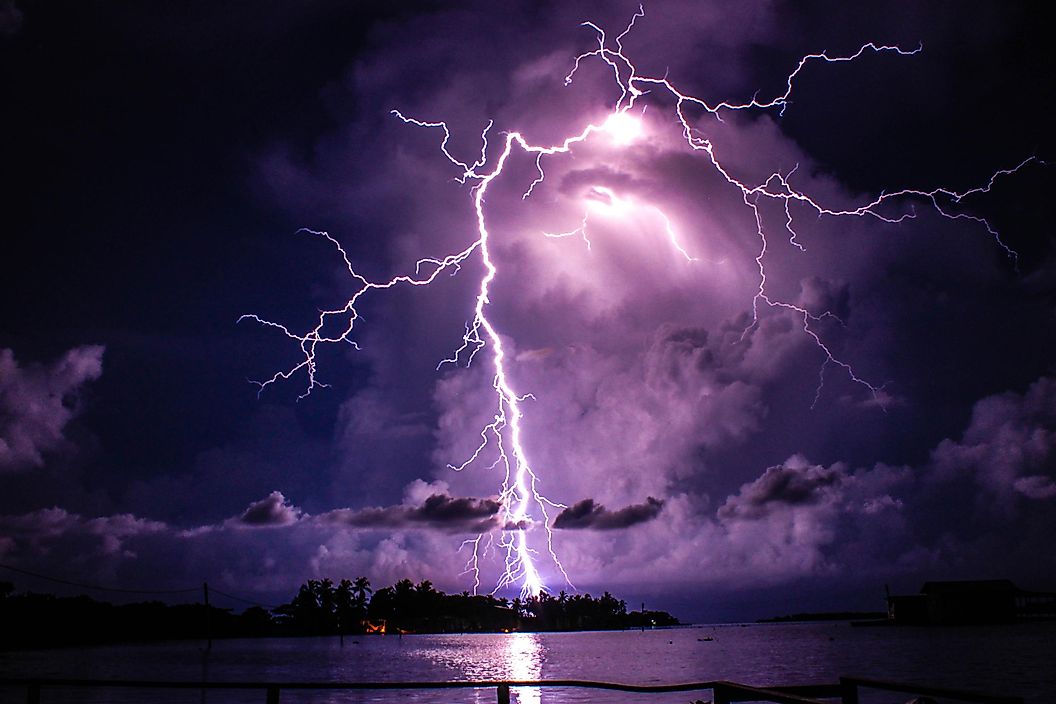
Here is the category where Maracaibo does not just win but utterly embarrasses the Great Lakes. Where the Catatumbo River flows into the lake's southern end, a bizarre weather phenomenon unfolds almost every single night: near-constant, flickering lightning known as the Catatumbo Lightning. It flashes on as many as 160 to 300 nights a year, for up to nine hours at a stretch, at a peak rate of around 28 strikes per minute, racking up well over a million lightning bolts annually. It is, by a wide margin, the most lightning-struck place on Earth, holding the Guinness World Record and serving for centuries as a natural lighthouse that guided ships by its glow. The Great Lakes get some respectable thunderstorms; Maracaibo gets a permanent, planet-leading light show.
Two Very Different Lakes
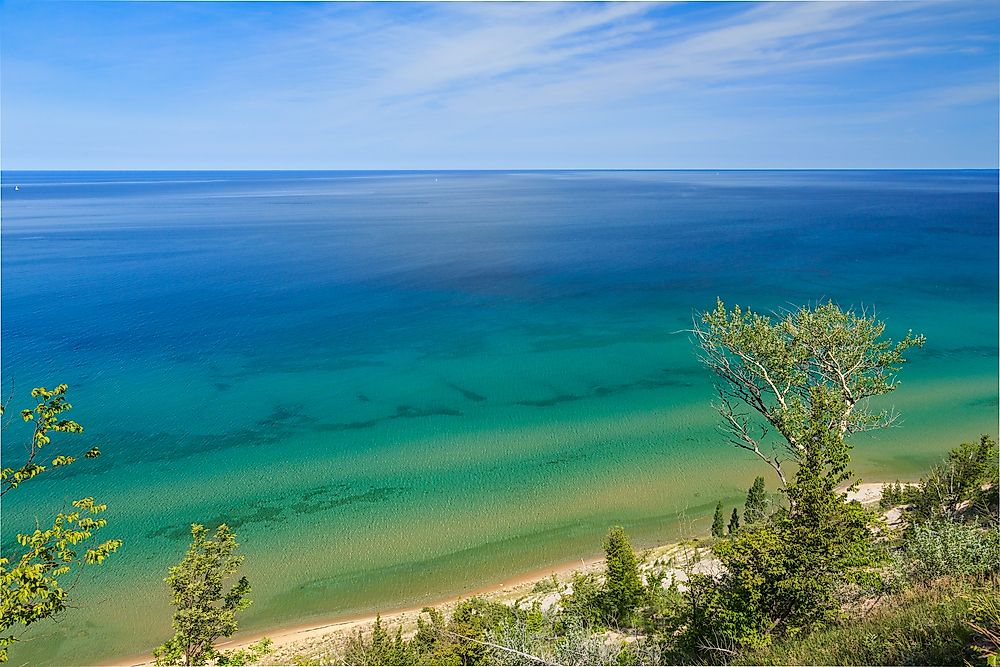
So who actually wins? It depends entirely on the category. The Great Lakes take size and freshwater in a landslide, and they have the considerable advantage of indisputably being lakes in the first place. But Maracaibo claps right back with age, outliving them by tens of millions of years, and with a lightning spectacle nothing else on Earth can touch, all while floating over one of the world's great oil fields. One is a freshwater colossus that quenches a continent's thirst; the other is an ancient, salty, electric oddity that lights up the night sky. They could hardly be more different, and honestly, each is magnificent in its own completely separate way. The Great Lakes may be bigger, cleaner, and far more useful, but only one of these lakes throws a million-bolt lightning party every single year, and that is a flex no amount of fresh water can ever quite match.