The Difference Between A Fjord And An Inlet
Many of the waterways that people picture when they pine for the fjords are simply inlets. When it comes to nomenclature for bodies of water, it can be easy to go with the flow and assume that the word on the map defines the water feature. But there's a surprising amount of depth to what a feature is. Some, like fjords, have very specific geographic conditions that must be met, but other terms are more loosely defined. The difference between a fjord and an inlet is chiefly that a fjord is one specific, glacially carved type of inlet.
What Is an Inlet?

An inlet is a narrow stretch of water that reaches into the land from a larger body of water, usually a sea or an ocean, though some branch off the side of a large river. The term can also describe a channel between islands or a simple dip in the coastline. Because depth, borders, salinity, and other conditions vary so much, there are many kinds of inlets. A bay, such as Hudson Bay, is one example: a wide curve of the coastline that opens to the sea.
What Makes a Fjord

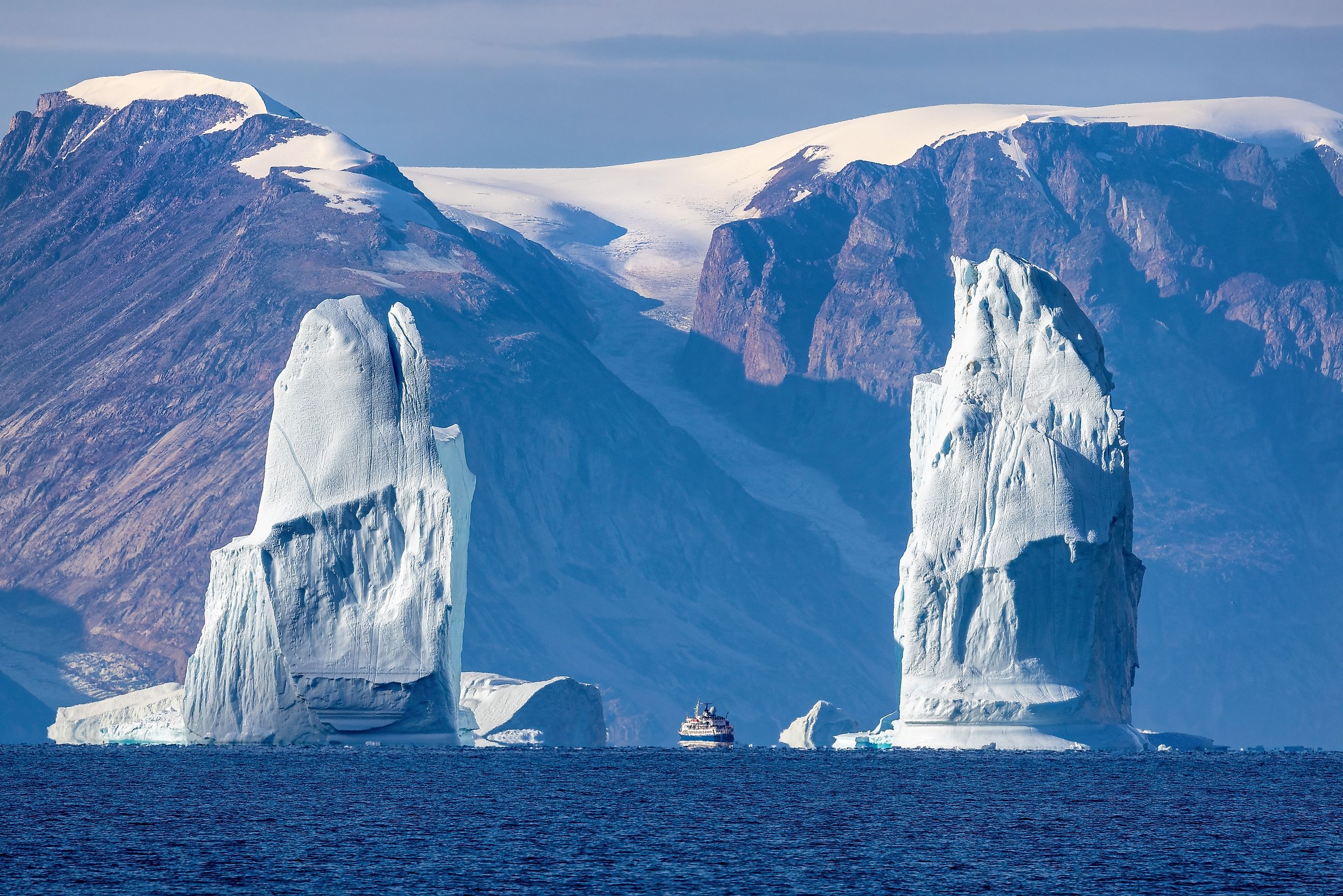
Unlike inlets in general, fjords have well-defined criteria that make it clear what counts as one. Even though the word "fjord" is Norwegian, these features appear all over the world, from Chile to New Zealand. A fjord is a long, narrow, and deep arm of the sea bordered by steep mountains, and crucially, it is the result of glacial erosion, since only a glacier can carve a trough this large. Most are U-shaped and are often deeper in the middle and at their upper ends than at the mouth. Some are extraordinarily deep: both the Sognefjord in Norway and the Canal Messier in Chile (which, despite being called a canal, is a fjord) plunge more than four thousand feet. Geologists believe heavy glaciers gouged out these channels, and as the ice retreated at the end of the last ice age, rising seas flooded them. The same grinding action explains why the walls on either side rise so sharply.
Famous Fjords

Some of the most famous fjords in the United States are in Alaska. One of the best-known is Tracy Arm, which sits about 45 miles south of Juneau in the Tongass National Forest. This narrow fjord winds for more than 25 miles between tall granite walls, with waterfalls running down the cliffs in many places. At the far end are two tidewater glaciers, North Sawyer and South Sawyer, which often break off huge chunks of ice into the water. Harbor seals rest on the floating ice, and most boat trips into the fjord leave from downtown Juneau.

In Norway, the Geirangerfjord is one of the country's most visited tourist sites. It runs about 9 miles (15 kilometers) and is known for its waterfalls, especially the Seven Sisters, which fall down the cliffs in seven separate streams. In 2005, it was named a UNESCO World Heritage Site along with another Norwegian fjord, the Nærøyfjord. In eastern Greenland, Scoresby Sund is often called the largest fjord system in the world. Its main channel branches into a web of smaller fjords, and the longest of them reaches about 215 miles (350 kilometers) inland. The small town of Ittoqqortoormiit, the only permanent settlement in the area, sits at its mouth.
An Inlet by Any Other Name

So, what is the difference between a fjord and an inlet? The answer is surprisingly simple: a fjord is a specific type of inlet. As a narrow area of water connecting the land to the sea, a fjord meets the basic qualifications of an inlet, but a fjord's glacial origin, depth, and overall shape set it apart from other forms of inlets such as bays or lagoons. However, naming conventions can sometimes be misleading, as many fjords are referred to as other types of inlets. For example, in New Zealand, many of the fjords of Fiordland are called sounds, and in Washington, Hood Canal is deep, glacially formed, and has steep sides, making it a fjord. So while all fjords are inlets, not all inlets are fjords.