The Salt Mine 1,800 Feet Under Lake Erie
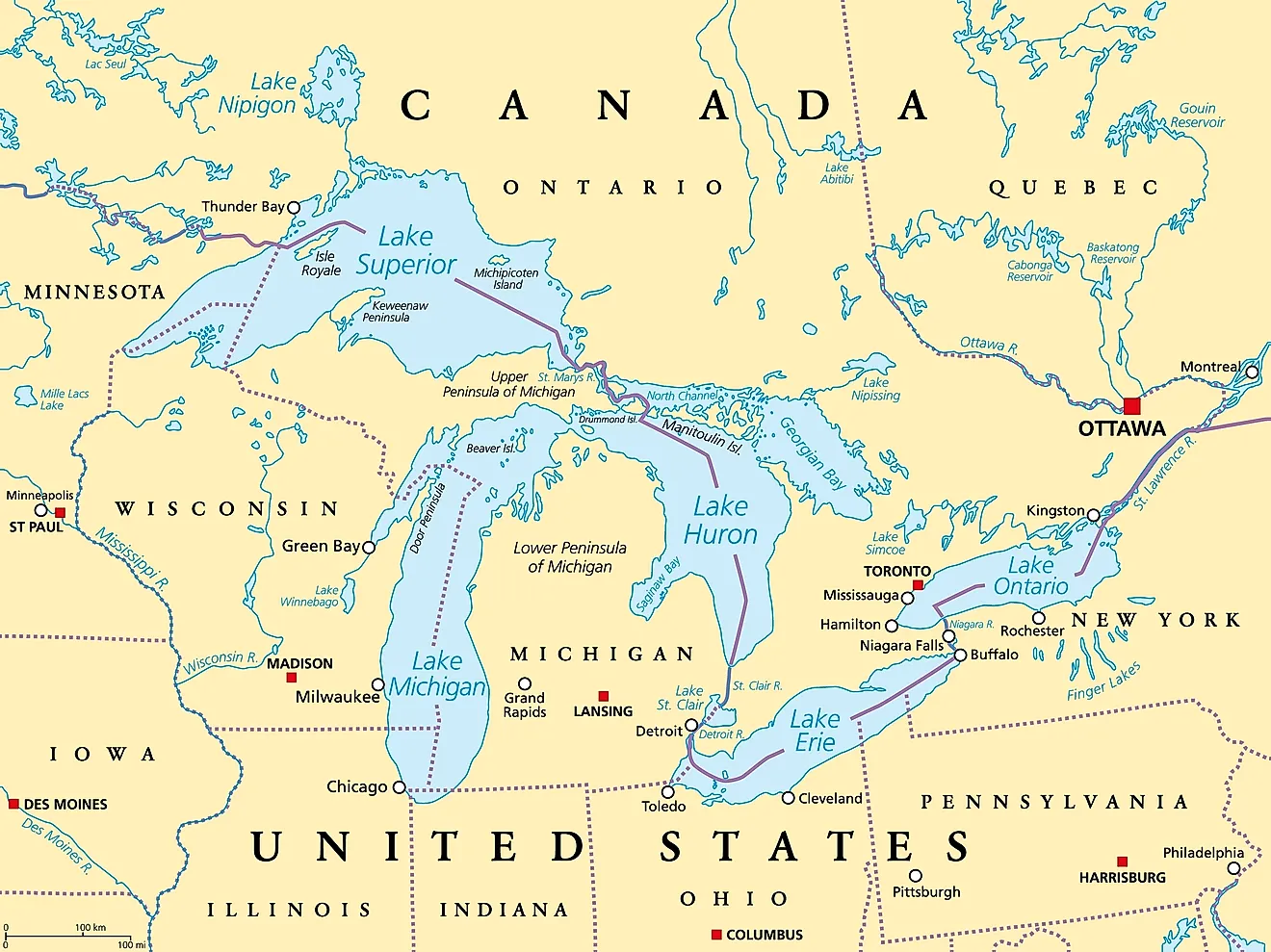
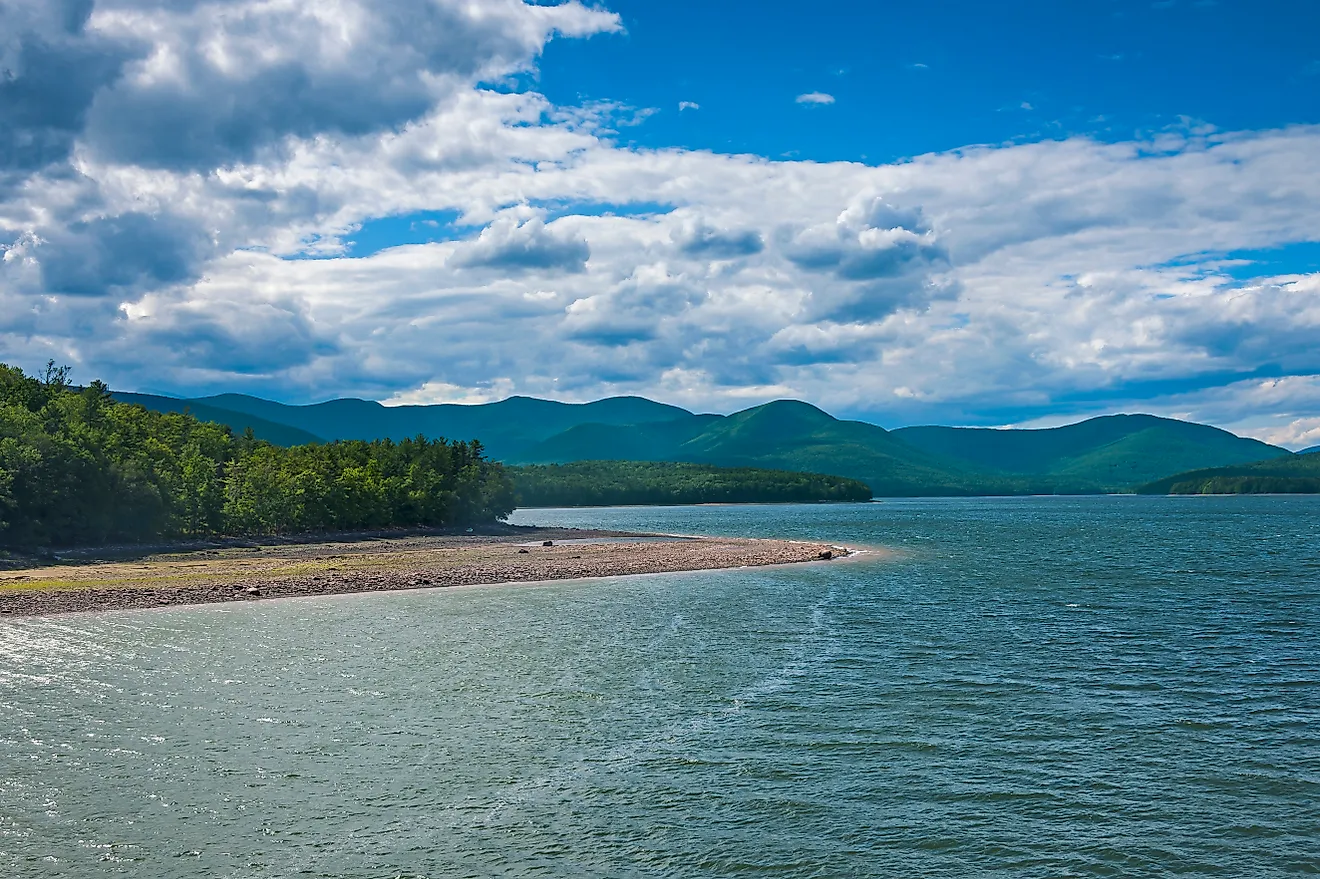
The water above the Whiskey Island salt mine is 56 feet deep. The mine is 1,800 feet below that, which means the rock between the lakebed and the miners is more than thirty times thicker than the lake itself. Cargill's operation runs under 16 square miles of Lake Erie, extends four miles north of the Cleveland lakefront, and pulls out about 12,000 tons of road salt a day. The entrance is on an industrial spit beside downtown.
The Numbers Are Difficult To Picture

Start with the depth, because everything else follows from it.
The shaft drops through limestone to about 1,793 feet, or 549 meters, before the workings expand horizontally beneath the lake. The elevator takes four minutes and reaches a top speed of 500 feet per minute.
Four minutes in a cage is a long time. For roughly 250 miners it is the commute.
The Salt Is 440 Million Years Old

What they are digging through was deposited before anything with a backbone lived on land.
The mine works the F1 unit of the Salina Formation, a salt bed more than 70 feet thick in this area, left behind when an ancient inland sea dried up. The salt is dated to around 440 million years ago.
Lake Erie is about 12,000 years old. The salt beneath it predates the lake by a factor of roughly 36,000.
Sixteen Square Miles Of Tunnel

The scale underground is not obvious from a city that sits directly above part of it.
The workings cover about 16 square miles beneath the lake, with the primary tunnel running four miles north from the lakefront. Twelve miles of conveyor belts move salt and rock out of the system.
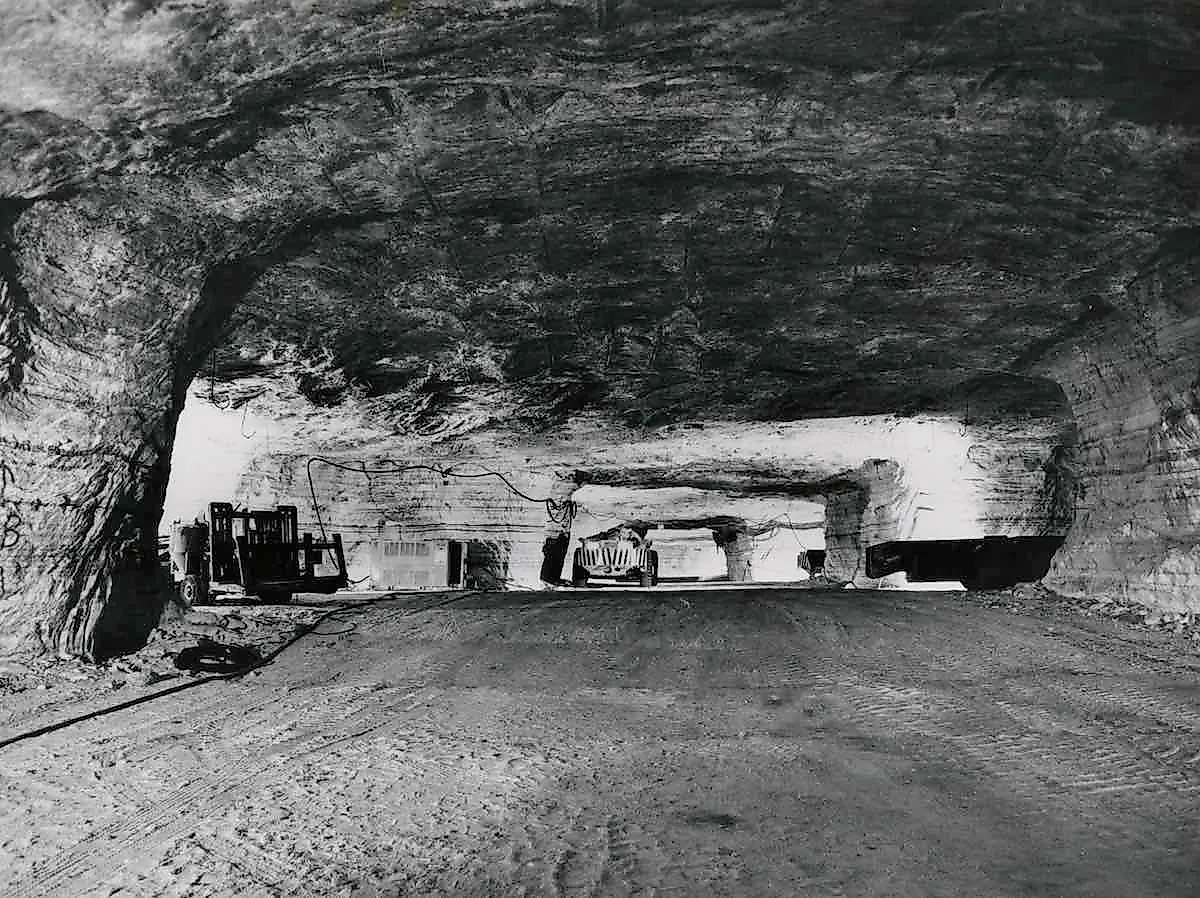
Inside it is a maze of roughly rectangular caverns with chalky white walls, lit only by headlamps and vehicle lights, with small ATVs carrying miners between faces.
They Leave Pillars Of Salt Behind

The method is the same one used in most bedded deposits and it is visible everywhere in the mine.
Salt is extracted by drilling and blasting, with pillars of salt deliberately left in place to support the roof. Relief holes are drilled into each face before a blast.
So the thing holding up Lake Erie is more salt. The mine removes what it can and leaves a grid of columns standing.
It Is Seventy Degrees Down There

The working conditions are more comfortable than the surface for much of the year.
The temperature inside holds around 70 degrees Fahrenheit year-round, regardless of what Cleveland is doing. One visitor leaving in a spring wind off the lake described wanting to go back down.
It is also bone dry, which is why a salt deposit survives underneath a lake rather than dissolving into it.
Twelve Thousand Tons A Day

Output is substantial even measured against other mines.
The mine averages about 12,000 short tons of rock salt a day and produces 3 to 4 million tons a year, making it one of the largest salt mines in the world. Nearly all of it goes to snow and ice control.
Even that can fall short. In harsh winters municipalities exhaust supplies that normally last into spring, and Cargill prioritizes shipments to the areas of greatest need.
Machinery Goes Down In Pieces

A detail of deep mining that applies here and is easy to overlook.
Heavy machinery is lowered down the shaft in sections and reassembled underground, because nothing that size fits in a hoist cage intact.
Equipment that goes down generally stays down. A mine of this depth accumulates its own permanent fleet.
A Salt Mine In A Downtown

The location is unusual enough that mine management says so directly.
Access is from Whiskey Island, an industrial area on the lakeshore immediately beside downtown Cleveland. A former mine manager noted it is unusual for a salt mine to sit in an urban area, though it keeps supply close to the business.
Most people in the city above have no idea the workings extend under the water they are looking at.
There Is A Second One Nearby

Whiskey Island is not the only mine working under this lake.
Morton operates the Fairport Harbor mine, also beneath Lake Erie, about 30 miles east of Whiskey Island. Detroit has its own salt mine at 1,200 feet, spreading over 1,500 acres with more than 100 miles of underground roads.
The Great Lakes region sits on a salt basin that several operations tap from different points.
Decades Of Reserves Remain

The mine opened in the 1960s and shows no sign of running out.
Cargill acquired it in 1997 and launched a 13.8 million dollar expansion that extended the workings roughly three miles further under the lake. Maintenance staff say decades of reserves remain.
Operations run continuously, with downtime used for upkeep rather than pauses in production.
The Short Version

Cargill's Whiskey Island mine sits 1,800 feet beneath Lake Erie, spreads across 16 square miles of workings reaching four miles out from the Cleveland shore, holds a steady 70 degrees, and produces 3 to 4 million tons of road salt a year from a bed laid down 440 million years ago.
The water overhead is 56 feet deep. Everything else between the miners and the lake is rock, and the roof is held up by pillars of the same salt they are selling.