The US Rivers With The Highest PFAS Levels
Once these chemicals are in the water, and in the people who drink it, they stay, and researchers have tied the most common kinds to cancer, immune problems, and harm to developing babies. Known as “forever chemicals,” or PFAS, they turned up at elevated levels in six American rivers, each running past the towns that depend on it, the highest reading of all on a river outside Sumter, South Carolina. The samples came from the rivers themselves, not from anyone’s tap, so they do not show what is pouring out of the faucet. They show how close the contamination is getting.
Pocotaligo River, South Carolina

Total PFAS reached about 228 parts per trillion below Sumter's wastewater plant, roughly twice the upstream reading. The East Branch carries that discharge toward the Black River through waters used by local fishers and bordered by private land. Waterkeeper Alliance identified the outfall as a likely significant source.
South Carolina has found PFAS in Pocotaligo fish but has not issued PFAS-specific meal limits. The river's existing mercury advisory already tells people not to eat several predatory fish, including largemouth bass. In April 2026, conservation groups sent Sumter and several industrial facilities a notice of intent to sue, alleging illegal PFAS discharges. The notice also alleges that PFAS has contaminated sewage sludge the city sells as fertilizer. A pollution fight that began at a wastewater pipe now extends to locally caught fish and land treated with that sludge.
Haw River, North Carolina

The Haw is a drinking-water river. Its watershed supplies nearly one million people across North Carolina's Piedmont, including communities around Burlington and Cary. It eventually enters Jordan Lake, a major boating and fishing water for the Triangle.
Below Graham's wastewater plant, total PFAS rose from about 78 parts per trillion upstream to 145. That increase enters the same river system used by drinking-water utilities farther downstream, although it is not a household tap-water result.
Burlington has already shown what stopping industrial releases can do. Investigators identified major PFAS inputs entering the city's sewer system. A legal settlement required Burlington to control them, and Duke researchers later reported steep declines in downstream drinking-water contamination. The Graham discharge enters that same shared watershed. The better answer, Burlington suggests, is keeping PFAS out of the sewer in the first place.
Santa Ana River, California

Southern California deliberately uses the Santa Ana River to refill the groundwater beneath Orange County. River water enters recharge basins and then seeps underground. That basin provides 85 percent of the drinking water used across northern and central Orange County.
Below Riverside's water-quality control plant, total PFAS reached about 125 parts per trillion in August 2024. PFAS was again higher below the plant in November. The sampling cannot show how much of Orange County's broader contamination came from this one facility. More than 100 groundwater wells have already been affected, and the Orange County Water District projects $1.8 billion in PFAS costs over 30 years. For a local water supplier, an affected well can mean buying replacement water or building an expensive new treatment system.
Rouge River, Michigan

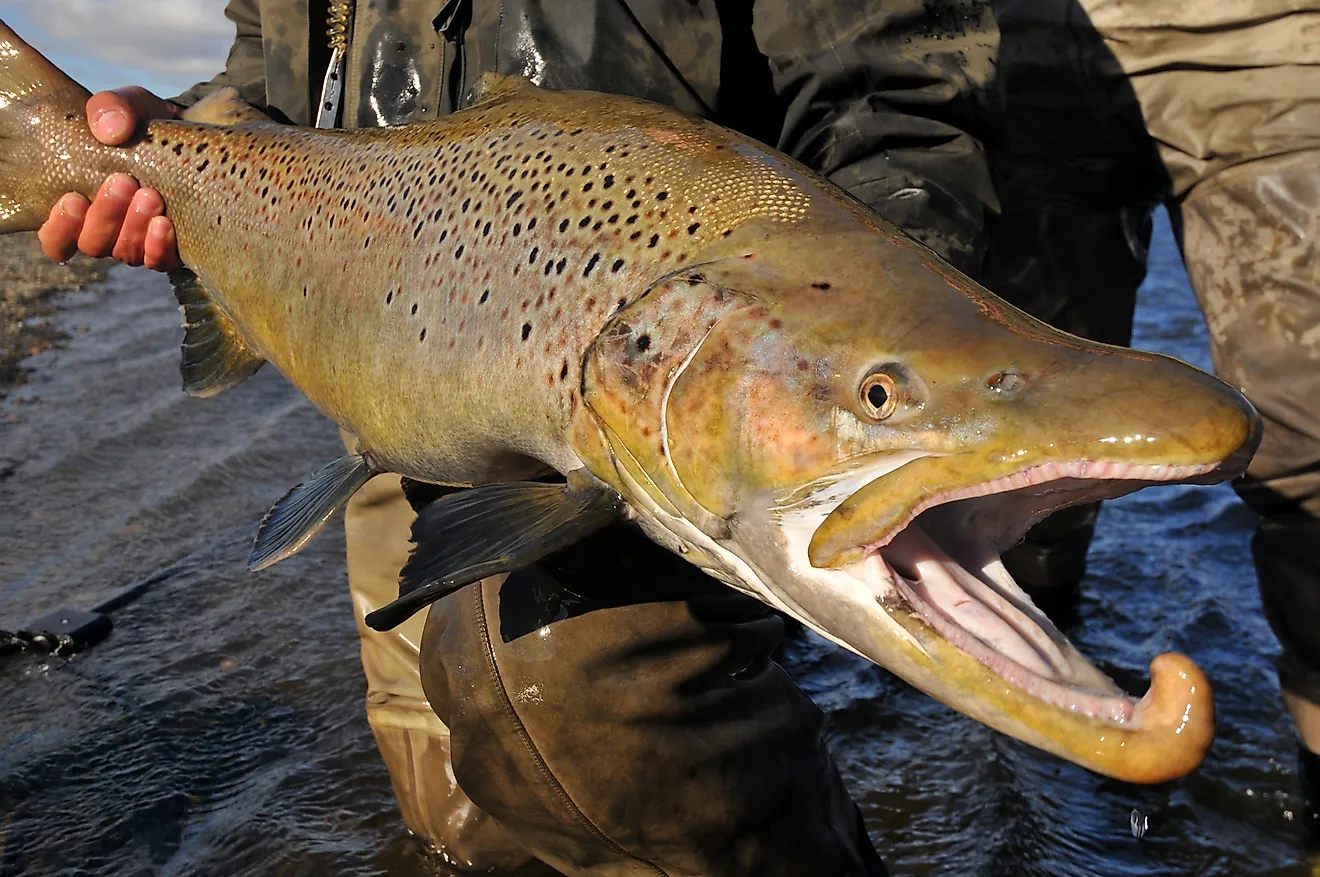
Detroit does not draw its drinking water from the Rouge, but people still eat fish caught there. In 2022, six local anglers collected fish from the Rouge and nearby rivers for a community study. Every fish tested contained at least one measured PFAS. Michigan had already found enough PFOS to change its fish-consumption advice.
The state's 2026 guide says not to eat bluegill from most branches of the Rouge, including the Middle Branch below Nankin Dam. The wastewater readings help explain one way contamination reaches this urban river. Total PFAS measured about 83 parts per trillion below the Great Lakes Water Authority plant, compared with 34 upstream. The plant serves much of metropolitan Detroit and accepts wastewater from hundreds of permitted industrial users. A familiar river fish can be legal to catch and still be unsafe to eat.
Los Angeles River, California

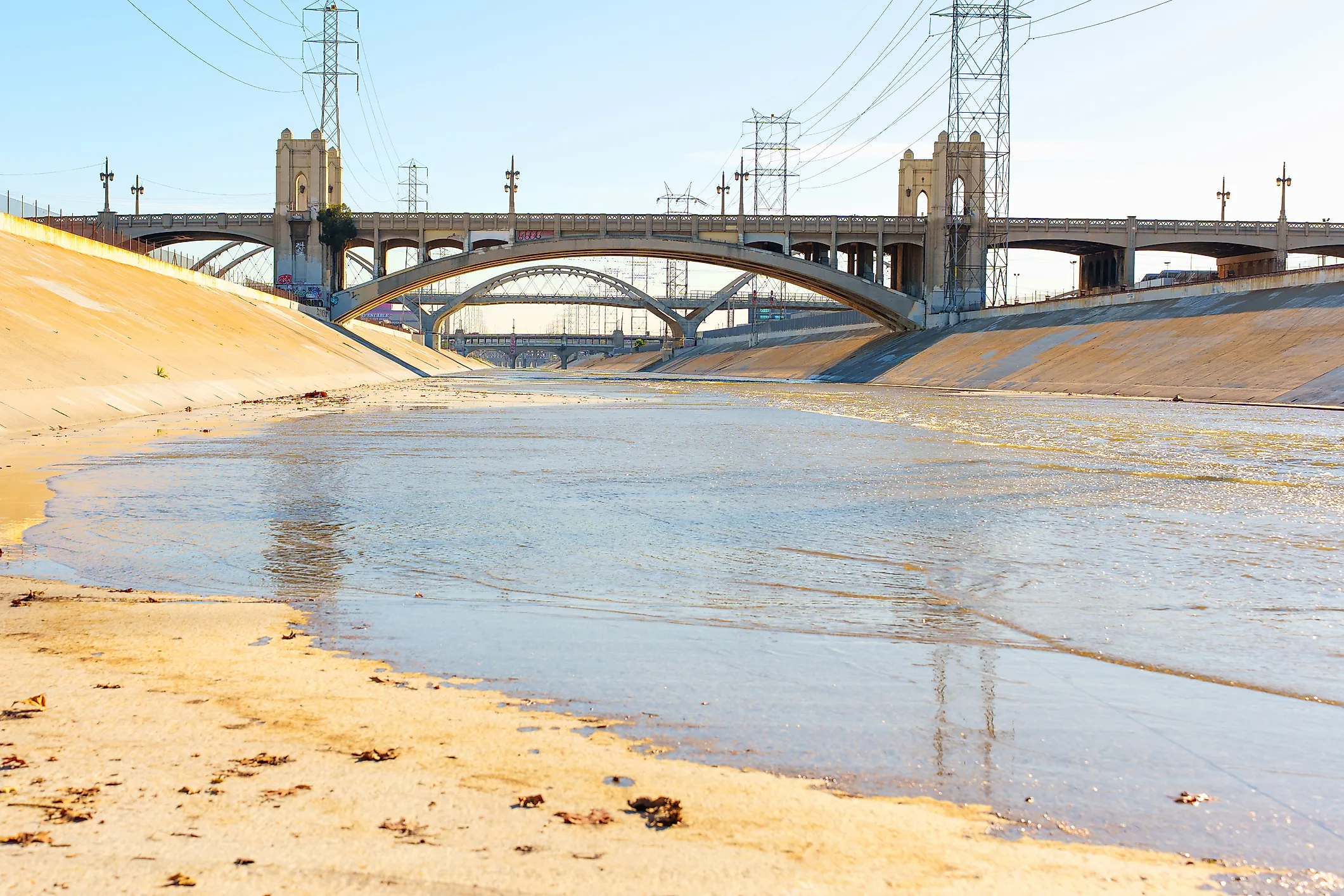
The Los Angeles River is slowly becoming a public place again. Two designated stretches open for kayaking during the warmer months. Fishing is allowed there, but swimming remains prohibited. New paths and parks are also reconnecting nearby neighborhoods with a waterway long treated as a concrete flood channel. Recycled water from the Los Angeles-Glendale plant helps maintain river flow and irrigates public landscapes. Downstream of that plant, total PFAS measured about 76 parts per trillion. Most of it was already in the river upstream, where the reading reached about 70. Five compounds still rose below the outfall, indicating that contamination enters the river in more than one place. Los Angeles is spending decades reopening this waterway while its PFAS sources remain unresolved.
Monocacy River, Maryland

The Monocacy supplied more than a quarter of Frederick's drinking water in 2025. It also passes local parks and the Monocacy National Battlefield before joining the Potomac. The city's drinking-water intake, however, sits upstream of the wastewater outfall tested in this survey.
Near that outfall, total PFAS reached about 60 parts per trillion downstream, more than double the 26 measured above it. The contamination therefore enters the lower river after Frederick has taken out its share for drinking water.
Below the pipe, PFAS continues toward the Potomac while fish and other river life encounter it along the way. People also use the lower river for recreation. Reducing PFAS at the wastewater plant would protect that shared stretch of water and whatever lives in it.
PFAS reaches people through rivers long before it appears as a treatment bill or fish advisory. Downstream utilities may have to remove chemicals that pass through wastewater plants, while anglers can lose species they once brought home. The Haw River also shows that stopping pollution at its source can work. After Burlington brought major industrial inputs to its sewer system under a legal settlement, PFAS contamination in downstream drinking water fell sharply. That points to a better response than piling every cost onto the next town along the river. Stopping PFAS before discharge leaves less for water systems to remove and less for fish to accumulate. It also protects families without asking them to judge contamination by sight, because PFAS gives the water no visible warning.