The US Lakes With The Highest Mercury Levels
A bass pulled from Wildcat Lake in Florida's Ocala National Forest looks like any other healthy fish, but its flesh carried more mercury than fish from any other named lake in the EPA's recent survey of 413 lakes. Navajo Reservoir on the New Mexico-Colorado border tied that result, and Lake Pillsbury in California came in just behind.
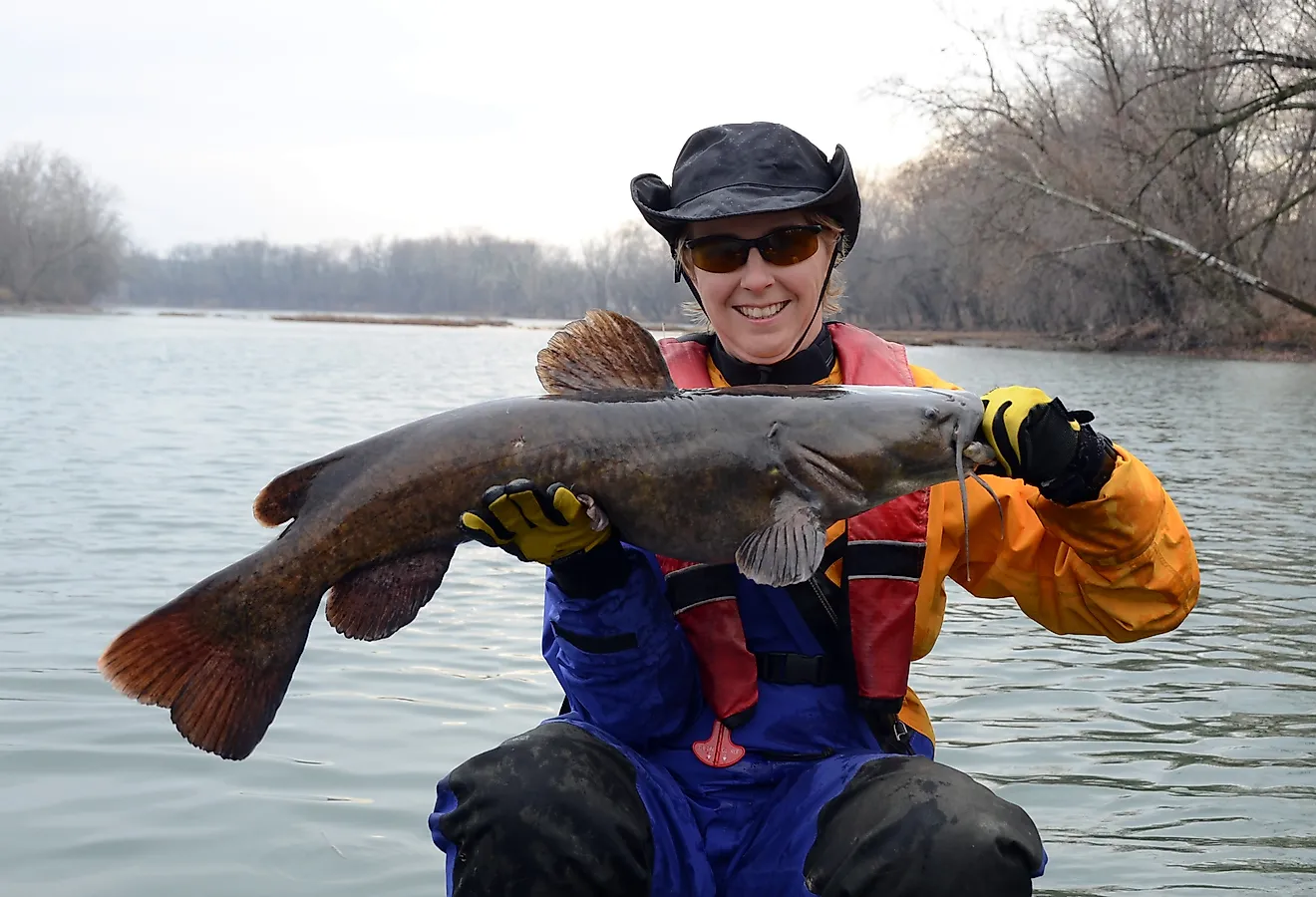
Mercury does not close a lake. People still swim, boat, camp, and fish at every water on this list. The problem starts when a fish goes home for dinner, because the levels found in these lakes came from large predators such as bass, and state health departments now tell anglers to limit or avoid eating them. Knowing which species to keep and which to release is what protects a family, not how clean the water looks.
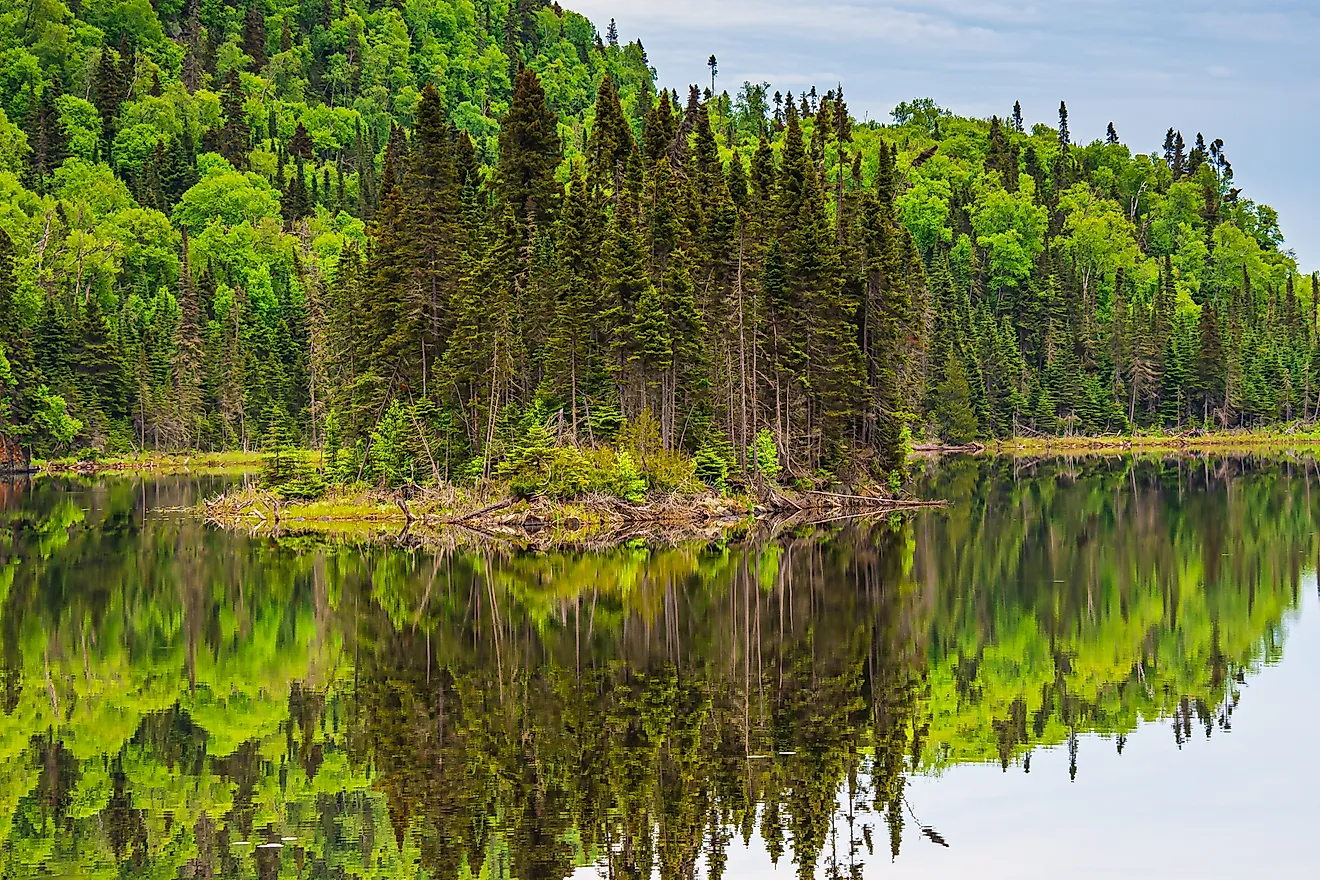
Wildcat Lake, Florida: The Bass Must Go Back

Every black bass caught at Wildcat Lake must be released immediately. The rule applies at this 335-acre day-use lake about a mile east of the State Road 40 and State Road 19 junction in Ocala National Forest. The water is easy to reach, with a public ramp and a wooded picnic area.
The release requirement also prevents anglers from legally keeping the species covered by Wildcat Lake's strongest consumption warning. Fillets from five largemouth bass were analyzed together in one sample, which registered 1.51 ppm. Florida advises women of childbearing age and young children not to eat the lake's largemouth bass. Other adults are limited to one meal per month.
Bluegill come with far looser meal limits. Women of childbearing age and young children may eat one meal per week, while other adults may eat two. Warmouth fall in between, at one meal per month for the sensitive group and one per week for everyone else. The bass must return to the water, but a bluegill catch can still become a regular local meal.
Navajo Reservoir, New Mexico: The Catch Changes The Advice

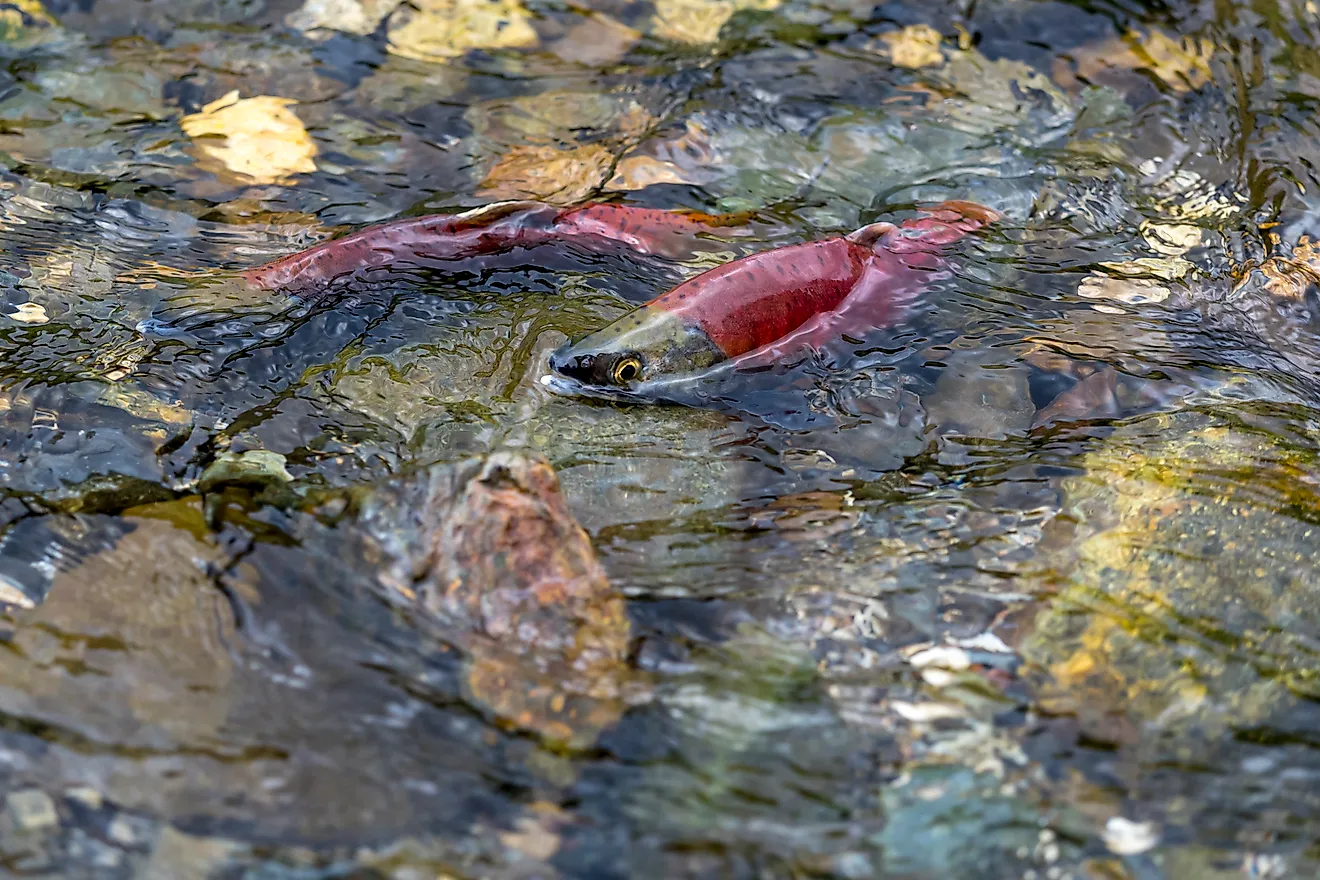
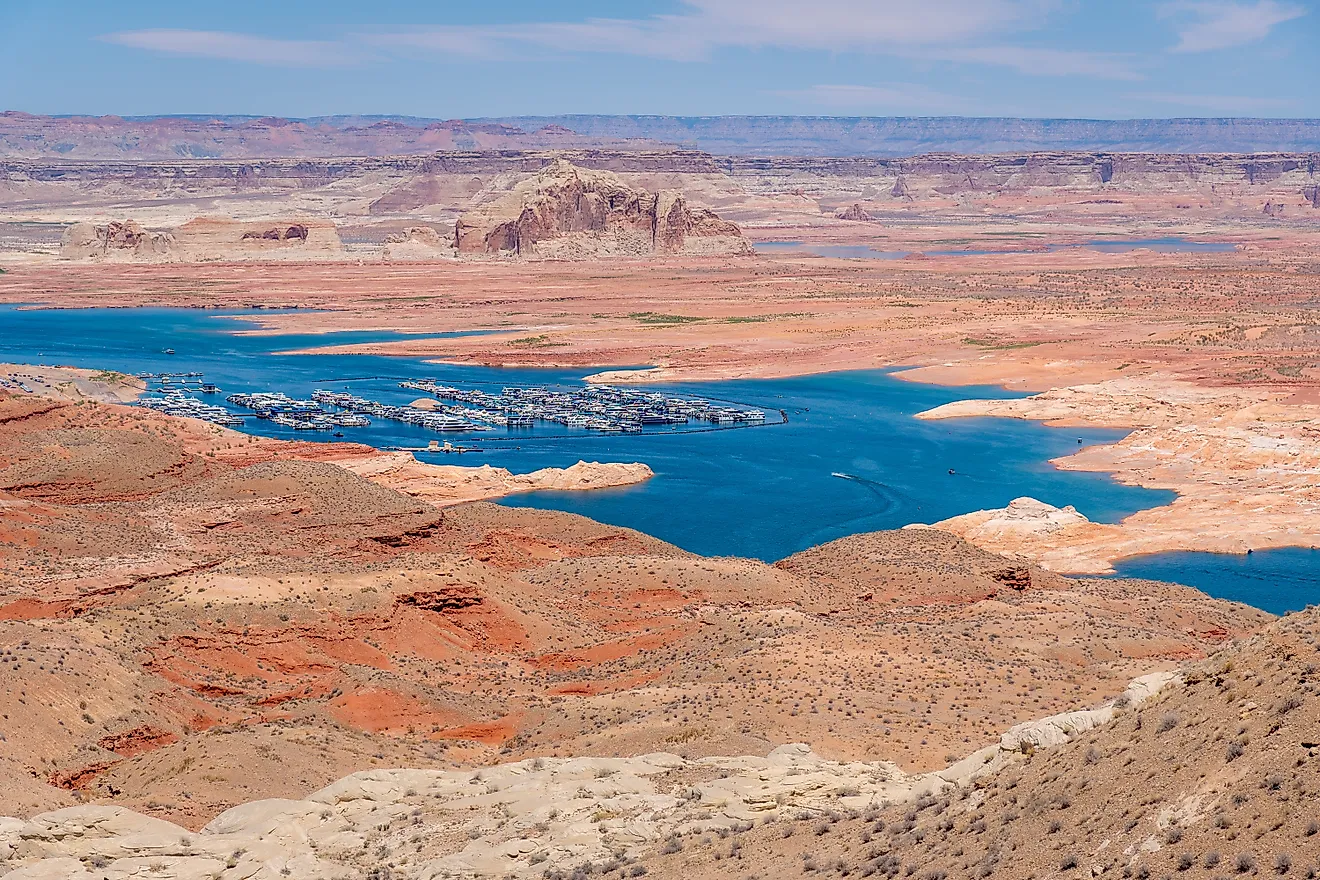
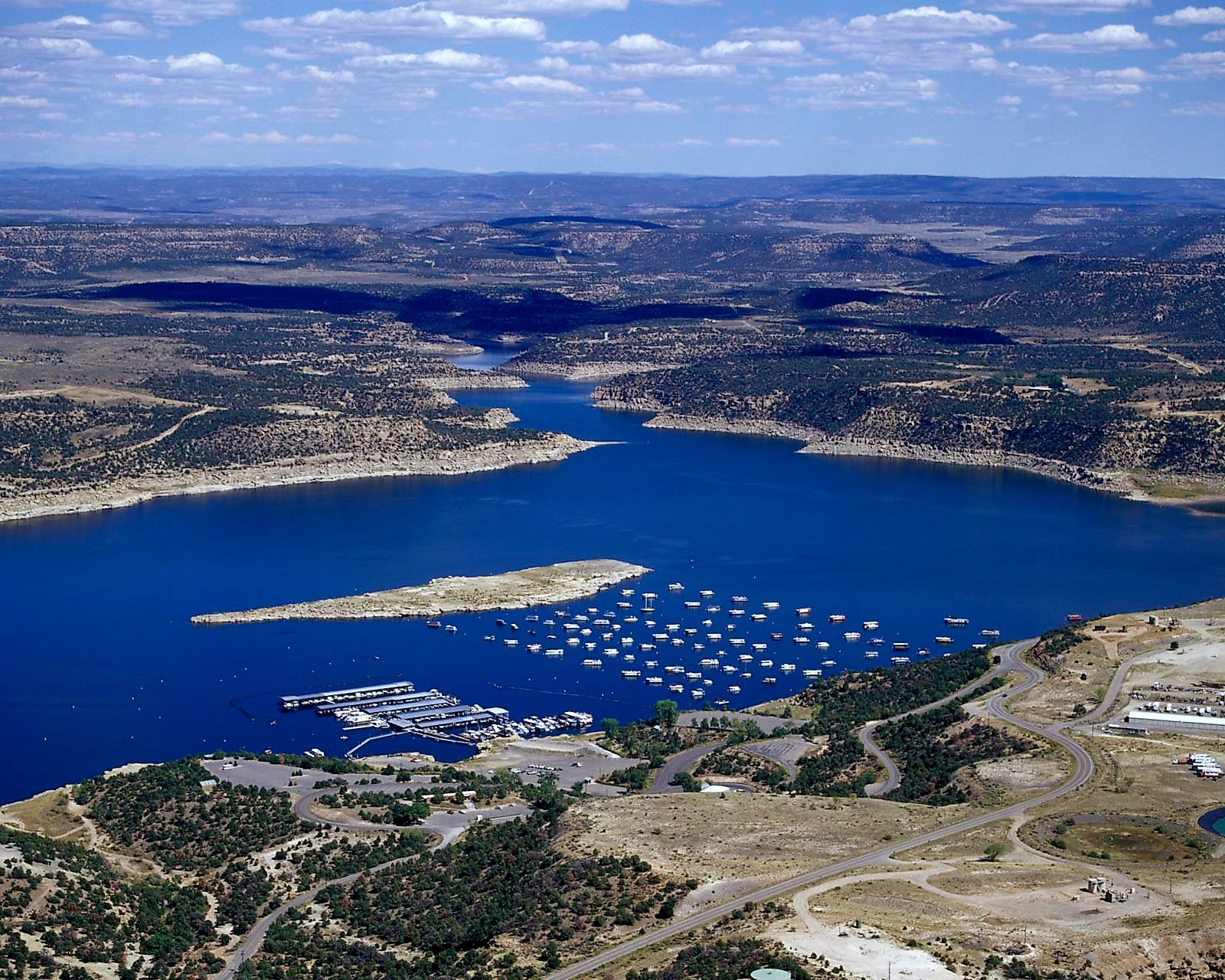
Navajo Reservoir runs roughly 35 miles along the San Juan River and crosses the New Mexico-Colorado border. The state park on the New Mexico side has campgrounds and two marinas, and the reservoir is a boating and fishing destination for the wider Four Corners region. On the New Mexico side, two smallmouth bass were analyzed together and registered 1.51 ppm of mercury. That single combined result does not reveal either fish's individual concentration. New Mexico limits meals of smallmouth bass, northern pike, channel catfish, and bluegill according to species and size. Kokanee salmon carry no meal restriction. The state also makes an important distinction for everyone using the reservoir: fish advisories concern eating the catch, not boating, swimming, or handling fish. The practical dividing line is the cooler, not the shoreline.
Lake Pillsbury, California: Bass Are Off The Menu

California advises everyone not to eat black bass or Sacramento pikeminnow from Lake Pillsbury. The reservoir covers about 2,280 acres in northeastern Lake County and is the largest lake in Mendocino National Forest. Five largemouth bass fillets tested together registered 1.50 ppm of mercury.
The standing mercury advisory normally permits rainbow trout meals. Women ages 18 to 49 and children may eat one serving per week, while older women and adult men may eat three. Sunfish are also off the menu for women ages 18 to 49 and children, while older women and men may eat one serving per week. A separate harmful-algal-bloom Danger advisory, recommended by the State Water Resources Control Board at the start of September 2026 with no end date, currently overrides those limits. It tells visitors to stay out of the water and not eat any fish or shellfish until further notice. Anyone heading to Lake Pillsbury should therefore check whether that temporary advisory remains active before entering the water or keeping a catch.
Terry Lake, Indiana: A 21-Inch Bass Carried The Warning

Terry Lake is a public fishing water just east of Hamilton in northeastern Indiana. One 21.4-inch largemouth bass caught there contained 1.02 ppm of total mercury in its fillet. A single fish cannot represent every bass in the lake, but the result shows what can occur in a large predator. Four unnamed lakes in South Dakota and Oklahoma tested higher than Terry Lake in the same survey, but the EPA lists them without names. Indiana warns that mercury deposited from the air can build up to harmful levels in older fish anywhere in the state. Bass consume smaller animals that have already taken in mercury, concentrating it higher in the food web over time. For someone fishing a familiar local lake, there is no visible sign in clear water or a healthy-looking catch of what the flesh contains. Indiana therefore directs anglers to its current consumption guidance when deciding whether to eat a large bass.
Camp Far West Reservoir, California: Gold Rush Mercury Reaches The Fish

Camp Far West lies in the oak foothills about eight miles east of Wheatland. The Bear River reservoir covers 2,002 surface acres with 29 miles of shoreline, has campgrounds on both its north and south shores, and supports boating, swimming, and fishing. Its mercury problem began upstream, in land worked during and after the California Gold Rush.
Miners used mercury to bind and recover fine gold, leaving contaminated sediment across Sierra Nevada watersheds. That legacy remains in the Bear River basin above Camp Far West. In the reservoir's oxygen-poor deep water and shallow sediment, conditions can help transform mercury into methylmercury, the form that builds up through the food web.
The 0.85 ppm reading came from a combined sample of five spotted bass fillets. California tells women ages 18 to 49 and children not to eat black bass or channel catfish from the reservoir. Older women and adult men may eat one serving per week. Sunfish come with less restrictive advice, so the Gold Rush legacy does not affect every catch in the same way.
Why A Lake Stays Open While The Fish Carry A Warning
A lake can remain open for fishing, camping, and boating while a particular catch still carries strict meal advice. The reason is biological. Methylmercury becomes more concentrated as small organisms are eaten by larger fish. Long-lived predators such as bass and pike can therefore carry some of the highest levels. Children and people who are pregnant or may become pregnant face the strictest guidance because mercury can harm a developing nervous system. A legal-size fish can look perfectly healthy yet remain a poor choice to eat. Trout, salmon, or sunfish from the same water may have much looser limits, although temporary health alerts can override the usual guidance. Local advisories supply the information the water and the fish cannot show.