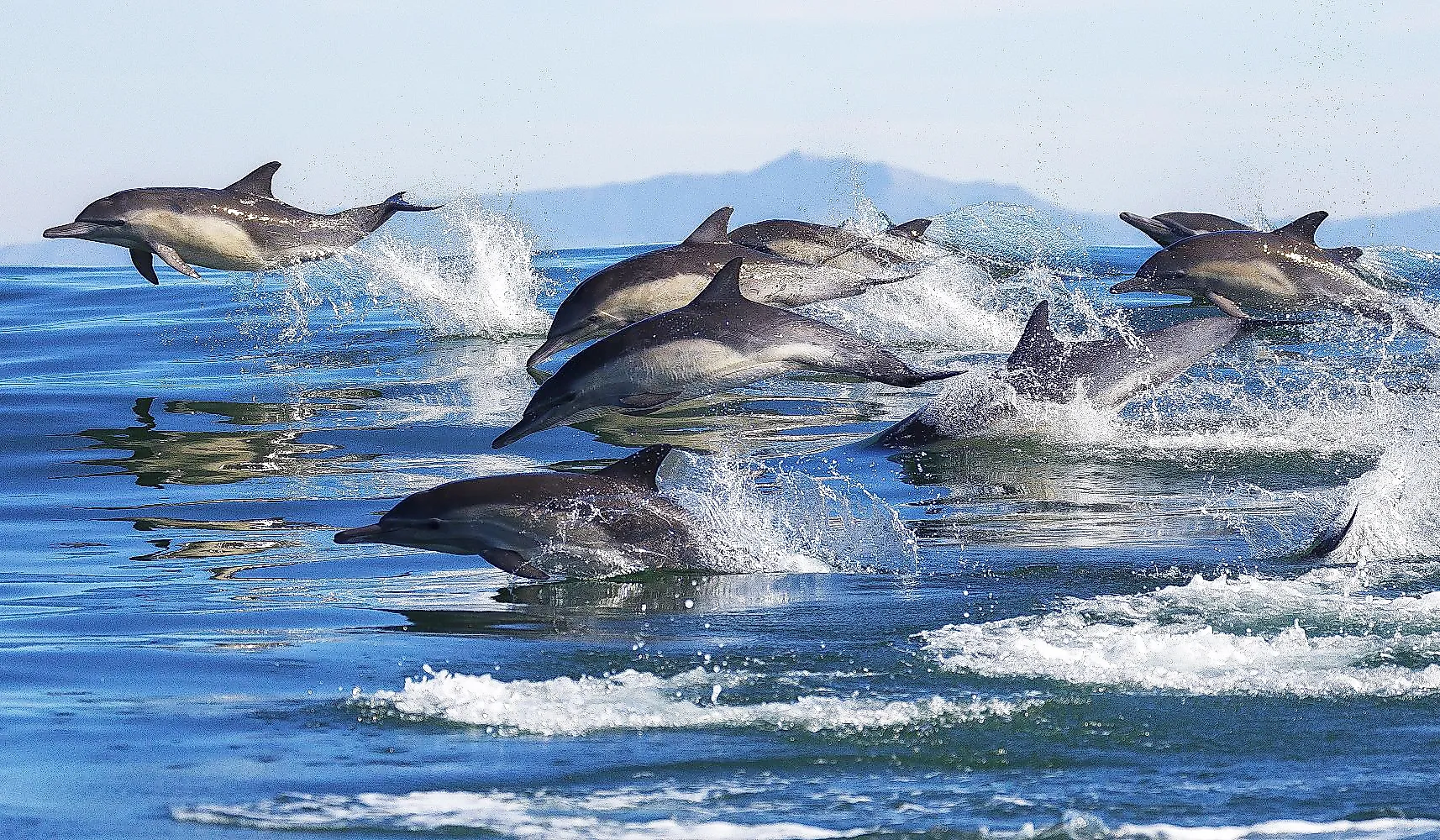
The American Waters With The Most Sea Life
The Florida Keys are home to North America's only coral barrier reef. Over 15,000 species of marine life inhabit the Gulf of Mexico. Monterey Bay is home to everything from microscopic zooplankton to blue whales. Hawaii’s warm tropical waters are home to marine life found nowhere else in the world. Alaska’s cold coastal waters support everything from the giant Pacific octopus to the humpback whale.
Between the coral reefs of Florida and icy Alaskan fjords, American waters are home to a variety of sea life, some of which is found nowhere else in the world.
Florida Keys

The Florida Keys are home to the only coral barrier reef in the continental United States. Florida’s Coral Reef extends over 350 miles from the Dry Tortugas to the St. Lucie Inlet, forming the third-largest barrier reef in the world. It is influenced by waters from the Gulf of Mexico, the Atlantic Ocean, and the Caribbean. It is composed of over 40 different species of reef-building coral, and is home to over 6,000 species of plants, fish, and invertebrates. The physical structure of coral reefs creates shelter for small fish and invertebrates. The productivity and health of coral reefs are interconnected with other coastal habitats in Southeast Florida, like seagrass beds, beaches, and mangrove forests. Mangrove forests are especially important as their root systems stabilize shorelines, filter pollutants, and provide shelter and foraging opportunities for juvenile reef fish.
Gulf of Mexico

The Gulf of Mexico covers an area of 600,000 square miles, with shorelines in the United States, Mexico, and Cuba. It is home to over 15,000 documented species of sea life. The diversity of the Gulf of Mexico is credited to over 33 major river systems that empty into it, including the Mississippi River. The Mississippi discharges a large plume of nutrient-rich water into the Gulf. Since nearly half of the Gulf consists of shallow coastal shelves, sunlight is able to penetrate the water to the sea floor, helping microscopic plankton thrive, which in turn fuels the entire food chain. Shallow salt marshes where the Gulf meets the land provide nursery habitats for several fish and other animals.
Monterey Bay

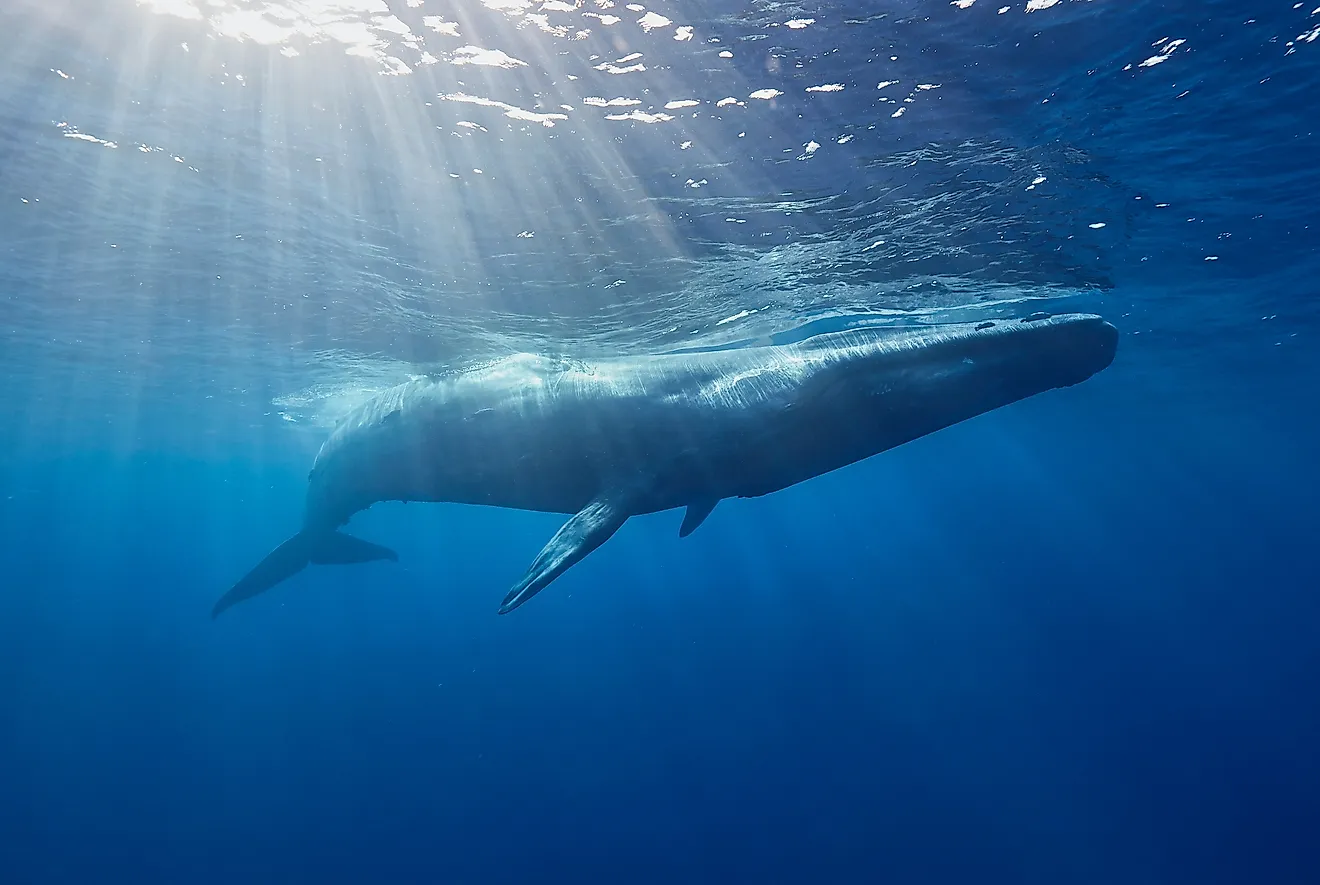
36 species of marine mammals. Over 180 species of seabirds and shorebirds. Over 525 species of fish. This is the reason Monterey Bay is nicknamed the “Serengeti of the Sea”. A large submarine canyon sits below the surface near the shore, rivaling the Grand Canyon in size. Upwelling of cold water from the bottom of the canyon pushes a steady supply of nutrients to the surface for plankton and copepods, which are then eaten by squid and schooling fish like sardines and mackerel. Larger mammals, like blue whales, migrate to Monterey Bay in the summer to feed on dense concentrations of krill that gather along the submarine canyon edge. Other than stable food supplies, Monterey Bay’s moderate tides create optimal habitat for animals that live on rocky shores and sandy seafloors. Additionally, Monterey Bay’s location at the halfway point between Alaska and Mexico, mixing cooler water from the north and warmer waters from the south, creates an average temperature between 49 and 55 degrees Fahrenheit that accommodates so much marine life.
Hawaiian Islands

The Hawaiian Islands are one of the most isolated chains of islands on Earth. The isolation of the islands has allowed many species to evolve that exist nowhere else in the world. Of the roughly 450 species of reef fish, 23 percent are unique to Hawaii. Approximately 20 percent of Hawaii’s marine species are endemic to only the islands. More than 60 percent of U.S. coral reefs are found in the extended Hawaiian Island chain, while the main Hawaiian Islands alone contain more than 140,000 acres of coral reef habitat. The shallow-water reef ecosystems within Papahānaumokuākea National Marine Monument support over 7,000 species of fish, invertebrates, plants, sea turtles, birds, and marine mammals.
Gulf of Alaska

Meltwater from glaciers at Kenai Fjords National Park provides the Gulf of Alaska with trace metal micronutrients that are essential for phytoplankton growth to sustain the greater marine food web. Additional nutrient contributions come from volcanic ash, inflow from rivers, and turbulent offshore weather stirring up the seafloor. All these factors occur, so that when spring and summer bring increased sunlight, the Gulf of Alaska is already primed for aquatic plants and phytoplankton for other sea life to feed on. Humpback whales are especially common in the summer, when they feed on small fish and krill.
Bering Sea

Like the Gulf of Alaska, the Bering Sea’s biological productivity is driven by the seasonal differences in sunlight exposure and availability of nutrients. Winter storms raise nutrients from the sea floor while long summer days promote phytoplankton growth. This combination allows for a diverse food web that supports 450 species of fish and invertebrates like the giant Pacific octopus, 25 marine mammals, like Pacific white-sided dolphins, and 50 species of seabirds, including the world’s entire breeding population of red-legged kittiwakes. Each summer, between 40 and 50 million birds are drawn to the sea to take advantage of the food availability. Larger mammals like humpback whales feed in Unalaska Bay in July and August.
America’s Most Diverse Waters
Pacific Ocean, Atlantic Ocean. Warm waters, cold waters. Although these waters are off different coasts of America, the most common traits that many of them share are coral reefs and climates that support marine life and high nutrient densities that sustain food webs. Whether it is reef fish finding shelter in the coral or humpback whales feeding on krill, these ecosystems show that some of the most diverse wildlife habitats in the United States are found beneath the surface.