What Happens To Lake Mohave If Lake Mead Hits Dead Pool
Everyone frets about Lake Mead hitting "dead pool," the grim point where water can no longer pass through Hoover Dam. But here is a question almost nobody asks: what happens to the reservoir directly downstream? Lake Mohave sits just below Hoover Dam and drinks almost entirely from Lake Mead's releases. If those releases ever stop, Mohave is the very next lake in the firing line. Here is exactly what would happen to it.
Lake Mohave Lives Off Lake Mead

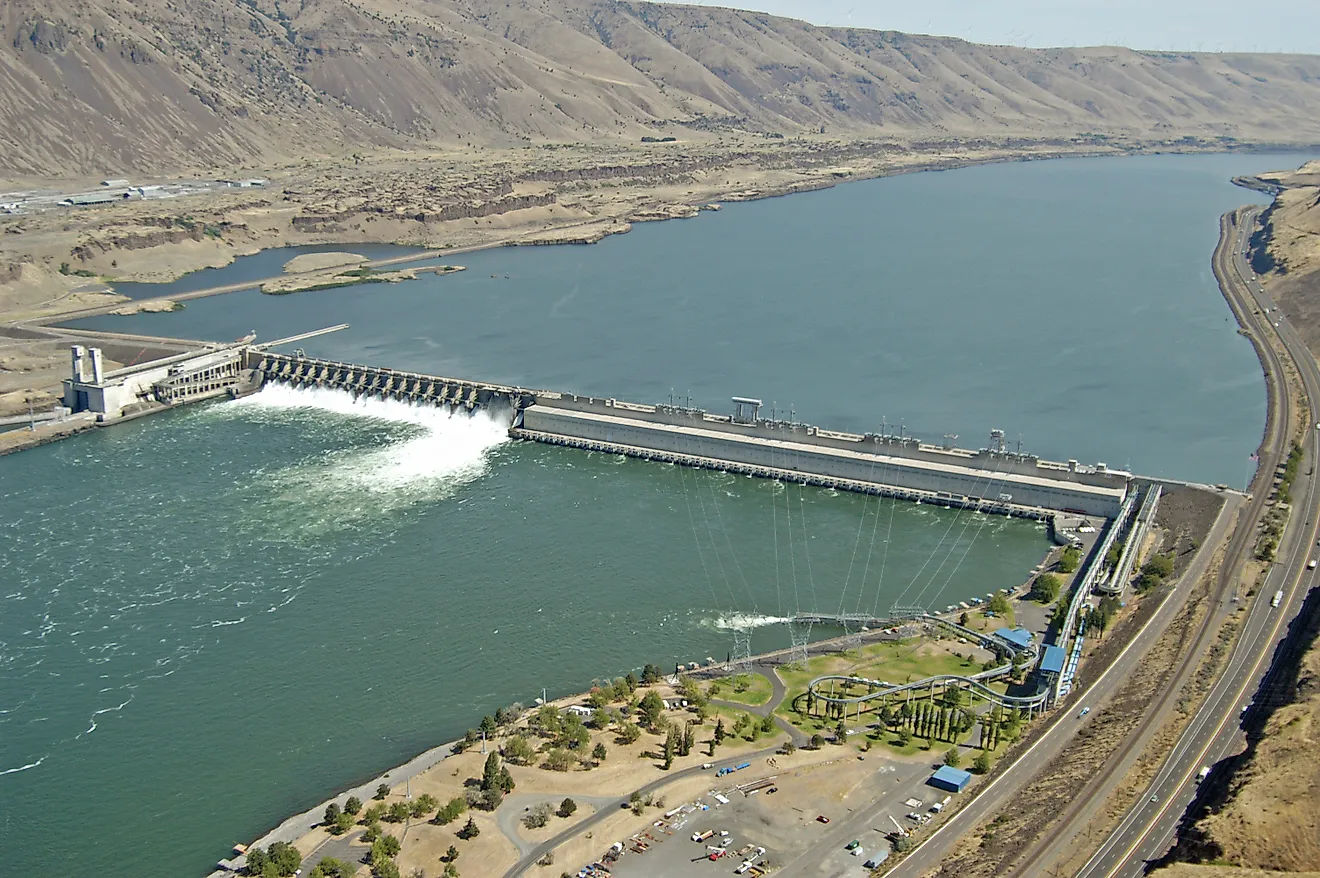
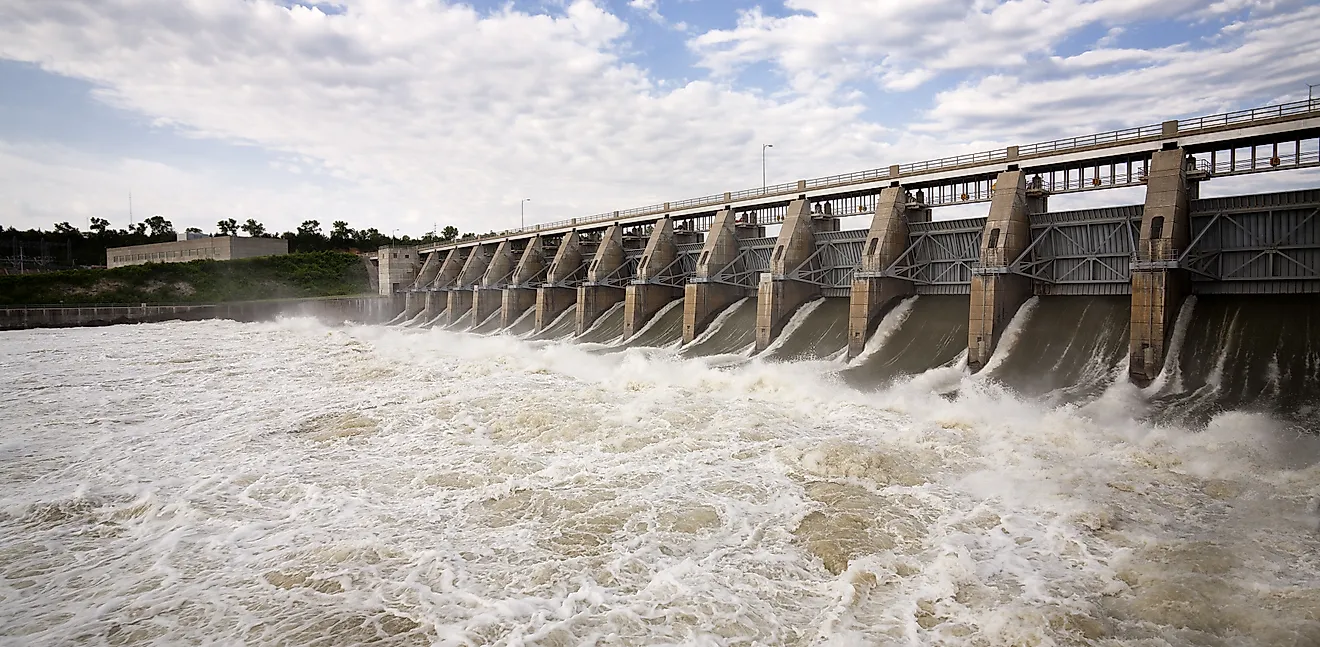
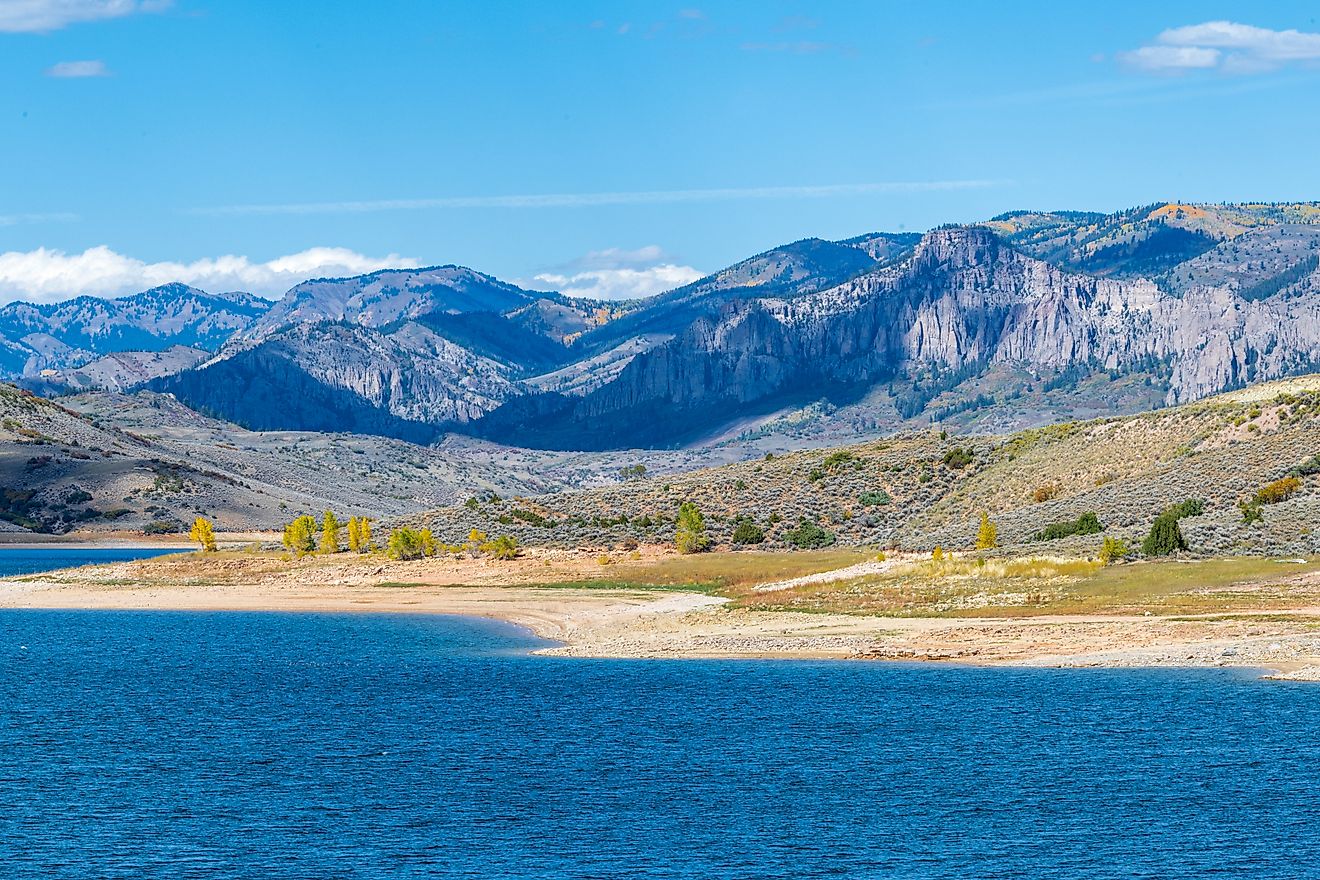
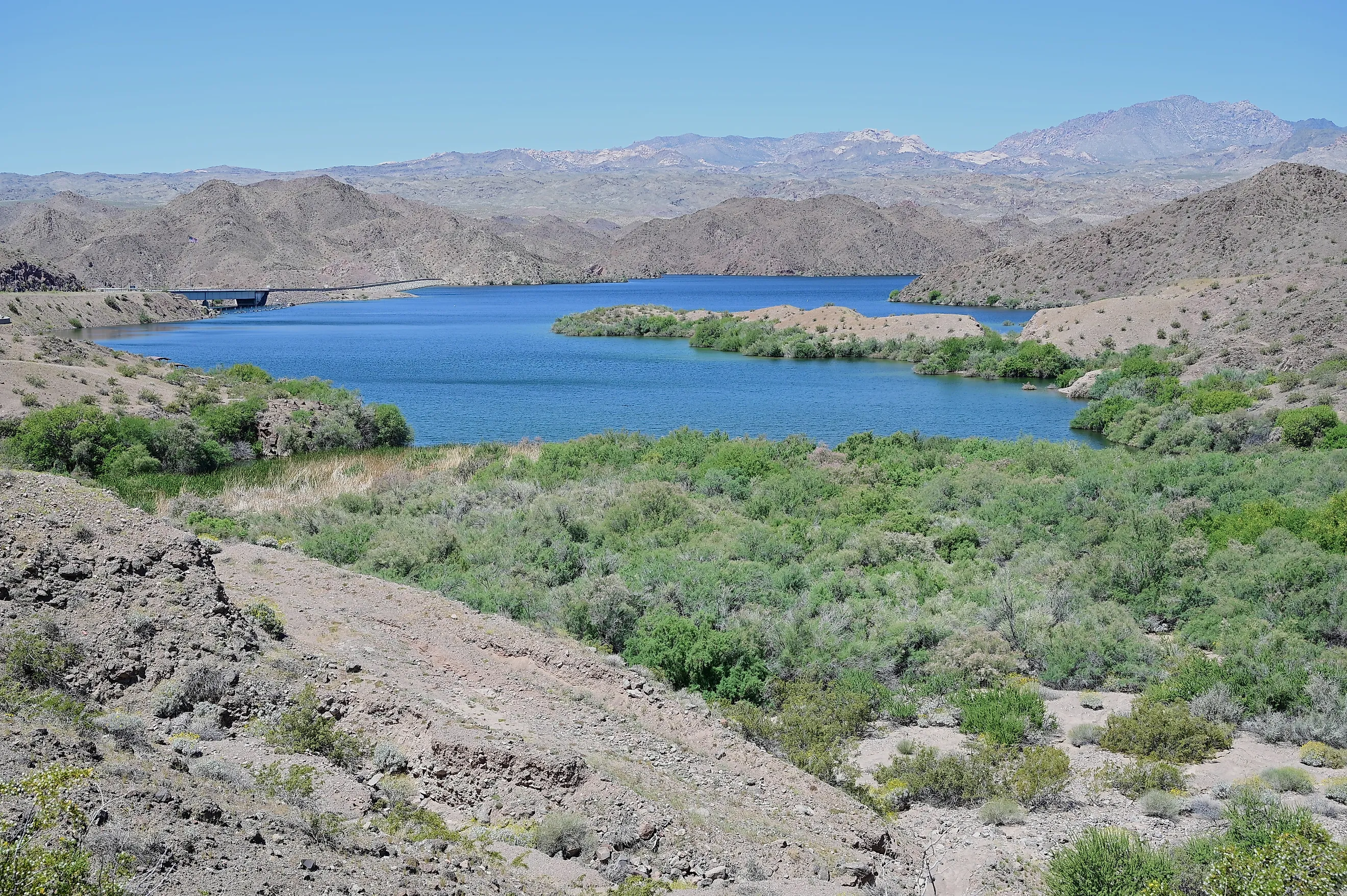
Lake Mohave is the reservoir immediately below Hoover Dam, formed by Davis Dam about 67 miles downstream and straddling the Arizona-Nevada line. Together with Lake Mead, it makes up the Lake Mead National Recreation Area, drawing boaters and anglers to marinas like Cottonwood Cove and Katherine Landing. But here is the crucial fact: Lake Mohave has almost no water source of its own. It is filled, essentially drop for drop, by the water Hoover Dam releases out of Lake Mead. Davis Dam simply catches that water, re-regulates it, and passes it along downstream. In effect, Mohave is Lake Mead's holding tank.
What Dead Pool Actually Means

"Dead pool" is the point at which a reservoir drops so low that water can no longer flow out through its dam. For Lake Mead, that elevation is 895 feet, the bottom of Hoover Dam's intake towers. Below it, the water that remains is effectively trapped, because gravity simply cannot push it through the dam's outlets. (A separate, higher threshold is minimum power pool, around 950 feet, where Hoover stops generating electricity.) As of 2026, Lake Mead sits at roughly 1,040 feet, near its record low but still more than 140 feet above true dead pool.
Mohave Would Drain to Cover the Gap

So what happens to Mohave if Mead actually hits 895 feet and Hoover goes quiet? At first, not much, and that is exactly the trap. Lake Mohave holds about 1.8 million acre-feet behind Davis Dam, and for a while that stored water could keep flowing downstream to Arizona, California, Nevada, and Mexico even after Hoover stopped. But with nothing refilling it from above, Mohave would steadily drain down as Davis Dam kept on releasing. It would essentially be sacrificed, emptied out to buy the Lower Basin a little extra time, and then it too would run dry. As WorldAtlas has noted, reservoirs like Mohave offer no real protection once Lake Mead can no longer release water. They only delay the reckoning.
The Endangered Fish Lose Their Last Refuge
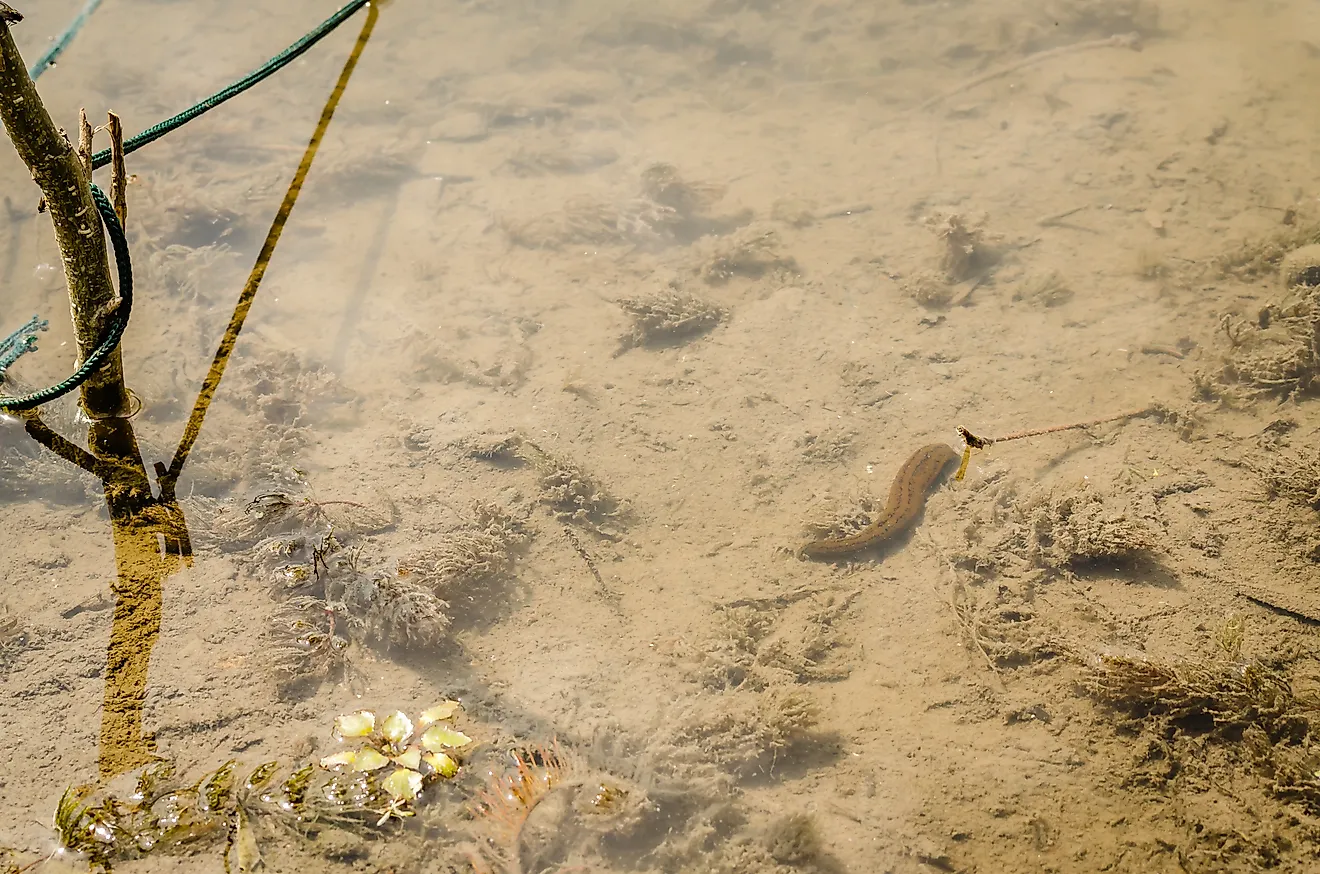
The ecological blow would be brutal. Lake Mohave is the single most important stronghold for the razorback sucker, an endangered native fish, holding the largest wild population left anywhere on Earth. Every spring, teams of biologists net tens of thousands of its tiny larvae from Mohave's shoreline to raise them in safety, a last-ditch effort to keep the species from blinking out entirely. The bonytail chub, another endangered Colorado River native, leans on Mohave too. Drain the lake, and one of the most critical native-fish refuges in the entire Southwest would simply disappear.
The Dominoes Downstream
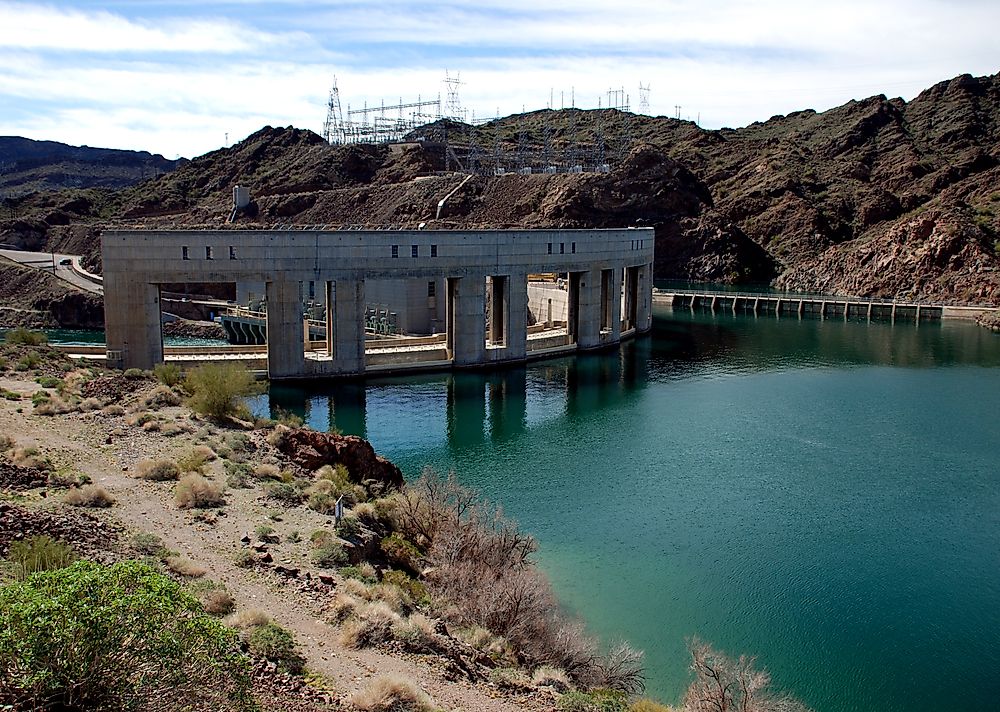
Mohave is only the first domino. Below it sits Lake Havasu, held back by Parker Dam, and Havasu is no ordinary lake. It is the intake point for the Central Arizona Project, which supplies Phoenix and Tucson, and for the aqueduct that carries Colorado River water clear across the desert to Los Angeles and San Diego. Like Mohave, Havasu would drain to cover deliveries and then fail. Davis and Parker dams would lose their hydropower, and the entire lower Colorado, along with Mexico's treaty water, would be left without a reliable source. (One strange exception: Las Vegas built a deep intake that can pump from Lake Mead even below dead pool, so the city that frets the most might actually keep its taps running the longest.)
How Close Are We?

Here is the reassuring part: this is a genuine worst-case scenario, not an imminent one. At roughly 1,040 feet, Lake Mead is still comfortably more than 100 feet above dead pool, and water managers are fighting hard to keep it there, conserving millions of acre-feet and rolling out a new set of operating rules running through 2036 to stave off the nightmare. But Lake Mohave makes the stakes vivid. Dead pool at Mead was never going to be a Lake Mead problem alone. It would cascade straight downstream, and the quiet, overlooked reservoir next in line would be among the very first to pay the price.