The US Lakes Where Leeches Are Worst
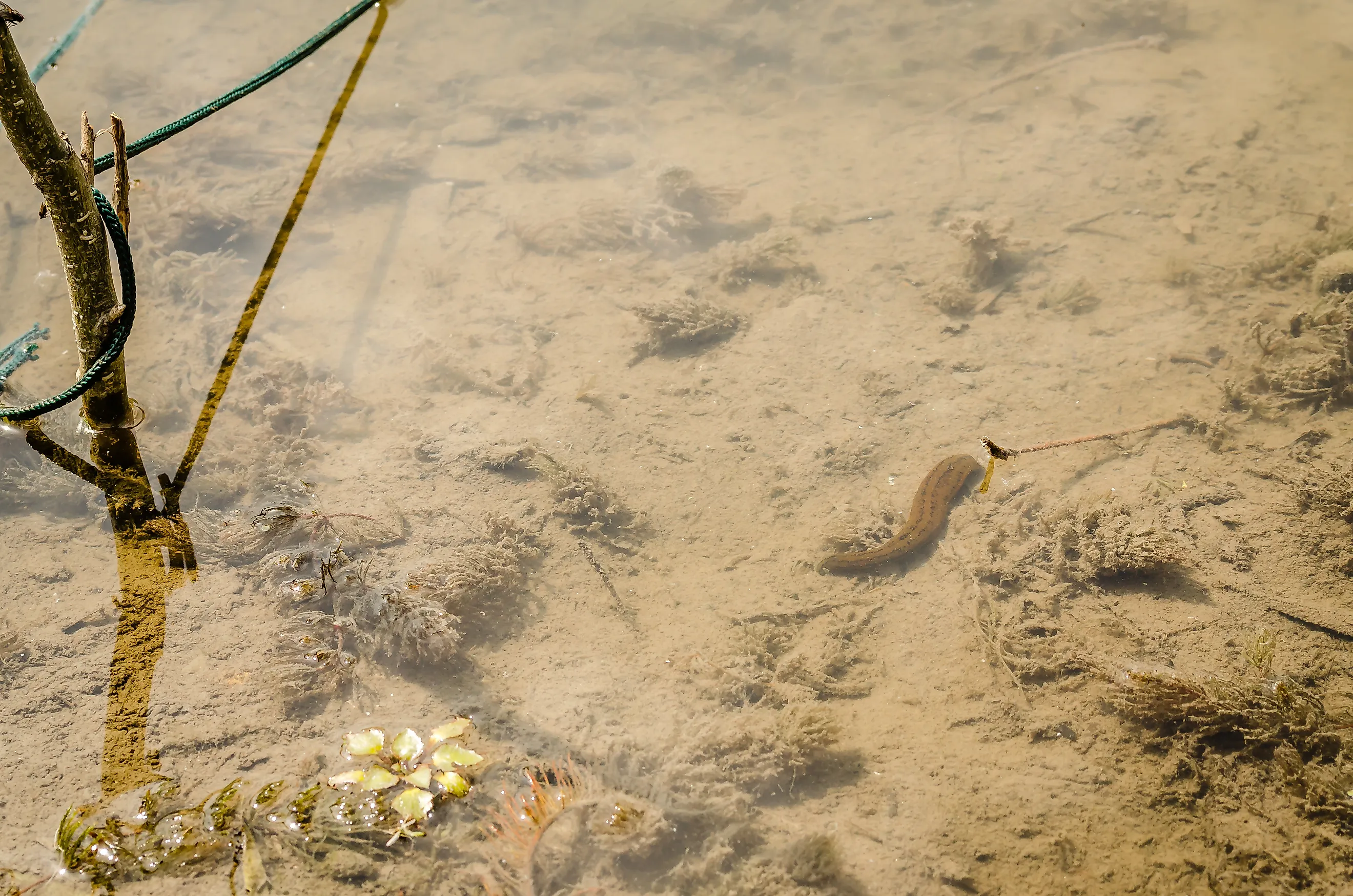
Leeches became so numerous at New York's Lake Minnewaska that its shallow bathing area stayed closed for the entire season. The small native animals could attach themselves to people's feet with a rear sucker, even though they ate worms rather than human blood.
Utah's Blackridge Reservoir has also prompted an official notice after swimmers encountered leeches, while Montana's Whitefish Lake has had reports of them swimming well offshore. Trouble often starts where people enter a lake: sheltered shallows with vegetation or submerged objects that provide cover. Below are some of the country's lakes where leeches have caused problems for swimmers, sometimes severe enough to close a beach for an entire season.
Lake Minnewaska, New York

Bait traps failed to control Minnewaska's 2014 leech outbreak. Copper sulfate treatment failed, too. At this cliff-lined lake in the Shawangunk Mountains, the tiny animals gathered around the bathing beach and attached themselves to the feet of students investigating the outbreak.
These native leeches ate small bottom-dwelling worms. Their food supply may have increased after changes in the lake's fish community. Golden shiners had consumed zooplankton, tiny aquatic animals that included predators of those worms. Those food-web changes, together with changes in nutrient conditions, may have helped the worms multiply and supplied more food for leeches.
By the 2015 beach season, leech numbers were lower. Staff had also been laying plastic sheeting over the shallow area each night before the season began, and the beach reopened.
Blackridge Reservoir, Utah
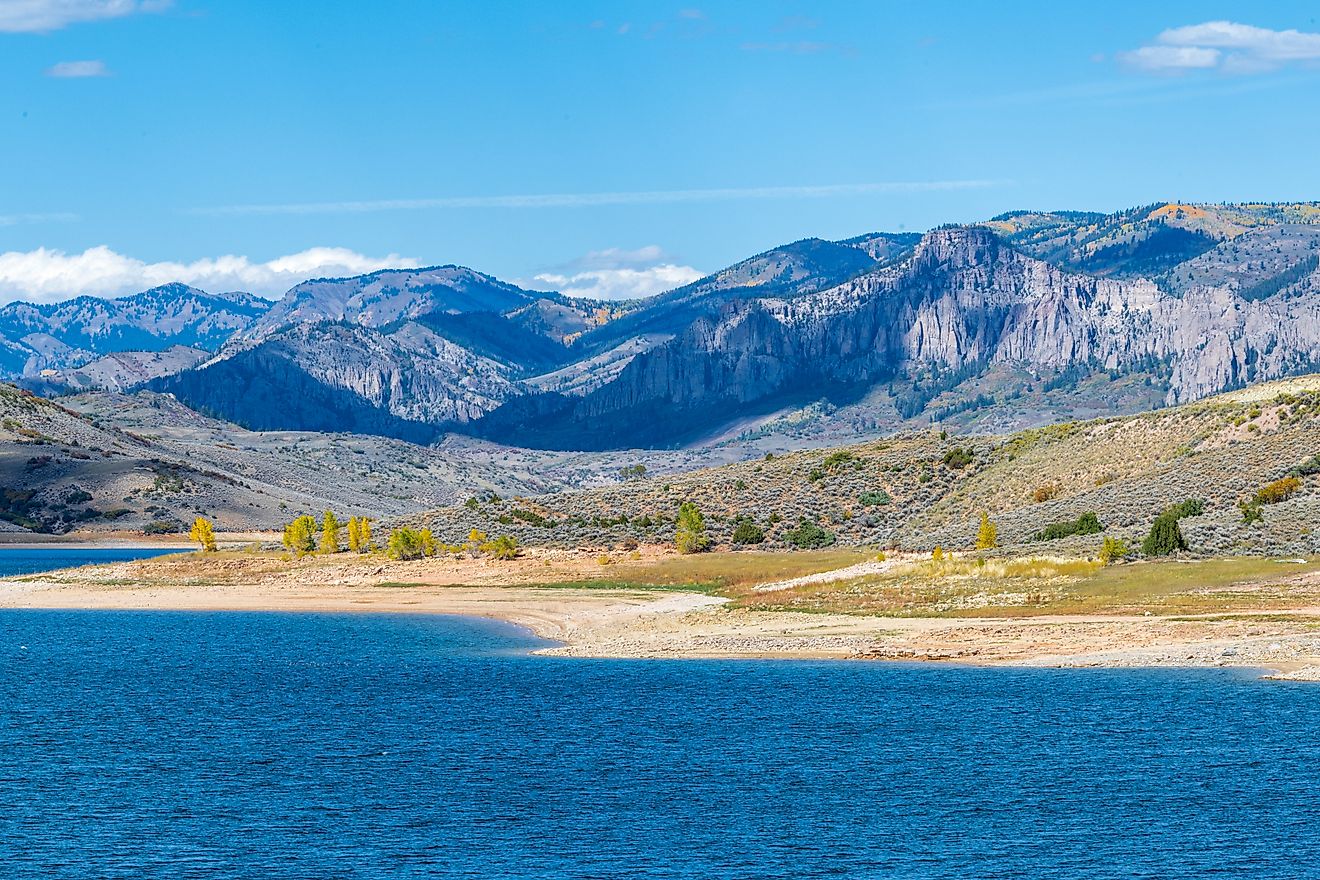
Blackridge's sandy beach and playground sit beside a working water-storage reservoir in Herriman. Its primary job is holding water for non-drinking uses, and the swimming water is untreated. In August 2023, swimmers' encounters with leeches prompted the city to issue a public notice. Officials said those leeches were not known to be harmful. They were considering stocking fish that could eat the leeches and other small creatures in the reservoir. The city's visitor page continues to identify leeches as something swimmers may encounter. It also reports cases of swimmer's itch, a rash caused by a reaction to microscopic parasites. That is a separate problem from a leech attaching to skin. State water-quality testing at Blackridge checks for E. coli and harmful algae.
Whitefish Lake, Montana

At Whitefish, leech sightings have extended well beyond the water's edge. In August 2013, the Whitefish Lake Institute reported that people had seen them swimming far offshore. At City Beach, a boat launch sits beside the public swimming area.
Leeches usually favor sheltered water, and their activity increases on hot summer days and at night. Water movement around docks can attract them. During the 2013 sightings, institute director Mike Koopal suggested that warm water may have helped the animals grow and reproduce. He also warned that sediment and nutrients entering Whitefish Lake could make conditions more favorable for them. Some species feed on other invertebrates; only certain kinds attach to mammals for a blood meal.
Blue Lake, Oregon

Blue Lake's leech encounters reached Oregon's boating advisories during the summer of 2024. Notices carried through August and September warned that visitors had encountered them in parts of this spring-fed lake in Fairview, east of Portland. Blue Lake Regional Park stayed open during the advisory.
Here, the public swimming area includes about 200 feet of sandy beach. A wooded wetland occupies another part of the park, beyond the lawns used for recreation. Leeches commonly shelter among aquatic plants or beneath submerged objects. For species seeking a host, the disturbance of someone wading can draw them out.
Rice Lake, Minnesota

At Rice Lake near Owatonna, muddy green water and leeches forced the swimming beach to close in May 1980. An early state park management plan called for removing the plant debris that gave leeches places to hide along the beach. If the problem continued, the plan proposed seeking a permit for copper sulfate treatment.
Rice Lake averages only 3 to 5 feet deep, according to Minnesota's Department of Natural Resources. Its marshy edges support migrating waterfowl in spring and fall, and the park now emphasizes birdwatching and paddling.
Minnewaska's bait traps failed during its 2014 outbreak. Maine's environmental guidance describes baited cans as a way to catch large numbers of leeches within a small area. Fish and ducks also eat leeches, and Herriman officials considered introducing fish at Blackridge Reservoir after swimmers reported encounters there. Keeping ducks nearby by feeding them introduces another problem: their droppings add phosphorus to the water, potentially encouraging algae. Winter drawdowns can expose bottom mud and the leeches sheltering in it to freezing temperatures. Other aquatic animals spend winter in that mud as well, and lowering the water can kill them along with the leeches.