What Happens If The Great Salt Lake Dries Up Completely
In November 2022, the Great Salt Lake fell to a record low of 4,188.5 feet (1,276 m). The largest saline lake in the Western Hemisphere sits in a closed basin with no outlet, so its level depends on how much water arrives versus how much evaporates. Much of what used to arrive is now diverted upstream. The level rises in wet winters. Those gains do not offset the diversions. If that balance keeps tipping the same way, the end point is a dry basin on the edge of the Wasatch Front.
The Lakebed Would Become a Dust Source

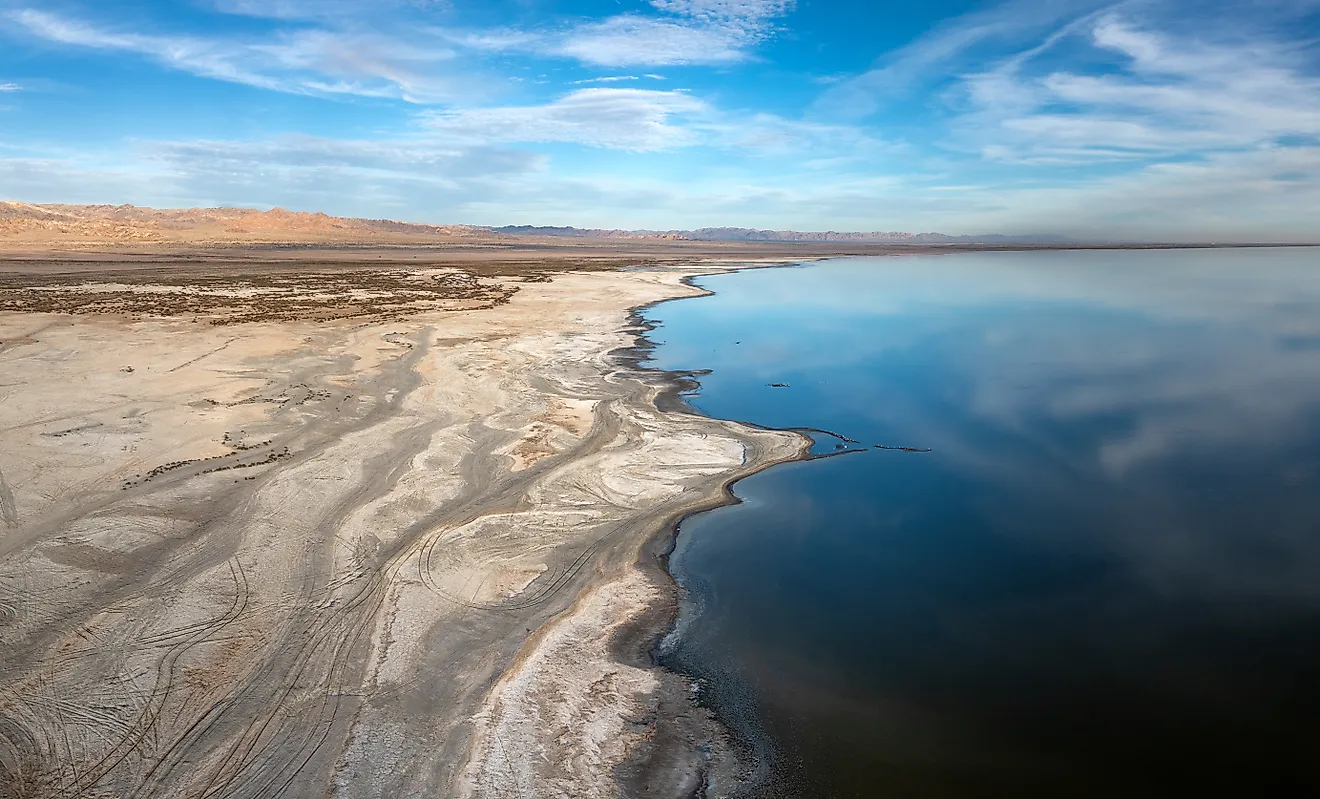
One of the most immediate concerns would be the amount of newly exposed lakebed. The Great Salt Lake has already exposed more than 800 square miles (2,100 km²) of lakebed during its recent decline, and strong winds can lift loose material from those dry areas into the atmosphere. A completely dry lake would create an even larger area capable of producing dust.
The concern is not simply that the region would become dustier. The Great Salt Lake's sediments contain naturally occurring minerals as well as contaminants associated with historical mining, industrial activity, and agricultural runoff. US Geological Survey research has found metals including arsenic, lead, and cadmium in dust near the lake and identified possible health hazards from exposure, particularly for young children. More frequent dust events would also affect air quality in communities along the Wasatch Front.
Millions of Birds Would Lose a Food Source

The Great Salt Lake ecosystem supports a relatively simple food web, but that food web sustains enormous numbers of birds. Algae and microorganisms support brine shrimp and brine flies, which in turn provide food for migratory birds using wetlands and open water around the lake.
More than 12 million birds representing 339 species rely on the lake's ecosystem, according to the Utah Great Salt Lake Commissioner's Office. The surrounding wetlands also provide habitat for birds traveling along both the Pacific and Central Flyways. If the lake disappeared, the loss of aquatic food sources would affect birds far beyond Utah because many species use the area as a stopover during long migrations.
The effects would extend beyond the birds themselves. Migratory species provide ecological services such as pest control and seed dispersal in areas far from the Great Salt Lake. Some wetlands could continue to support wildlife if they received water from rivers and managed sources, but the loss of the lake's open-water ecosystem would remove an important part of the larger habitat network.
Brine Shrimp and Other Aquatic Life Would Disappear

The Great Salt Lake's extreme salinity limits the types of organisms that can live in its water. That unusual chemistry supports brine shrimp and brine flies, along with algae and microorganisms adapted to salty conditions. Brine shrimp cysts, their dormant eggs, are harvested commercially and used as food in aquaculture operations around the world.
As the lake shrinks, evaporation concentrates the salts remaining in the water. At sufficiently high salinity, the ecosystem can no longer support healthy brine shrimp populations. If the lake eventually vanished, the open-water habitat and its aquatic food web would disappear altogether.
The loss would also affect commercial harvesting. The Great Salt Lake currently supplies a significant share of the world's brine shrimp cysts, while mineral extraction from the lake supports additional industries. A completely dry basin would therefore represent a major change for businesses that depend on the lake's water and salt-rich environment.
Utah Would Lose Part of Its Lake-Effect Snow

The Great Salt Lake also affects weather in northern Utah. Its shallow water can warm relatively quickly and provide moisture to passing air masses. When those air masses move toward the Wasatch Mountains, they can produce lake-effect snow.
The lake contributes an estimated 5% to 10% of Utah's snowpack. If the lake disappeared, that source of moisture would largely vanish, although mountain snowfall would continue to come from other weather systems.
Dry lakebed dust could create another problem for the region's snowpack. Dark particles deposited on snow can reduce its reflectivity and cause it to absorb more sunlight, accelerating snowmelt. As a result, a dry Great Salt Lake could affect the region's snowpack through both reduced snowfall and increased dust exposure.
Recreation and Tourism Would Change

A completely dry Great Salt Lake would also transform the places people visit around its shoreline. State parks, wildlife refuges, beaches, marinas, trails, and bird-watching areas depend on the lake and its surrounding wetlands in different ways.
Some existing attractions would not simply disappear because their landscapes extend beyond the water's edge. Antelope Island State Park, for example, would retain its mountains, wildlife, trails, and historic sites. However, the view and physical relationship with the lake would change dramatically if the shoreline receded or vanished.
Boating and other water-based activities would obviously become impossible on a dry lakebed. Bird-watching would also change as the birds' food sources and wetland habitats declined. The result would be a different recreational landscape rather than the complete disappearance of recreation in the region.
The Lakebed Would Become a Salt Basin
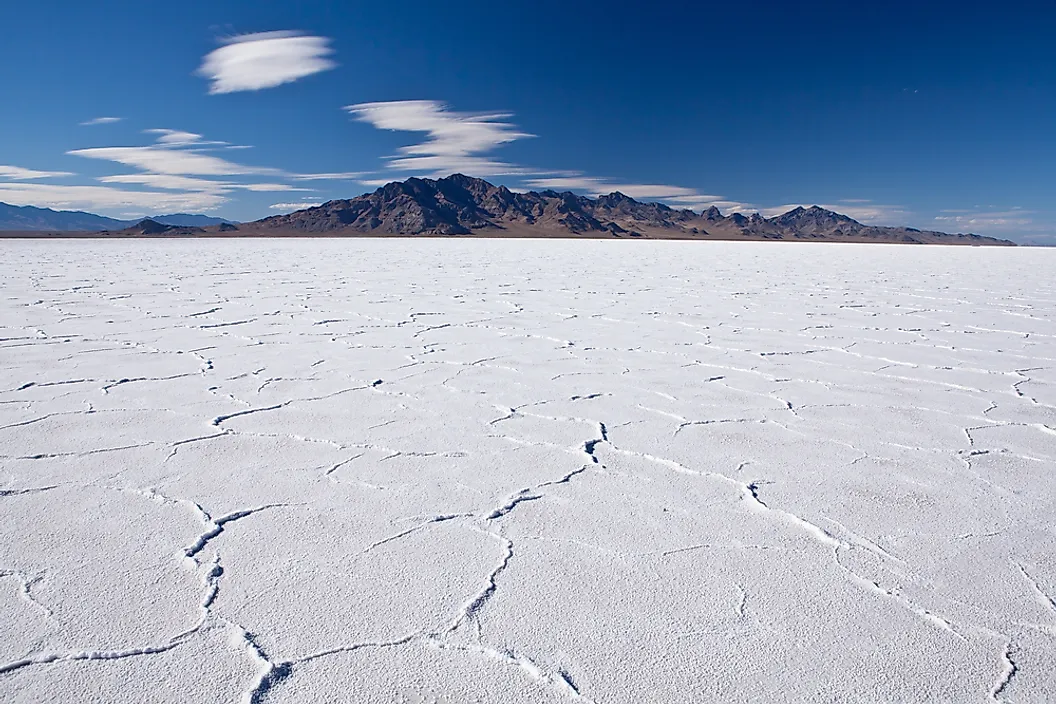
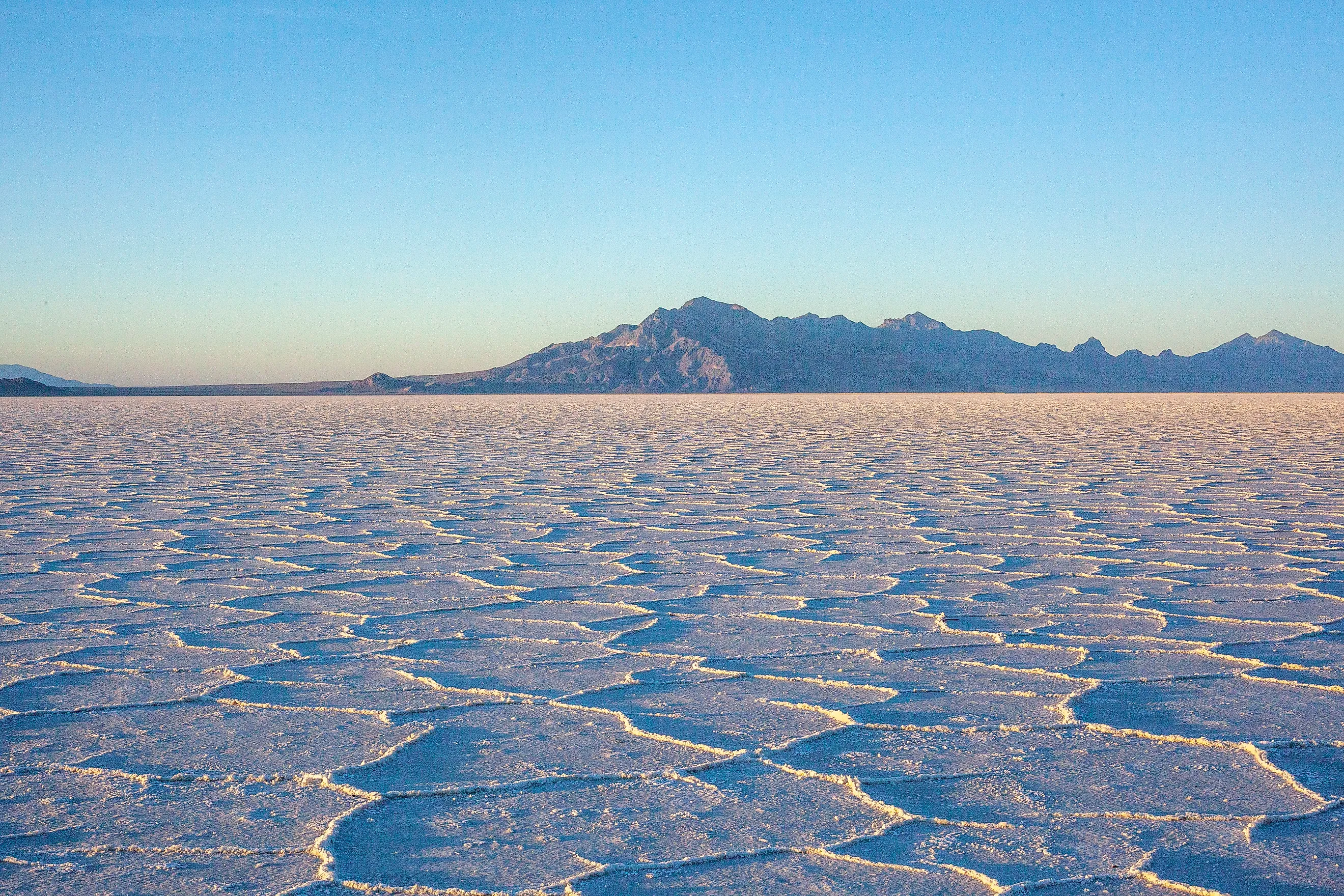
The dry Great Salt Lake would not leave behind an empty hole. The exposed basin would contain salt deposits, sediments, and mudflats, with the eventual landscape depending on moisture, salinity, and groundwater conditions. Its appearance would depend on how much water remained in groundwater systems, wetlands, rivers, and other parts of the basin.
The Great Salt Lake has changed dramatically before. Geological evidence shows that the lake has essentially dried or nearly dried during past periods of warmer, more arid climate. However, the modern situation is different because people divert substantial amounts of water from rivers and streams in the Great Salt Lake watershed, reducing the amount that ultimately reaches the lake.
Restoring a completely dry lake would also be difficult. Because the Great Salt Lake has no natural outlet, its future water level depends heavily on how much water reaches the basin compared with how much evaporates. Reestablishing a large lake would require sustained inflows over many years rather than a single wet season.
The Effects Would Extend Beyond the Great Salt Lake

A dry Great Salt Lake would create a chain of changes rather than one isolated environmental problem. Wildlife would lose critical habitat and food sources, dust would become a larger air-quality concern, lake-effect snow would decline, and industries connected to the lake would lose an important resource. Recreation and the landscape around the shoreline would also change substantially.
The lake does not need to disappear completely for many of these effects to become more pronounced. Lower water levels already expose additional lakebed, concentrate salinity, alter wetlands, and reduce the lake's influence on the regional snowfall. The difference between a shrinking lake and a completely dry one is therefore a matter of scale: the farther the water recedes, the more of the surrounding ecosystem, economy, and climate system changes with it.