The Coldest Point In American Waters
Here is a question with a bone-chilling answer: where, exactly, is the coldest water in America? Not some high mountain lake, not a shadowy cave spring, but up off the top of Alaska, where the ocean is so cold it is technically below freezing and still flatly refuses to turn to ice. Welcome to the coldest water flying the American flag, a place where a quick dip would be the last decision you ever make.
The Answer: The Arctic Ocean Off Alaska

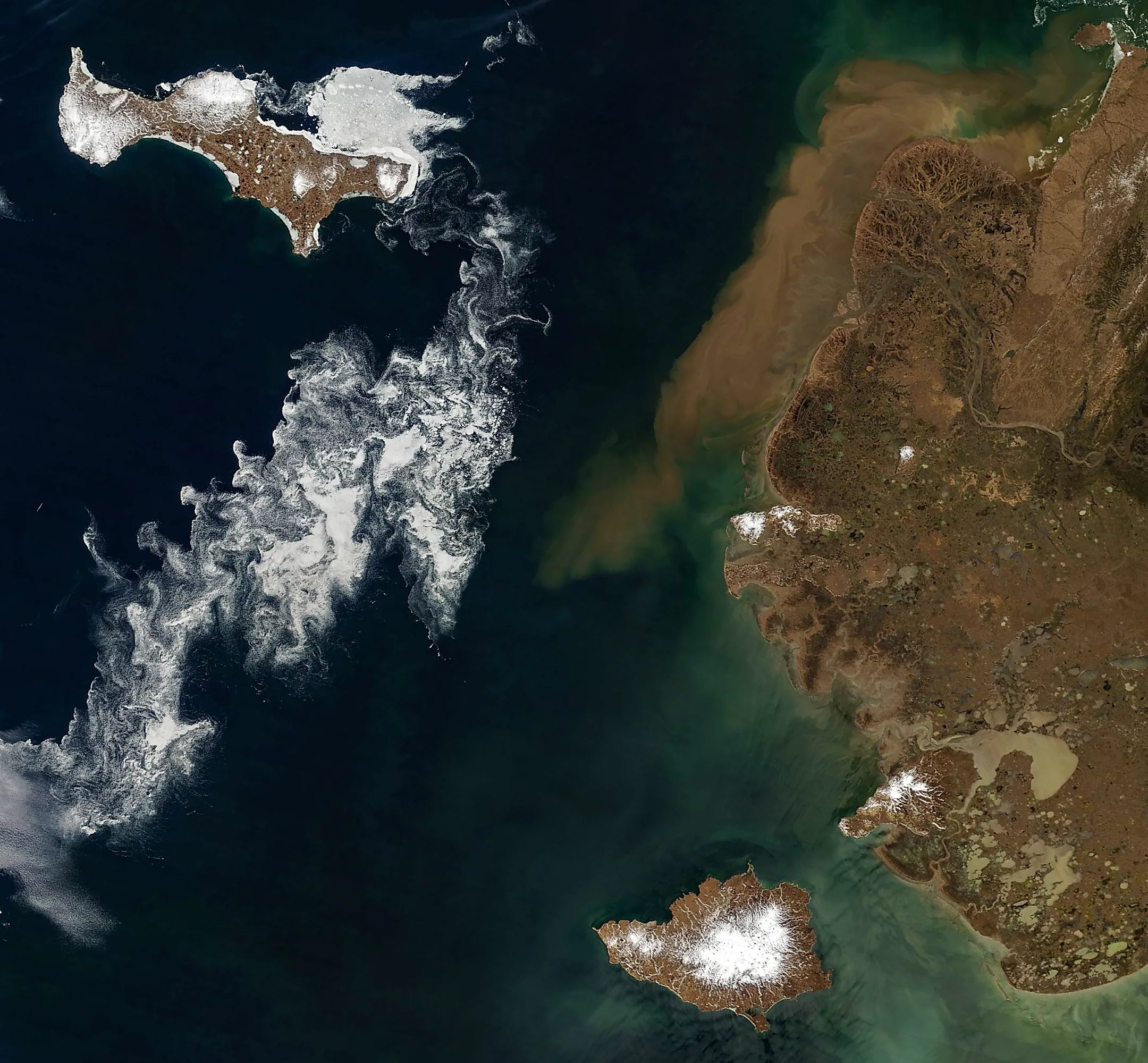
The coldest water in American waters sits right at the top of the map, in the Arctic Ocean off the northern coast of Alaska, specifically the Chukchi Sea to the northwest and the Beaufort Sea to the northeast. The Arctic is the coldest of all the world's oceans, and its surface water hovers right around 28 to 29 degrees Fahrenheit for much of the year, parked at the freezing point of seawater. The Chukchi, Alaska's own stretch of Arctic water, averages a brisk 36 degrees and drops much lower once winter clamps down.
Colder Than Ice, and Still Liquid

Here is the part that breaks most people's brains. Fresh water freezes at 32°F, but seawater does not, because all that dissolved salt gets in the way of ice crystals forming. Typical seawater will not freeze until it drops to about 28.4°F. That means the Arctic water off Alaska routinely sits below the temperature at which your bathtub would turn solid, and yet it keeps sloshing around as liquid as if nothing were the matter. The ocean, in effect, comes with its own built-in antifreeze. And there is an even stranger twist: unlike fresh water, which is densest at around 39°F, seawater keeps getting denser right down to its freezing point, so the very coldest water sinks straight to the bottom and pools there in the dark.
The Bering Sea's Hidden Cold Pool

Just south of the Arctic, the Bering Sea hides a genuinely eerie feature that scientists call the "cold pool." Each winter, sea ice chills an enormous patch of the seafloor, and that frigid water, colder than 2°C, then stubbornly survives all summer long, lurking on the bottom even as the surface warms up far above it. NOAA tracks it every single year, because this invisible wall of cold acts like an underwater fence: it pens Arctic fish to the north and keeps valuable stocks like pollock and Pacific cod to the south. When the cold pool shrinks, entire fisheries reshuffle, and the trawlers and crabbers have to go chasing their catch somewhere new.
How Long Would You Last?

The short answer: not long at all. Falling into water this cold instantly triggers an involuntary gasp reflex, which is precisely as dangerous as it sounds if your head happens to be underwater, followed in short order by your muscles seizing up and hypothermia setting in. In water near the freezing point, useful survival time is measured in minutes, not hours, and even strong swimmers can lose the use of their hands almost immediately. You would last about as long as an ice cube in a hot coffee, which is to say: please admire the coldest water in America strictly from the deck of a very sturdy boat.
How Cold Can It Even Get?

So just how low can liquid seawater actually go? The coldest liquid seawater ever reliably recorded clocked in at about −2.6°C, roughly 27°F, found sloshing beneath an Antarctic glacier in 2010, proof that with enough salt and pressure, the ocean can stay genuinely wet well below freezing. The US Arctic waters flirt with that same bizarre zone every winter, remaining liquid at temperatures that would turn any lake, river, or backyard pond into a solid block of ice. It is, without much argument, the most quietly hostile water in the entire country, and it has been keeping its cool off the coast of Alaska long before anyone ever thought to stick a thermometer in it.