How Zebra Mussels First Reached North America
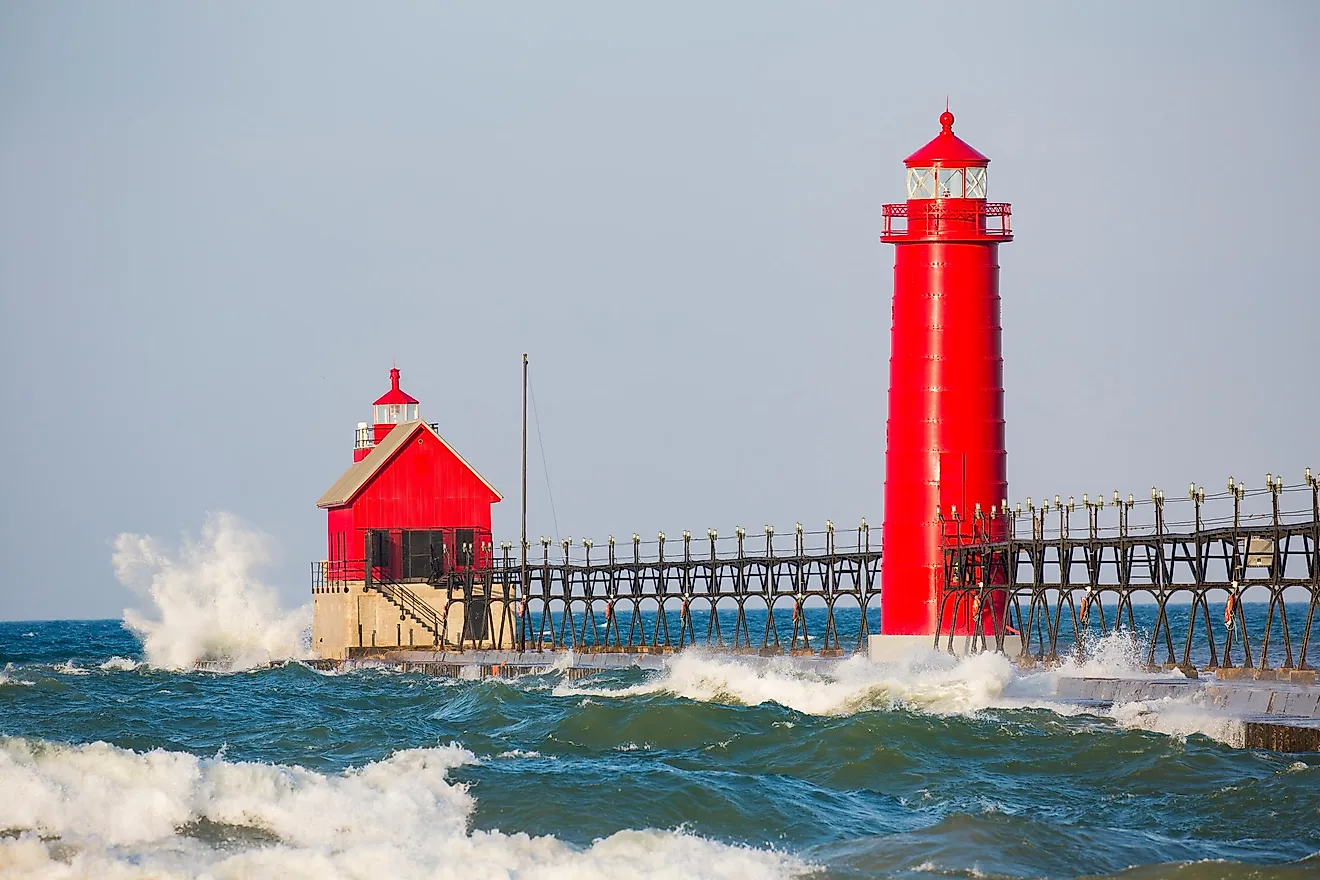
In the late 1980s a cargo ship crossed the Atlantic and flushed its ballast tanks into the water near Detroit. That water hid microscopic stowaways carried in from halfway around the world. Those specks would soon remake the lakes across half the continent. The zebra mussel (Dreissena polymorpha) is now a familiar sight along the Great Lakes region of the United States and Canada. Older residents there still recall shorelines that had none. This is the story of a thumbnail-sized clam that reached Michigan and stayed.
Meet the Stowaway

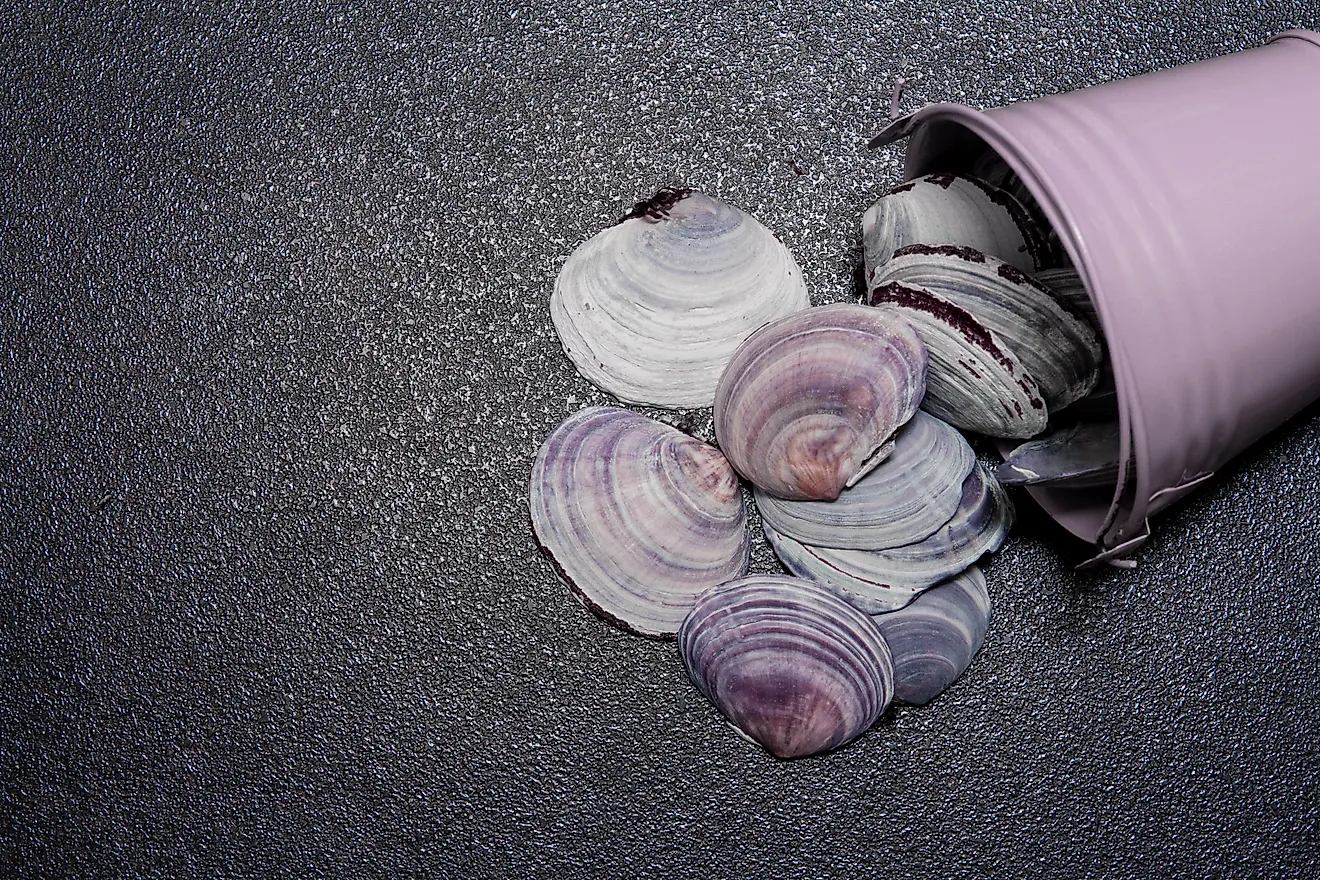
The traveler at the center of this story is tiny. A grown zebra mussel is often no bigger than a fingernail, with two matching shells that usually wear the dark stripes that gave the animal its name. It lives in fresh water, and it comes from the Eastern European lakes and rivers of the Ponto-Caspian region. The Caspian and Black Seas sit at the heart of its native range, fed by the Dnieper, Ural, and Volga rivers. For a species that would later travel the world, it stays remarkably still once it arrives. It grips hard surfaces with tough fibers called byssal threads and holds on.
What makes it such a successful traveler is how much it eats and how fast it breeds. A single adult filters roughly a liter of water a day through its gills, and a busy one can push that toward ten, pulling out the algae, bacteria, and floating scraps it lives on. Females release their eggs straight into the water, males release sperm to meet them, and the fertilized young drift off as microscopic larvae called veligers. Most veligers never make it, which is the one piece of good news in the life cycle. The survivors settle onto a surface, grow up within about a year, and can live four or five years in the wild. Multiply that by the millions of eggs a single female produces, and you start to see the problem coming.
The Long Ride to Lake St. Clair

So how does a freshwater clam from the Black Sea end up in the middle of a continent it has never seen? The answer is that it hitched a ride, and ships gave it two ways to do so. The first is ballast water. Large ocean freighters pump lake or harbor water into holding tanks to steady themselves for a crossing, and that water often comes loaded with drifting veligers. When the ship reaches its destination and pumps the ballast back out, any larvae that survived the trip spill into a brand-new freshwater home. The second route is the hull itself. Zebra mussels can stay alive out of water for up to a week, so a colony clamped onto an anchor, a chain, or the underside of a boat can ride across an ocean and drop into fresh water on the far side.
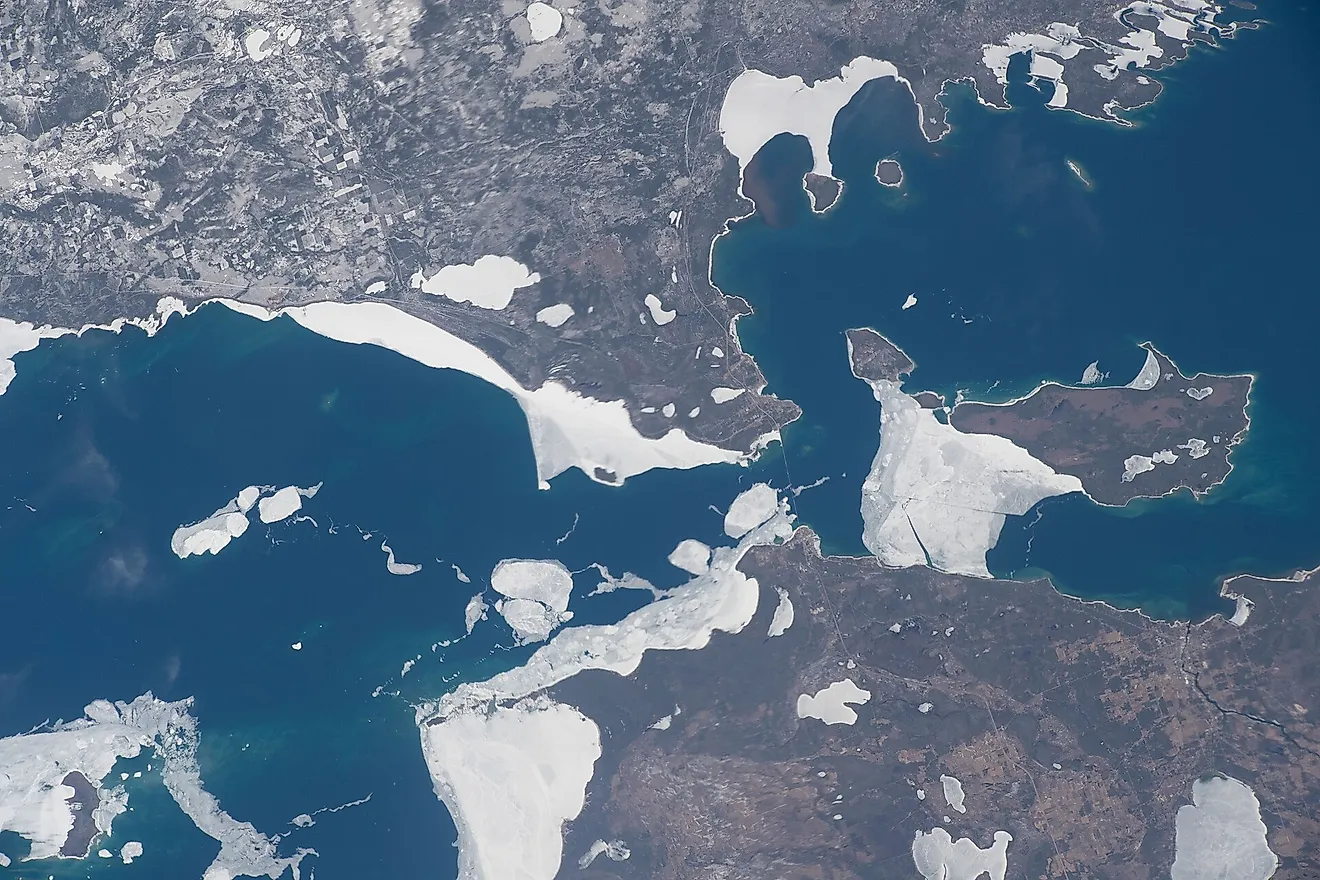
Getting from the open Atlantic to the heart of the continent takes a specific door, and the St. Lawrence Seaway is it. Through its chain of canals and locks, oceangoing ships climb inland from the Atlantic Ocean on the East Coast to the Great Lakes. In 1988, biologists pulled a routine sample from Lake St. Clair, the small lake linking Lake Huron to Lake Erie near Detroit, and found the first zebra mussels ever recorded on the continent. From that one foothold, the species fanned out fast. It reached the five Great Lakes, then the rivers that drain them, and today it turns up in waters from southern Canada and Michigan through the American Midwest and down into Texas.
Why a Fingernail-Sized Clam Causes So Much Trouble

A healthy lake or river runs on a balance, and every living thing in it holds a piece of that balance in place. A species earns the label invasive when it lands somewhere it never belonged and throws that balance off, usually at the expense of the native plants, animals, or people who were there first. The zebra mussel checks every box. Almost nothing in North America eats it in real numbers, because the fish and birds that keep it in check back home never made the crossing. Left with few predators and a talent for breeding, it crowds out the native clams and mussels that share its water.
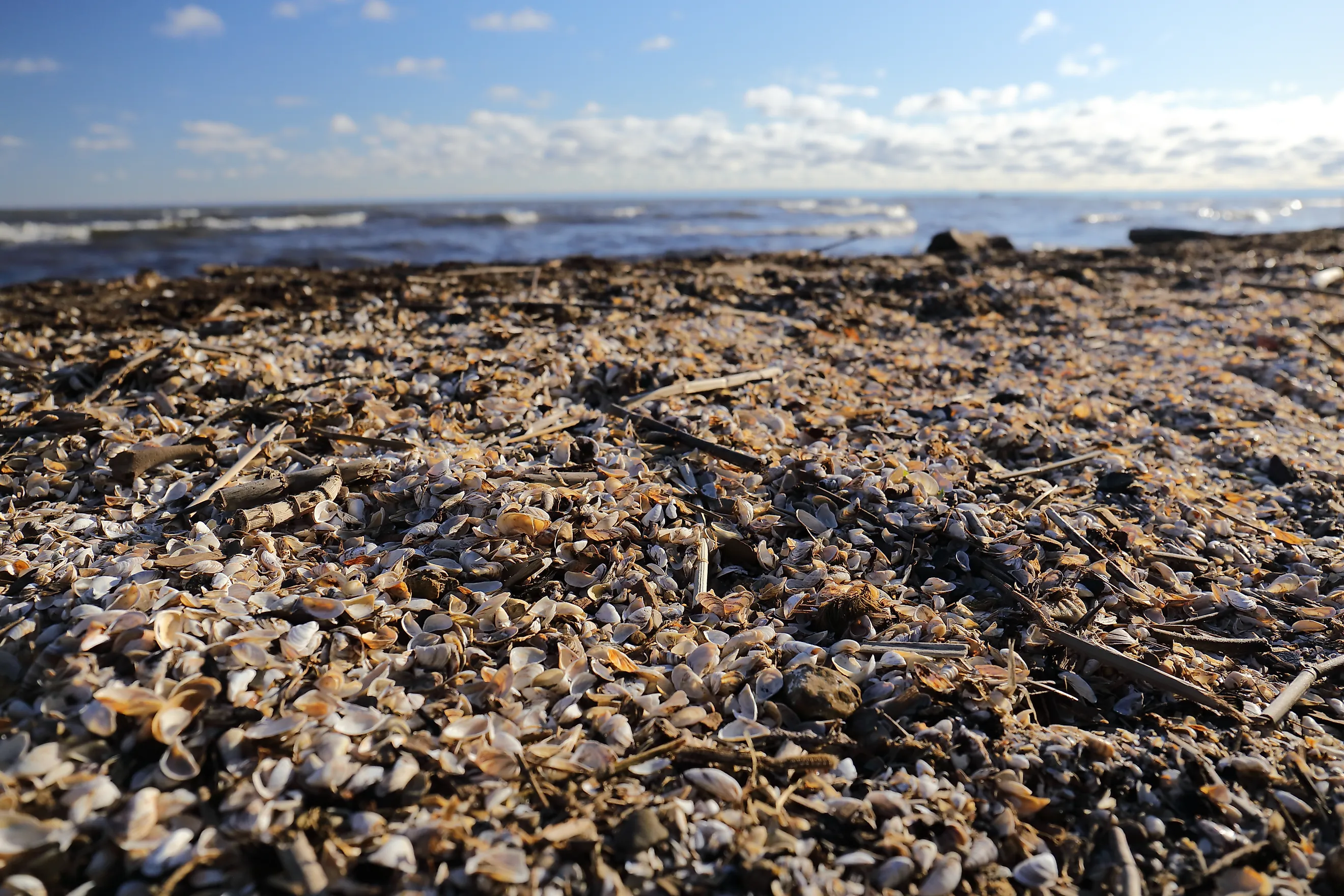
Then there is the piling-on problem, which scientists call biofouling. Zebra mussels do not just settle on rocks. They blanket boat hulls, water-intake pipes, power-plant cooling lines, native mussels, and in bad cases the lake floor itself, piling up in dense crusts. Somebody has to scrape all that off, and the bill is enormous. Between 1989 and 2004, power plants alone spent an estimated $267 million to $500 million a year fighting the mussels off their equipment. The animal even sneaks in through the pet trade. A few years ago, retailers across the country pulled Marimo moss balls from aquarium shelves after some were found riddled with hidden zebra mussels, a nationwide recall aimed at keeping the species out of even more waterways.
The strangest damage is the kind you can see through. Because zebra mussels filter so much algae out of the water, the lakes they colonize often turn eerily clear, and that clarity is not the good news it looks like. Sunlight now reaches deeper, so weeds and aquatic plants sprawl across bottoms that used to stay bare. The algae the mussels strip out is the same food that native fish and their prey depend on, so the newcomer squeezes the whole food web. Clearer water has also been tied to outbreaks of avian botulism, a toxin that kills waterbirds by the thousands. A handful of lakes have seen pike and perch numbers tick up in the mussel's wake, but across North America the ledger runs heavily in the red.
Why Prevention Beats the Cure

Here is the hard truth about zebra mussels once they take hold: getting rid of them is nearly impossible, so the whole game is keeping them from spreading in the first place. These days the ocean freighters are not the main culprits. The mussels now travel between lakes on the boats and gear of ordinary people, whether a single kayak or a full commercial fleet. That makes every boater part of the front line. Cleaning off hulls, trailers, and any surface that touched the water, then draining every well and bilge before moving to a new lake, breaks the chain. Since the animals can survive several days out of water, letting a boat dry fully for a week before its next launch adds one more safeguard.
Aquarium owners have a job here too, given how easily the mussels slip in on plants and moss. The safe move is to check the source of any aquatic plants and to never pour tank water or dump plants into a storm drain, a lake, or a stream. Local wildlife agencies, usually a state Department of Natural Resources, post clear instructions for both boaters and hobbyists, and following them is the single most useful thing an ordinary person can do.
A Small Clam With a Long Reach
The zebra mussel got here by accident, riding water it never chose across an ocean it never should have crossed. What began with one ship's ballast near Detroit has reshaped fisheries, clogged infrastructure, and rewritten the chemistry of lakes across half a continent, all from an animal you could balance on a fingertip. The mussels are not leaving, and no one has found a way to undo the spread. What people can still do is slow it, one rinsed hull and one drained live well at a time, and that ordinary vigilance is what stands between the lakes we have now and the ones a stowaway would keep taking.