The Lakes Most Affected By Zebra Mussels In North America
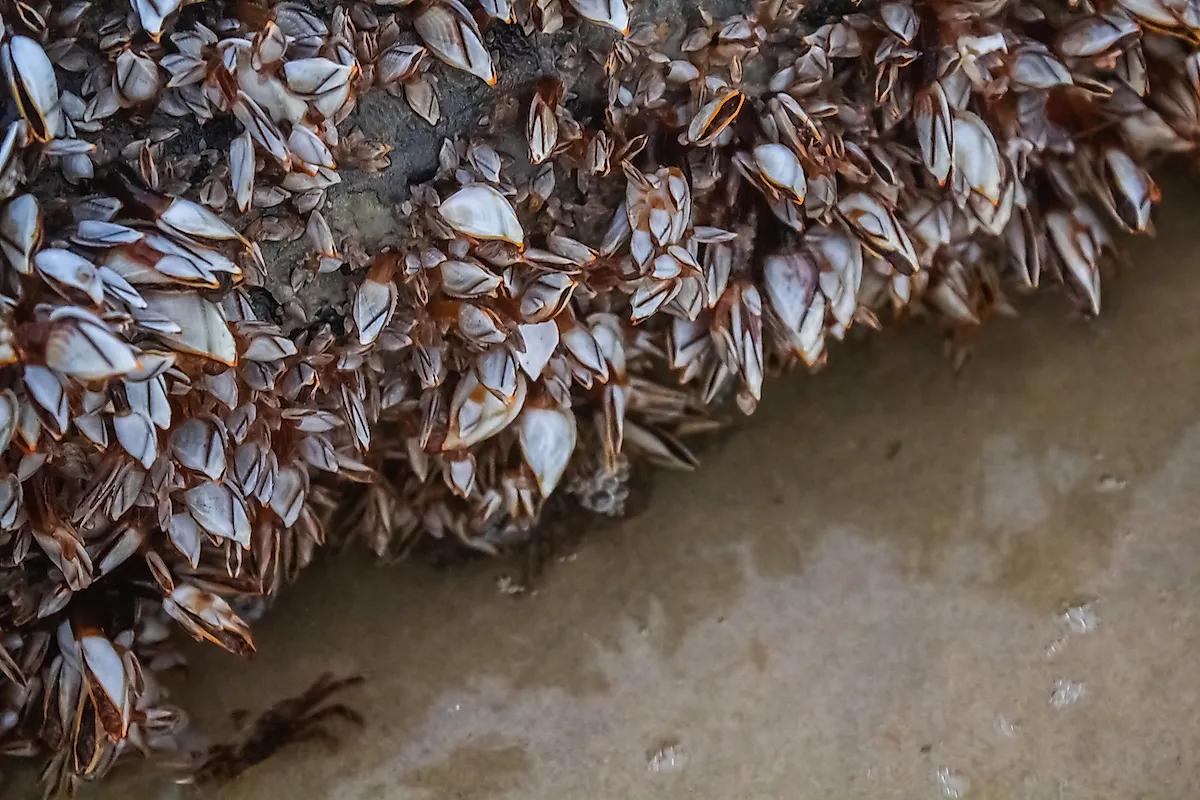
Zebra mussels (Dreissena polymorpha) are small freshwater bivalve mollusks with recognizable D-shaped shells. These creatures may seem harmless, but they are a highly invasive species that has altered North American lakes over several decades now. They can stick and hold onto almost any object, including dock legs and boat motors, and can eat so many microscopic organisms that they could cause local fish to starve. In 2025, the zebra mussel invasion had reached critical levels, with more than 30 states and four Canadian provinces reporting a permanent presence. Below are some of the lakes most affected by zebra mussels, including Lake Champlain and Lake Winnipeg, where they have damaged local ecosystems.
Lake Winnipeg, Manitoba

Lake Winnipeg, in Manitoba, is considered one of the most stressed zebra mussel hotspots in North America. Whereas the Great Lakes are now struggling mainly with quagga mussels, Lake Winnipeg is seeing an ongoing increase in the zebra variety. Zebra mussels were first confirmed in the lake in the fall of 2013, and the Manitoba government attempted eradication early in 2014.
Harbors were sealed off with silt curtains and the water treated with high concentrations of potassium chloride. Unfortunately, this only killed the mussels already present in the harbors. Their larvae had already infiltrated the open waters. In 2026, total eradication is considered almost impossible, and current efforts focus on control and containment. There are several hot water wash stations that boats must use when leaving the lake. Heavy machinery is also used to scrape tons of mussel shells off public beaches to keep them open for the public.
Lake Texoma, Texas

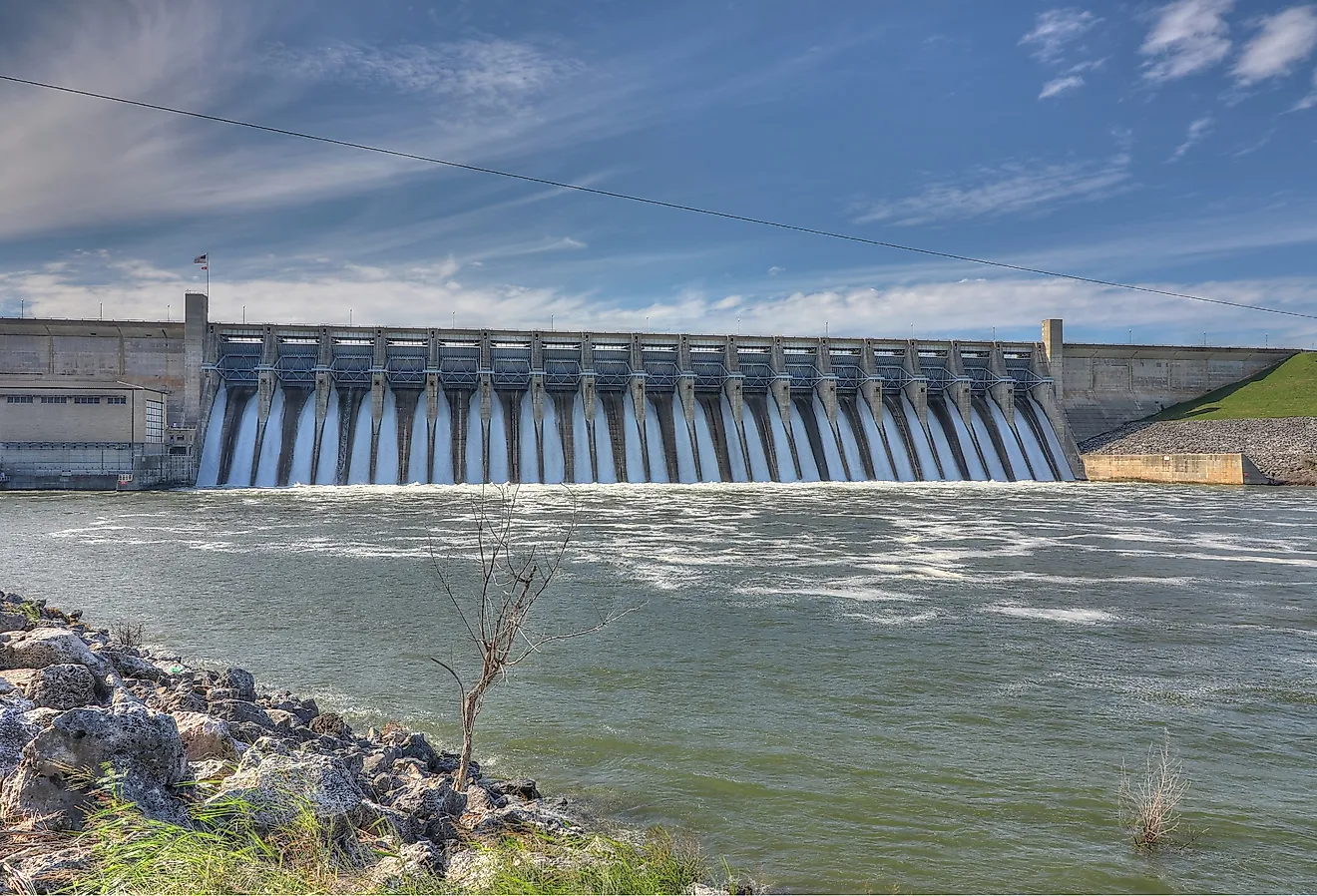
The zebra mussel invasion of Lake Texoma, which stretches into both Texas and Oklahoma, proved that these invaders grow faster in warm water. These mussels stop growing and become dormant during winter in the Great Lakes. But in Texoma, they have a much longer active growth and breeding season. Lake Texoma became a breeding ground for zebra mussels back in 2009, and no chemical eradication could be attempted. The sheer volume of water made it impossible, especially considering the cost. However, the North Texas Municipal Water District has spent millions of dollars on a pipeline that helps kill and remove mussel larvae before they reach other water systems. Like Winnipeg, it is very difficult to completely eradicate the mussels from Texoma, but ongoing efforts to educate boaters are helping to keep nearby clean lakes safe.
Mille Lacs Lake, Minnesota

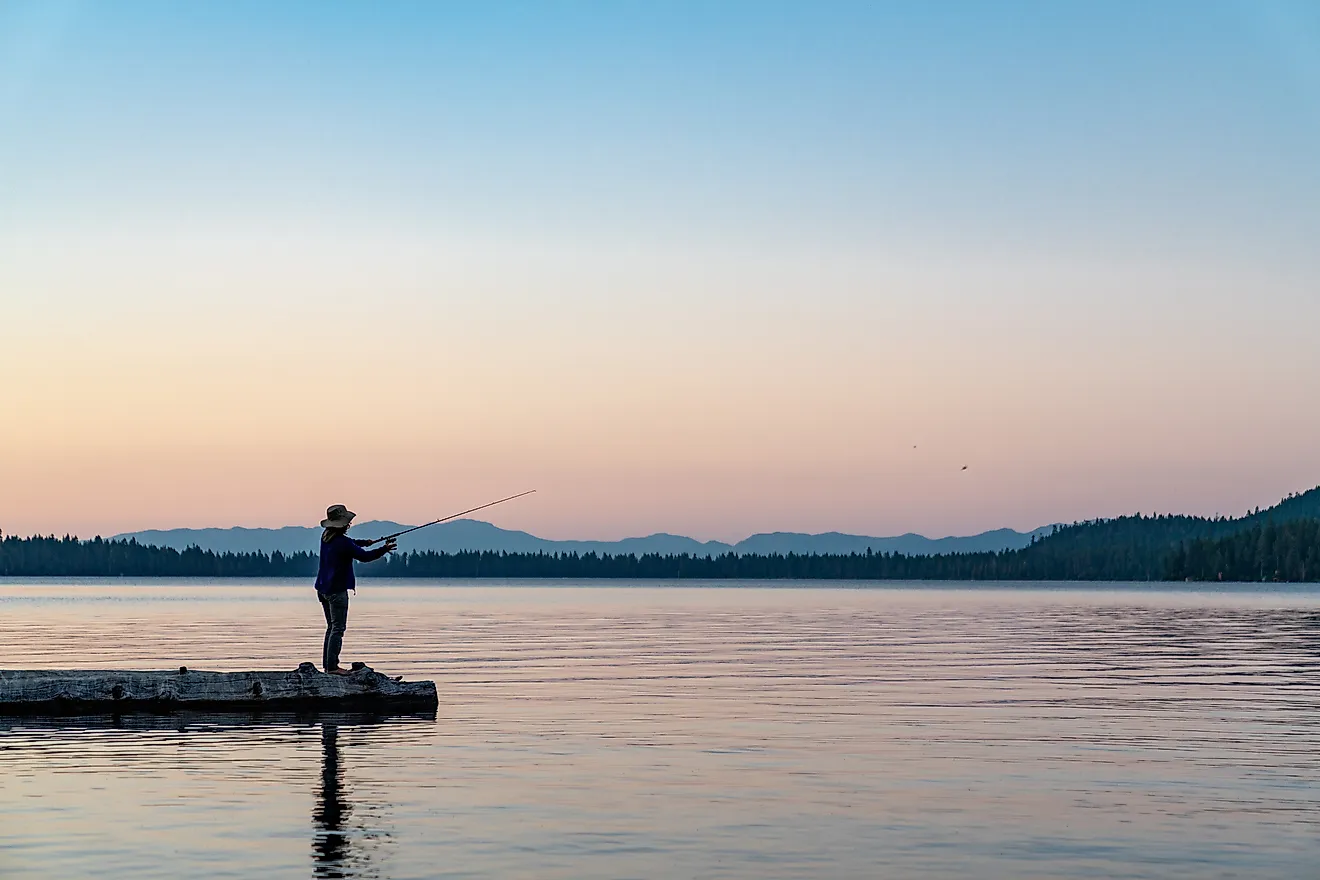
Mille Lacs Lake is a fishing favorite, but sadly has not escaped the impact of zebra mussels. In terms of water chemistry and habitat, this lake is not remotely what it was before the mussel invasion. They have covered the rocky reefs, which pose a danger to walleye. Walleye eggs are not falling into the crevices where they are protected. Instead, many of them land on mussel shell layers, which damage them or leave them exposed to predators.
Zebra mussels are also linked to changes in mercury accumulation patterns in walleye found in Mille Lacs because they change how energy moves through the food chain. Young walleye are struggling to grow because the mussels are eating the zooplankton that the baby fish need. It has been determined that first-year walleye are up to 14% smaller than they used to be, making them weaker and less likely to survive a cold Minnesota winter.
After zebra mussels were confirmed in the lake in 2005, an adult population explosion followed in the succeeding decade. In 2026, scientists continue to map the genetic code of the mussels to try to engage RNA interference. If successful, this could create a genetic pesticide that will not harm the lake's native fish. While this process is ongoing, there is a decontamination station on the lake’s west side to prevent the spread of zebra mussels to other water bodies.
Lake Champlain, New York/Vermont

Lake Champlain has had a zebra mussel population for more than thirty years, and in 2026, they are still widespread throughout the lake. Lake Champlain is also the main drinking water source for about 145,000 people, so the presence of zebra mussels has led to costly water management measures. They were first confirmed at Benson Landing in 1993 and moved over 50 miles north to Burlington in just one year. Like most other lakes, eradication is not possible for Champlain, so the fight to temper the numbers is ongoing. There is also a parallel fight underway to protect the lake from the quagga mussel, which has already been found in nearby waterways.
Public agencies in Vermont have been tracking zebra mussels in Lake Champlain since 1994, monitoring larvae, juveniles, and adults to understand how the population is changing over time. Sampling is carried out at multiple open-water and nearshore sites, with a strong focus on larvae since they spread most easily through the lake. This long-term data helps guide management decisions, from protecting nearby lakes to informing boat inspection programs and local water users.
Clear Lake, Manitoba

Clear Lake in Riding Mountain National Park is experiencing a critical situation in 2026. This lake is currently in the middle of a zebra mussel explosion, and the Canadian government has no choice but to take extreme steps to save the water. The problem started in 2022 when scientists discovered mussel DNA in the water near Boat Cover. The next year, 48 live adult mussels were found attached to a rope. In 2025, researchers found larvae drifting in the water, which proved the mussels were officially breeding and spreading.
Starting in 2024, Parks Canada banned all outside motorized boats in an effort to contain the spread. The battle continues, involving containment curtains to trap the mussels in specific bays, as well as potassium chloride treatments to kill them in blocked-off areas. Clear Lake is one of the few places in North America where officials can still use all available tools to wipe out zebra mussels before the entire lake is infested.
A Turning Point For North American Lakes
Zebra mussels are tiny invaders that can severely disrupt aquatic ecosystems, clog pipes, and threaten the fish we catch and eat. The focus has long since shifted in most affected areas from fixing the issue to containing it. Complete eradication is not on the cards for most lakes, but new tools and strategies can still make a difference. Still, the ultimate survival of some of the continent’s biggest and most important lakes is in the hands of both the government and citizens, who must follow the relevant rules and regulations.