The Great Lakes Food Web Changes Caused By Invasive Species
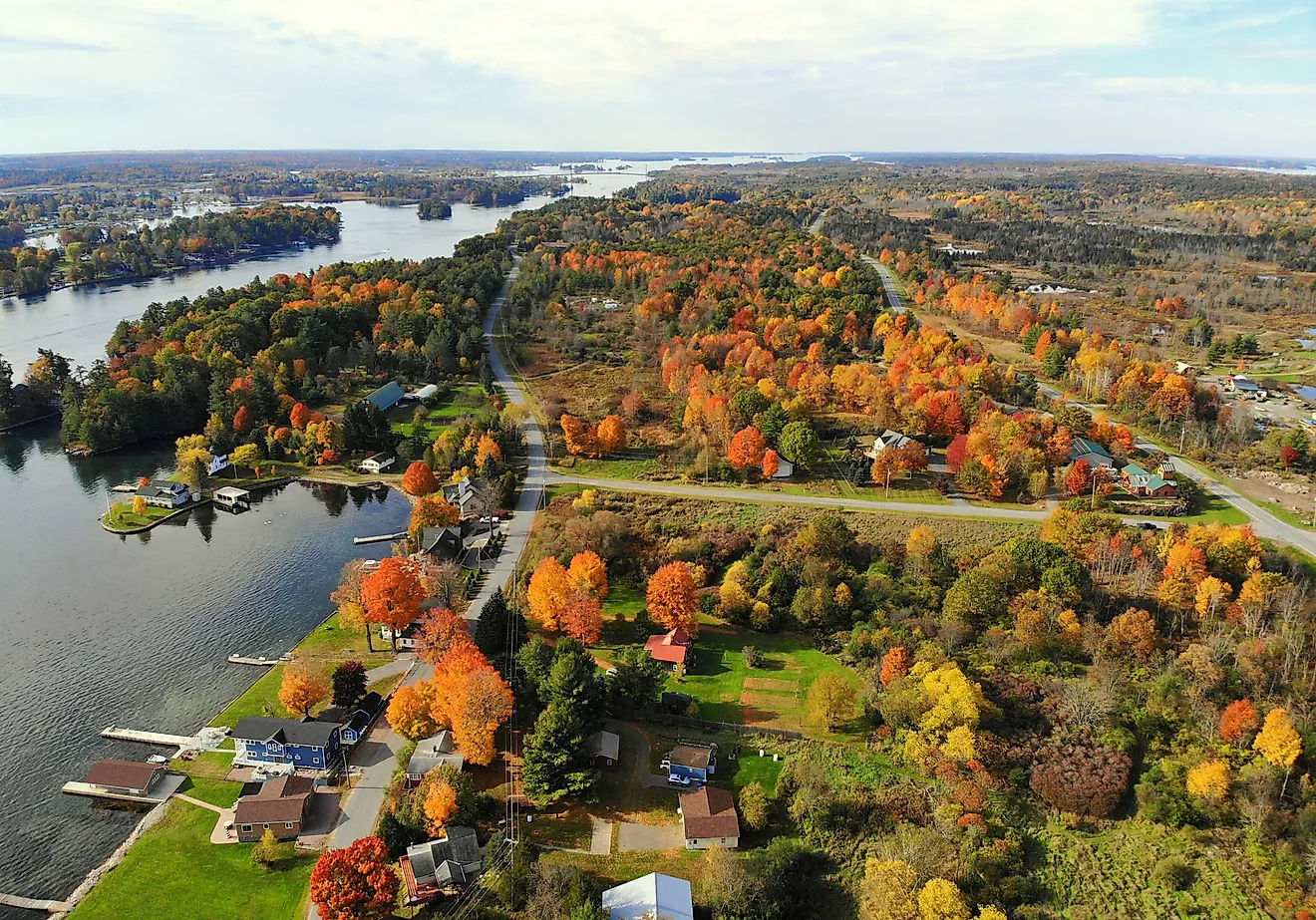
The five Great Lakes hold about a fifth of the planet's surface fresh water, which makes the scale of their invasion problem all the more striking. Lake Superior, Lake Michigan, Lake Huron, Lake Erie, and Lake Ontario form a single connected basin, and roughly 190 non-native species now live in it. Most cause little trouble, but the worst of them prey on native fish, smother the lake bottom, and choke out shoreline plants, destabilizing a food web that supports drinking water, fisheries, and recreation across the region. The pages that follow lay out how that food web works, which invaders do the most damage, and what recent conservation efforts have achieved.
The Great Lakes Food Web

Every fish in the Great Lakes ultimately depends on organisms too small to see. Phytoplankton, the drifting algae that turn sunlight into energy, feed the microscopic animals called zooplankton, and together they form the base of the lake food web. Above them sit the macroinvertebrates, bottom-dwellers such as native mussels and the shrimp-like Mysis (often called opossum shrimp), which graze on plankton in turn. Forage fish, including yellow perch and cisco, occupy the middle, eating invertebrates and larval fish while serving as the main meal for the predators at the top: walleye, lake trout, and smallmouth bass.
A balanced system runs on those connections, each level feeding the one above it and checking the one below. Invasive species break that machinery in several ways at once. They outcompete natives for food and space, strip out the plankton that everything else relies on, prey directly on native eggs and young, and degrade the habitats where native species feed and spawn.
Defining Invasive Species

Not every newcomer is an invader. Of the roughly 190 non-native species recorded in the basin, species that originate outside the Great Lakes Basin, only about 78 are classed as invasive. That label is reserved for species that do measurable harm to wildlife, the regional economy, or human health. The rest do little or no harm, and some are even useful. A few were introduced deliberately: rainbow trout (Oncorhynchus mykiss) and chinook salmon (Oncorhynchus tshawytscha) are stocked and managed as sport fish, and they help keep populations of non-native forage fish in check. The species profiled below earned the invasive label the hard way, by spreading unchecked and rewriting the basin's ecology.
Invasive Animals And Their Impacts
Sea Lamprey

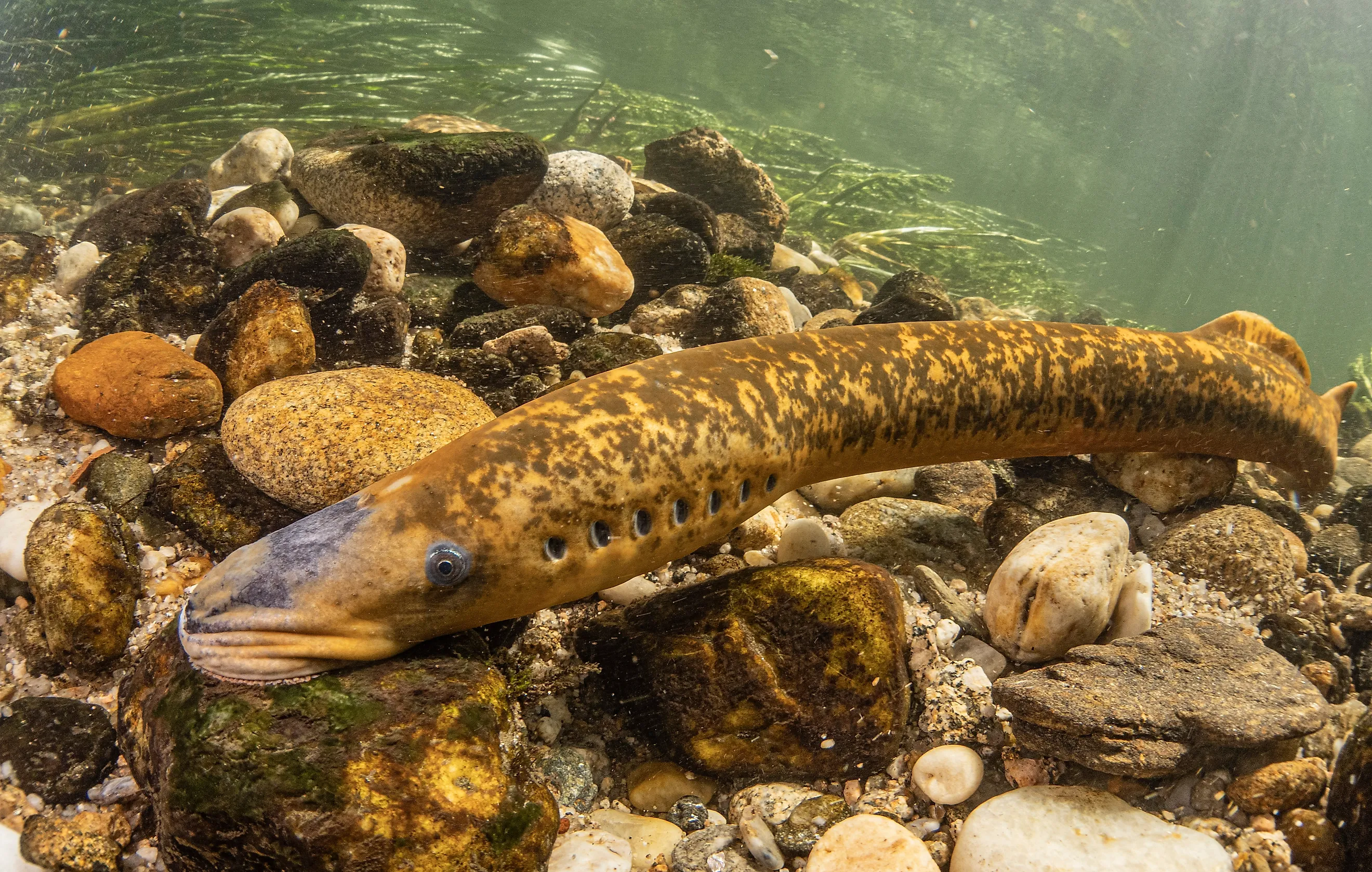
The sea lamprey (Petromyzon marinus) is the basin's most notorious invader, and one of its most destructive. An eel-shaped fish native to the Atlantic Ocean, it feeds by latching onto a host with a disc of a mouth lined with rings of teeth, rasping through the skin with its tongue and drawing out blood and body fluid. A single lamprey can kill 40 pounds or more of fish during its parasitic phase.
Sea lampreys reached Lake Ontario in the 1800s but were long blocked from the upper lakes by Niagara Falls. Once the Welland Canal, which links Lake Ontario and Lake Erie, was deepened in the early 20th century, the parasite slipped past the falls and spread quickly, reaching Lake Erie around 1921 and the remaining lakes by the late 1930s. It devastated lake trout, the system's leading predator, and helped collapse commercial fisheries. Today lampreys are held in check with barriers, traps, and a selective lampricide that kills their stream-dwelling larvae without harming most other species.
Round Goby

A small, bottom-hugging fish from the Black and Caspian Sea region, the round goby (Neogobius melanostomus) turned up in the Great Lakes in 1990, almost certainly carried in the ballast water of ocean-going ships. It has thrived ever since. Gobies are aggressive feeders that outcompete native fish for food and rocky habitat and raid their nests for eggs, and they are bold enough to strip bait from anglers' lines. They also eat zebra and quagga mussels, which lets them accumulate the toxin behind avian botulism and pass it up the food chain to the fish and birds that eat them. Control work now centers on the basin's inland rivers and streams, where managers try to block the gobies from migrating upstream.
Zebra and Quagga Mussels

Two thumbnail-sized mollusks have done more to reorder the Great Lakes than almost any other invader. Zebra mussels (Dreissena polymorpha) arrived in ballast water in the late 1980s, followed within a year by their close relative the quagga mussel (Dreissena bugensis), and both have since carpeted the lake floor in dense beds. They filter enormous volumes of water, stripping out the plankton that native fish and the young of native species depend on, a shift linked to steep declines in lake whitefish. By clearing the water, they also let sunlight reach deeper and alter how nutrients cycle, conditions that favor nuisance and harmful algal blooms, including the scummy mats that foul beaches. The threat is serious enough that in late 2025 a pair of Michigan lawmakers introduced a bipartisan bill, the Save the Great Lakes Fish Act, proposing $500 million over a decade for mussel research and control.
Invasive Plants And Their Impacts
Hydrilla

Sold for home aquariums when it first reached the United States in the 1960s, hydrilla (Hydrilla verticillata) escaped into open water and became one of the country's most destructive aquatic plants. Native to Asia, the submerged, vine-like plant has turned up in tributaries and connected waters feeding Lake Erie and Lake Ontario. Where it takes hold, it grows into thick mats that block sunlight, lower the oxygen in the water below, and shift water chemistry, undermining the food web from the bottom up. Managers fight it with targeted herbicides and with public campaigns urging boaters and anglers to clean their gear before moving between waters.
Phragmites

Tall stands of the invasive common reed now line shorelines and wetlands across the basin. Phragmites (Phragmites australis), the Eurasian lineage introduced to North America in the 1800s, spreads through dense root systems and releases compounds into the soil that suppress competing plants, letting it form near-monocultures. As it crowds out native vegetation, it reduces plant diversity and strips wildlife of habitat and food, an indirect but significant blow to the food web. Control methods include cutting the stems below the waterline to deprive them of oxygen, herbicide treatment, tarping, and managed grazing.
Why The Food Web Matters

The damage these species cause reaches far beyond the lakes themselves. The same food web that sustains native fish also underpins clean drinking water, commercial and sport fisheries, beaches, and boating, so disruptions at the bottom of it cascade outward into the regional economy and daily life. That is why the trends in the latest assessment matter. The 2025 State of the Great Lakes Report rated prevention of new introductions as good, crediting stricter ballast-water rules with sharply slowing the arrival of new species, and noted recovering populations of lake trout and lake sturgeon in several areas. The harder news is that the impact of species already established was rated poor, with zebra and quagga mussels still pressuring the food web and algal blooms still degrading water quality.
Responsible Stewardship

Because nearly every invasive species in the Great Lakes arrived through human activity, deliberate or accidental, people are also central to the response. Protecting the basin takes coordinated work across federal, state, provincial, tribal, and nonprofit partners, backed by science-based control programs and steady public participation. Simple habits help: cleaning, draining, and drying boats and gear stops hitchhiking species from spreading between waters, and reporting new sightings gives managers an early warning. The invaders already in the lakes will not be eradicated soon, but slowing their spread and limiting the damage keeps the system, and everything that depends on it, intact.