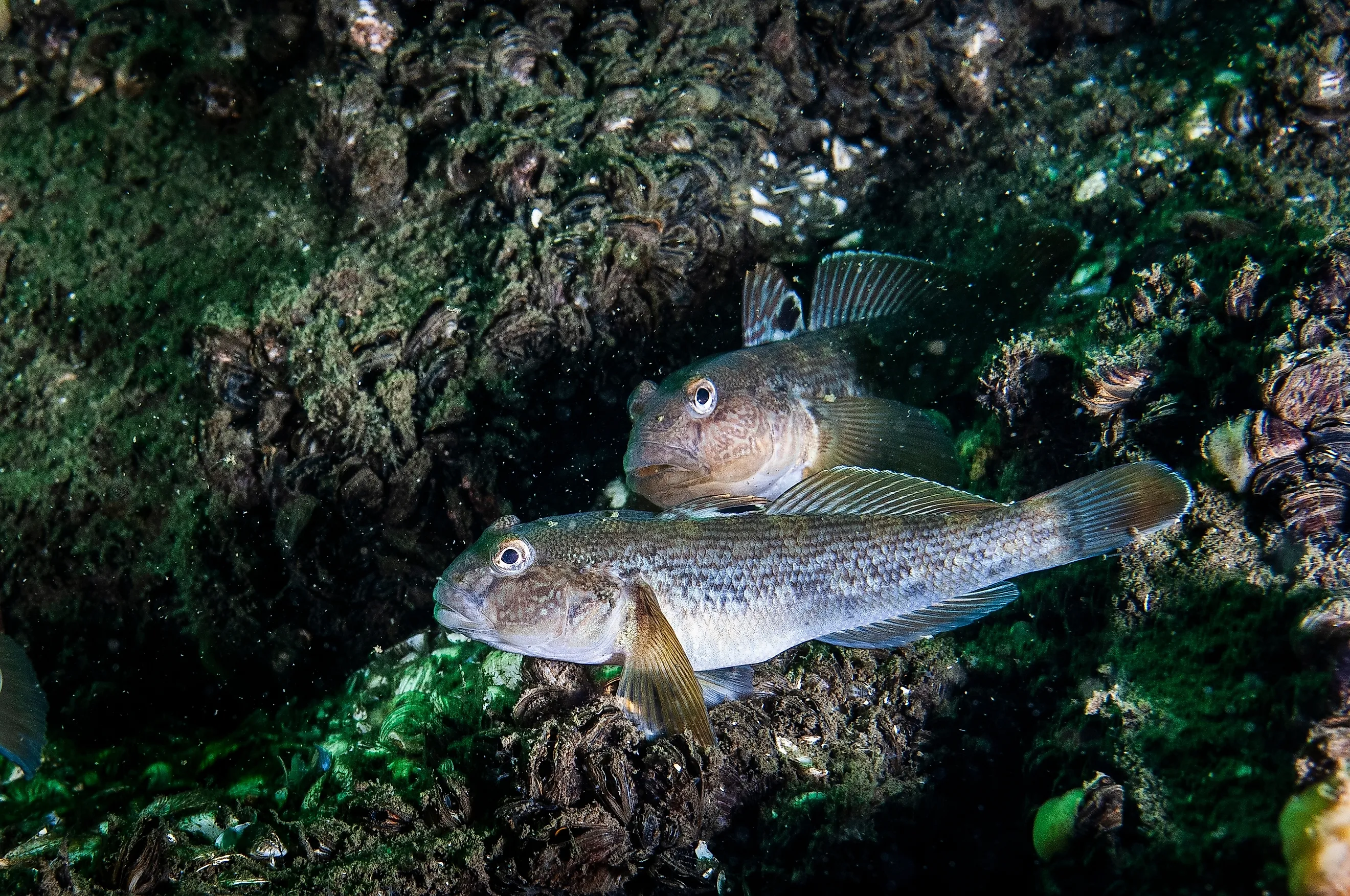
How Round Gobies Took Over The Great Lakes
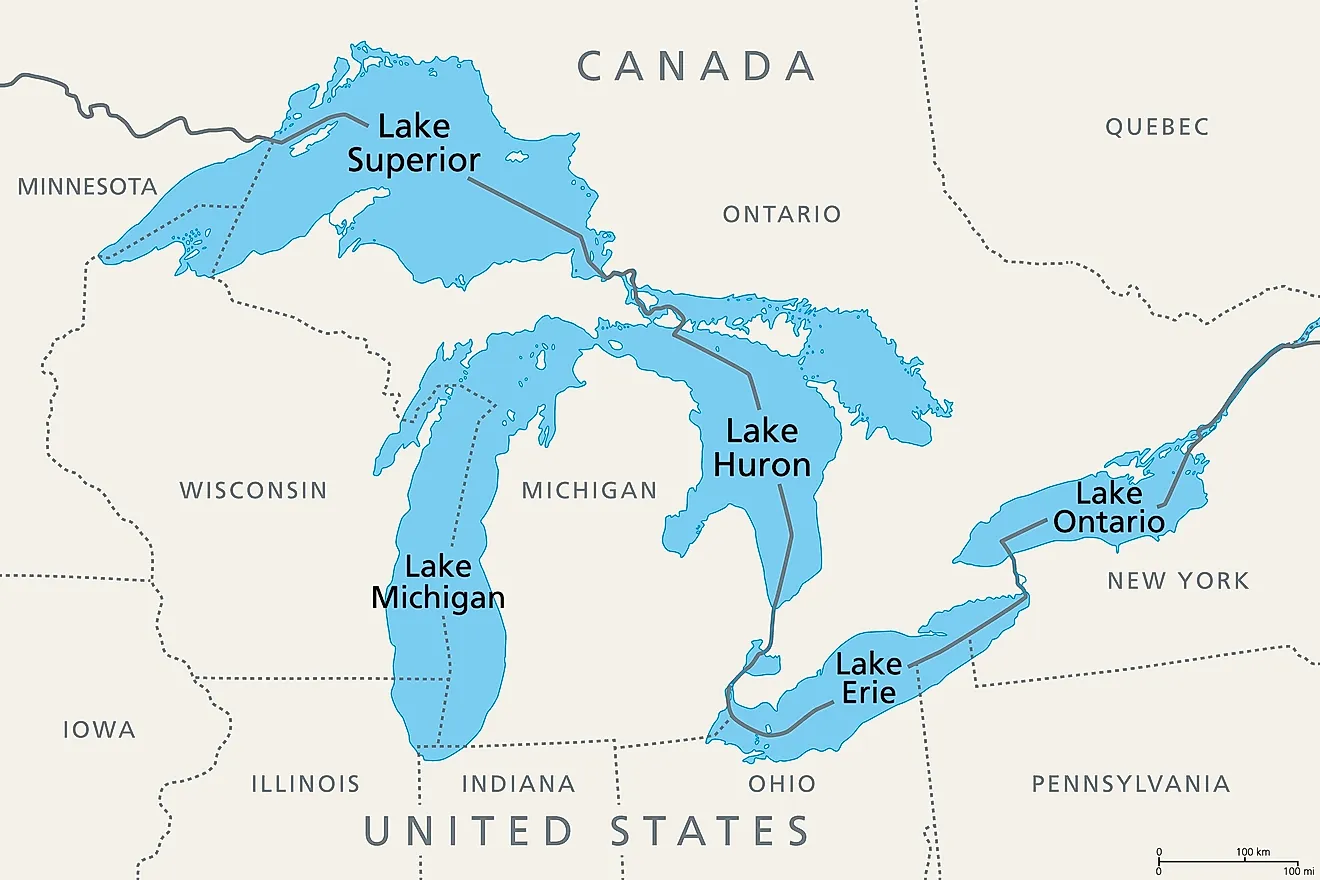
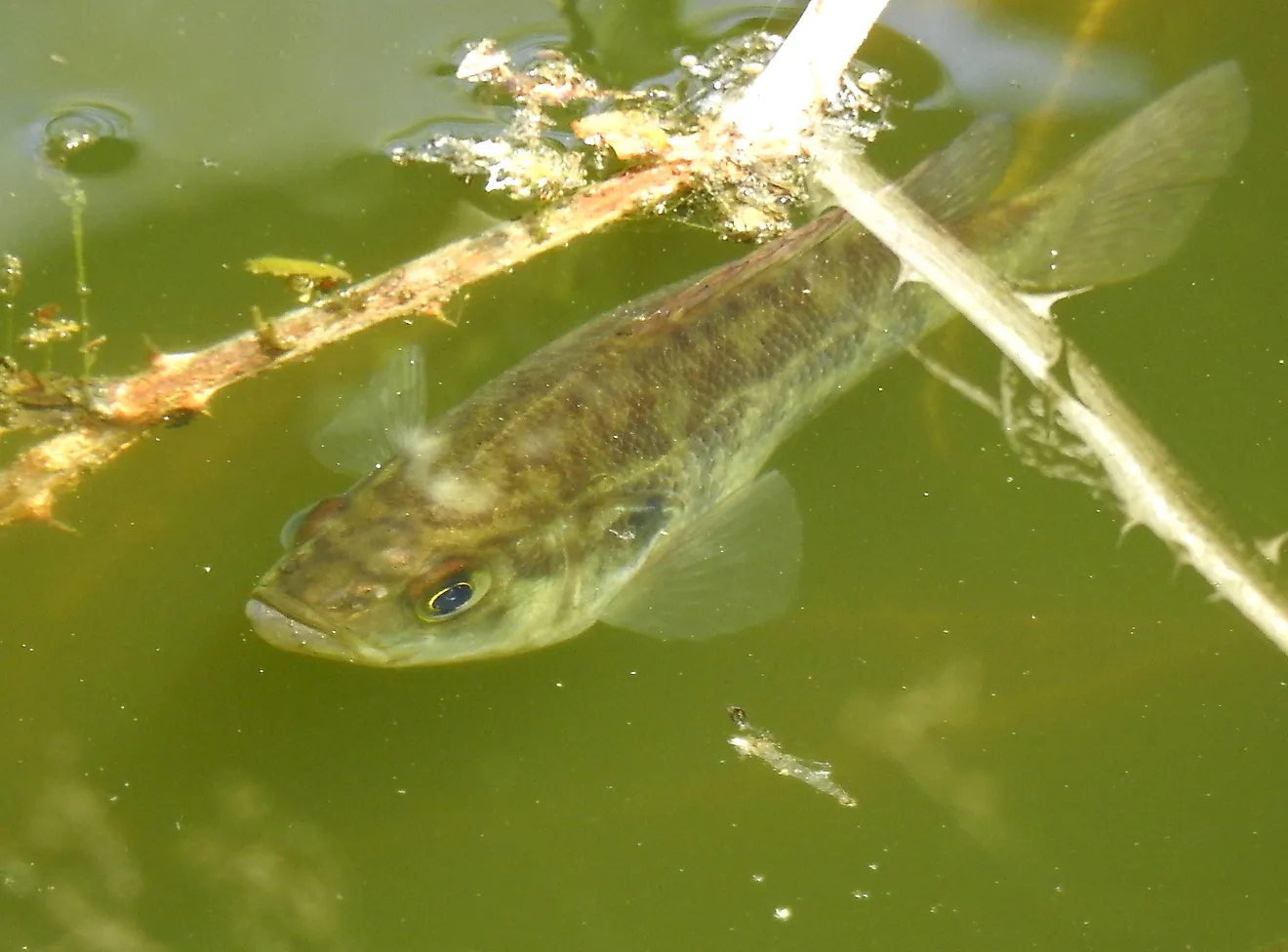
A thumb-sized fish from the Black Sea now carpets the floor of the Great Lakes, sometimes packed more than a hundred to a square meter. The round goby turned up in the St. Clair River in 1990 and colonized all five lakes within five years, one of the fastest fish invasions on record. It out-eats native fish, raids their nests, and cracks open the very mussels that wrecked the lakes a decade before it arrived. Not bad for a bottom-dweller that can barely swim against a current.
Arrival Through Ballast Water

Home for the round goby (Neogobius melanostomus) is the rivers, estuaries, and coastal shallows of the Black Sea, the Sea of Azov, and the Caspian Sea. There it patrols rocky shorelines and river bottoms, eating aquatic insects, crustaceans, mollusks, fish eggs, and smaller fish. It is not a picky animal.
That résumé happens to describe huge stretches of the Great Lakes too: the rocky shores of Lake Erie, the breakwalls and harbors of Lake Michigan, the river mouths stitching the coastal zones together. The goby walked into a habitat that already fit, which is a large part of why it settled in so fast.
Cargo ships almost certainly carried the first ones over in the late 1980s, riding in ballast water. Ships pull water into their tanks for stability when they sail light, and whatever is in that water, fish larvae included, comes along for the trip. Dump the tanks at a new port, and you can seed an entire ecosystem with stowaways.
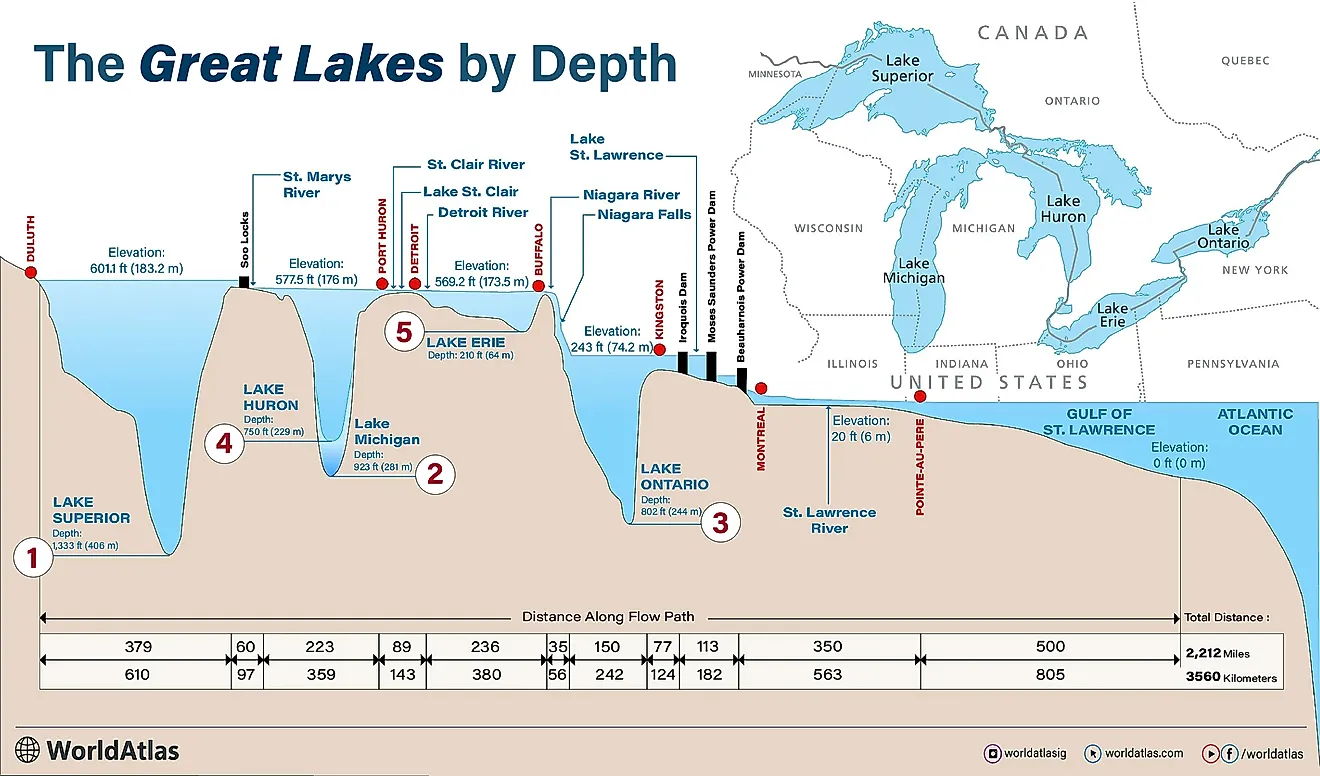
The first confirmed North American population turned up in the St. Clair River in 1990, the channel linking Lake Huron and Lake Erie. That corridor has been a superhighway for trouble, moving zebra mussels, quagga mussels, and gobies alike into the wider basin. The numbers climbed quickly. By 1994 researchers were pulling gobies out of the river in large numbers, and Lake Erie surveys jumped from roughly 200 fish in 1994 to more than 3,000 a year later. Within about five years the species held all five lakes and a tangle of connected tributaries.
Shipping Carried Gobies Across the Lakes

Here is the tell that people did most of the heavy lifting: gobies showed up in places far too distant to have swum there. The fish can creep along connected rivers and shorelines, but the gaps between some populations were simply too wide for a slow bottom-feeder to cover on its own. Commercial shipping closed those gaps. Vessels hopping between Great Lakes ports carry aquatic hitchhikers right past the natural barriers that would otherwise pen a species in.
Genetics backs this up. Some goby populations turn out to be more closely related to distant groups than to their nearest neighbors, which points to separate introductions scattered around the basin rather than one tidy wave rolling out from the St. Clair River. DNA work has even flagged fish that apparently leapfrogged hundreds of miles, a distance no goby is swimming under its own power.
Once they arrived somewhere new, the fish took it from there. Rivers, shorelines, and tributaries let each beachhead expand outward, turning a single drop-off point in the St. Clair River into a basin-wide takeover in just a few years.
Zebra and Quagga Mussels Fueled the Invasion

The gobies arrived at an almost suspiciously convenient moment. Zebra and quagga mussels, ballast-water invaders themselves from the 1980s and 1990s, had already spread through Lakes Michigan, Huron, Erie, and Ontario and rebuilt the lake floor from the bottom up.
Those mussels filter staggering volumes of plankton out of the water, which shifts nutrients away from the open lake and concentrates them down near the bottom. The mussel beds also build new real estate: dense clusters that shelter the aquatic insects, snails, and small crustaceans gobies love to eat. A new pantry, basically, laid out right where the goby likes to hunt.
And the goby brought a party trick. With specialized throat teeth, it can crush and swallow zebra and quagga mussels whole, tapping a massive food supply that almost no other fish in the lakes can use.
The mussels even improved the nursery. Empty shells and the gaps between colonies make tidy, defensible nesting nooks where male gobies stand guard over their eggs. Put it together and the two invaders reinforce each other, which is why the densest goby populations today sit exactly where zebra and quagga mussels blanket the rocky nearshore.
Biology Built for the Takeover

Plenty of species crash a new ecosystem and fizzle out. The goby thrived because it brought the full toolkit: fast breeding, a cast-iron tolerance for rough conditions, a pushy streak, and a menu it can rewrite on the fly. Together those traits let it spread quickly and shove native species aside across the basin.
Start with reproduction. Females can spawn several times between April and September, cranking out batch after batch in a single season, while males guard the nests wedged under rocks and shells until the young hatch. Drop a few gobies into fresh habitat and the population can balloon in short order.
Then there is the toughness. Gobies shrug off near-freezing water and water in the mid-80s Fahrenheit alike, live in fresh or brackish water, and keep going in low-oxygen conditions that would sideline fussier fish. That flexibility opened up harbors, rivers, coastal zones, and just about every other corner of the lakes.
They fight dirty, too. Gobies muscle native mottled sculpins and darters out of the rocky crevices both groups need for shelter and spawning, and their larger size and territorial streak usually win the standoff. Add an opportunist's appetite, insects, crustaceans, snails, fish eggs, small fish, invasive mussels, whatever is going, and you have a fish that is never waiting on a single food source the way many natives are.
Inland Rivers Became the Next Frontier

With the lakes locked down, the gobies turned upstream. Pushing into tributaries and inland rivers carried them into waters that had long belonged to native darters, sculpins, and other bottom-dwellers.
They got there by more than one route. Some populations simply flowed up from the lakes through connected channels; others seem to have arrived by accidental human transport, and genetics shows both fingerprints. In Michigan's Flint River, for instance, researchers traced the population to a small founding group apparently carried in from Saginaw Bay rather than a gradual march upstream.
Dams have slowed the advance in some watersheds, since gobies hug the bottom and are not built for long-haul swimming. But slowed is not stopped. Scientists keep finding gobies above dams they could never have climbed on their own, which means anglers, boats, and gear have been giving them rides.
Pull a barrier out and the floodgates open. After Michigan's Wayne Road Dam came down on the Rouge River in 2012, researchers tracked gobies pushing roughly 14 miles upstream over the next 12 years. Once the wall was gone, the fish wasted no time claiming the newly open water.
Ecological Impacts Continue Today

The goby is now woven deep into the Great Lakes food web, with ripples reaching from native fish all the way to the contaminants moving through the system. The most direct hit lands on native bottom-dwellers. Mottled sculpins and Johnny darters need the same rocky habitat the goby commandeers for feeding, shelter, and spawning, and as goby numbers climbed across parts of the basin, researchers logged declines in some of those native populations. Competition for food and space piles pressure onto fish that were already stretched.
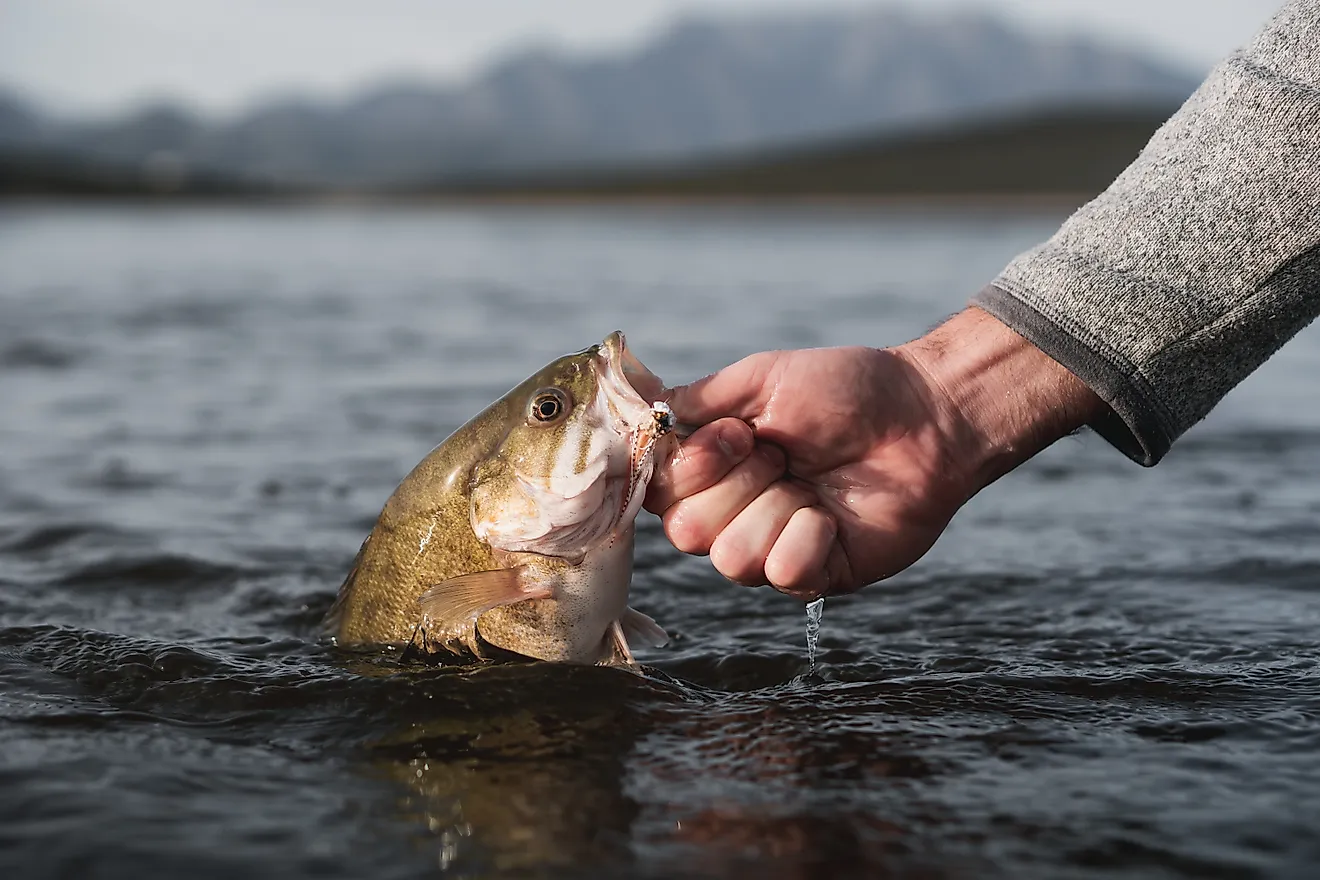
Predation adds to it. Gobies happily eat fish eggs and young fish, including lake trout, lake sturgeon, smallmouth bass, darters, and sculpins. Since many of those fish spawn in shallow rocky areas, their eggs end up developing right where gobies are thickest.
The invasion also reroutes how energy and pollution travel. Gobies eat a lot of zebra and quagga mussels, and those mussels soak up contaminants like PCBs from the water around them. When a bigger predator eats a goby, those toxins ride up the food chain, drawing a straight line from mussels on the lake floor to the top predators above.
Some Native Species Have Adapted

Not every twist in this story is grim. As gobies piled up, several native predators figured out they made an easy meal. Walleye, yellow perch, and smallmouth bass now feed on gobies regularly, especially around the rocky nearshore where the fish swarm, and in some spots the goby has become a staple of the local food supply.
The standout case is the Lake Erie watersnake. Once gobies flooded the western basin, the snakes started eating them in bulk along the shorelines and islands, and the goby now makes up the overwhelming majority of their diet. That dependable food source, paired with habitat protection and years of conservation work, helped the snake bounce back. In 2011 it was taken off the federal threatened species list as a recovered species, one of the relatively few American animals ever delisted thanks to genuine recovery rather than extinction. An invasive fish, oddly enough, helped save a native snake.
The Spread Is Not Over

More than 35 years after that first catch in the St. Clair River, the goby is still on the move. It holds all five Great Lakes and a long list of connected rivers, and it keeps nosing into fresh waterways across the region.
The reasons trace back to that stacked toolkit: it breeds fast, tolerates almost anything, defends its turf aggressively, and feasts on food sources other invaders left behind, the zebra and quagga mussels chief among them.
People remain the wild card. Anglers and boaters can ferry gobies in bait buckets, live wells, and fishing gear, dropping them into waters they would never reach alone, and climate models suggest more rivers and lakes across the Northeast and Upper Midwest could become livable for them down the line.
One Small Fish, One Transformed Lake System
The round goby is a case study in how a single newcomer can reshape an entire freshwater world. In a little over three decades it has rewired food webs, edged out some natives, handed an unexpected lifeline to others, and made itself a permanent fixture of the Great Lakes. Wiping it out is off the table at this point, but slowing it down still matters, because every waterway the goby has not reached yet is one worth defending. Clean your boat, empty your bait bucket, and the fish stays put a little longer.