How Many Invasive Species Live In The Great Lakes?
The Great Lakes (Superior, Michigan, Huron, Erie, and Ontario) contain more than 180 established non-native aquatic species. According to the US Environmental Protection Agency and NOAA’s Great Lakes Aquatic Nonindigenous Species Information System (GLANSIS), about 34% meet the criteria for being invasive, placing the total at roughly 60 to 65 species. These lakes form a single freshwater system that holds about 21% of the world’s surface fresh water and supplies drinking water to more than 30 million people. In this context, an invasive species is not simply introduced; it is a species that establishes itself and impacts how the system functions, either by disrupting food webs, damaging infrastructure, or altering habitat. The species below have reshaped how the Great Lakes function. Each is established across multiple lakes, produces measurable ecological disruption, and is consistently identified as high impact by federal and binational agencies.
What Defines an Invasive Species in the Great Lakes

A species is classified as invasive only if it meets three criteria: it must originate outside the basin, establish a self-sustaining population, and cause measurable harm. Many introduced species fail to meet this threshold, but those that do often induce lasting changes to the ecosystem. The primary entry point for invasive species has been ballast water from cargo ships, particularly following the opening of the St. Lawrence Seaway in 1959, which connected the Great Lakes to international shipping routes. Other pathways include canal systems, aquaculture releases, and the transfer of organisms via boats and gear. Once a species arrives, containment becomes challenging. Water flows freely between the lakes, and human activity further accelerates dispersal. Over time, species that establish in one location can spread throughout the entire basin.
How Invasions Spread

The five lakes are often treated as separate entities, yet they function as one interconnected system. Lake Ontario serves as the initial gateway for many species via the St. Lawrence Seaway. From there, these species migrate to Lake Erie, where warmer temperatures and elevated nutrient levels fuel rapid growth. Meanwhile, Lakes Michigan and Huron exchange water through the Straits of Mackinac, effectively operating as a single unit. Lake Superior, with its colder water and lower productivity, may slow the establishment of species, but it certainly does not prevent it, and species that can tolerate a broader range of conditions eventually make their way there as well. This pattern is consistent. While entry may be localized, the effects are rarely confined.
Zebra Mussel

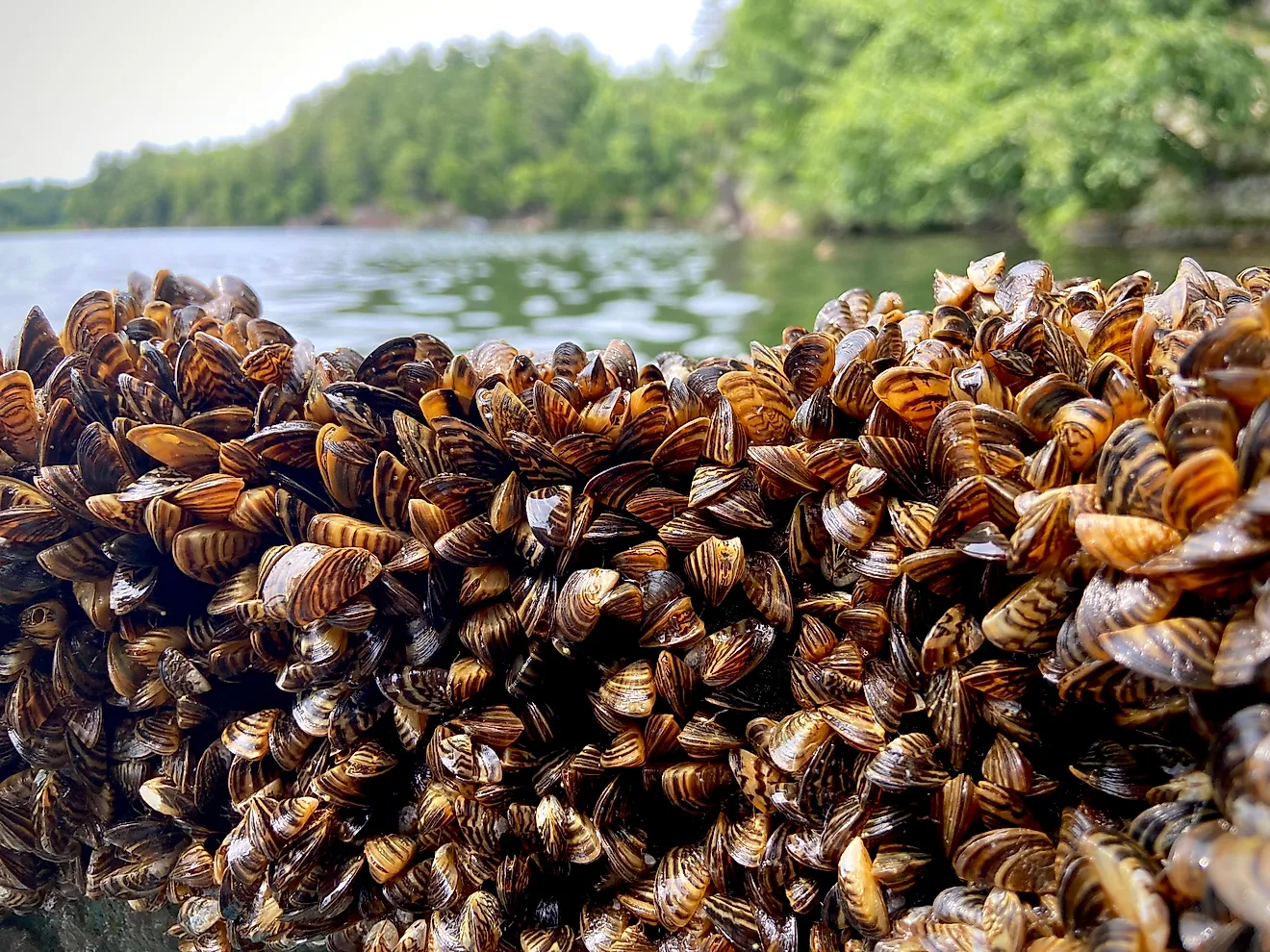
Zebra mussels made their unwelcome debut in the late 1980s, rapidly spreading across all five lakes. These invasive creatures cling to hard surfaces and reproduce at an alarming rate, often covering infrastructure, rocks, and native mussels within a short period of time. Their impact is largely due to their feeding habits. Zebra mussels filter plankton from water, eliminating a crucial food source for fish larvae and other native species. While the water becomes clearer, that clarity masks a significant loss of suspended life, and with fewer particles drifting in the water, sunlight penetrates deeper areas, prompting algae to flourish along the lakebed near the shore.
Additionally, they alter the physical environment. Native mussels often find themselves buried beneath dense clusters of zebra mussels, while intake pipes used by cities and industries become severely clogged. Once zebra mussels establish themselves in open water, eradication becomes nearly impossible, forcing management efforts to concentrate on curbing further expansion.
Quagga Mussel

Quagga mussels behave a lot like zebra mussels in deeper regions of the lakes, thriving in colder temperatures and lower light conditions. This adaptability allows them to colonize previously less-affected offshore areas, and this shift is significant because it changes where energy is available. By filtering plankton and depositing nutrients on the lakebed, quagga mussels redirect food sources away from open water to the bottom-dwelling communities, and fish that depend on plankton lose access to it. In offshore zones of Lakes Michigan and Huron, quagga mussels now dominate the lakebed across large areas. Their presence has fundamentally reshaped large sections of the ecosystem in ways that are challenging to reverse.
Sea Lamprey

Sea lamprey affects the system in a more direct way. As a parasitic fish, the sea lamprey attaches to other fish with its circular mouth lined with sharp teeth, feeding on their blood and tissue. The damage it inflicts is not only visible but often fatal. Its spread in the early 20th century led to sharp declines in native fish populations, particularly lake trout. The scale of the impact prompted coordinated management across the basin. Control efforts focus on interrupting the lamprey’s life cycle. Chemical treatments target larvae in spawning streams, and barriers prevent migration. Although these measures have successfully reduced populations, they require continuous effort, and the species remains established.
Round Goby

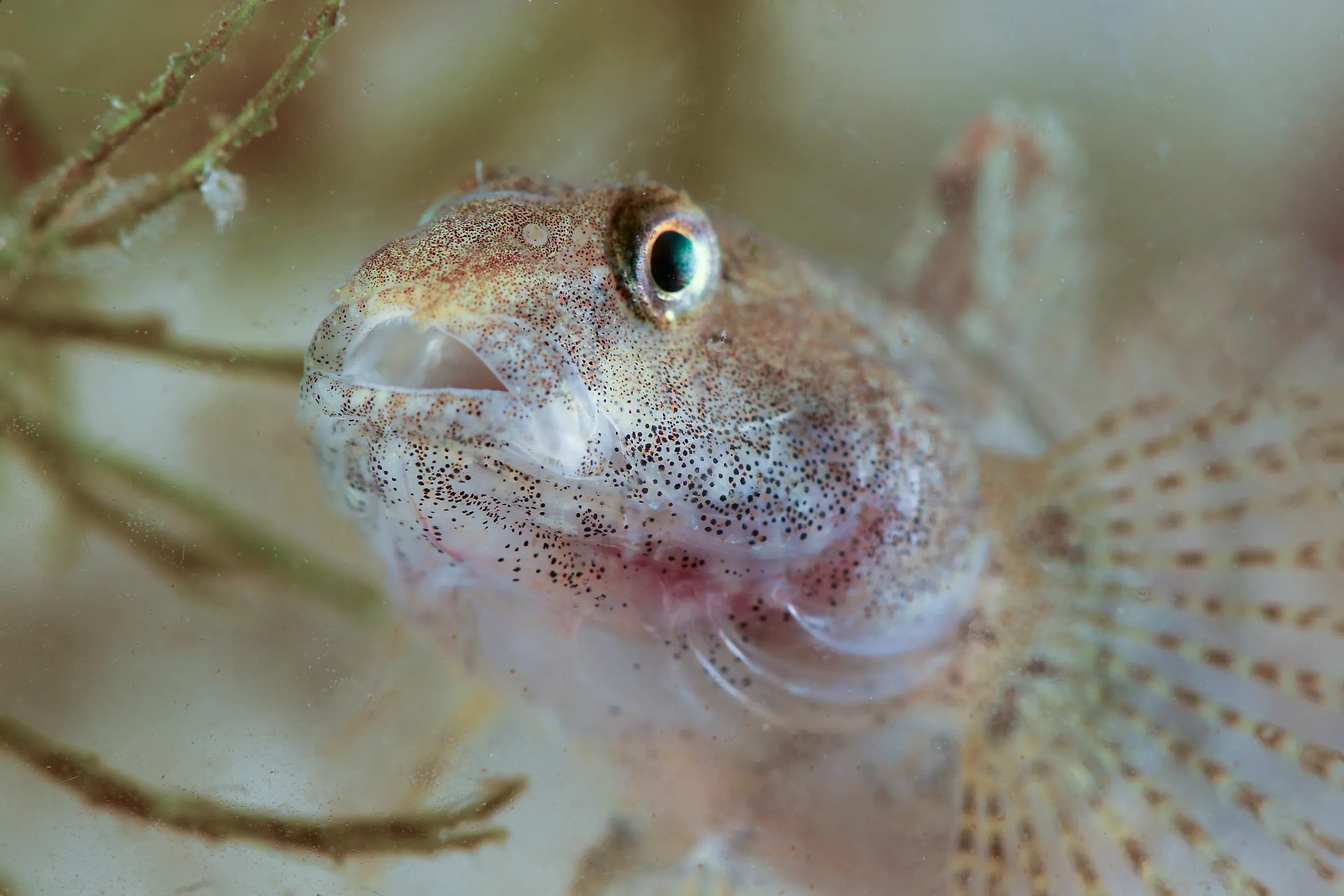
Round gobies have taken over since their introduction in 1990, quickly establishing themselves in rocky niches along the lakebed. Their rapid reproduction allows them to outcompete native fish for both space and food, tipping the scales of the ecosystem. Their impact is cumulative and visible across multiple parts of the food web. They voraciously consume eggs and juvenile fish, stifling recruitment for native species. Some predators now hunt gobies as their food, but this change shows that they are adjusting, not that the ecosystem is getting better. The overarching structure of the ecosystem is still irrevocably changed.
Alewife

Alewives surged through the Great Lakes, entering via canal connections and capitalizing on reduced predator pressure. Their diet of plankton and fish larvae has significant repercussions for native fish populations. At times, their populations swelled beyond the system's capacity to sustain them. Massive die-offs along shorelines became a common sight, leaving large stretches of shoreline covered in dead fish.To curtail their population, fisheries managers introduced species of Pacific salmon. These predators helped stabilize alewife numbers and created a recreational fishery that still stands. The system adjusted, but it did not revert to its former condition.
Grass Carp
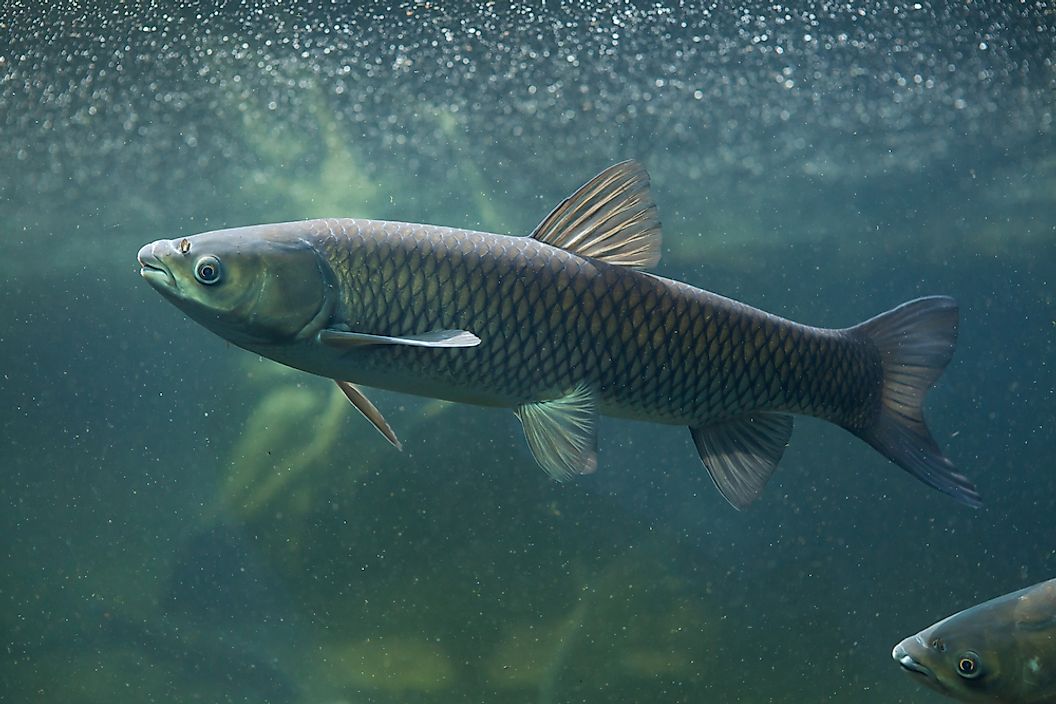
Grass carp affect the system by eliminating aquatic vegetation. They consume substantial quantities of plant material in wetlands and shallow areas, where the flora supports fish habitats and shoreline stability. The result is a simplified ecosystem with fewer species and less structural complexity. Spawning areas diminish, resulting in a decline in biodiversity. Because their impact depends on population size, management strategies prioritize early detection and eradication before breeding populations can become established.
Common Reed (Phragmites australis)

The invasive strain of common reed spreads along shorelines and wetlands, forming dense stands that displace native plants. These stands restrict movement and reduce habitat diversity. They also impact water flow and sediment patterns. Once established, this tall grass spreads through underground rhizomes, making removal difficult. Control requires repeated intervention, but even then, regrowth is common.
Spiny Waterflea

The spiny water flea operates at a smaller scale but still affects the system. It feeds on zooplankton, reducing food availability for young fish. Its long spine makes it harder for predators to consume, allowing populations to grow quickly. Although it is small, its presence becomes noticeable when it collects on fishing lines. Its impact is less visible than that of larger species, but it alters the base of the food web in ways that affect the entire system.
Keeping the Great Lakes Stable
A healthy lake depends on more than clear water. It depends on native plants, fish, invertebrates, and coastal habitats supporting one another. Invasive species disrupt that balance, sometimes suddenly and sometimes so gradually that the scale of change only becomes clear years later. Although the Great Lakes have changed too much to return to a previous state, they still function under altered conditions, shaped by biological change. Protecting the Great Lakes will continue to require prevention, monitoring, public awareness, and long-term management grounded in science. Without that work, the losses will not stay local. They will accumulate across the basin, one disrupted relationship at a time.