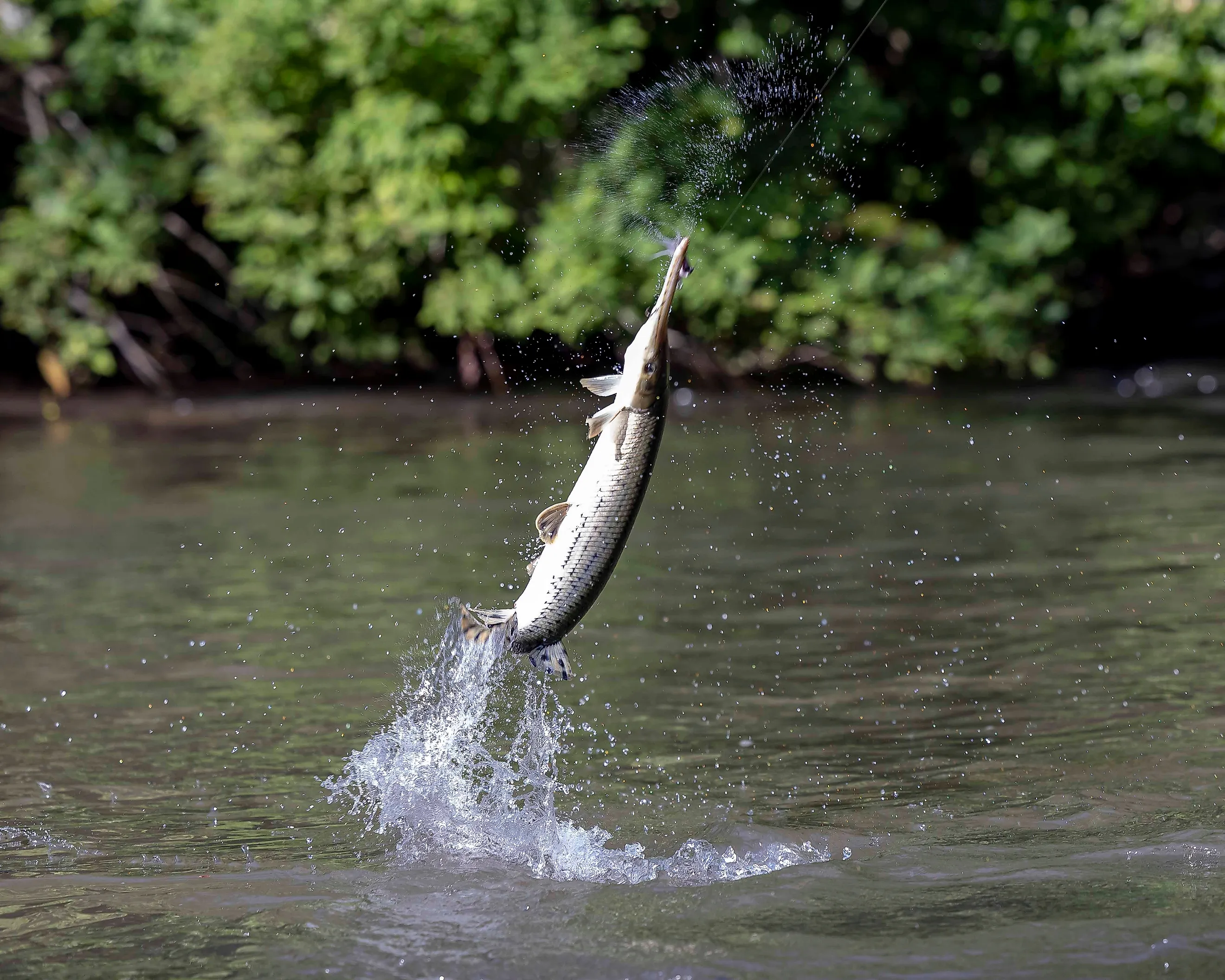
The Lakes Where Gar Grow Largest
When anglers mention giant gar, they are usually referring to the alligator gar, which is the largest species in the gar family and among the biggest freshwater fish in North America. A true trophy can surpass eight feet and weigh over 300 pounds. These armored, prehistoric fish grow slowly and live for many decades, so a fish of that size could be older than the angler trying to catch it. Their distribution isn't even across the map; the largest specimens are found in a select few warm, fertile Southern lakes and reservoirs, mostly in Texas— the last state with a sustainable trophy alligator gar fishery. Below are the waters where gar grow the largest and what you should know before attempting to catch one.
Sam Rayburn Reservoir, Texas

The largest lake entirely within Texas is also home to the current rod-and-reel benchmark. In September 2023, angler Art Weston landed a 283-pound alligator gar on Sam Rayburn Reservoir while fishing a 6-pound-test line with guide Kirk Kirkland. The fight lasted nearly three hours and set the all-tackle world record for the species. The fish measured over eight feet and was estimated to be roughly 100 years old before being released. Better known nationally as a trophy largemouth factory in the East Texas Piney Woods, Rayburn's deep, fertile water and heavy forage base clearly grow gar to the same outsized scale.
Lake Livingston, Texas

Lake Livingston matters because of what it feeds. The slow, deep, sediment-rich Trinity River below this reservoir holds the highest concentration of trophy-class alligator gar anywhere on Earth, and Livingston itself anchors the top of that system. The lake and the river down to the coast make up Texas Parks and Wildlife's managed trophy zone, where a limited annual lottery allows a small number of anglers to harvest one fish over 48 inches. For most, though, the Trinity corridor is strictly catch-and-release trophy territory, and Livingston is a logical base for pursuing it. If you want a realistic shot at a 200-pound gar, this watershed is the address.
Falcon Lake, Texas

Down on the Rio Grande along the Texas-Mexico border, Falcon International Reservoir supports a robust alligator gar population in some of the warmest water on this list. Warmth matters for gar, which thrive in the low-oxygen, sun-heated shallows that would stress other big predators, thanks to a swim bladder they can gulp air into like a lung. Falcon is famous as a big-bass destination, but it shares that water with plenty of gar, and unlike much of the state, the South Texas culture around Falcon includes anglers who target them for the table. It is a productive, if less publicized, trophy-gar water.
Lake Chotard, Mississippi
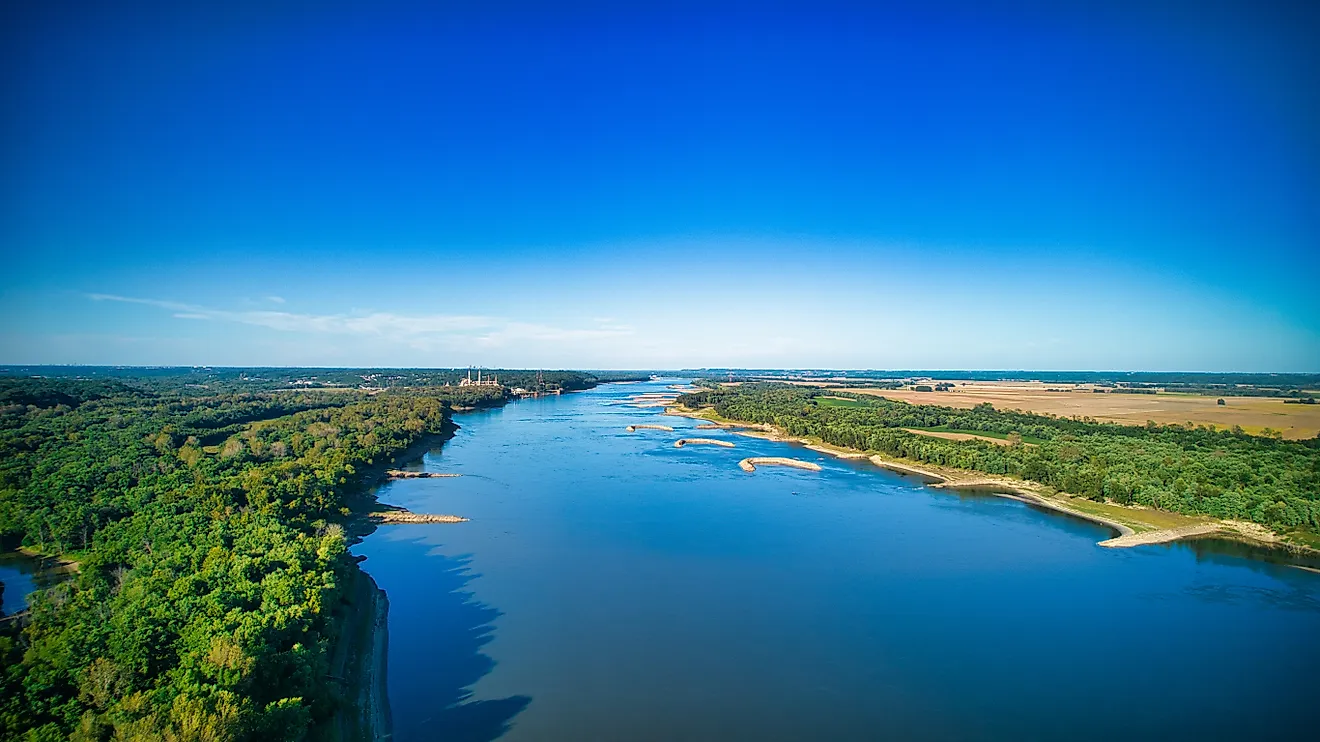
Any conversation about the biggest gar starts here. Lake Chotard, a Mississippi River oxbow near Vicksburg, produced the largest alligator gar ever verified: a 327-pound fish measuring 8 feet, 5 inches, netted by a commercial fisherman in 2011. Researchers later aged the fish to somewhere between 70 and 95 years by reading its ear bones, a reminder of how long it takes these animals to reach that size. The gar was donated to the Mississippi Museum of Natural Science, where it is still on display. It was an accidental net catch rather than a rod-and-reel record, but it remains the benchmark every trophy gar hunter measures against.
Toledo Bend Reservoir, Texas and Louisiana

Straddling the Sabine River on the Texas-Louisiana border, Toledo Bend is one of the country's largest reservoirs, at more than 181,000 acres. Its endless flooded timber, coves, and vegetated backwaters are exactly the kind of cover alligator gar favor. Like the other big Texas impoundments, it is nationally ranked for bass, and the gar simply come with the territory, sharing the same fertile, structure-rich water. The sheer scale of the place, over 65 miles long, means enormous stretches of prime, lightly pressured gar habitat. That combination of size, warmth, and forage is a reliable recipe for big fish.
Lake Corpus Christi, Texas

This South Texas reservoir on the Nueces River has a well-known reputation for oversized gar. It made headlines in 2012 when a bowfisherman pulled a fish from a connected canal that witnesses described as "car-sized," the kind of story that sounds like an exaggeration until you remember what this species is capable of. Warm, turbid, and rich in forage, Lake Corpus Christi fits the profile of a big-gar water perfectly. It gets far less trophy-gar attention than the Trinity system, which is precisely why some anglers who prefer solitude and an outside shot at a giant point their boats here.
Caddo Lake, Texas and Louisiana

Caddo, the sprawling cypress maze on the Texas-Louisiana border, is the most atmospheric and genuine gar water on this list. Its labyrinth of moss-draped bayous, sloughs, and flooded timber is textbook alligator gar habitat: warm, slow, shallow, and thick with the smaller fish gar eat. It is not a numbers-of-giants factory like the Trinity, but it produces good fish and offers something the big open reservoirs cannot, the experience of hunting a living fossil through a primordial swamp. For sight-fishing and bowfishing especially, few places feel more fitting. Learn more at our Caddo Lake page.
Choke Canyon Reservoir, Texas

Choke Canyon, on the Frio River near Three Rivers, rounds out the list with a track record of line-class records, including several set by record specialist Art Weston. It is worth a caveat, though: Texas Parks and Wildlife has noted that heavy commercial harvest after the reservoir was impounded knocked back its numbers of large gar, a cautionary tale that helped drive the state's modern conservation approach. The big fish are fewer here than they once were, but Choke Canyon still holds genuine trophies and underscores the larger point of this list. Alligator gar take a human lifetime to grow, so the waters that still produce giants are worth protecting and worth fishing carefully.