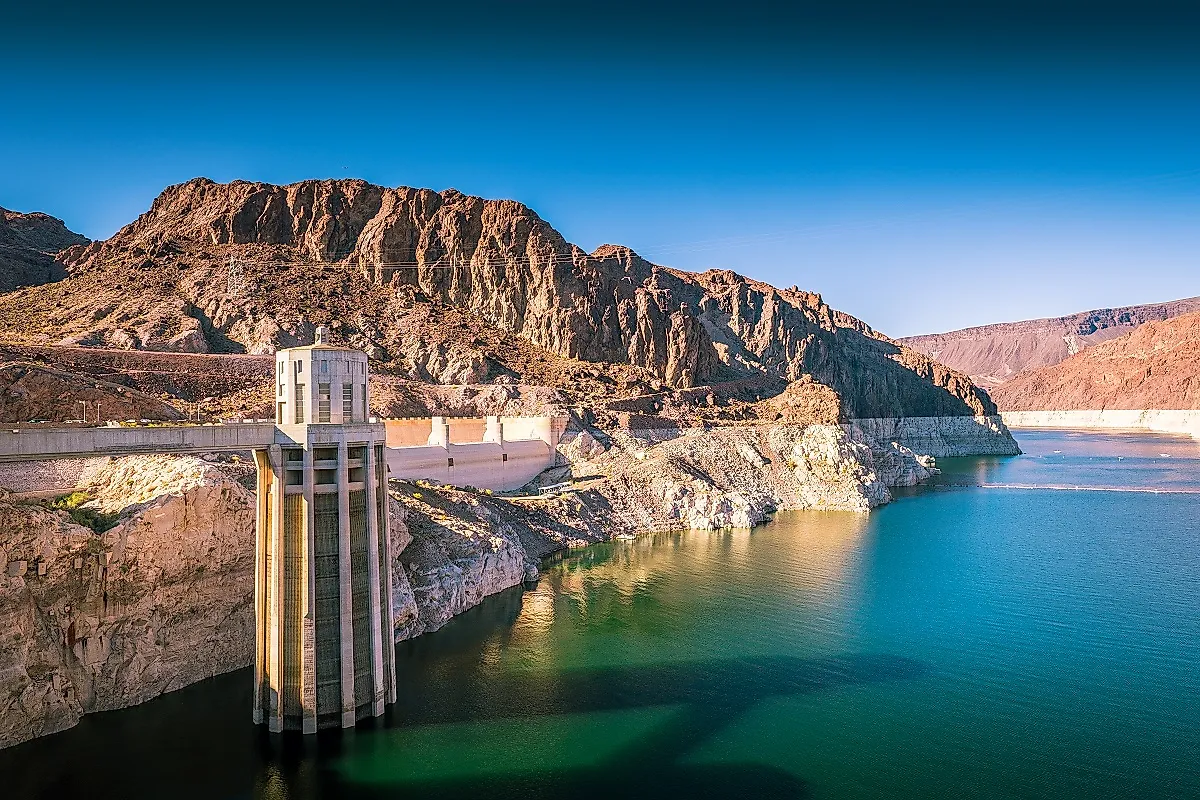
How Long Would It Take To Refill Lake Mead?
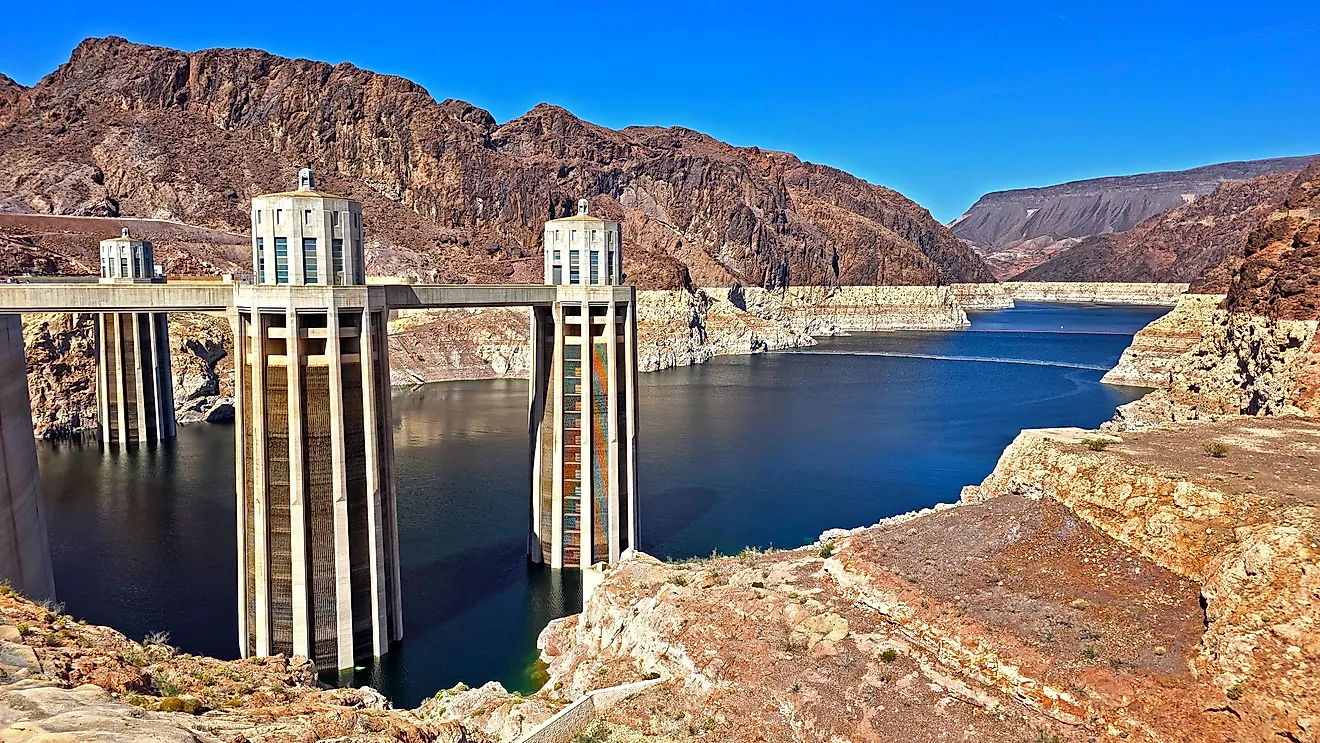
Formed by holding back the Colorado River with Hoover Dam, Lake Mead was designed to hold up to 28.9 million acre-feet (roughly 9.4 trillion gallons or 36 trillion liters) of water at full capacity. A multi-decade megadrought across the American Southwest, combined with heavy municipal and agricultural water demand, has severely depleted the reservoir. It now sits below 30% of capacity, and in August 2026 it fell to its lowest level since the lake first filled in the 1930s, leaving a deficit of roughly 20 million acre-feet.
That deficit raises an obvious question: how long would it take to refill Lake Mead to its designed capacity? In purely theoretical terms, cutting the outflow or boosting the inflow could do it in as few as two to three years. Under a more realistic scenario that depends on vastly improved water management and favorable weather, a refill could take 30 to 50 years, and even that may be optimistic. It is entirely possible that the reservoir never again reaches full capacity.
Why Is Lake Mead Shrinking?

The reservoir's decline comes from a warming climate and a long-standing imbalance in how the river's water is used. When the 1922 Colorado River Compact divided the river among seven Western states and Mexico, negotiators relied on flow estimates drawn from an unusually wet stretch of record. The legal rights handed to downstream users in Arizona, Nevada, California, and Mexico ended up exceeding what the river actually produces in a normal year.
In the 21st century, climate change sharpened that structural overallocation. Warmer temperatures in the Rocky Mountains cut spring snowpack runoff, while higher heat across the basin sped up evaporation. Lake Mead alone loses about 800,000 acre-feet of water to evaporation each year. More than two decades of dry conditions steadily emptied the reservoir's deep buffer reserves.
How Long Did It Take To Fill?

To gauge how the lake might refill now, it helps to look back at how it filled the first time. Crews closed the last of Hoover Dam's diversion tunnels in February 1935, and water began impounding behind the concrete structure. Back then, the Colorado River ran freely, without the upstream Glen Canyon Dam (which later formed Lake Powell) intercepting its flow.
By July 1941, about 6.5 years later, Lake Mead reached its full-pool elevation of roughly 1,220 feet (372 meters) above sea level for the first time. Repeating that timeline today is nearly impossible under normal operations. Lake Powell now sits upstream and captures much of the runoff before it reaches Lake Mead. On top of that, large cities and farming regions depend on continuous releases from Hoover Dam, which keeps water managers from simply closing the gates.
Refilling With Outflow Cuts

One theoretical way to refill Lake Mead quickly is to restrict or halt the water released through Hoover Dam to downstream users. Assume a baseline inflow into the reservoir of roughly 9.0 million acre-feet per year (releases from Lake Powell plus side tributaries) and subtract the 800,000 acre-feet lost annually to evaporation. That leaves a net of about 8.2 million acre-feet of available water each year before any downstream releases.
With a 100% outflow cut that shut off all downstream releases to California, Arizona, Nevada, and Mexico, erasing the 20 million acre-foot deficit and returning the lake to full capacity would take about 2.5 years. It would also collapse agriculture across millions of acres and cut off drinking water to major metros such as Los Angeles, Phoenix, and Las Vegas.
A 50% outflow cut would slash downstream allocations from roughly 9.6 million acre-feet to 4.8 million, leaving the reservoir a net surplus of about 3.4 million acre-feet per year. At that pace, closing the deficit would take just under six years. Even a 50% cut, though, would be devastating to farms and city water supplies alike.
Refilling With Inflow Increases

Rather than cutting human consumption, another approach asks what happens if precipitation and mountain runoff rise while downstream releases hold steady. Picture a 100% inflow increase, an unprecedented run of massive winter snowpacks that doubles average inflows from 9 million to 18 million acre-feet per year. The lake would then gain a net surplus of roughly 7.6 million acre-feet annually and refill in about 2.6 years.
A more modest but still unlikely 25% inflow increase, lifting annual inflows to 11.25 million acre-feet, would outpace losses by about 850,000 acre-feet a year. Refilling the reservoir under that surplus would take roughly 23.5 years.
A mere 10% inflow increase, to 9.9 million acre-feet per year, would still fall short of the roughly 10.4 million acre-feet needed for standard downstream demand and evaporation. Under that scenario, the lake would keep slowly declining unless water managers also cut consumption.
Realistic Scenarios

In practice, neither a full shutoff of downstream water nor a sustained doubling of Rocky Mountain snowpack is realistic. The most plausible path to recovery blends moderate year-to-year weather swings with negotiated policy change. Under updated operating guidelines, Lower Basin states have agreed to conservation measures aimed at trimming annual water use by 2 to 4 million acre-feet.
If those states make usage cuts permanent while the climate delivers average to slightly above-average winter snowpack, Lake Mead could reasonably add between 400,000 and 600,000 acre-feet in net storage per year. At that steady pace, restoring the lake to full capacity would take 30 to 50 years. Should warming instead shrink Colorado River flows by another 10% to 20% over the coming decades, even solid conservation might only hold the lake at today's low level, pushing a full recovery past 80 years or out of reach entirely.
A Long Refill Road
Because Lake Mead's decline grew out of decades of over-allocation layered onto a warming climate, any recovery would demand both cooperative weather and real human sacrifice. Severe emergency cuts or an extraordinary run of wet years could, in theory, top off the reservoir in under a decade, but a realistic recovery horizon runs 30 to 50 years. If it happens at all, refilling Lake Mead will take a multi-generational effort that ties together water management and conservation across the American Southwest.