The American Towns Built Above An Abandoned Coal Mine
Beneath some American towns lies a forgotten network of coal tunnels, shafts, and abandoned mining chambers. In Colorado, the growing communities of Frederick, Firestone, and Dacono occupy land once heavily mined for coal, where underground voids remain a concern for developers and homeowners. In Gallup, New Mexico, abandoned mines extend beneath residential neighborhoods, schools, and shopping centers, with ground subsidence documented since the 1980s. Centralia, Pennsylvania, offers a more dramatic warning: an underground mine fire burning since 1962 has forced nearly everyone to leave. From expanding suburbs to nearly deserted communities, these towns reveal how America's coal-mining past continues to shape life aboveground.
Frederick, Firestone, and Dacono - Colorado

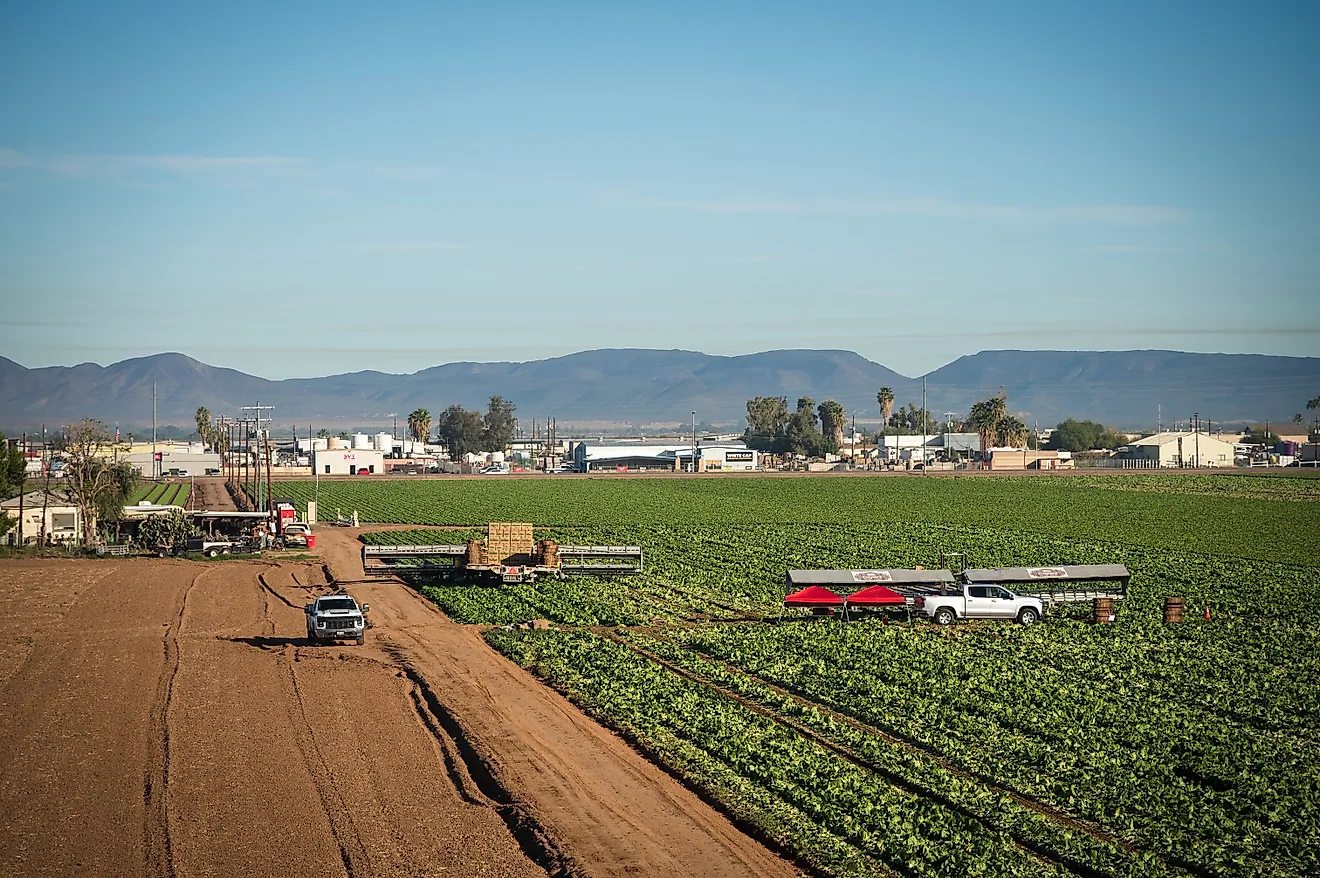
Known as the Tri-Town or the Carbon Valley, these three growing suburban Denver cities are built atop an extensive, interconnected abandoned coal mine. According to the US Geological Survey, maps show abandoned room-and-pillar coal mines running 50 to 150 feet beneath the entire area of these towns. Together, these cities cover a combined land area of 37.46 square miles per the US Census Bureau.
Dacono's current population equals 6,297 residents according to 2020 U.S. Census data. Frederick's population for the same period is 14,513, and Firestone's is 16,381. The area belonging to these three towns lies within Weld County and includes extensive residential and commercial zones built above vast networks of shallow underground coal voids.
Carbon Valley sits off the Interstate Highway I-25 corridor between Denver and Ft. Collins. Each of these towns has become a popular destination for new home builders, especially for premier master-planned residential communities with supporting commercial businesses, public, and private schools. One modern-day construction project successfully built the latest Frederick-Firestone Fire Station No. 5 using modern structural design that supports the building even when built directly over an abandoned mine shaft.
The Colorado Geological Survey measures and reports on the Boulder-Weld coal fields in the Carbon Valley area. Underground coal mining persisted here until 1979, when the Lincoln Mine closed. A Colorado Geological Survey study completed in 1987 covers hazard evaluation, land use, and subsidence occurrences in the area.

Colorado homeowners and business owners should know that standard homeowner insurance policies do not cover subsidence. The state of Colorado offers a Colorado Mine Subsidence Protection Program that may provide up to $100,000 USD for repairs on eligible homes. Questions about the program can be directed to 303-866-3567 or 1-800-44MINES. If you see an active sinkhole opening or ground collapse, call 911 immediately.
Home sellers must disclose the presence of underground mines as an adverse material fact. However, the legal framework includes a knowledge loophole. If a seller doesn't know for a fact there's an abandoned mine below the home, they don't have to disclose it. The risk is assumed by the buyer because sellers are not legally obligated to research public records, order a geological survey, or search for shafts. Underground coal mines in the Carbon Valley and surrounding area are frequently linked to higher wildfire risk, surface vent heating, and issues with cracked or sinking foundations and roadways due to subsidence.
Centralia, Pennsylvania

Centralia is built directly over an old anthracite coal seam. In 1962, an underground coal mine fire ignited and continues to burn even today. The result is toxic smoke and cracking or unstable ground. Nearly all residents have since left. However, there were 5 residents recorded in the US Census in 2020 and 1 housing unit.
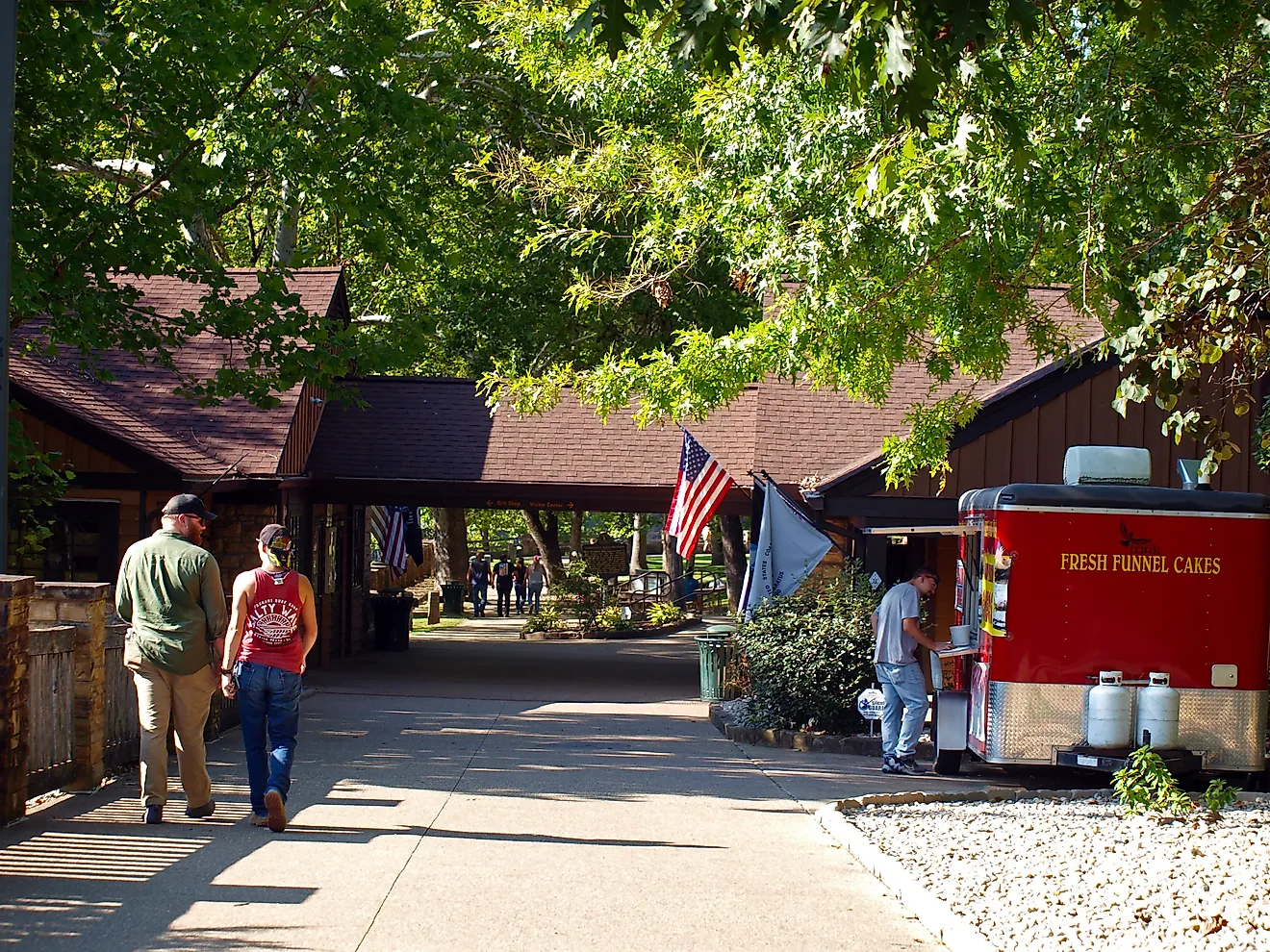
Most homes were demolished as residents were relocated in the 1980s and 1990s, and only a handful still stand. The town has an array of cracked sidewalks and overgrown trees. Visitors can see the Assumption of the Blessed Virgin Mary Ukrainian Greek-Catholic Church and peruse the local cemetery. The town is known for its Graffiti Highway, where an abandoned section of Route 61, covered with graffiti, was buried in dirt by its private owner in 2020 to deter trespassing and vandalism.
Thurmond, West Virginia
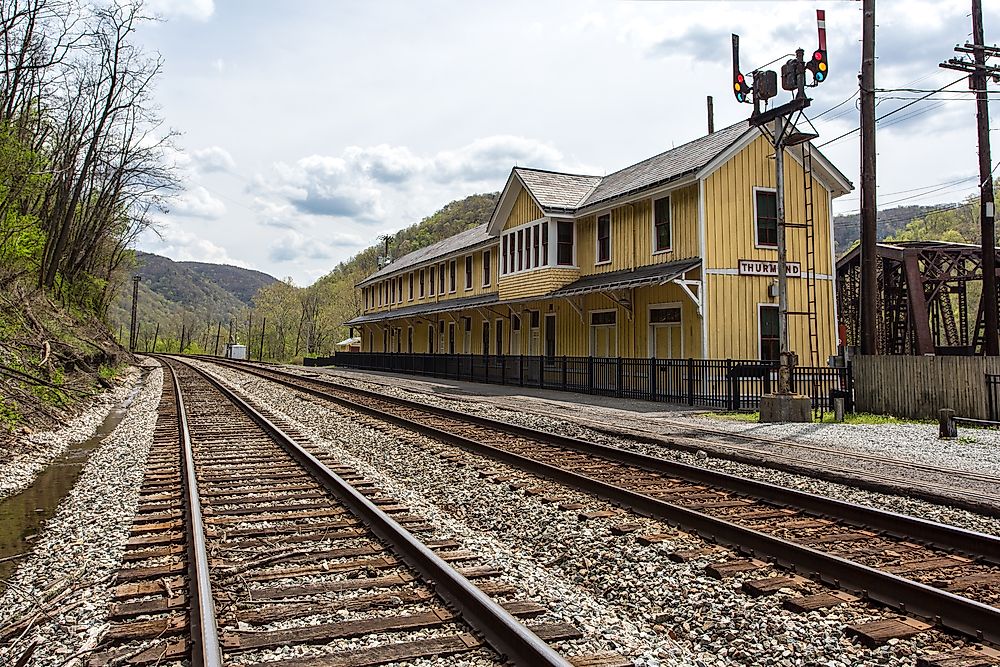
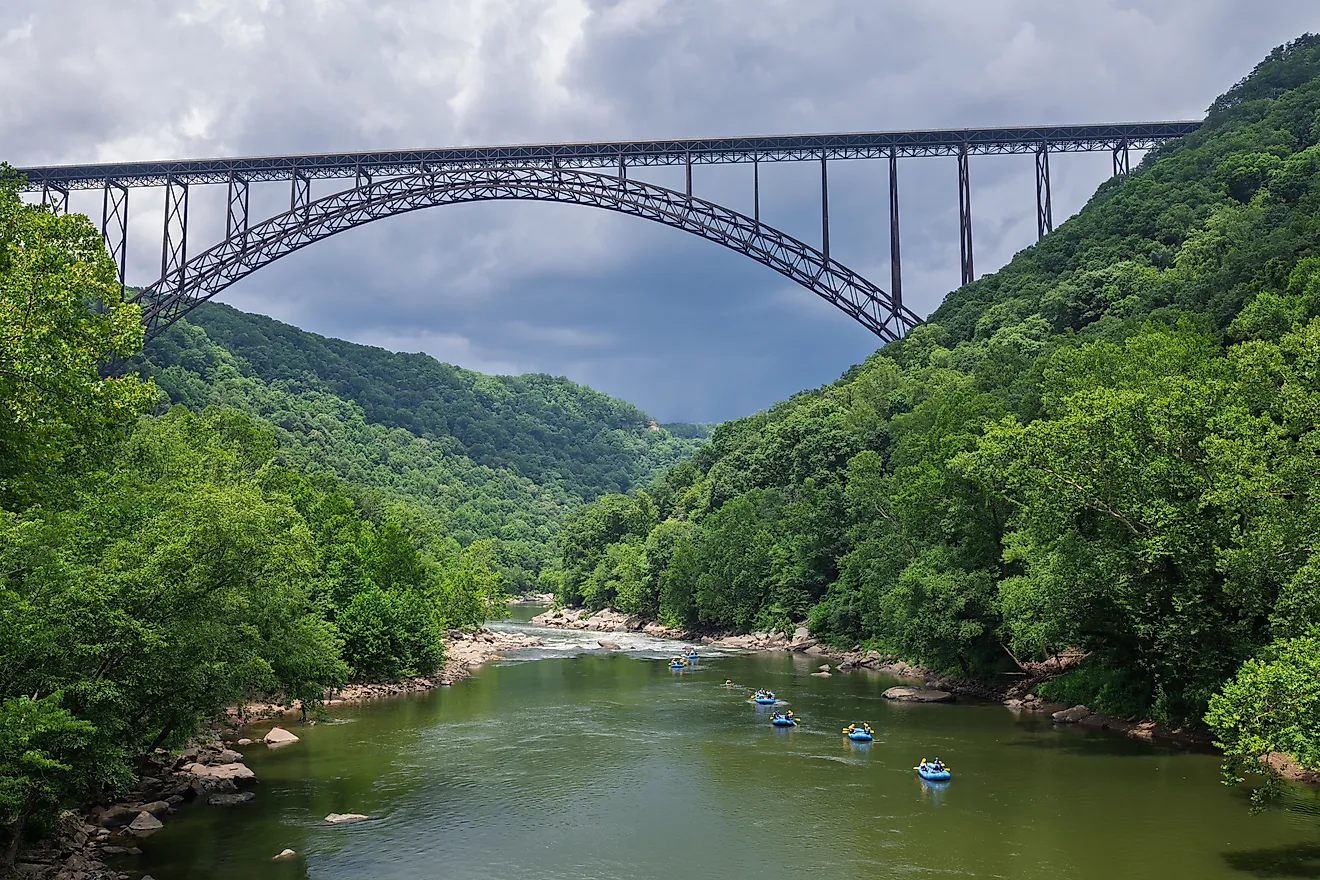
Thurmond was not built directly on top of a coal mine, but its rise and eventual decline were closely tied to the coal industry. Rather than operating as a mining town, Thurmond became a major railroad hub for transporting coal extracted from mines throughout the New River Gorge. During the early 1900s, enormous coal shipments made Thurmond one of the Chesapeake & Ohio Railway's most profitable stops. Fifteen passenger trains passed through daily, while wealthy coal operators supported a thriving downtown filled with hotels, banks, and businesses.
However, as nearby mines closed and railroads transitioned from steam to diesel locomotives, Thurmond's economy deteriorated. Businesses shuttered, residents moved away, and the once-bustling railroad town became nearly deserted. Unlike communities threatened by collapsing underground mine workings, Thurmond illustrates the economic consequences of coal mining's decline.
Today, Thurmond is preserved within New River Gorge National Park and Preserve. Visitors can explore remnants of its historic commercial district and the restored 1904 Chesapeake & Ohio Railway Depot, which now serves as a seasonal visitor center. Amtrak's Cardinal still stops in Thurmond, keeping the town's railroad heritage alive more than a century after its coal-fueled boom.
Gary, West Virginia

Gary remains open with a small population of 773 according to 2020 U.S. Census Data. Originally founded by the U.S. Steel company in 1902, Gary quickly grew into one of the largest coal camps and producers worldwide. Homes, businesses, and the town's infrastructure were built directly over extensive, active underground mines. Gary's boom saw the population grow to an estimated 15,000 residents. Gary's decline started in the 1980s when U.S. Steel shut down its mining operations. The economy tanked, and the majority of residents moved away. According to the U.S. Census data for 2020, Gary's 773 residents have a median household income of $41,603 and a median home value of $50,900, both far below the U.S. national averages.
Residents who continue to live and work in Gary retain a strong interest in the town's coal mining history. Another upside is the extremely low cost of living. The downside is living in structures built atop abandoned coal mines and being exposed to the pollution mining leaves behind. Financial constraints and scarce jobs in the region make it difficult to move. The town's failing infrastructure frequently leaves residents with brown water and washed-out bridges.
Gallup, New Mexico

Gallup remains a growing town with a U.S. Census-recorded population of 21,899 as of 2020. Despite the abandoned coal mines beneath parts of the town, among the 15,000 or more abandoned legacy mine features the New Mexico Mining & Minerals Division estimates statewide, the town continues to build. Modern home and property builders risk accidentally puncturing shafts, exposure to toxic gas, fire, and unstable soil.
Builders are required to pass local planning and zoning regulations, which means ordering a geotechnical and engineering survey. When designing and building new structures, builders must mitigate the risk of mine subsidence, sinkholes, and shifting ground surfaces. However, that doesn't cover buildings previously constructed directly above abandoned room-and-pillar coal mines.
Similar to the Carbon Valley area of Colorado, housing developments, schools, retail, and other businesses operate above abandoned coal tunnels and voids. Gallup residents have experienced increasingly frequent subsidence since the early 1980s. Some residents have experienced large sinkholes opening in backyards, schoolyards, and parks. Another issue for Gallup is long-smoldering underground coal fires that release toxic gases to the surface or leak contaminated water into local water sources, rivers, or basins.
Regardless of the risks, the town of Gallup continues to attract residents. The economy is strong, supported by institutional employment at local healthcare centers such as the Gallup Indian Medical Center and the Rehoboth McKinley Christian Health Care Services center. The town is also an indigenous people hub conveniently located near the Navajo Nation and Zuni Pueblo.
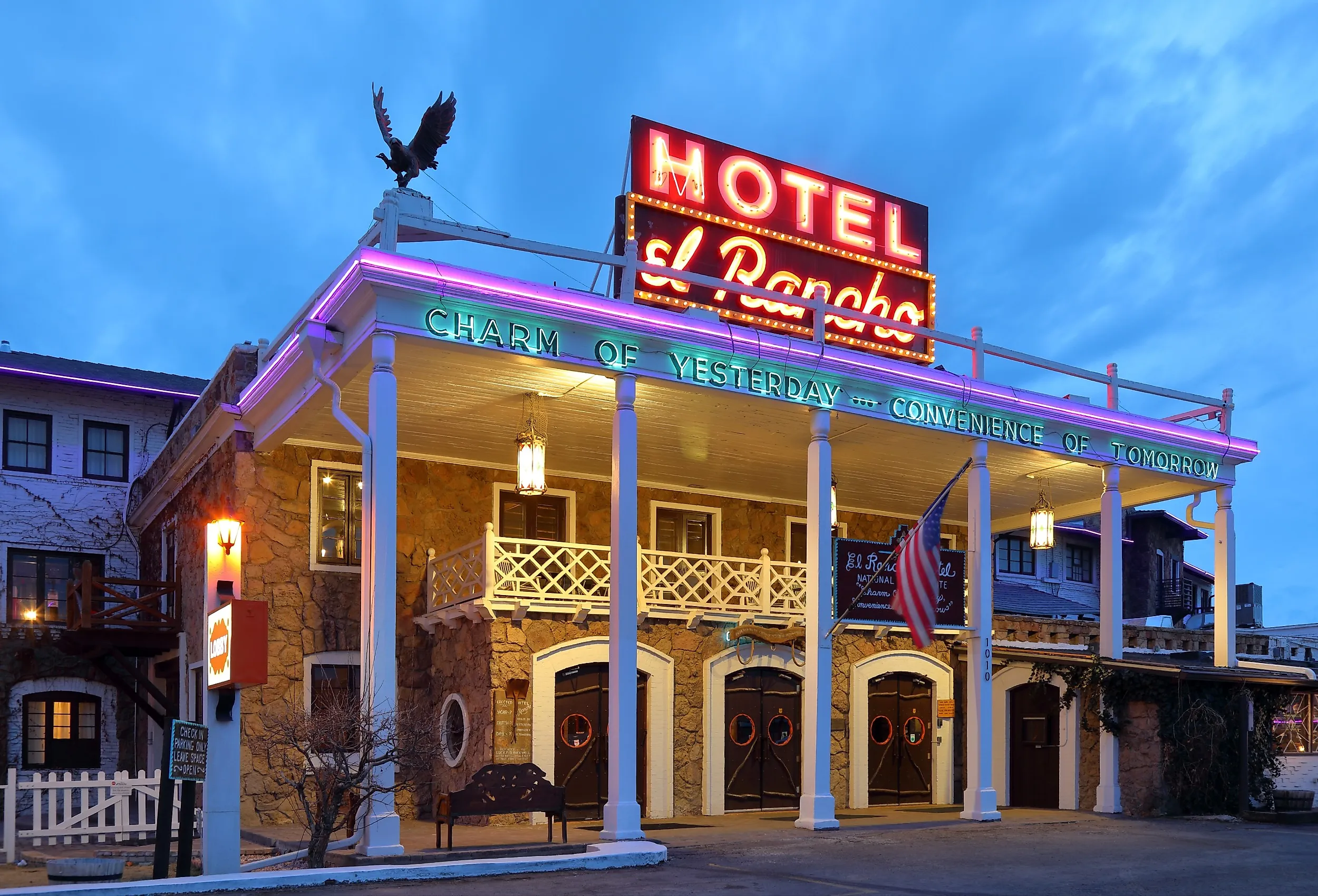
Surrounded by high-desert landscapes and red-rock formations, Gallup is home to Red Rock Park. Residents come to Gallup to hike, bike, climb, or otherwise enjoy the wide open spaces. Additionally, Gallup sits along the historic Route 66 and continues to thrive as an indigenous trade and creative hub.
Every town built on top of poorly documented, unmapped, abandoned mines presents significant risk of harm for both residents and visitors. Even driving through these towns could result in falling into a suddenly appearing sinkhole or hiking and falling into a hidden mine shaft. When visiting these towns, be aware of where you are and what is ahead. During rain or other inclement weather, especially flash floods or heavy rain, be especially alert for sinkholes and sudden ground collapse.
Residents living in these towns should be aware of local emergency help contacts, home insurance options, and look for local government subsidence support programs. Home buyers should be wary of purchasing new or used homes in these towns without a comprehensive geotechnical engineering survey.