The National Parks With The Most Bobcats
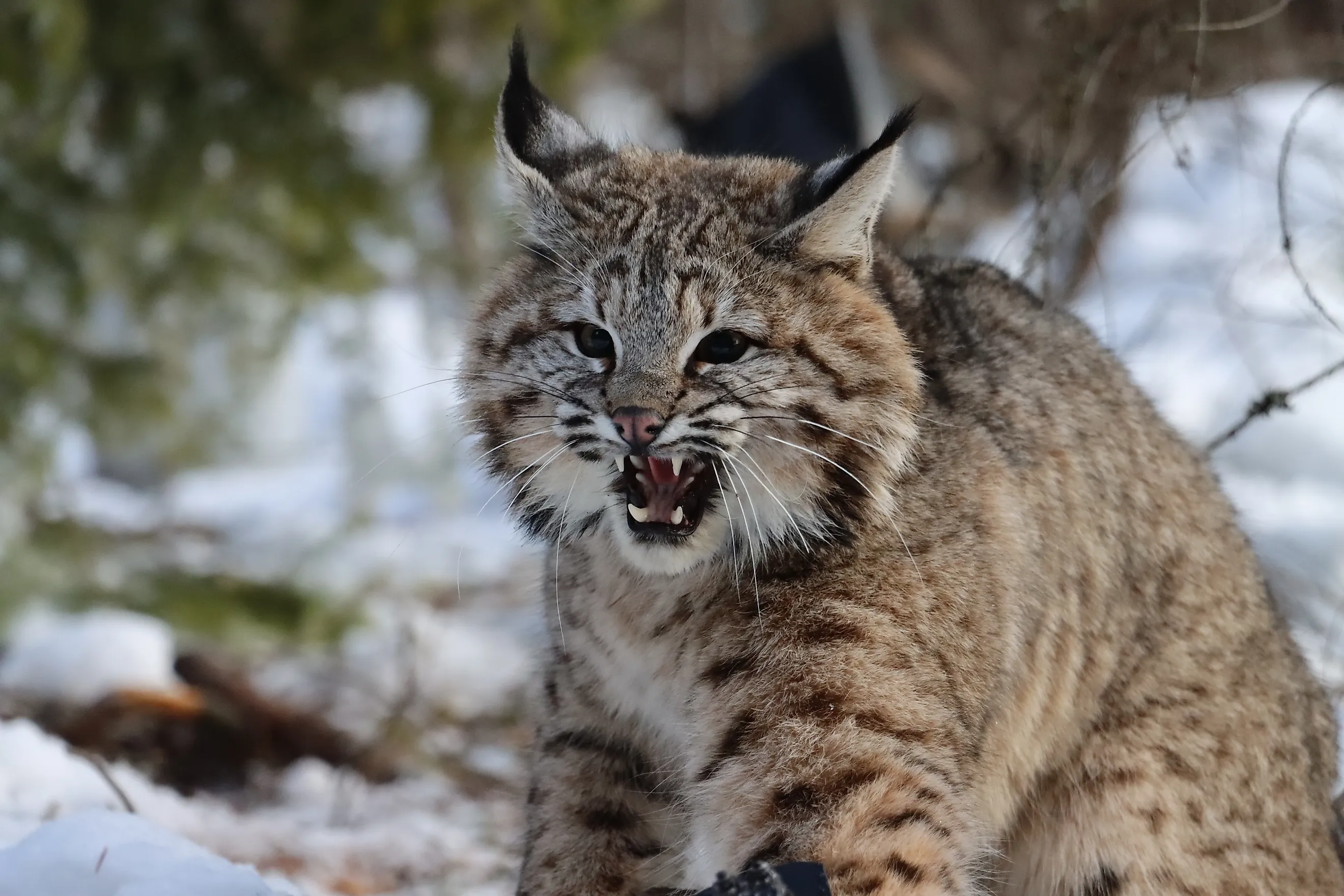
Bobcats (Lynx rufus) may be elusive and rarely seen by humans, but their population is far from dwindling. It is estimated that there are one million bobcats in the United States. They are found across the country in forests, swamps, and deserts, although they are most common in the southeastern United States. Their secretive nature makes it difficult for the National Park Service to establish a concrete population number. However, their presence is confirmed by trail camera photographs in Great Smoky Mountains National Park and by their footprints in the snow in Yosemite National Park.
Great Smoky Mountains National Park, North Carolina-Tennessee

Great Smoky Mountains National Park is composed of forested ridgelines across the North Carolina-Tennessee border. Bobcats are the only wild feline in the Great Smoky Mountains. Their coats vary depending on which region they inhabit. In forested ecosystems, like the Smokies, their coat is usually gray-brown and patterned with black spots and streaks. Bobcats are present throughout the entirety of the park and areas bordering the outside of it. Although sightings are rare, bobcats are commonly captured on trail cameras. It is more likely to hear loud yowls and meows throughout the park during the breeding season, which peaks in May.
Everglades National Park, Florida

Bobcats in South Florida are common throughout all of the Greater Everglades wetlands, including the three Water Conservation Areas, Big Cypress National Preserve, and Everglades National Park. Bobcats occupy diverse habitats within the Everglades, with adults capable of covering 5 to 50 miles daily in search of prey, even if they have to travel through mangrove forests and coastal prairies. However, as they are only slightly larger than housecats, bobcats have been predated on by invasive Burmese pythons. However, in 2025, wildlife biologists discovered a dead 13-foot, 52-pound Burmese python with its head chewed off. After setting up trail cameras, an adult bobcat was observed returning to the python's body, which was buried underneath pine needles. This marked the first time a bobcat had been documented killing and eating a python in Florida.
Big Bend National Park, Texas
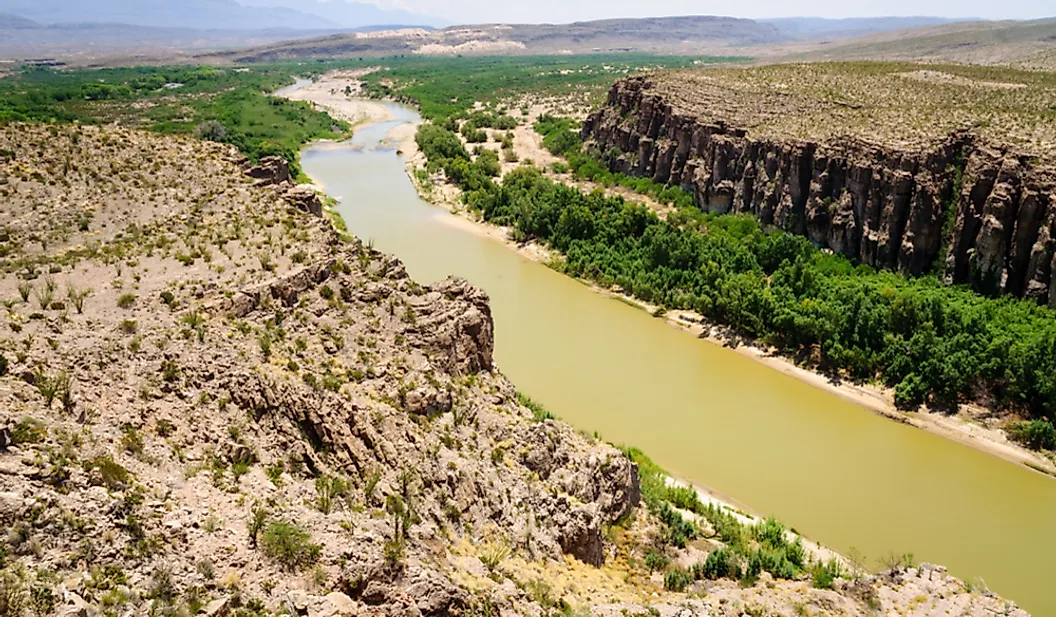
Bobcats are the most abundant and commonly seen cat in Big Bend National Park. They mainly inhabit brushy areas near water, including the banks of the Rio Grande. However, since they are highly adaptable, they can be found anywhere in the park's 801,163-acre area. Bobcats are also known to frequent the Rio Grande Village campground and picnic areas. However, since they reach average weights of between 12 and 20 pounds, they mostly hunt rabbits, hares, and ground squirrels. Occasionally, bobcats will kill and eat deer, although the majority of deer meat found in bobcat stomachs is usually carrion.
Yellowstone National Park, Wyoming-Montana-Idaho
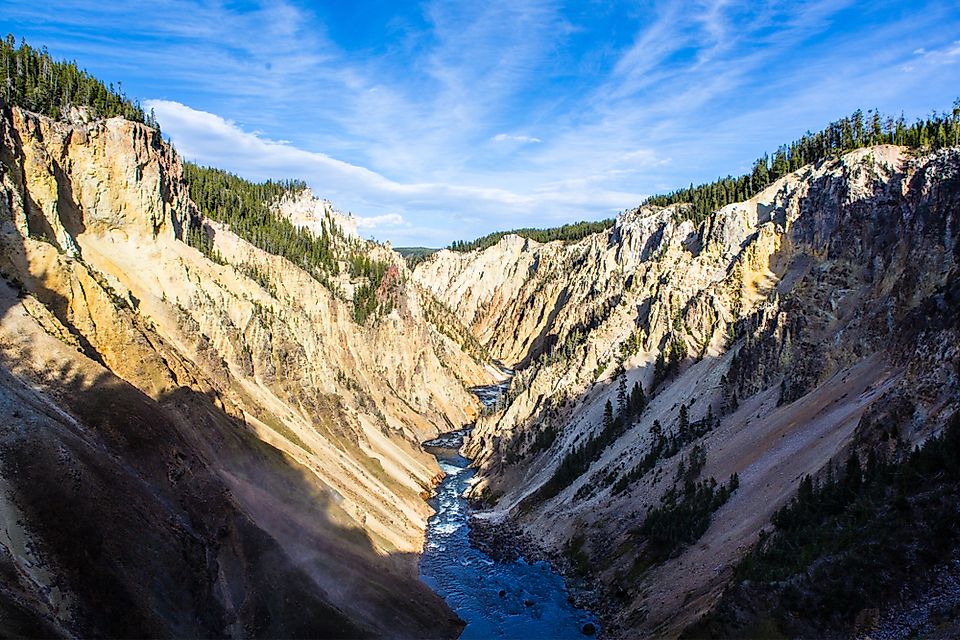
Although the number of bobcats in Yellowstone National Park is unknown, they are generally widespread throughout the park. Their typical habitat consists of rocky areas and conifer forests, near rivers in particular. The majority of bobcat sightings in the park occur along the Madison River during the winter months. Geothermal activity in the area prevents the Madison River from freezing. The river flowing freely in an otherwise frozen landscape draws waterfowl, like mallards, to flock to the river. Consequently, the presence of waterfowls draws bobcats to the river to prey on them. They are most often seen in the early morning hours and late evening along the river's edge as they hunt.
Grand Canyon National Park, Arizona

The extreme range of elevation in Grand Canyon National Park creates a variety of diverse ecosystems, including forest, desert, and aquatic habitats. Being adaptable, bobcats are well suited to the different ecosystems in the Grand Canyon. Generally, however, bobcats are common in the pinyon-juniper forests of the park, which are found in sunny areas below the North and South rims. They spend most of their time denning in rock crevices or in tree hollows during the day before commencing hunting at night, principally feeding on small mammals like squirrels, rabbits, and birds.
Yosemite National Park, California

Bobcats are common throughout all of California, inhabiting high alpine zones, thick forests, and arid deserts. They prefer habitats with dense vegetative cover or steep rocky terrain where they will use cavities in rocks, snags logs, and stumps for denning. Yosemite National Park meets these requirements. Bobcat sightings most often occur in the mornings and evenings in meadows or woodland edges. They primarily hunt rabbits, rodents, and other small mammals, which maintains balance within the park's ecosystem. Although bobcat sightings are unpredictable, in the winter their tracks can be seen in the snow.
Bobcats Hiding in National Parks
Bobcats are among the most adaptable wild cats in the United States. They have found a way to survive in the forests of the Great Smoky Mountains, the wetlands of the Everglades, and the deserts of Big Bend. Although their secretive nature makes them difficult to observe, they remain an important part of the ecosystems inside national parks, working by night to manage small mammal populations.