The National Forests With The Most Hunters
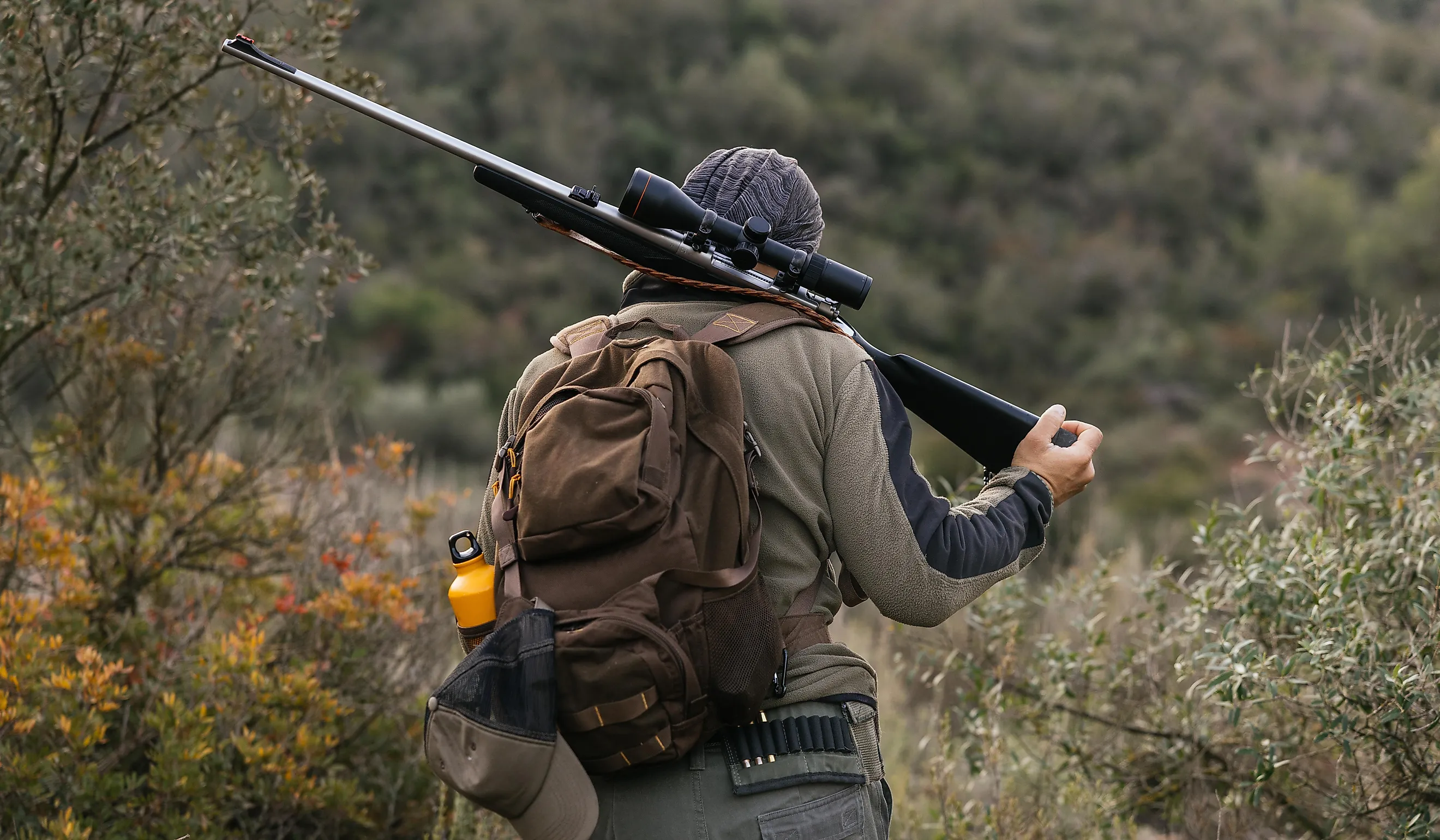
A successful hunt starts long before the first shot, and choosing the right national forest can make all the difference. In Colorado's White River National Forest, elk hunters navigate steep mountain slopes where early snowfall can complicate the search. Farther east, the George Washington and Jefferson National Forests offer wooded Appalachian ridges where white-tailed deer roam. Kentucky's Daniel Boone National Forest challenges hunters with thick vegetation that limits visibility.
But figuring out which national forests attract the most hunters takes more than looking at a map of deer and elk habitat. The U.S. Forest Service tracks recreation through its National Visitor Use Monitoring program, which surveys visitors and estimates how they use each forest. Its national summary covering fiscal years 2018 through 2022 provides a useful picture of the public land, although a forest's total visitation is not the same as its hunting traffic.
White River National Forest, Colorado

Colorado's White River National Forest combines rugged mountain terrain, extensive conifer forests, and open alpine country that make it a notable destination for big-game hunters. Elk and mule deer are among the major species pursued across Colorado's public lands, with hunting opportunities shaped by elevation, seasonal migrations, and state wildlife-management rules.
The landscape is not easy country to cover on foot. Steep slopes and changing weather can turn a promising morning into a demanding day, particularly as temperatures drop and snow begins to accumulate at higher elevations. Hunters must plan around access, legal hunting units, and the conditions of individual roads and trails.
White River's appeal also illustrates why forest acreage alone cannot determine hunting popularity. A vast forest may offer extensive habitat, but the number of people who hunt there depends on access, regulations, wildlife distribution, and proximity to communities. Colorado's state wildlife agency is the essential source for current seasons, licenses, and hunting-unit requirements.
George Washington and Jefferson National Forests, Virginia and West Virginia

In the Appalachian Mountains, the George Washington and Jefferson National Forests offer a very different hunting environment. Hardwood ridges, wooded hollows, and winding mountain roads provide habitat for white-tailed deer and wild turkey, species that draw hunters throughout the region.
Unlike Colorado's high-elevation terrain, much of this landscape consists of densely wooded slopes and valleys. Finding suitable access and understanding the boundaries between public and private property can be just as important as locating wildlife. The Forest Service's multiple-use approach allows hunting alongside hiking, camping, and other outdoor activities where local rules permit.
The forests' location across a populated part of the eastern United States also makes them relevant to hunters seeking public land without traveling to the Rockies. However, the amount of hunting activity in these forests should not be confused with the total number of licensed hunters in Virginia or West Virginia. Those are different measurements, and neither state-level figure establishes a national forest's position in a national ranking.
Daniel Boone National Forest, Kentucky

Kentucky's Daniel Boone National Forest offers a mix of hardwood forest, rocky terrain, streams, and steep hollows across the eastern part of the state. White-tailed deer and wild turkey are important game species in Kentucky, making the forest's varied habitat relevant to hunters looking for public-land opportunities.
Its terrain creates a different set of challenges from the open mountain country of the West. Thick vegetation and rolling ridges can limit visibility, while the network of roads, trails, and developed recreation areas requires hunters to check where access and hunting are permitted. Public ownership does not mean every parcel or site has identical rules.
For anyone planning a trip, Kentucky's current hunting regulations and the forest's official notice are more useful than a generic list of popular hunting destinations. Season dates, legal methods, wildlife-management areas, and temporary closures can all affect where a hunt is possible.
Nez Perce-Clearwater National Forests, Idaho

Idaho's Nez Perce-Clearwater National Forests cover a rugged landscape of mountains, river valleys, and remote backcountry. The region is associated with hunting for elk, deer, and other big game, while its extensive public lands offer opportunities for hunters willing to travel beyond developed areas.
Access is a major part of the experience. Forest roads can provide entry into remote areas, but road conditions, seasonal restrictions, and the distance from trailheads may determine how practical a particular trip will be. The Forest Service also has to balance roads and other land uses with wildlife habitat, so the most accessible locations are not necessarily the least crowded.
The area illustrates a broader point about hunting on national forests: the opportunity depends on more than the presence of game. Habitat, terrain, access, state regulations, and management decisions all influence how hunters use public land.
National forests give hunters access to some of the country's most varied landscapes, from Colorado's elk country to Kentucky's hardwood ridges and Idaho's backcountry. Hunting is only one part of their purpose, but it remains an important reason people return to these public lands each season. With wildlife populations, access, and regulations varying from forest to forest, each destination offers a different experience. For hunters planning their next trip, checking Forest Service updates and state hunting regulations is the best way to make the most of the season.