The American Towns Built Over Sinkhole Country
In 1981, the ground in Winter Park, Florida, swallowed a house, several cars, and part of a municipal swimming pool. Nearly four decades later, a sinkhole in South Dakota exposed an abandoned gypsum mine beneath a residential neighborhood. These disasters had different causes, but both revealed how much can go wrong below an otherwise ordinary street. Across the United States, dissolving limestone, unstable salt caverns, and forgotten mine tunnels have threatened established communities. In Cave City, Kentucky, officials have identified 312 sinkhole features alone. These five communities reveal just how destructive unstable ground can become and why the warning signs are not always visible.
Winter Park, Florida

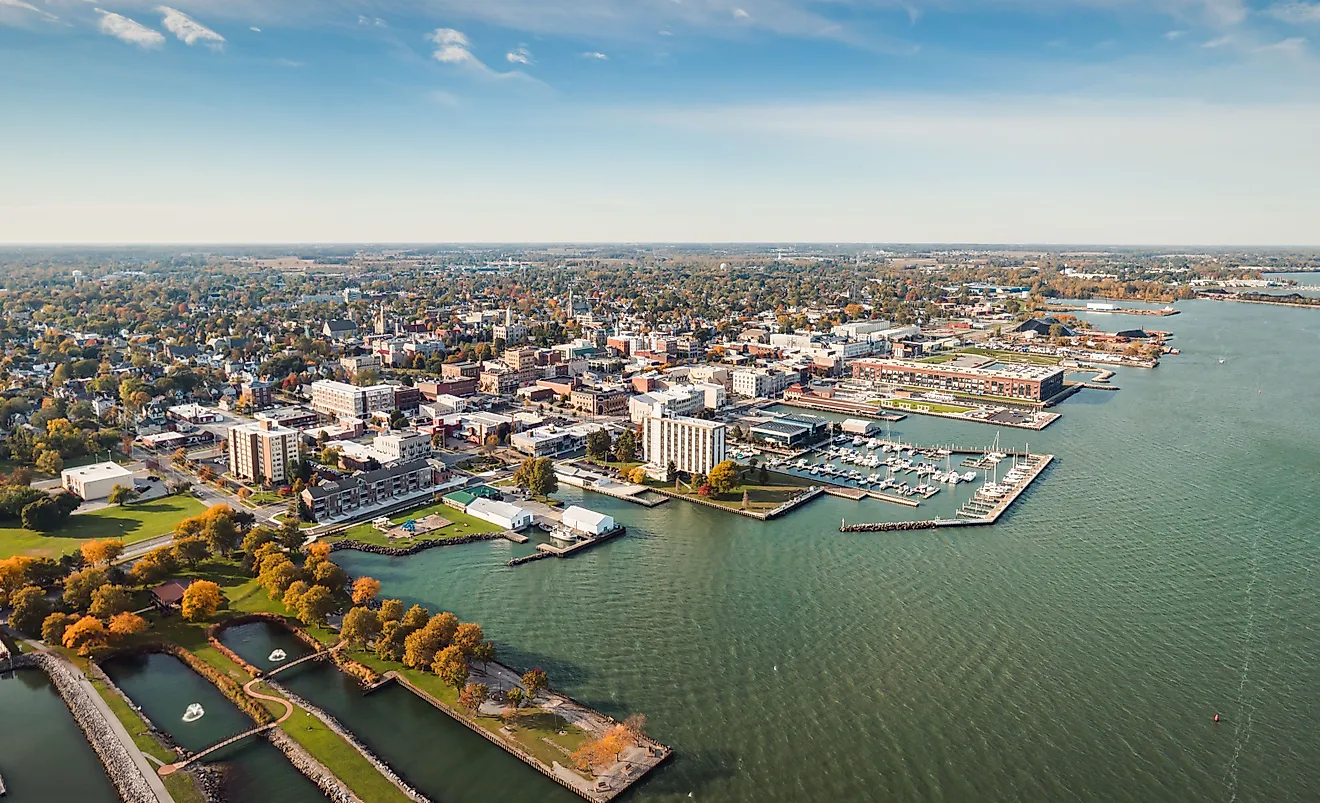
On May 8, 1981, the ground in Winter Park began opening near the intersection of South Denning Drive and West Fairbanks Avenue. Over the next few days, a sinkhole grew to approximately 350 feet across and about 75 feet deep, swallowing a house and several cars while undermining an automotive repair shop and a community swimming pool.
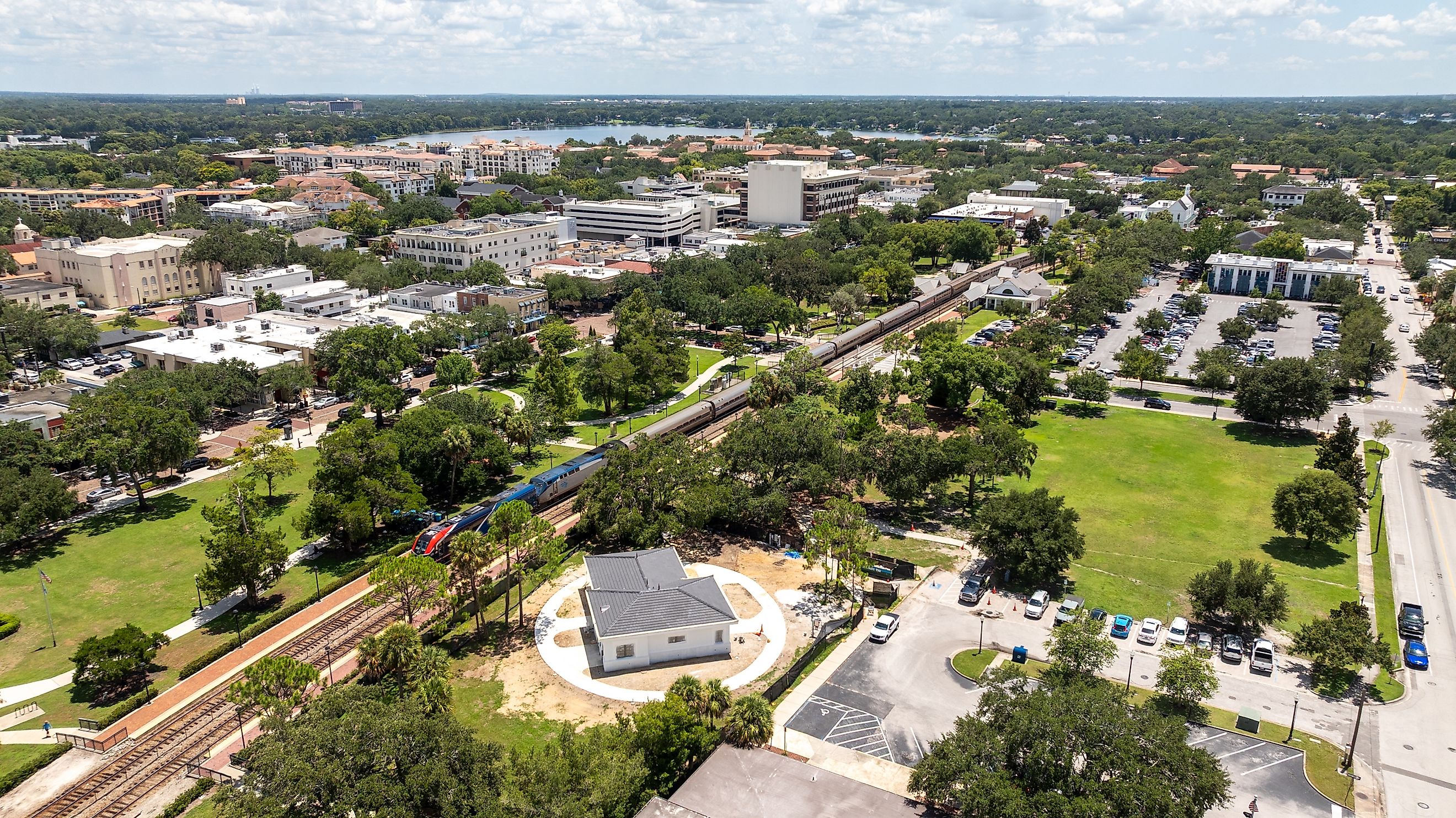
The episode was especially revealing because the hole did not simply expose a shallow cavity. Investigators identified a likely connection to the deeper Floridan aquifer, and water levels changed dramatically as the collapse progressed. Winter Park has since stabilized the site and landscaped it to resemble a small lake. Winter Park now has more than 30,000 residents, but Lake Rose remains a visible reminder of the dramatic 1981 collapse.
Seffner, Florida

In February 2013, a sinkhole opened beneath a bedroom in a Seffner home while resident Jeffrey Bush was sleeping. The collapse took him underground, and the rescuers never recovered his body. Officials later demolished the house, and Hillsborough County bought the neighboring property so no one would live too close to the hole.
The property became an especially stark example of the uncertainty associated with sinkhole-prone ground. In August 2015, another hole opened at the same site, then an empty lot owned by Hillsborough County. Officials estimate the new opening at roughly 17 feet wide and 20 feet deep, although it could have extended farther underground. The hole opened for a third time in 2023, prompting a sinkhole remediation contractor to visit the site. Crews used gravel and water to refill the opening in 2023, repeating the earlier remediation process designed to contain future collapses within the same fenced-off property.
Florida's underlying geology helps explain why such incidents occur. Groundwater gradually dissolves limestone, leaving underground spaces that may remain concealed beneath soil until the overlying material loses support.
Cave City, Kentucky

Cave City has a geological statistic that makes its name seem particularly appropriate. A regional hazard mitigation assessment identified 312 mapped sinkholes within the city. The assessment classifies Cave City's sinkhole vulnerability as high, reflecting the number of identified features and the surrounding geology.
The city sits in Barren County, part of Kentucky's limestone country. Groundwater gradually dissolves the bedrock, opening underground drainage routes and cavities. Where soil covers these openings, the surface may conceal the process until the soil collapses. The terrain of the area also shapes the region's water system. Karst landscapes can contain caves, springs, and streams that disappear underground, allowing water to move through the rock instead of on top of the earth.
Despite its staggering number of sinkholes and underground cavities, Cave City is still a functioning community. The regional hazard mitigation plan highlights how karst terrain can complicate land use, drainage, and infrastructure planning throughout Barren County.
Bayou Corne, Louisiana

In August 2012, the ground near Bayou Corne began collapsing into an enormous sinkhole that eventually consumed more than 30 acres of land. The disaster forced hundreds of residents to leave their homes and turned a community in Assumption Parish into one of Louisiana's most closely monitored geological hazard sites.
Unlike the limestone sinkholes found in Florida and Kentucky, the Bayou Corne collapse involved a salt dome and an abandoned underground brine-mining cavern. The cavern, operated by Texas Brine, failed beneath the surface, allowing surrounding material to move into the void. Bubbling in Bayou Corne and Grand Bayou had drawn officials' attention months before the collapse, and further investigations also identified natural gas in the area.
The sinkhole continued to expand as soil, broken rock, and surface water moved into the underground space, forcing the mandatory evacuation of 350 residents. The evacuation orders weren't lifted until 2016, but lasting damage has impacted the population.
Hideaway Hills, South Dakota

On April 27, 2020, a nearly 30-foot-deep sinkhole opened along East Daisy Drive in Hideaway Hills, a residential subdivision in Black Hawk, South Dakota. The collapse swallowed much of a resident's front yard and part of the street, exposing underground utilities and a large void beneath the neighborhood. The warning signs had appeared years earlier. Residents reported cracking walls, settling foundations, and smaller sinkholes as early as 2008.
Unlike the natural limestone sinkholes found in Florida and Kentucky, Hideaway Hills sits above an abandoned gypsum mine. Dakota Plaster began extracting gypsum from the property in the early 1900s, using a room-and-pillar method that left behind a network of tunnels and large underground chambers. The state later conducted surface mining during the 1980s and early 1990s before reclaiming and selling the property. Developers completed the residential subdivision around 2005, despite encountering underground cavities during construction.
The 2020 collapse forced the evacuation of 13 homes, which remained vacant as of 2026. Around 150 homeowners also experienced problems with cracking and settling. In July 2026, the South Dakota Supreme Court rejected the homeowners' inverse-condemnation claim against the state. The disaster highlights the lasting dangers of building over abandoned mine workings, where unstable underground spaces can threaten homes decades after mining operations have ended.
A Story Hidden Underground
The damage left by a sinkhole can last far longer than the collapse itself. Winter Park's enormous crater became Lake Rose, while Seffner's fatal sinkhole reopened twice after the initial disaster. In Cave City, hundreds of mapped sinkholes make unstable ground an ongoing planning concern. Bayou Corne and Hideaway Hills reveal a different danger, where failed industrial caverns and abandoned mines have disrupted entire communities. Although geologists can identify vulnerable areas, predicting exactly when and where the ground will collapse remains difficult. These cases underscore the importance of geological surveys, historical mining records, and careful development decisions before disaster strikes.