7 Most Snake-Filled Bodies Of Water In California
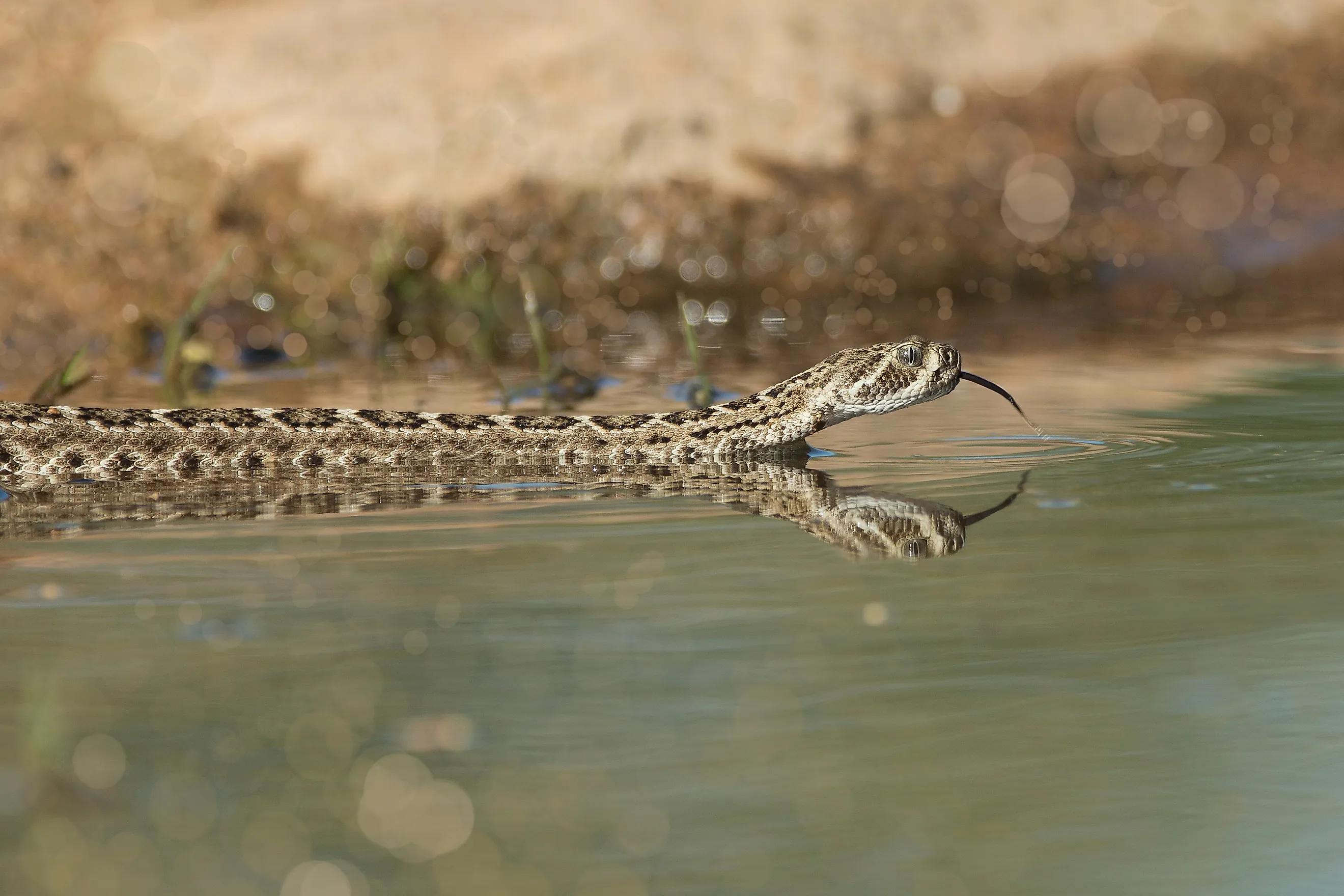
California is most often associated with its Pacific coastline, but inland, the state offers a different kind of attraction. Tourist hotspots like Lake Tahoe and the rivers of the Central Valley are filled with snakes. The state is home to nearly 50 species, including seven venomous rattlesnakes. Many people think rattlesnakes are limited to desert environments, but that assumption is wrong. Several of the bodies of water on this list are home to one or more of the state’s rattlesnake species.
Sacramento River

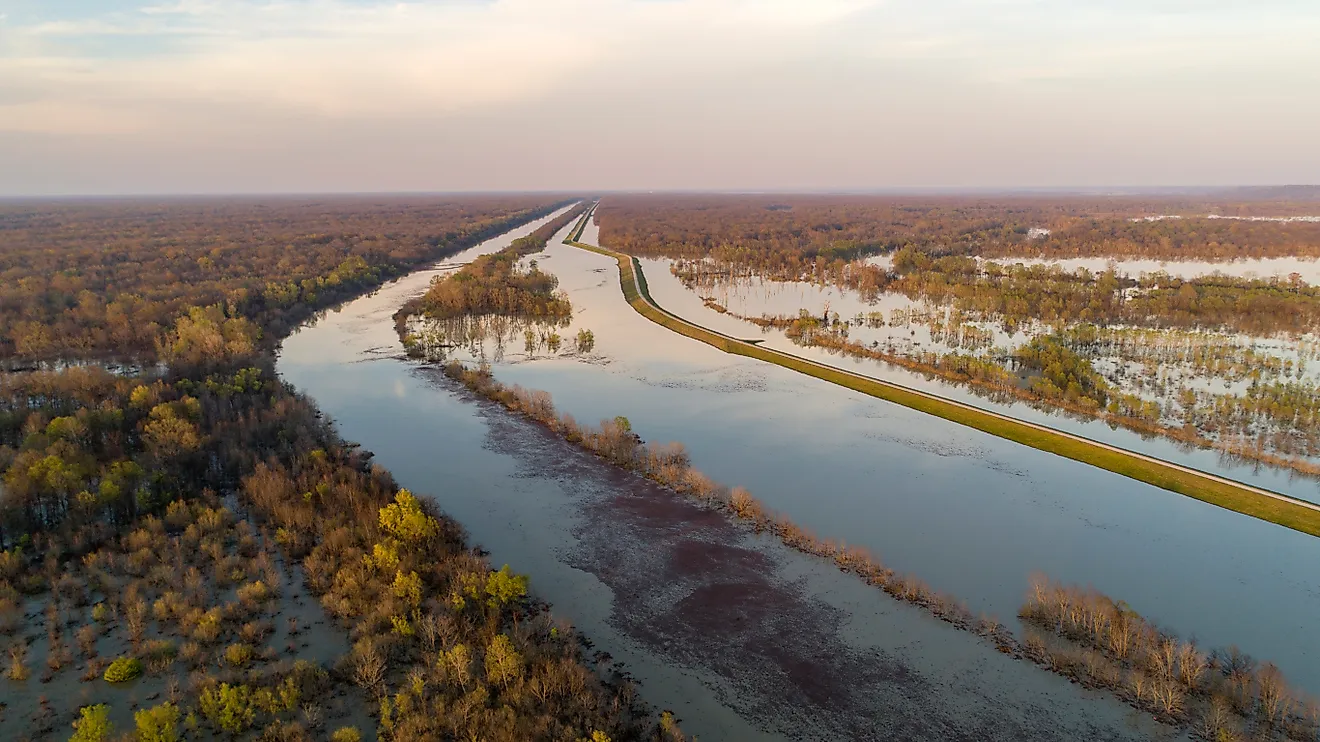
The Sacramento River is the largest river in California. It rises from the Klamath Mountains near Mount Shasta in Northern California. It flows for a total distance of 382 miles between the Cascade and Sierra Nevada Mountain ranges, coursing through the northern section of the Central Valley before forming a delta with the San Joaquin River. From there, it empties into Suisun Bay, the northern arm of San Francisco Bay.

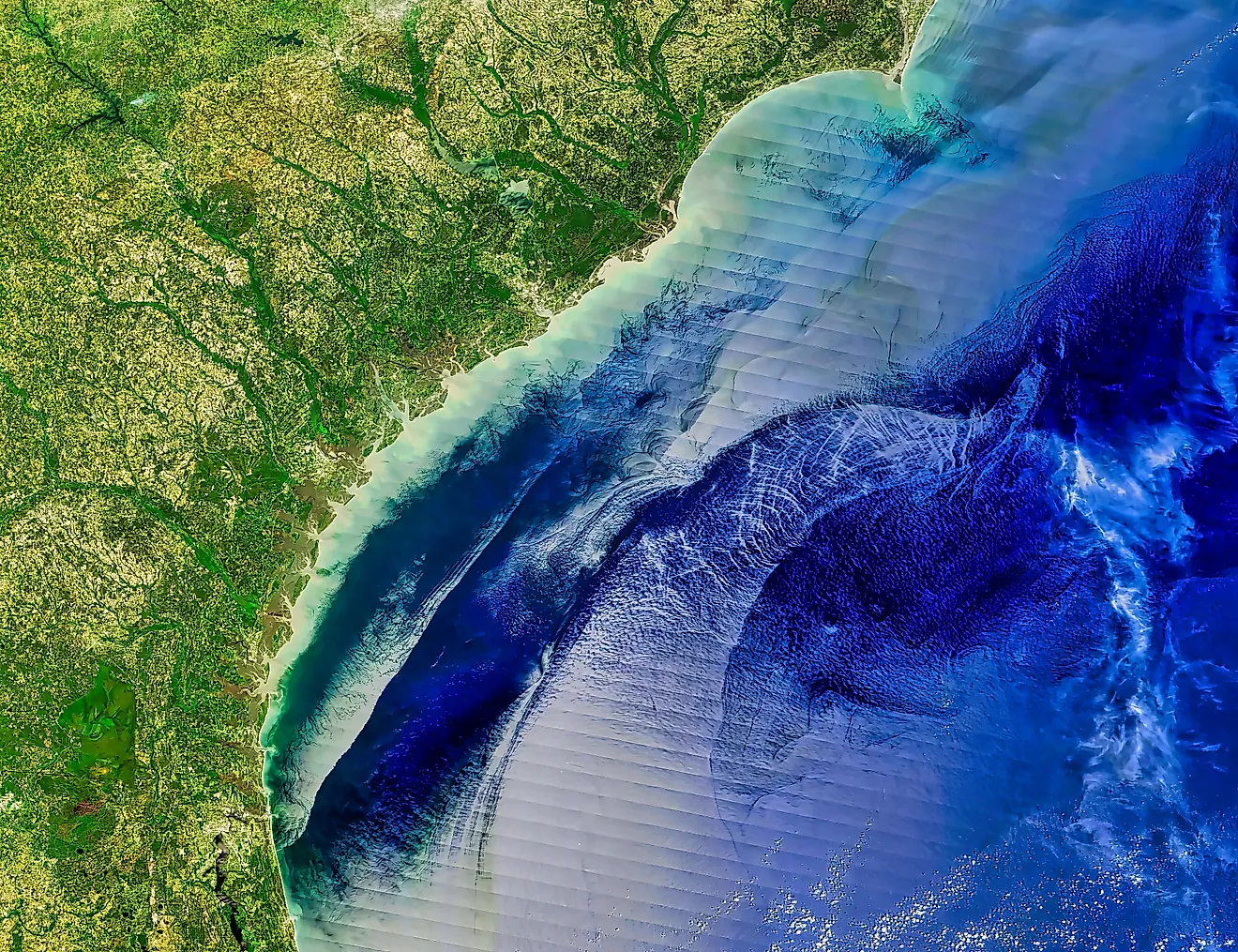
The Sacramento River is home to the southern watersnake (Nerodia fasciata). Their native range covers the eastern portions of the Carolinas and Georgia, statewide in Florida, and west along the Gulf Coast into eastern Texas. An established invasive population now lives in the Sacramento River watershed, specifically south of Sacramento. Southern watersnakes inhabit most permanent freshwater sources, including ponds, lakes, wetlands, marshes, swamps, wet prairies, canals, and rivers. They will bask on vegetation, logs, or tree limbs overhanging the water.
San Joaquin River

The San Joaquin River flows through Central California. It is formed by forks rising on Mount Goddard in the Sierra Nevada Mountains, eventually flowing past Stockton to join the Sacramento River just before Suisun Bay after a total course of 350 miles. Several national wildlife refuges are located within the river’s wetlands, including the San Joaquin River National Wildlife Refuge.

The refuge comprises 7,500 acres in Stanislaus County. It sits where three major rivers, the Tuolumne, the Stanislaus, and the San Joaquin, join the San Joaquin Valley, creating a diverse habitat for several plant and animal species, including snakes. Several species of nonvenomous snake inhabit the reserve, including the giant garter snake (Thamnophis gigas), common garter snake (Thamnophis sirtalis), glossy snake (Arizona elegans), gopher snake (Pituophis catenifer), and California king snake (Lampropeltis californiae).
American River

The American River rises in the high Sierra Nevada, west of Lake Tahoe, in the Tahoe and El Dorado National Forests. It has three main forks: the South, Middle, and North. All of them flow through the Sierra Nevada foothills and merge east of Sacramento. A 29-mile stretch of the river covering 5,000 acres is known as the American River Parkway. The parkway is a designated wildlife habitat in the middle of a heavily urbanized area.

The American River is home to several species of snakes, including the night snake (Hypsiglena torquata), sharp-tailed snake (Contia tenuis), racer (Coluber constrictor), striped racer (Masticophis lateralis), gopher snake, common kingsnake (Lampropeltis getula), garter snakes, and the prairie rattlesnake (Crotalus viridis). Of those snakes, only the prairie rattlesnake is venomous.
Russian River

The Russian River flows for a total distance of 110 miles between its headwaters in the Mayacama Mountains in Mendocino County and the large estuary and beaches of Jenner in Sonoma County. The river flows through oak and Douglas fir woodlands, valleys covered in orchards and vineyards, redwood forests, and the gentle hills of the coastal grassland before reaching the Pacific Ocean.

Snakes living in the Russian River watershed include the California king snake, gopher snake, and the western rattlesnake (Crotalus oreganus). The western rattlesnake occurs throughout California except in the southern deserts. It inhabits a variety of ecosystems, including mountains, forests, chaparral, sagebrush, grasslands, and woodlands.
Cachuma Lake

Cachuma Lake is a reservoir situated between the Santa Ynez and San Rafael Mountains of Santa Barbara County in the Santa Ynez Valley. Cachuma Lake is bordered by the Los Padres National Forest, with many hiking trails, plus coves, inlets, wild shores, and a large campsite on the southern shore. Fishing is popular and available year-round. Snakes found living around Cachuma Lake include common garter snakes, striped racers, gopher snakes, and California king snakes.
Garter snakes are typically found in or around water, sometimes lying on top of vegetation or along the banks or edges of bodies of water. California king snakes, striped racers, and gopher snakes inhabit forests and woodlands, meaning they are likely found in the terrain surrounding the lake. California king snakes are cannibalistic and are known to eat gopher snakes and even venomous rattlesnakes.
Folsom Lake

Folsom Lake is a reservoir on the American River in the foothills of the Sierra Nevada mountain range in Folsom. The surface area of the lake is 11,500 acres, with an elevation of 466 feet above sea level. The Folsom Lake State Recreation Area encompasses the entire lake and supports several outdoor activities, including swimming, boating, fishing, paddleboarding, kayaking, and waterskiing.

In the warmer summer months, rattlesnakes, garter snakes, and gopher snakes are commonly seen coiled under rocks and logs, or stretched out basking in the sun on the paved bike trail. Rattlesnakes are the most commonly encountered potentially dangerous animal in Folsom. The dry, hot summers and abundance of open spaces for them to feed on rats, voles, and other small animals make it an appealing environment for rattlesnakes to thrive.
Lake Tahoe

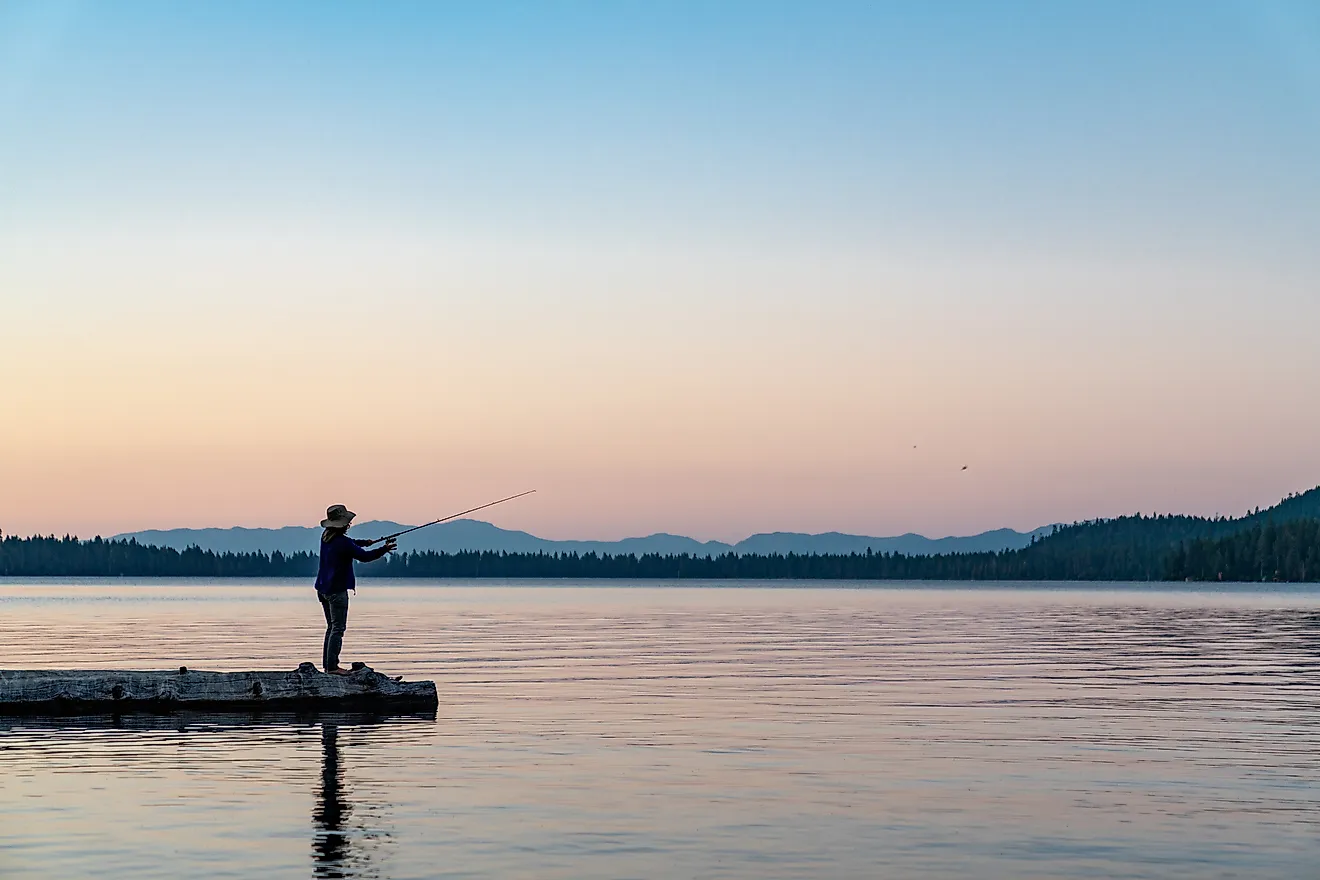
Lake Tahoe is the largest alpine lake in North America, measuring 22 miles long and 12 miles wide, with 75 miles of shoreline. It occupies a fault basin on the border between California and Nevada in the northern Sierra Nevada. It is fed by multiple smaller streams and drained by the Truckee River to Pyramid Lake, roughly 60 miles northeast in Nevada. Lake Tahoe draws around 15 million people per year, who come to camp, hike, enjoy beaches, and ski in the winter months.

Humans aren’t the only ones who enjoy Lake Tahoe. Snakes also frequent the lake, including the mountain garter snake (Thamnophis elegans elegans), valley garter snake (Thamnophis sirtalis fitchi), Sierra garter snake (Thamnophis couchii), rubber boa (Charina bottae), and western rattlesnake. The three species of garter snake are found close to water, with the Sierra garter snake being the most aquatic of the three. Rubber boas are most commonly encountered on the southwest side of the lake. Western rattlesnakes are limited to the western slopes of Lake Tahoe.
California’s Snake-Filled Bodies Of Water
While snakes are found statewide in California, most of the snakes people will encounter are harmless, non-venomous species. The most commonly observed snake in the entire state is the gopher snake. Many people fear snakes, although their presence is a sign of a healthy ecosystem. Snakes play a crucial role in managing local pest populations, and, like all wildlife, should be left undisturbed if encountered on one of these bodies of water.