5 Snake Hotspots In California
Running from the desert-covered border of Mexico to the lush mountains of the Pacific Northwest, California’s diverse landscapes host some of the country’s most diverse and healthy natural environments. For nature enthusiasts and hikers alike, certain areas stand out as particular hotspots where snakes are frequently encountered. Understanding where these reptiles thrive not only adds an element of caution to your next outdoor adventure but also offers insight into their essential role in local ecosystems.
This guide highlights key locations across the Golden State where snake activity is common and tourism is high, combining natural beauty with a hint of danger that you should be aware of before heading out.
Anza-Borrego Desert State Park

Anza-Borrego Desert State Park is easily one of California’s most active snake habitats, thanks mainly to its hot climate, hidden canyons, and expansive badlands with lots of prey/hiding spots. Be on the lookout for the western diamondback rattlesnakes, red diamond rattlesnakes, sidewinders, and coachwhips that thrive in the park’s dry flats and rocky washes.
Visitors exploring areas like Borrego Palm Canyon or "The Slot" should remain alert, especially during the warm months when snakes are more active in search of food or basking in the sun. The park’s varied terrain also supports a healthy rodent population, which keeps predators of all kinds, from raptors to reptiles, active and visible.

These sites have made the park particularly popular in recent decades, but its dense network of hidden crevices and long stretches of open desertscapes have made it a true snake hotspot for past eons, the present, and hopefully, the future too.
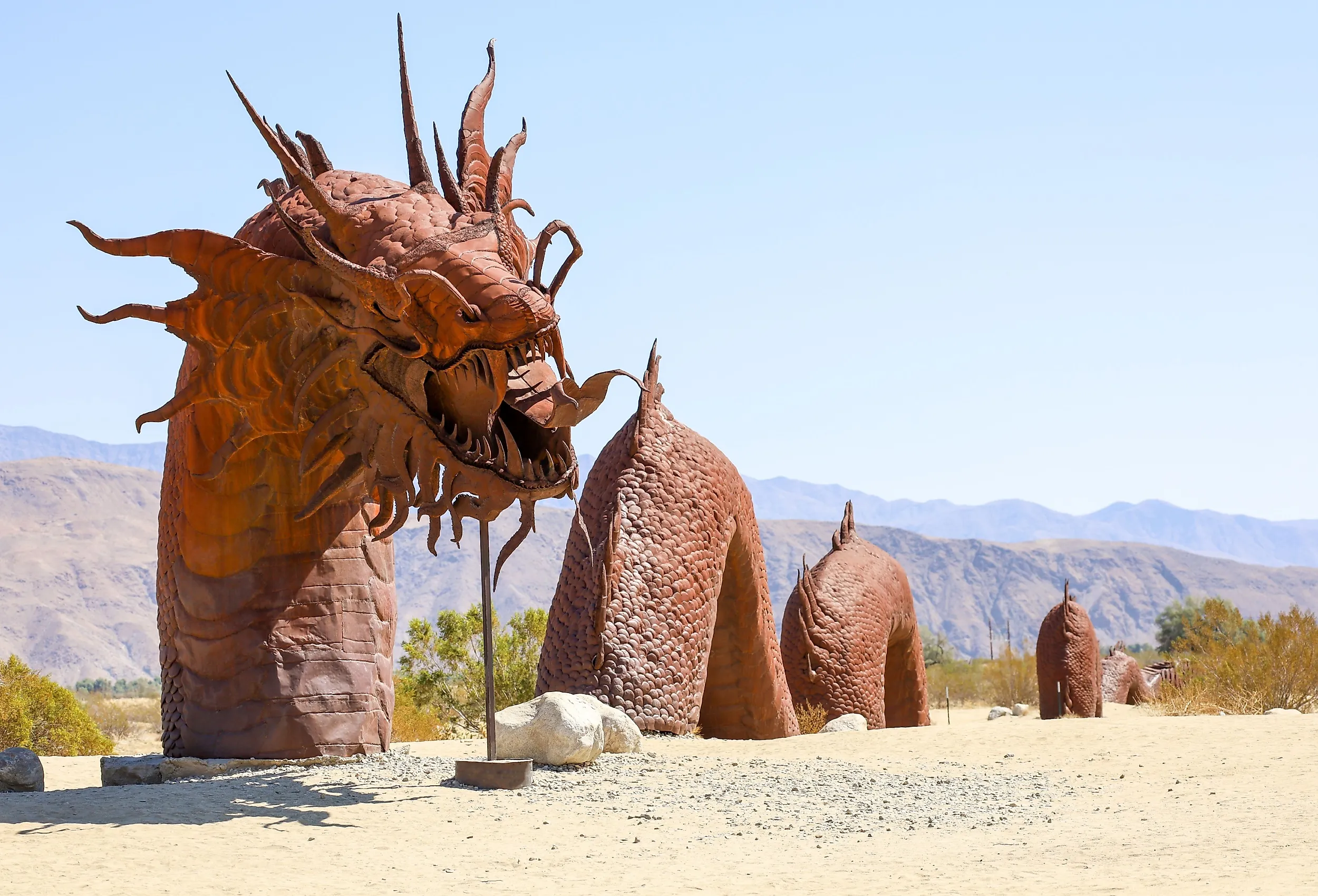
Beyond its wildlife, Anza-Borrego Desert State Park draws crowds of travellers from across southern California with attractions such as Fonts Point, known for its sweeping views over the Borrego Badlands, and the metal sculptures scattered across Galleta Meadows.
Joshua Tree National Park

As one of the most renowned parklands in the United States, Joshua Tree National Park is also a prime location to see some of California's most hardy wildlife, shaped by its dry basins, rocky hills, and thick stands of creosote. While this standout destination draws visitors for attractions like Keys View and the massive rock formations of Jumbo Rocks, the same rugged landscape that appeals to climbers and sightseers is well-suited for snakes.

Species such as the speckled rattlesnake, western diamondback rattlesnake, California kingsnake, sidewinder, and gopher snake are common here, especially in the busy summer and spring seasons. The maze of boulders around Hidden Valley and the desert washes found within near Cottonwood offer ideal shelter and hunting grounds, making encounters more likely for hikers exploring these specific areas.

Anyone traveling through the park should stay aware of where they step, particularly during early mornings and late afternoons, before temperatures rise too high even for these cold-blooded critters.
Furthermore, Joshua Tree's blend of Mojave and Colorado desert environments also supports healthy populations of prey like rodents, lizards, and insects, many of which snakes almost exclusively eat for sustenance year-round.
Mojave National Preserve

Mojave National Preserve is yet another among California’s most reliable places to encounter snakes in a desert environment due to its vast desert plains, craggy lava fields, and untouched mountain slopes. While you are likely here to see the preserve's eye-catching volcanic features, sand dunes, and wide desert vistas, the same environments that define these attractions should also be respected as living spaces for vital local wildlife.

This sizeable preserve, covering 1.6 million acres, boasts numerous species, such as the Mojave rattlesnake, speckled rattlesnake, sidewinder, and kingsnake, all drawn to the area’s sun-baked conditions and steady prey base.
Long stretches of rocky outcrops create ideal shelter where these hardy snakes can hunt, thermoregulate, and avoid predators. Popular locations for humans, like Kelso Dunes and the eroded canyons around Hole-in-the-Wall Campground, offer especially favorable habitat like these, and as usual for this region, sightings become more common in the morning or evening hours.
With its mix of open desert and hidden crevices, Mojave National Preserve remains a significant hotspot for sightseers and nature lovers alike across the American Southwest.
American River Canyon

The American River, spanning approximately 192 km from the Sierra Nevada Mountains to just outside Sacramento, boasts a diverse range of habitats that make it one of the more active snake areas in the Sierra foothills. It's often lofty walls, sun-exposed slopes, and dense oak and chaparral growth that create the right conditions for species such as the northern Pacific rattlesnake, gopher snake, kingsnake, and racer.

Moreover, the canyon’s various warm microclimates and steady sources of live food keep snakes active from spring through fall, especially along rocky overlooks and narrow trails where vegetation overlaps with open ground.
Popular places like the Foresthill Bridge and the trails near Lake Clementine attract a large number of hikers and dog walkers from the city. However, these same areas also feature ledges, talus piles, and brushy pockets that serve as ideal shelters for numerous snakes and other creatures. With that in mind, be mindful of where you step and/or decide to stop for a break so as not to sit or step on an unsuspecting animal.
Redwood National and State Parks

Onto Northern California’s coast, Redwood National and State Parks is a surprisingly prolific locale for snake habitats despite the area's cooler, misty climate. Species such as the northwestern garter snake, gopher snake, and Pacific rattlesnake are present, often found in sunlit clearings, on forest edges, or near rivers and streams where prey is plentiful.
While visitors flock to see the towering redwoods high up above and coastal vistas along the oceanfront, the parks’ hidden nooks, enormous fallen logs, and fern-filled valleys provide excellent cover for these snakes. With that, it's often tough to see through to the actual forest floor, so it's best to just stay on designated trails, both for your sake and the health of local flora and fauna.

Notable trails like Lady Bird Johnson Grove and the Prairie Creek Redwoods area offer a good amount of open meadows and dense undergrowth, but before you embark on your walk, use the information mentioned before to judge where you should and shouldn't place your feet along the way.
Better Understand Where California's Snakes Dwell
These Californian snake hotspots reveal the state’s treasure trove of ecological diversity, from desert canyons to coastal forests. As with any animal, observing these reptiles requires awareness and respect, especially since they can bite when threatened, and considering their crucial roles in controlling populations of other creatures. Whether exploring the arid expanses of Anza-Borrego and Joshua Tree or the verdant, forest-covered patches of NorCal, you too can enjoy the scenery while staying safe by following the tips above.