The US Bays With The Most Bull Sharks
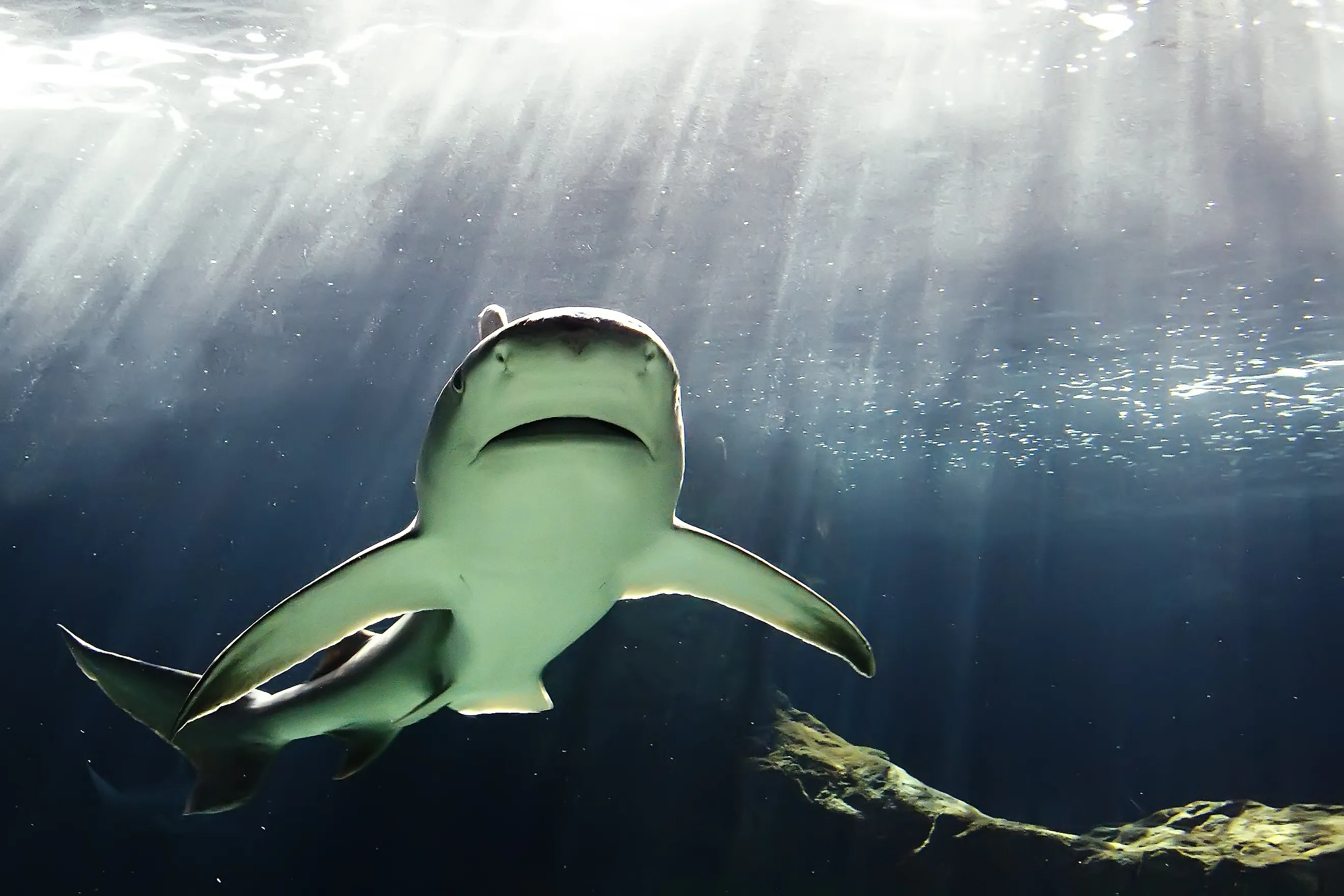
Bull sharks (Carcharhinus leucas) inhabit shallow coastal waters, brackish bays, and estuaries along the US Gulf Coast and southeastern Atlantic. They possess an unusual ability to regulate salt levels in their bodies, allowing them to move between saltwater and freshwater habitats. These coastal environments provide access to fish and other prey, while sheltered estuaries and river mouths can offer nursery habitat for young sharks. Six bays along these coasts stand out for the bull sharks they draw, though they look very different from one another. Each one offers its own mix of the warm water, prey, and shelter that bull sharks seek out.
Galveston Bay, Texas

Galveston Bay has shallow, turbid, nutrient-rich waters fed by the Trinity and San Jacinto rivers. During summer, water temperatures can reach the upper 80s°F, warm enough to suit young bull sharks. The estuary supports a variety of potential prey, including menhaden, mullet, catfish, rays, and crustaceans. Bull sharks use these productive coastal waters to feed, while younger individuals benefit from the quieter shallows found throughout the bay.
Galveston Bay is recognized as an Important Shark and Ray Area because of its significance to bull sharks, particularly during their early development. Research has also linked the increase in bull shark abundance in the estuary to warming spring and fall temperatures. Young sharks use shallow, low-salinity environments, where they can find food while reducing exposure to larger marine predators.
Mobile Bay, Alabama

Mobile Bay receives substantial freshwater inflows from the Mobile-Tensaw Delta, creating a broad estuary with varying salinity levels. Its shallow waters support fish such as menhaden, croaker, catfish, and drum, all of which are potential prey for bull sharks. Water temperatures rise considerably during summer, although dissolved oxygen levels vary, and some parts of the bay experience seasonal oxygen depletion.
Mobile Bay is recognized as an Important Shark and Ray Area, with research documenting its significance for bull shark reproduction and early development. Juvenile bull sharks inhabit the bay and associated river systems, where freshwater inflows create low-salinity conditions conducive to their development. These waters can reduce encounters with larger marine predators while providing access to abundant prey.
Tampa Bay, Florida

Tampa Bay contains shallow seagrass flats, mangrove shorelines, and deeper channels that provide bull sharks with varied habitats. Its subtropical climate supports warm coastal waters for much of the year, although shark movements vary with seasonal conditions. The estuary contains numerous potential prey species, including mullet, snook, jacks, rays, and crustaceans. Bull sharks are opportunistic predators capable of feeding in both open coastal waters and sheltered estuarine habitats.
Tampa Bay and its tributaries serve as nursery habitat for young bull sharks. Females generally give birth in shallow coastal or estuarine waters following a gestation period of approximately 10 to 11 months. Juveniles use rivers connected to the bay, including the Manatee River, where research has documented extended residency and overwintering. These river systems offer young sharks a place to feed and develop.
Biscayne Bay, Florida

Biscayne Bay differs from the muddy estuaries of the northern Gulf Coast. Its subtropical waters contain extensive seagrass beds, mangrove shorelines, and shallow coastal habitats, with offshore coral reef environments. Salinity varies near freshwater drainage channels, although much of the bay is more saline than river-dominated Gulf estuaries. Bull sharks can take advantage of the area's diverse fish populations, including mullet, snapper, and other coastal species.
Biscayne Bay functions as a reproductive habitat for bull sharks. Research has documented pregnant females, newborns, and young-of-the-year sharks in the bay and its associated waterways. Shallow coastal areas and freshwater canal outflows provide suitable conditions for juvenile development. With multiple life stages present, the bay supports bull shark reproduction and early development along Florida's Atlantic coast.
Chesapeake Bay, Maryland/Virginia

Chesapeake Bay, the largest estuary in the United States, is the northernmost bay on this list. Freshwater dominates its upper reaches, while waters near the Virginia Capes are considerably saltier. Bull sharks migrate north along the Atlantic coast as the water warms and arrive in the bay as summer visitors, typically from late June through September. Most encounters happen between the bay's mouth and its midsection, with the Potomac River and Tangier Sound among the most frequent locations.
Bull sharks in the bay have been documented feeding on a wide range of local species, including American eel, striped bass, summer flounder, cownose ray, red drum, and Atlantic croaker. Their tolerance for low salinity lets them push well up the estuary, and they have been recorded as far north as the mouth of the Susquehanna River. Large individuals also turn up in tributaries. In 2018, a commercial fisherman pulled an 8.6-foot, 310-pound bull shark from a pound net at the mouth of the Patuxent River in Maryland. For a species centered in tropical and subtropical waters, Chesapeake Bay shows how far north the bull shark's seasonal range extends along the Atlantic coast.
Sabine Lake, Texas/Louisiana

Sabine Lake, part of the Sabine-Neches Estuary along the Texas-Louisiana border, receives freshwater from the Sabine and Neches rivers. Despite its name, it is a coastal bay that connects to the Gulf of Mexico through Sabine Pass. The shallow estuary contains muddy waters, marsh shorelines, and extensive low-salinity habitats. These conditions support fish, shrimp, and crabs that bull sharks can feed on. Their well-developed senses, including electroreception, help them locate prey in turbid water.
Research near Sabine Pass has documented immature bull sharks and identified the surrounding waters as nursery and developmental habitat. Young sharks use sheltered estuarine areas during warmer months, where reduced salinity and shallow waters can limit encounters with some larger marine predators. Sabine Lake and its connection to the Gulf of Mexico provide access to both coastal feeding areas and protected habitats suitable for juvenile growth.
Built for Brackish Water
The bull shark's tolerance for both salt and fresh water shows clearly across these six bays: muddy, river-fed estuaries in Texas, Louisiana, and Alabama, seagrass and mangrove systems in Florida, and a vast, seasonally shifting estuary on the mid-Atlantic coast. Galveston Bay, Mobile Bay, Tampa Bay, Biscayne Bay, and the Sabine Lake area serve as documented nursery and developmental habitat for young bull sharks. Chesapeake Bay extends that range north, drawing bull sharks each summer, with records as far up as the Susquehanna River. Across all six, warm water, abundant prey, and protected shallows help explain why bull sharks turn up in so many American estuaries.