How Many People It Takes To Run A Mississippi Towboat
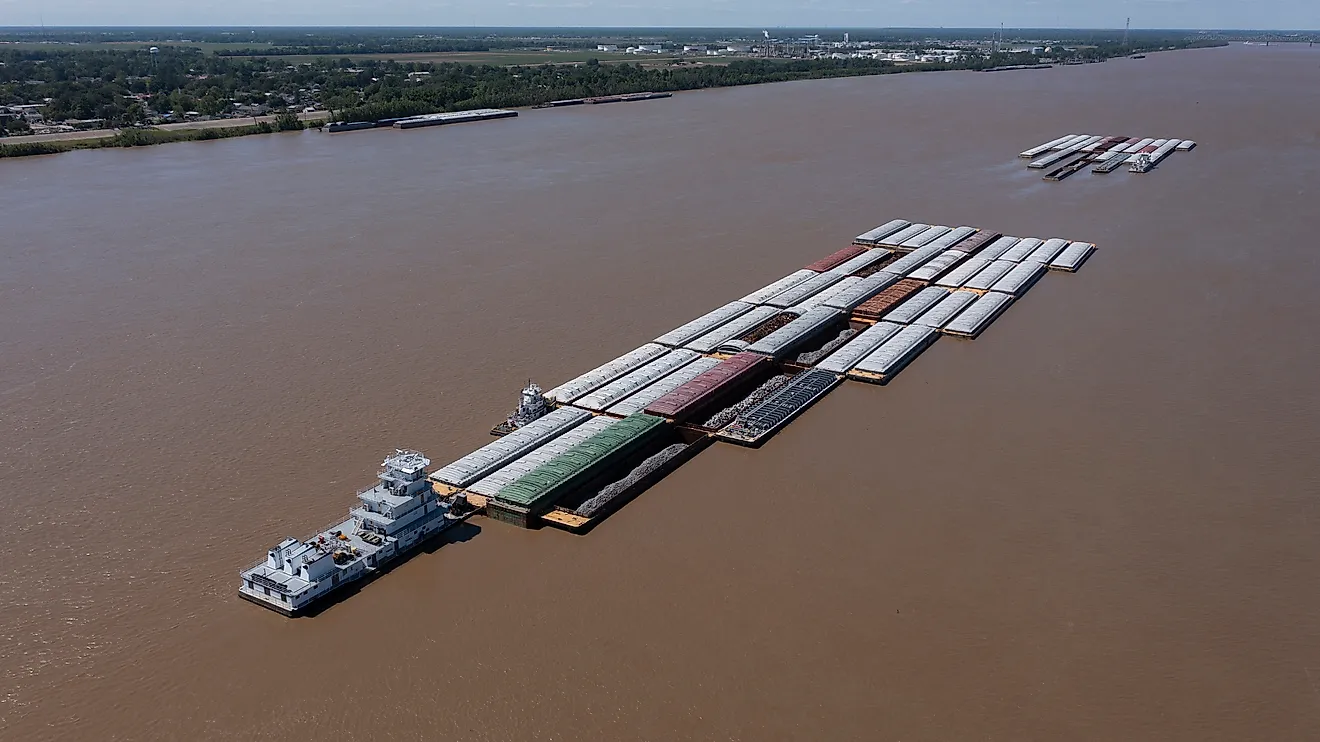
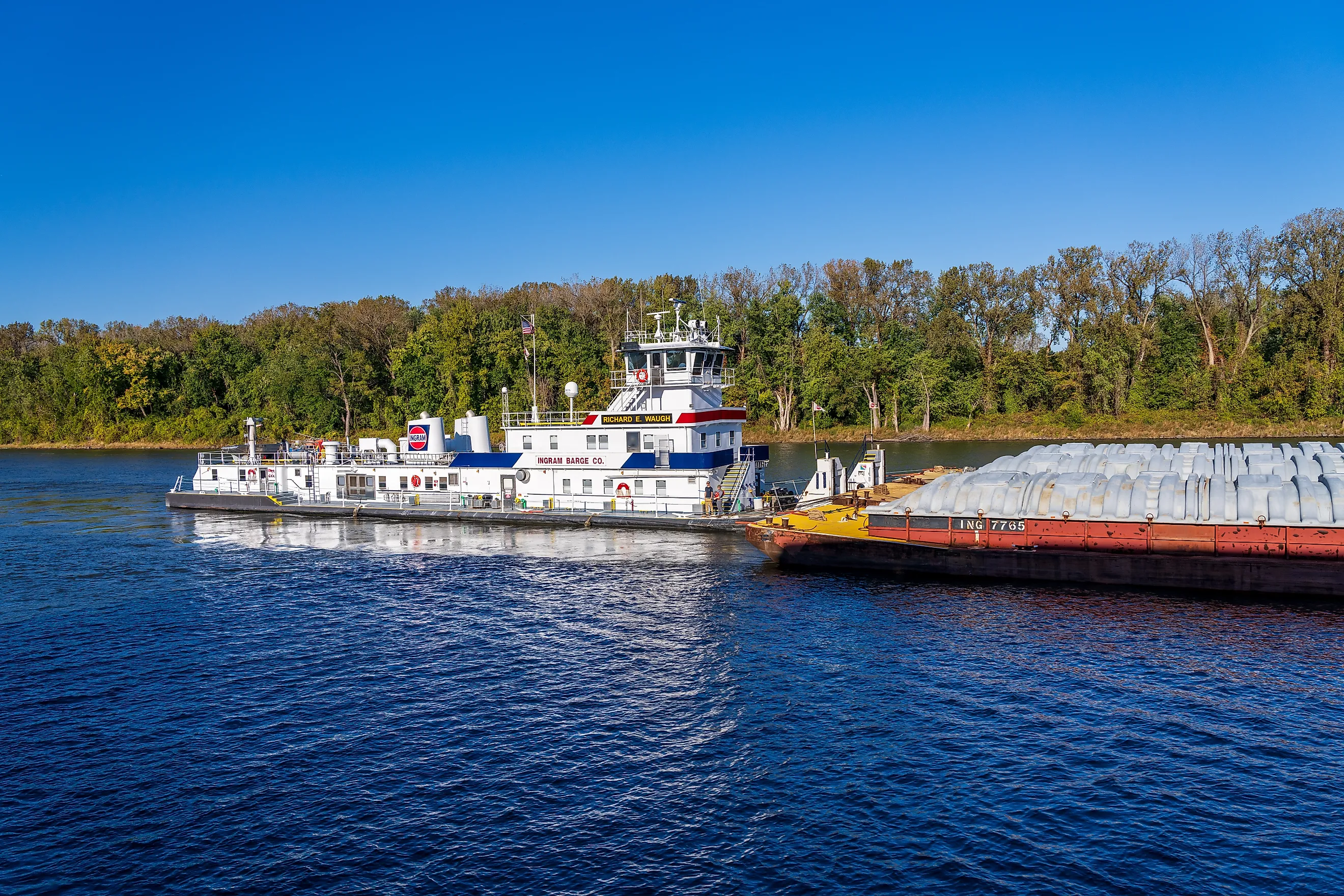
A single Mississippi River towboat can push a raft of barges longer than three football fields, hauling tens of thousands of tons of grain, coal, or fuel at once. It runs 24 hours a day, for weeks on end, in rain, fog, ice, and blazing heat. So you might imagine it takes a small army to keep one going. In fact, the entire operation is handled by a surprisingly tiny, tight-knit crew. Here is how many people it takes to run a Mississippi towboat, and who they all are.
The Short Answer: Around 8 to 11

A typical Mississippi River towboat runs with a crew of roughly 8 to 11 people. The exact number depends on the size and horsepower of the boat, the kind of cargo, and how far it travels, but a line-haul towboat pushing a big tow up and down the river usually falls somewhere in that range. It is a remarkably small group to run such a massive operation, which is exactly why everyone aboard has a clearly defined job. Near busy ports like Baton Rouge, you can watch these boats and their crews working the river nonstop.
The Boat Never Sleeps

The reason the crew is built the way it is comes down to one fact: the boat never stops. Towboats operate around the clock, which means the crew works in shifts called watches, almost always six hours on and six hours off. This "square watch" means everyone works two six-hour stretches every single day, with their sleep chopped into short pieces. Crews typically live aboard for about 28 to 30 days straight before a second crew takes over, so running a towboat through Louisiana and beyond is as much a lifestyle as it is a job.
The Captain

At the very top of the crew sits the captain, also called the master. The captain is in overall command of the vessel, responsible for the safety of the boat, the crew, and the cargo, and handles much of the steering from the pilothouse. Earning that chair is no small feat: becoming a licensed towing captain takes years of experience and Coast Guard credentials. On a towboat, the captain's word is quite literally the law.
The Pilot

Because the boat runs day and night, no single person can possibly steer it alone, so every towboat also carries a pilot. The pilot is essentially a second captain, holding the same high-level license and taking the wheel for the opposite watch while the captain sleeps. Together, the captain and the pilot split the round-the-clock job of navigating the river, and the crew considers both of them management. Between the two of them, there is always an experienced set of hands guiding the tow.
The Chief Engineer

Keeping the towboat's enormous diesel engines running is the job of the chief engineer. A big line-haul boat can put out thousands of horsepower, and the engineer maintains everything mechanical aboard, from the engines and generators to the electrical, hydraulic, and plumbing systems. On larger boats there may be a second or assistant engineer to help share the load. When something breaks down in the middle of the river, it is the engineer who has to fix it right there on the spot.
The Mates

Supervising the deck crew are the mates, usually two of them so that one is on duty during each watch. A mate is an experienced deckhand who has moved up to lead the others, directing the dangerous work of building and breaking apart the tow. They make sure the barges are rigged correctly and that the deck runs safely and smoothly. The mate is the crucial link between the pilothouse up top and the deckhands down on the barges.
The Deckhands

The muscle of the whole operation is the deckhands, typically three to five of them. They do the backbreaking, hazardous work of lashing barges together with heavy steel cables, handling lines during lockages, and keeping the boat clean, painted, and maintained. It is cold, wet, physical labor done at all hours, and it is where almost every river career begins. All along the river, from Mississippi towns like Vicksburg on up to the north, deckhands are the ones out on the barges in every kind of weather.
The Tankerman

On towboats pushing liquid cargo, like petroleum or chemicals, the crew also includes a tankerman. This is a specially certified deckhand responsible for safely loading and unloading the tank barges carrying hazardous or "red flag" cargo. It is a role that demands extra training and a Coast Guard endorsement, because the stakes of a spill or accident are so high. Not every boat has one, but those hauling liquids always do.
The Cook
Perhaps the most beloved member of any towboat crew is the cook. Feeding 8 to 11 hungry people three solid meals a day, for a month at a time, with supplies bought at scattered stops along the river, is a genuinely demanding job. The cook is usually the only crew member not on the six-and-six watch, instead working through the daytime so that hot meals are ready around the clock. On a boat where good food is one of the few real comforts, a great cook is worth their weight in gold.
A Floating Family

Add it all up and you get a crew of around 8 to 11 people, living and working shoulder to shoulder in a floating steel world for weeks at a time. With that much time together in such close quarters, crews often describe themselves as a second family, and many spend their entire careers on the river. From the grain ports near Memphis all the way down to the Gulf, it is these small, round-the-clock crews that keep the mighty Mississippi moving. The next time you see a towboat pushing a city block of barges upriver, remember that barely a dozen people are making it all happen.